

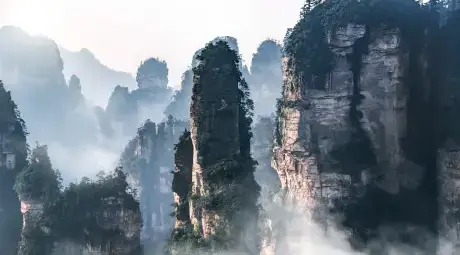

Shangri-La is the habitat for multiple ethnic groups and the Tibetan people account for the largest portion. In the Tibetan language, Shangri-La means “The Sun and Moon in the Heart”. With snow mountains, valleys, grasslands, lakes and primitive forests, it attracts many tourists every year to explore these abundant landscapes.
Follow this article to wander in the famous Shangri-La attractions, such as the natural scenery of Meili Snow Mountain and Pudacuo National Park and the historic sites like Songzanlin Monastery and Dukezong Ancient City. And find out other top things to do during a Shangri-La tour.
1. Visit the Songzanlin Monastery: The Heart of Tibetan Buddhism
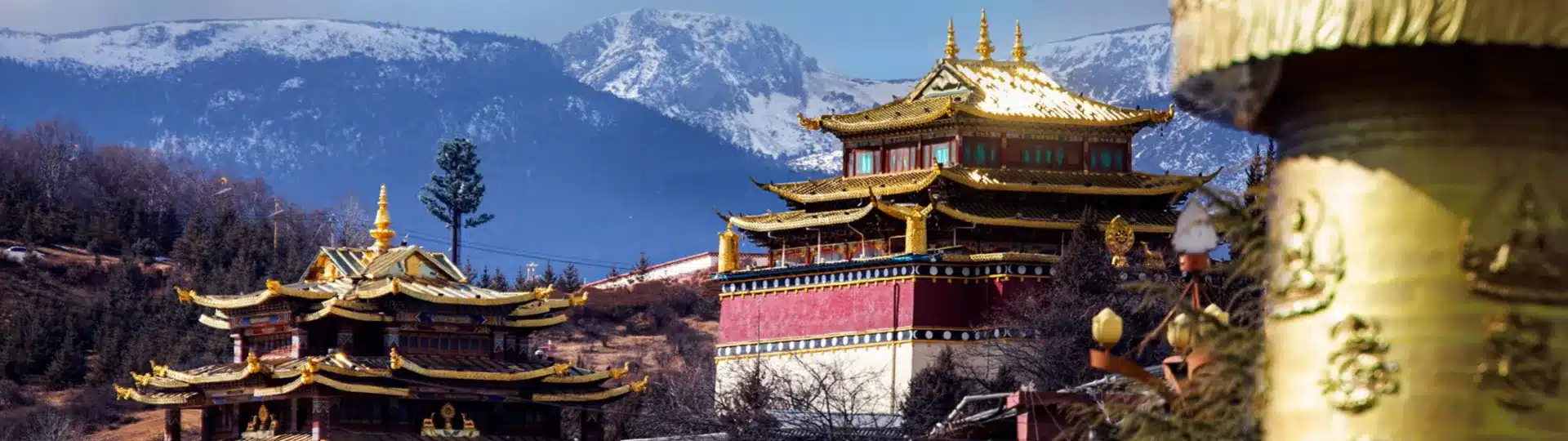
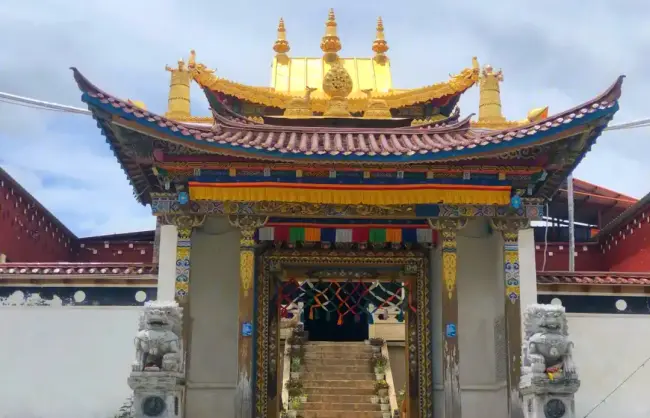
Songzanlin Monastery is the largest Tibetan Buddhist temple in Yunnan Province. It is renowned as the Little Potala Palace, because its architectural style imitates that of the Potala Palace in Xizang, making it a must-visit attraction in Shangri-La. The monastery started to be built in 1679 during the Qing Dynasty and took 3 years to complete.
The buildings are constructed along the mountains and layer upon layer, forming a magnificent castle-like architecture complex. Located at the highest point, Zhacang Hall and Jikang Hall are the two main halls. Inside the monastery, there are also many precious cultural relics, including tangkas painted with five-colored gold ink and gilded Buddha statues, so it is also reputed as a “Tibetan Art Museum”.
Location |
No. 3, Niwang Road, Jiantang Town, Shangri-La City |
Opening Hours |
07:40 – 18:30 (last entry: 16:00) |
Admission Fee |
Entrance ticket: CNY 55/USD 8; ticket package of entrance ticket + round-trip sightseeing bus + guide service: CNY 90/USD 13 |
Best Time to Visit |
Spring and autumn |
Recommended Time for Sightseeing |
About 3 hours |
What to Do at Songzanlin Monastery?
- Marvel at the Zhacang Hall and Jikang Hall and appreciate the exquisite Buddhas, murals and colored paintings inside the halls.
- Stroll along the Lamuyangcuo Lake and take photos of the reflection of the monastery.
- Taste the traditional Tibetan foods in the restaurant at the entrance.
Tips: During the visit, do not wear shorts, take photos or wear hats and sunglasses inside the hall; do not turn the prayer wheel counterclockwise, and do not step on the threshold.

An 8-day leisurely Yunnan journey through Kunming, Dali, Lijiang and Shangri-La with cable cars, ancient towns and Tibetan culture.
2. Explore the Natural Beauty of Pudacuo National Park
Another unmissable Shangri-La attraction is Pudacuo National Park. As the first national park in China, it is located in the core area of the world natural heritage “Three Parallel Rivers”.
The park is renowned as “the place closest to the sky” and is known for the clear plateau lake, dense primitive forest, vast alpine meadow and abundant biodiversity. It preserves a very original and complete ecosystem. Its main landscapes consist of three parts: Shudu Lake, Bita Lake and Militang Pasture. The sightseeing bus + hiking/boat tour is the most recommended way to cover these three scenic spots.
Location |
Shangri-La City, about 22 km east of downtown Shangri-La |
Opening Hours |
April – October: 07:30 – 16:00 (last entry: 15:30); October 11 – March: 08:30 – 16:00 (last entry: 15:30); Closed on Mondays |
Admission Fee |
CNY 138/USD 19 (entrance ticket: CNY 68/USD 9 + mandatory shuttle bus CNY 70/USD 10) |
Best Time to Visit |
April to October |
Recommended Time for Sightseeing |
One day |
What to Do in Pudacuo National Park?
- Hike along the 3.3-km-long wooden plank road by the Shudu Lake to explore the primitive forests and find the traces of small animals.
- Take a boat on Shudu Lake to see the reflections of the surrounding snow mountains and feel the tranquility.
- Watch the wonder of “azaleas drunken fish” in Bita Lake during May – June.
- Try horseback riding and appreciate the wild flowers sea in Militang Pasture.
Tips: The whole park is at an altitude of about 3,500 meters, so tourists are likely to experience mild symptoms of altitude sickness. Keep a slow pace and do not run during the visit.

3. Experience the Rich Culture of Dukezong Ancient Town
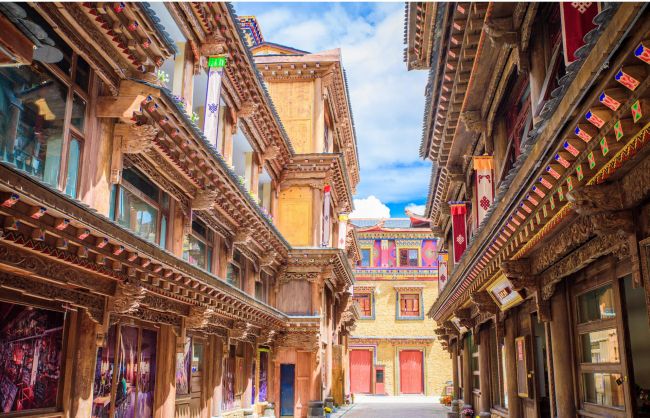
Dukezong Ancient Town is the Moonlight City in Shangri-La. It used to be an important hub on the Ancient Tea Horse Road, which has witnessed the horse caravan trade and cultural exchange for thousands of years. It is also the residence of the Tibetan people. In the ancient town, on both sides of the road are the well-preserved Tibetan-style buildings, prayer halls, and pagodas.
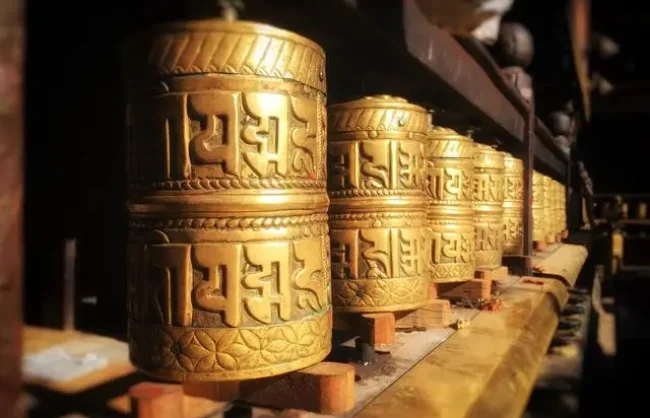
The most famous landmark here is the world’s largest prayer wheel located on Guishan Hill, the highest point of the town. It is 21 meters high and weighs 60 tons. Its body is made of pure copper and gilded and is embossed with Buddhist figures. Turning it clockwise three times has the meaning of praying for blessings. Climbing to the top, you can also overlook the whole ancient town and look at the continuous snow mountains afar.
Location |
Kangzhu Avenue, in the northwest of Shangri-La City |
Opening Hours |
All day |
Admission Fee |
Free |
Best Time to Visit |
May to November |
Recommended Time for Sightseeing |
Half a day |
What to Do in Dukezong Ancient Town?
- Stroll on the stone-paved streets and admire the Tibetan buildings on both sides.
- Turn the world’s largest prayer wheel clockwise three times to pray for blessings.
- Join the locals for the Guozhuang dance at Moonlight Square, roughly 19:30–21:00.
- Climb to the top of Guishan Hill and overlook the whole Dukezong Ancient Town.
- Experience painting Thangka in a workshop.
A 4-day all-inclusive Shangri-La private tour exploring Songzanlin Monastery, Dukezong Ancient Town, Pudacuo National Park, and hands-on Naxi pottery making experience.
4. Hike the Meili Snow Mountain
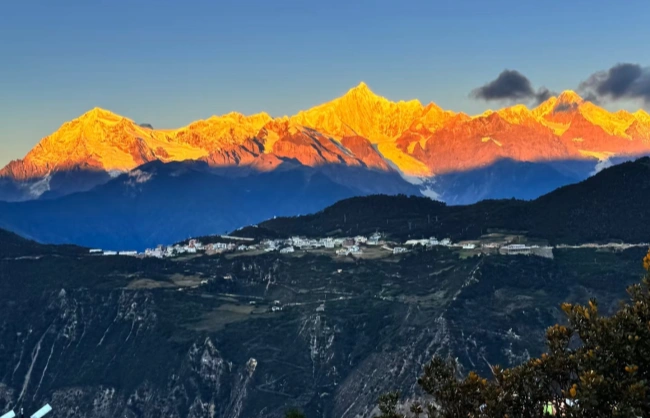
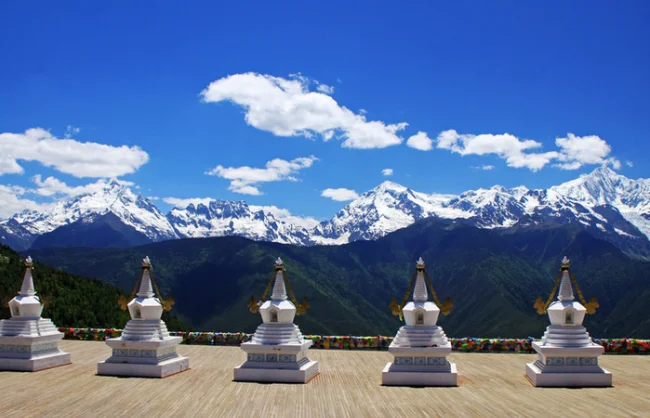
Meili Snow Mountain is a sacred mountain range for Tibetan people, consisting of 13 peaks over 6,000 meters. The highest Kawagarbo peak is 6,740 meters and remains unconquered.
What makes it attractive is the breathtaking natural spectacle of “Golden Sunrise on Snow Mountains” (日照金山) – the sunrise that turns the peaks from dark to brilliant gold. Visitors can also encounter the rare low-latitude modern glaciers. The most famous should be the Mingyong Glacier, which stretches from 5,500 m down to 2,600 m, just like a silver dragon.
Location |
Deqin County, Shangri-La City |
Opening Hours |
08:00-16:00 |
Admission Fee |
Feilai Temple + Wunongding Viewing Platform: CNY 150/USD 21, Mingyong Glacier: CNY 150/USD 21 |
Best Time to Visit |
November to the next April |
Recommended Time for Sightseeing |
1 – 3 days |
What to Do in Meili Snow Mountain?
- Wait for the wonder of “Golden Sunlight on the Snow Mountain” in Feilai Temple or Wunongding Viewing Platforms.
- Capture the breathtaking starry sky at Wunongding Viewing Platform, an ideal place for stargazing with minimal light pollution.
- Hike to approach the Mingyong Glacier and observe it closely.
Tips:
- Regarding the best spot to view the spectacle of “Golden Sunrise on Snow Mountains”, Feilai Temple is a well-developed area with many hotels and a frontal view of Kawagebo Peak. Wunongding Viewing Platform offers a slightly side-angle view but there are fewer people, and you can capture prayer flags and the local village as the foreground. Just choose based on your preference.
- Sunrise is about 08:00 in winter and 06:30 in summer. The breathtaking golden view of the snow mountains usually just lasts for 10 -20 minutes, so remember to arrive at the viewing sites earlier.
5. Trek the Incredible Tiger Leaping Gorge
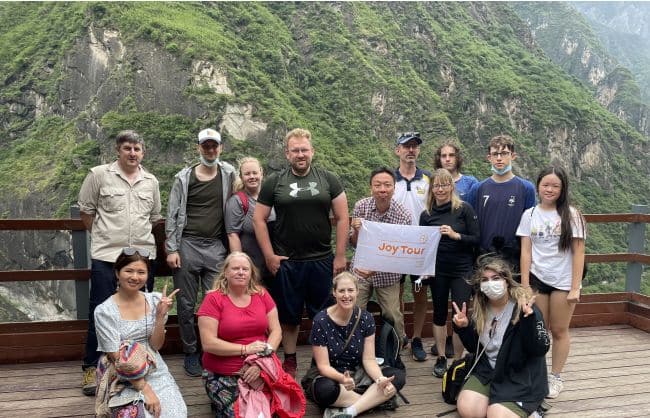
As one of the world’s deepest valleys, Tiger Leaping Gorge is famous for its majestic, strange, perilous, and precipitous scenery. Located between Jade Dragon Snow Mountain and Haba Snow Mountain, the Jinsha River runs through the valley, creating the spectacular scenery here. It is composed of upper, middle and lower sections.
The upper section is equipped with complete facilities and is the major official sightseeing area. Here, you will also witness the famous Tiger Leaping Stone located in the middle of the Jinsha River. The middle part is the section with the most rapid water flow and the greatest drop in the gorge. The lower section offers a broader view, where you can have a distant view of the two snow mountains.
Location |
Tiger Leaping Gorge Town, Shangri-La City |
Opening Hours |
08:30–17:30 (last entry: 16:30) for Upper Tiger Leaping Gorge |
Admission Fee |
CNY 45/USD 6 for Upper Tiger Leaping Gorge |
Best Time to Visit |
April to June and September to October |
Recommended Time for Sightseeing |
2 – 3 hours for a quick visit, 1 – 2 days for hiking |
What to Do in the Tiger Leaping Gorge?
- Wander on the plank road to feel the grandeur of the Jinsha River up close.
- Challenge one of the world’s top ten classic hiking trails between the Upper and Middle Tiger Leaping Gorge.
Tips:
- To reach the Tiger Leaping Stoneviewpoint, tourists need to go down steep steps to the viewing platform near the river surface. The elderly and children are advised to take the sightseeing elevator, which costs CNY 115/USD 16.
- There is no official ticket for Middle and Lower Tiger Leaping Gorge, but local villagers may charge a small maintenance fee of CNY 15 – 20 /USD 2 – 3 at certain sites.

Trek through Yubeng Village's remote alpine valleys beneath sacred Meili Snow Mountain, exploring Glacier Lake, Sacred Waterfall, and unspoiled forests in one of Yunnan's finest hiking experiences.
6. Enjoy the Tranquility of Napa Lake Grassland
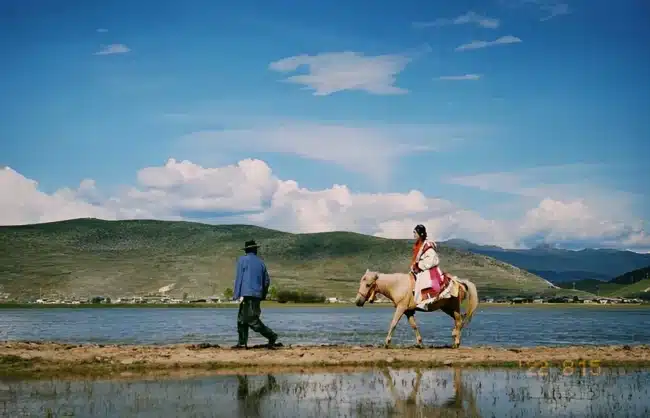
Napa Lake Grassland is a very unique natural attraction in Shangri-La. In brief, it is a seasonal lake. In summer and autumn, the abundant rainfall results in the water of over 10 rivers flowing into here, forming a vast alpine lake, that is Napa Lake. But in the dry season in winter and spring, the water is discharged through the natural hole. At this time, the meadow at the bottom of the water is exposed, forming the Yila Grassland.
Besides, it is a paradise to watch birds. Every year from September to March, thousands of black-necked cranes fly here to pass the winter. Meanwhile, it is also a habitat for many other migratory birds.
Location |
8km from Northwestern Shangri-la City |
Opening Hours |
08:30-18:00 |
Admission Fee |
free |
Best Time to Visit |
Summer and autumn |
Recommended Time for Sightseeing |
Half a day |
What to Do at Napa Lake Grassland?
- Cycle or drive around the lake to enjoy a peaceful time and appreciate the scenery.
- Ride a horse on the grassland under the lead of a Tibetan guide.
- Watch the numerous rare birds flying and playing around the grassland in winter.
Tips: If you enter the Yila Grassland ranch, an additional fee of CNY 20 – 40/USD 3 – 6 may be charged. The cost for horse riding varies from CNY 70 – 270/USD 10 – 38 based on the different durations.
7. Challenge Yourself on Haba Snow Mountain
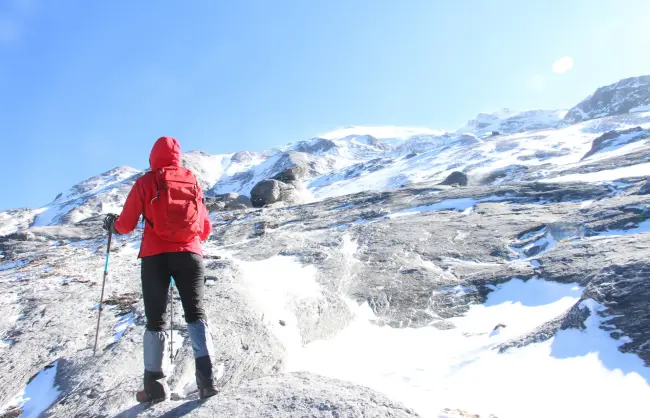
The Haba Snow Mountain is a natural secret land in the northwest of Yunnan Province. It boasts splendid snow peaks, glaciers and abundant landscapes. Its main peak is 5,396 meters and the mountain foot is only 1,550 meters. This high altitude difference creates four seasons in this one mountain.
In the area at an altitude of 4,700 meters, the ancient glacial relics are scattered all over. And there are multiple vegetation belts along the mountain. The most amazing is the sea of alpine azalea. Nearly 200 species of azalea bloom from the mountain foot to the top. From April to June every year, the blooming azalea and the unmelted ice and snow complement each other beautifully.
Location |
About 120km southeast of Shangri-La City |
Opening Hours |
All day |
Admission Fee |
Free for Haba Village, CNY 210/USD 29 for hiking and climbing the mountain (entrance ticket CNY 30/USD 4 + environmental fee CNY 180/USD 25) |
Best Time to Visit |
Spring and autumn |
Recommended Time for Sightseeing |
2 – 4 days |
What to Do in Haba Snow Mountain?
- Haba Snow Mountain is often renowned as “the first snow-capped mountain in life”, making it a popular challenge for hiking enthusiasts.
- Hike around Haba Village to appreciate the primitive forest, alpine meadow and seas of azalea or explore the moraine lake, such as the Black Sea. This option is more relaxing and suitable for most travelers.
Tips: Since 2024, all groups must register at the Habacun committee and hire a local licensed guide if planning to enter the mountain for hiking.
8. Adventure into the Heart of Balagezong Grand Canyon
The most striking scenery of Balagezong Grand Canyon is its extraordinary natural landform. Its total length is over 80 kilometers and the altitude difference is over 3,000 meters. So the vertical climate changes significantly.
Shangri-La Grand Canyon is the essence here, which is famous for its towering height, profound depth, and perilous terrain. The narrowest place is only about 10 meters and the cliffs are as steep as if cut by an axe.
Also, its profound culture and history are attractive. Bala Village is an ancient Tibetan village with a history of over 1,300 years. It is situated on the mountainside at an altitude of 2,900 meters. The traditional Tibetan earthen wall watchtower architecture is preserved well and is renowned as a living fossil of ancient Kangba Culture.
Location |
Nixi Town, in the northwest of Shangri-La City |
Opening Hours |
08:00/08:30 – 16:30 |
Admission Fee |
CNY 165/USD 23 (entrance ticket + mandatory shuttle bus) |
Best Time to Visit |
May – October |
Recommended Time for Sightseeing |
4 – 6 hours |
What to Do at Balagezong Grand Canyon
- Walk along the plank road built on cliffs, explore Guanyin Gallery Temple and Echo Wall or experience canyon rafting (from May to October) in Shangri-La Grand Canyon.
- Feel the strong Tibetan cultural and historic atmosphere in the ancient Bala Village.
Tips:
- The altitude in the main sightseeing area of the canyon varies from 2,000 to 2,900 meters, which is lower than the downtown area, so most tourists only experience minimal altitude discomfort.
- Heavy rainfall between July and August may cause slippery roads and potential rockfall on gorge trails, so the scenic area may be closed temporarily.


A 10-day classic Yunnan tour covering Kunming, Dali, Lijiang, Shangri-La and the surreal red-brick architecture of Dongfengyun in Mile.
9. Marvel at the Beauty of Baishuitai (White Water Terraces)
Though being an off-the-beaten-path attraction in Shangri-La, Baishuitai is reputed as “The Fields Left by the Immortals”, it is not hard to imagine how beautiful it is. The white travertine landform is arranged as a terrace naturally, looking like giant lotus petals scattered on the land. Quanhua Terrace and Quanhua Waterfall are the main landscapes. The large Quanhua Terrace spans from top to bottom.
Under sunlight, the water reflects a dreamy color of blue, green and white, just like a color palette. When the water flows out of the terrace, calcium carbonate continues to precipitate, forming a solidified waterfall, that is Quanhua Waterfall. Besides, it is also the birthplace of the Dongba Culture of the Naxi ethnic group. It nurtures the Dongba characters and the Dongba scripture.
Location |
Baidi Village, Sanba Town, Shangri-la City |
Opening Hours |
07:00 – 17:00 (last entry: 16:30) |
Admission Fee |
CNY 30 |
Best Time to Visit |
May – October |
Recommended Time for Sightseeing |
3 – 4 hours |
What to Do at Baishuitai
- Ride a horse from the parking lot to the middle section of the uphill plank road and then stroll along the boardwalk to the upper terrace, meanwhile immersing yourself in the scenery.
- Try to make Dongba paper and write Dongba characters in a family in the nearby villages.
Tips: For best lighting, visit there in the morning, as the terraces go flat-white in backlight after 14:00.
10. Nixi Pottery Village
This village is a special village that is famous for its thousand-year-old black pottery craftsmanship. Its history can be dated back to 2,000 years. The entire making process of the black pottery uses traditional manual techniques. The final product is black as lacquer, bright as a mirror and hard as porcelain.
In 2008, it was listed in the national intangible cultural heritage. Now you can find various practical vessels and exquisite artworks made of black pottery, such as tanks, pots, vases, ornaments, tea sets, etc.
Location |
Tangdui Village, Nixi Town, Shangri-la City |
Opening Hours |
Village 24h; workshops usually 10:00–12:00 & 14:00–18:00 with a 2-hour lunch break |
Admission Fee |
Free |
Best Time to Visit |
All year |
Recommended Time for Sightseeing |
2 – 4 hours |
What to Do in Nixi Pottery Village
- Witness how an ordinary piece of clay turns into exquisite black pottery by the inheritor.
- Try to make a simple item with the pottery in a workshop.
- Taste the Nixi Chicken, which is simmered slowly in a black pottery pot.
Tips:
- The most recommended workshop is Sonam Rinzin’s (Sunnuo Qilin) Black Pottery Workshop, whose founder, Sonam Rinzin, is a national-level representative inheritor of Nixi Pottery.
- Workshop experiences cost around CNY 80–150/USD 11–21 for a two-hour session. You can learn to make small items like a small cup or bowl. As the fresh piece needs about 1 week for drying and firing, most travelers prefer to buy a finished piece and then try making a simple work by themselves.

11. Enjoy an Epic Trek to Yubeng Village and Holy Waterfall
Yubeng Village is a Tibetan village hidden in the Meili Snow Mountain. Surrounded by mountains, it preserves a pristine natural environment and traditional Tibetan culture. The wind horse flags and Mani stones show the strong cultural atmosphere.
To explore the village, you can hike directly from Ninong or take an official off-road vehicle from Xidang. The two main hiking routes include the Holy Waterfall route and the Ice Lake route. The former route is relatively flat and is the choice of most travelers. And the latter one is more challenging. For hiking lovers, Yubeng Village is a heavenly place and a must-visit attraction in their Shangri-La travel.
Location |
Yunling Town, Deqing County |
Opening Hours |
From Xidang: 08:00 – 17:00; from Ninong: All Day |
Admission Fee |
CNY 55 |
Best Time to Visit |
April to October |
Recommended Time for Sightseeing |
About 3 days |
What to Do in Yubeng Village
- Hike to explore the natural wonders: Holy Waterfall and Ice Lake.
- Learn to make Tibetan incense and write Tibetan calligraphy in a workshop.
Tips:
- The official off-road vehicle costs about CNY 200/USD 28.
- The fee for a Tibetan incense-making or Tibetan calligraphy experience is about CNY 100 – 150/USD 14 – 21/ 2h.

Trek through Shangri-La's hidden Yubeng Village, witness golden sunrise on Meili Snow Mountain, hike to Ice Lake, and pray at the Sacred Waterfall.
12. Witness the Spectacular U-shaped Great Bend of the Jinsha River
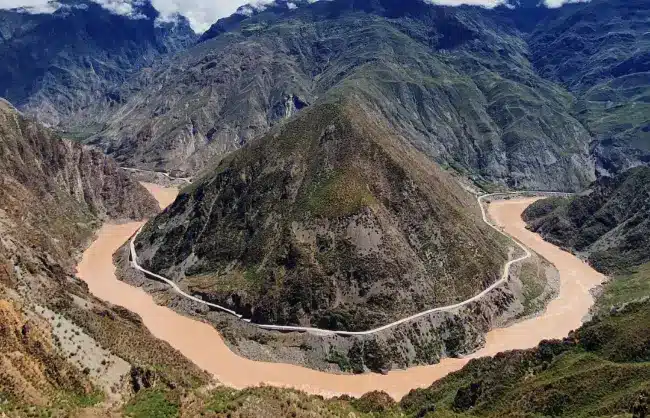
This unforgettable U-shaped Great Bend is a masterpiece of nature. When the Jinsha River flows through here, it is blocked by a pyramid-shaped Rizui Peak. So the river has to slow down and gracefully draw a nearly perfect U-shaped arc around the mountain. It is described as the wonder of “three cliffs enclosing two rivers”, the visual effect is very stunning.
Location |
Benzilan Town, Deqin County |
Opening Hours |
08:00 – 17:30/18:00 |
Admission Fee |
Yunnan-side platform: CNY 30/USD 4; Sichuan-side platform: free |
Best Time to Visit |
Spring and Autumn |
Recommended Time for Sightseeing |
30–45 min (transit stop, not a destination) |
What to Do in the Great Bend of the Jinsha River
- Board the viewing platform to overlook and take photos of the whole bend.
- Have a rest and savor a cup of coffee in the cafe, meanwhile appreciating the scenery.
Tips: July-August is the rainy season, when the river turns yellow due to heavy silt from the upstream. It better serves as a short stop rather than a main attraction.
13. Engage in Local Tibetan Festivals
Besides the attractions in Shangri-La, the unique Tibetan festivals are also important keys to experiencing the charm of local culture. Below are the three most important festivals in Shangri-La.
Festivals |
Date |
Where |
Highlights |
Tibetan New Year |
Lunar Calendar: Jan. 1
Solar Calendar: Feb. – Mar. |
Dukezong Ancient Town |
Make Gutu New Year’s Eve dinner
Every family will strive to fetch the first bucket of water of the new year Light butter lamps and incense and burn the pine and cypress branches Perform Guozhuang Dance |
Gedong Festival |
Lunar Calendar: Nov. 29
Solar Calendar: Dec. – Jan. |
Songzanlin Monastery |
The lamas will wear masks which symbolize various deities and guardians, dress in splendid costumes, and perform the “Dance of the Gods” to the solemn and mysterious sounds of horns and drums |
Horse Racing Festival |
Lunar Calendar: May 5
Solar Calendar: mid-to-late Jun. |
Wufengshan Grassland |
Hold exciting equestrian competitions and other interesting activities, such as yak racing
Set up tents on the site to have picnics and welcome guests Hold a grand bonfire party at night |
More Tips on Traveling to Shangri-La
- Best time to visit: With pleasant weather and most vibrant landscapes, spring and autumn are the recognized golden seasons for most attractions. If you target the spectacular scene of “Golden Sunrise on Snow Mountains”, plan your tour during November – March.
- How to get there: Without direct international flights, most travelers prefer to fly to Kunming/Chengdu first and then connect to an onward flight to Shangri-La. Another major option is the high-speed train. Shangri-La Station now operates direct trains to other popular tourist cities in Yunnan, such as Kunming, Lijiang and Dali.
- Packing list: Considering the strong violet rays and large temperature difference, a winter jacket or a thin down coat is necessary, no matter which season you go there. And the high-SPF sunscreen (SPF50+), sunglasses, sun hats, moisturizing skin care products and lip balm will also protect you from the dry weather in Shangri-La. The most important item is the anti-altitude sickness drug.
- Transportation in the City: To the scenic spots in the downtown area, such as Songzanlin Monastery, a taxi or online-hailing car is the most convenient. For a tour to a farther scenic area such as Pudacuo National Park, a chartered bus and the tourist bus are better.
- Acclimate to the Altitude: On the first day after arrival, do not run or jump, just walk slowly. And do not take a shower. The only thing you need to do is sleep well. On other days, drink more warm water, eat several small meals in one day, and do not drink alcohol.
- Local Etiquette and Customs: Before entering the halls of a temple, remember to take off your hat and do not point to the Buddhas. Taking photos of the ritual implements and scriptures is strictly prohibited. When turning the prayer wheel, circling the mani pile and the stupa, a clockwise direction must be followed. As for daily behaviors, do not touch the head of any kid and do not step on the threshold during the family visits.
How to Plan a Shangri-La Tour
Generally speaking, 3 – 5 days is the choice for most first-timers to Shangri-La. This period of time is enough for a classic loop tour. If you prefer nature and hiking, leave another 3 days to explore the Meili Snow Mountain, hike in the Yubeng Village or Tiger Leaping Gorge or tour the Balagezong Grand Canyon. For tourists who do not know how to plan a trip to Shangri-La, a brief itinerary of the classic tour is listed below for your reference.
- Day 1: Shangri-La Arrival – Duzekong Ancient Town
- Day 2: Songzanlin Monastery – Napahai Lake
- Day 3: Pudacuo National Park
- Day 4: Tiger Leaping Gorge
- Day5: Return
Recommended tour: 5 Days Shangri-La Tour with Meili Snow Mountain
Travel Shangri-La with China Xian Tour
After reading this guide, you must can not wait to start a tour in Shangri-La. But you may still not be clear about how to plan it. Don’t worry, China Xian Tour can help you. We are experienced in tailoring a trip based on tourists’ needs and can assign a guide and a driver for you. If needed, we can also introduce the major scenic spots and experiences to you briefly, so that you can choose the one you prefer quickly. Then we will customize the trip according to your choices. Just contact us right now.
FAQs about Things to Do in Shangri-La
Is Shangri-La worth visiting?
Of course. It gathers the essence of plateau landscapes in the northwest of Yunnan Province, offering you an extremely strong visual impact. And you can feel the strong cultural atmosphere of Tibetan Buddhism and try various outdoor activities here.
What is Shangri-La Yunnan best known for?
Shangri-La is best known for the scene of Morning Sunlight on Meili Snow Mountain, the little Potala Palace Songzanlin Monastery and the hiking paradise Yubeng Village.


