







It is possible for foreigners to have a self-driving tour in China, however, realizing this expectation requires more than just enthusiasm and a valid driver’s license from your home country. The most critical thing is that China has its own traffic laws, licensing requirements, and driving culture, which can be quite different from what you are used to.
This guide covers everything you need to know about driving in China—from license requirements and road rules to car rental tips, road conditions, and practical advice. Just a few minutes of reading and you’ll find yourself be prepared for China driving tour.
Content Preview
- Is It Possible to Drive in China as a Foreigner?
- China Driving License Requirements
- What Side of the Road Does China Drive On?
- Rules and Regulations for Driving in China
- Renting a Car or Hiring a Driver in China
- Driving Experience and Road Conditions in China
- Challenges and Cultural Differences
- Survival Tips for Driving in China
- FAQs about Driving in China
- Alternatives to Driving
Is It Possible to Drive in China as a Foreigner?
Yes, it’s possible, but only if they meet local licensing requirements. This means that foreigners will have to obtain either a valid Chinese driver’s license or a temporary driving permit before getting into the driver’s seat. Be mindful that according to China’s traffic safety law, your home country driver’s license or even an International Driving Permit (IDP) is not enough on its own.
China Driving License Requirements
Your Foreign Driver’s License Isn’t Enough
Many travelers assume they can simply use their overseas license or IDP to start a driving tour in China. However, the fact is, these documents are far from enough.
If you just want a short-term visit, applying for a temporary license is the most convenient option, and it can be easily done. However, for longer stays, such as people who’re going to live or work in China, you’ll need to go through the process and tests of obtaining a full Chinese driver’s license.
Both options involve paperwork and, in some cases, translation and certification steps, so planning ahead is essential. The valid China driver’s license/permit for foreigners must be issued by a local vehicle management bureau under the Public Security Bureau (PSB) in China.
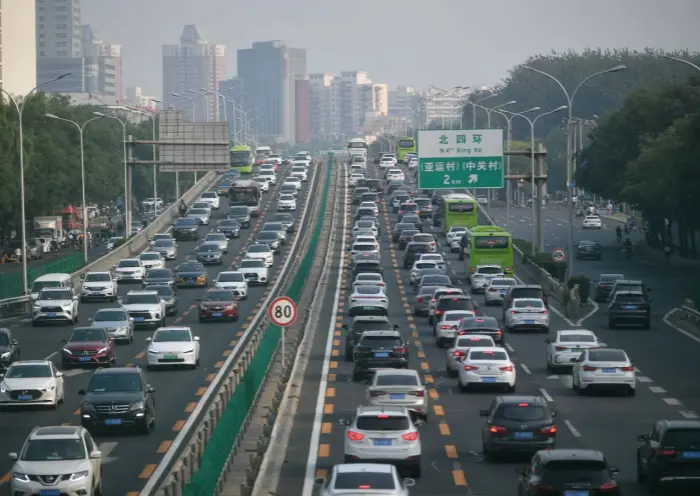
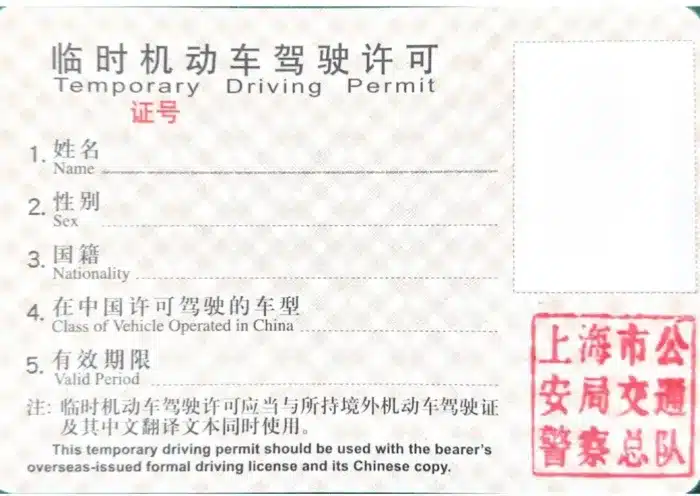
How to Get a Chinese Driver’s License – 2 Options
1. Temporary Driving License
If you are just having a short visit to China, the temporary driving permit is your best option.
- Valid for up to 3 months (however, cannot be extended beyond this period).
- Can only be used for local rental cars (not private or imported vehiclesfrom any place outside China).
- No written or road tests required — just need your valid
Required Documents for a Temporary Driving License:
- Passport and valid Chinese visa (original and photocopy)
- Foreign driver’s license (plus a notarized Chinese translation ifnot in Chinese)
- Proofthat can show you’ve met China’s age and health requirements for driving
- Two recent 1-inch color photos (white background, half-body, no hat)
- If visiting for organized tourism, sports events, or official exchanges: proof from the relevant Chinese authority
Where to Apply:
- Local vehicle management bureau (车管所) in the city where your temporary residence is registered
- Some airports, such as Beijing Capital International Airport (T3), have DMV counters for same-day issuance. There, you can also get your health check and ID photos on site.
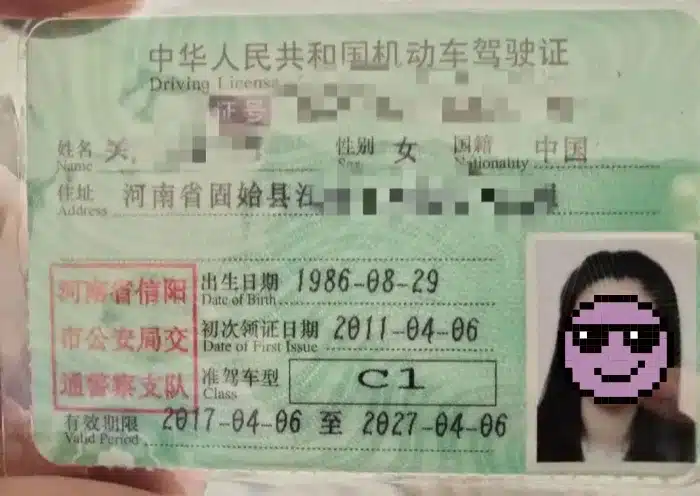
2. Full Chinese Driver’s License
If you plan to live in China for a long term, you’ll need to convert your foreign license into a full Chinese one.
- All applicants have to passa written test on Chinese traffic laws (科目一), and some cities may require a driving test.
- Some vehicle categories (e.g., large buses, trucks) also require a road test (科目三).
- Test can be available in multiple languages depending on which city you’re in (e.g., Beijing offers 8 languages including English, French, Japanese, and Russian).
Required Documents for a Full License:
- Passport and valid visa/residence permit (often 90+ days validity required)
- Foreign driver’s license (plus a notarized Chinese translation)
- Health certificate from a county-level or higher medical institution(a complete health check-up needs to be done)
- One-inch white background ID photos (recent)
- Completed application form in Chinese
Other Required Documents for Driving in China
Whether applying for a temporary or full driving licence China, you should prepare:
- Both original and copy of your passport & visa/residence permit
- Foreign driver’s license and official Chinese translation
- ID photos meeting Chinese specifications(Recent 1-inch color photos (white background, half-body, no hat)
- Proof of temporary residence or registration in China
- Any event participation certificates if your visit involves organized activities
What Side of the Road Does China Drive On?
Does China Drive on the Left or Right?
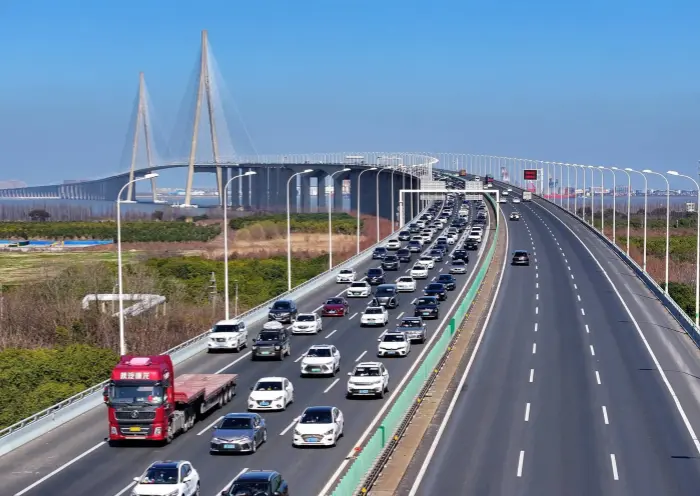
China drives on the right-hand side of the road, just like the United States, Canada, and most of mainland Europe. Accordingly, you’ll see the driver’s seat be on the left side of the vehicle, and traffic also flows to the right.
However, Hong Kong and Macau are exceptions, both areas follow the British system and drive on the left-hand side, with the driver’s seat on the right side of the vehicle. This means if you plan to cross between these regions and the mainland of China, you’ll need to adjust to the different driving orientation again.
Understanding the Right-Hand Traffic System
For foreign drivers—especially those from countries such as the UK, Australia, Japan, or Thailand where driving is on the left—this can cost you some time to make an adjustment. In China’s right-hand traffic system:
- Overtaking is typically done on the left side of the vehicle in the same lane direction.
- Roundaboutswill circulate counterclockwise, with vehicles inside the circle having the right-hand side of the way unless there’s other instruction.
- Turning right on red is often allowed after a complete stop (unless prohibited by signage), however,this can vary by city.
- Pedestrian crossings are strictly enforced in mostcities—drivers are expected to first yield to pedestrians when turning.
If you are used to driving on the left, remember that intersections, lane changes, and highway merges will feel “reversed” compared to your home country. Many short-term visitors would need to opt for extra caution—slower speeds, avoiding night driving, and practicing in less congested areas—before driving in busy urban centers like Beijing or Shanghai.
Rules and Regulations for Driving in China
Key Driving Rules You Should Know
If you plan to have a driving tour in China, it’s important to understand that Chinese traffic laws can be really strict, and penalties on traffic offence are heavily enforced through a combination of police patrols and traffic cameras.
Basic rules:
- Speed limits: Generally a limit of 30–40 km/h for driving in residential areas, 60–80 km/h on urban main roads, and 100–120 km/h on expressways (always check posted signs on the side of the road).
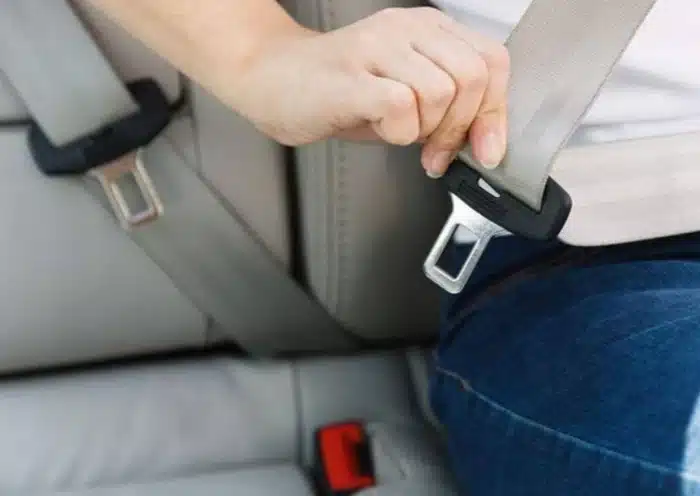
- Seat belts: The driver and all passengers will need to have their seat belts fastened, no matter which seat (front or back) they are in.
- Traffic lights: Red means stop, green means go, yellow means prepare to stop – “beating the yellow” is not
- Drink-driving limits:
Blood alcohol content (BAC) of 0.02%–0.08% is considered drink driving (fine + driving license suspension).
BAC over 0.08% is drunk driving—a criminal offense that can lead to more serious results like license revocation, fines, detention, and even imprisonment.
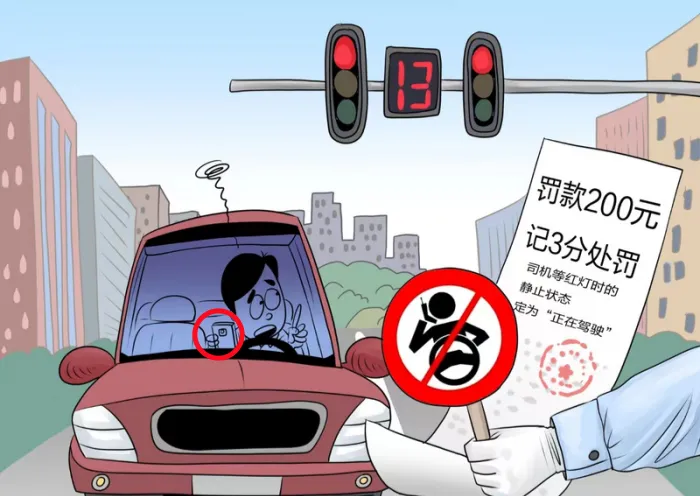
- Mobile phone use: No handheld phone calls or texting while driving; hands-free devices are allowed.
- Right turn on red: Allowed in many places after a full stop unless a “No Right Turn on Red” sign is posted. Check local regulations and pay attention to traffic light indications.
Differences that foreign drivers often notice:
- Horn use is relatively more frequent, especially when there’s need toalert other drivers of your presence.
- Lane discipline can be rather loose—motorcycles, bicycles, and even pedestrians may share space unexpectedly, be careful.
- Traffic cameras are everywhere, and fines are often issued automatically for speeding or illegal lane changes.
Common Road Signs and Symbols
While many road signs in China follow international conventions as other places, text is often written in Chinese (English translation will also be available in most places). Common examples include:
- 限速 (Speed Limit) – circular sign with red border, number in km/h.
- 禁止鸣笛 (No Honking) – horn symbol crossed out.
- 让 (Yield) – inverted triangle with red border.
- 停车让行 (Stop & Give Way) – octagon with Chinese characters.
- Highway/Expressway markers – green background, white text, “G” + number (national) or “S” + number (provincial).
Familiarizing yourself with Chinese-language traffic signs before actually start your driving tour is strongly recommended, especially if you want to explore rural areas where English signage may be minimal.
Driving Age in China
The legal minimum driving age in China is:
- 18 years old for cars (Category C license)
- 21 years old for buses (Category A1 license)
- 24 years old for large trucks (Category A2 license)
This regulation means that even if you are a licensed driver in your home country at a younger age, you must meet these minimums to obtain a driving licence in China or a China temporary driving license.
Renting a Car or Hiring a Driver in China
Should You Rent a Car or Hire a Driver?
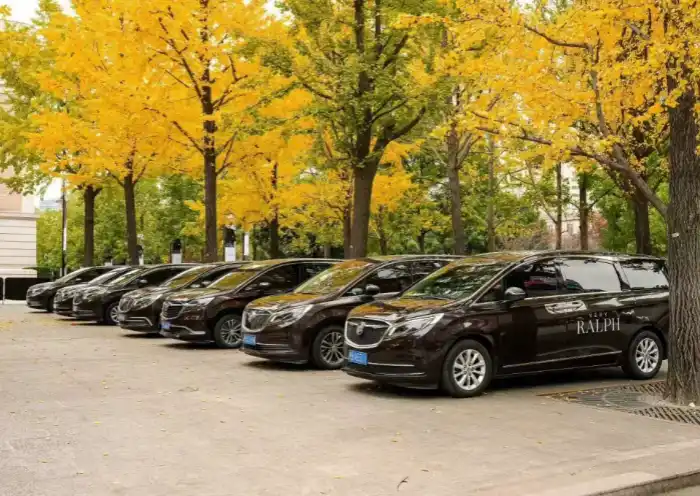
For short-term travelers who do not want to apply for a license, hiring a driver would be a great way to make the journey less stressful. Local drivers are familiar with the roads, traffic habits, and toll systems, and can also help with communication. This option is especially popular on multi-day China tours.
However, having said that, for many first-time visitors from abroad, driving in China would probably offer more flexibility than most or even all transportation, especially if you want to explore some remote destinations such as Xinjiang, the Silk Road, or western Sichuan. However, it also comes with a bunch of challenges.
Pros of renting a car:
- Feel free to plan your own route and schedule.
- Easier access to rural attractions that are not well served by public transport.
- Opportunity to experience local road culture firsthand.
Cons of renting a car:
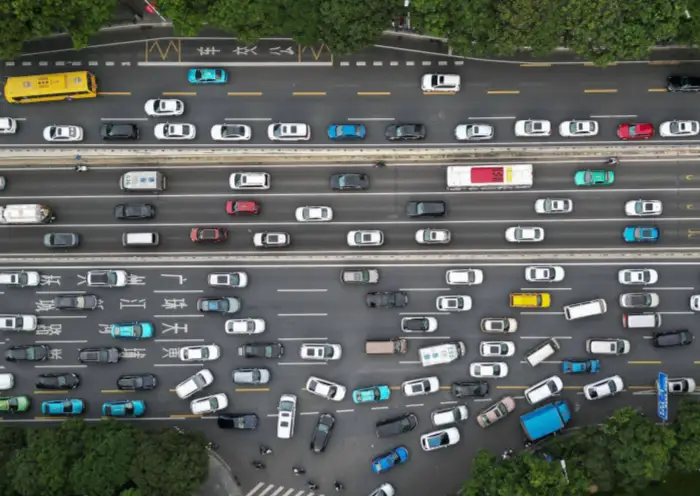
- Urban traffic in cities like Beijing, Guangzhou, and Shanghai is often heavy and unpredictable.
- Language barrier can be a major issue, although road signs in major cities will be shown in both Chinese and English, it may not be the same case in smaller towns, and GPS instructions are usually in Chinese.
- Parking can be limited and expensive in some busy districts in cities like Shanghai.
- Requires a valid China driver’s license for foreigners or a China temporary driving license.
Related Reading: Top 5 Self-driving Routes in China (II)-Western Sichuan Circuit
How to Rent a Car in China as a Foreigner
For foreigners who want to rent cars, both international companies (Hertz, Avis) and local providers (eHi, Shouqi) can be suitable.
Requirements for foreigners:
- Valid Chinese driver’s license (full or temporary).
- Your passport and valid Chinese visa/residence permit.
- Deposit (usually, it’ll be paid by Alipay/WeChat Pay while some shops also accept credit card).
Things to look out for:
- Check whether the rental includes unlimited mileage or a per-kilometer charge.
- Inspect the vehicle carefully to check if there’s any existing damage and ensure it comes with the mandatory safety equipment (warning triangle, fire extinguisher).
- Ask about toll payment methods- many cars are equipped with ETC (Electronic Toll Collection) tags which are linked to the rental company’s account.
- Verify insurance coverage; compulsory third-party liability is always required, but extra coverage for damage or theft is also
Related Reading: Rent a car and go anywhere in China you want!
Cost of Driving in China
Driving costs can vary greatly depending on where you’re going and also the trip length. On average:
- Car rental rates: From 200–500 RMB per day for standard cars; luxury SUVs can be up to 800 RMB/day.
- Fuel: Around 8–9 RMB per liter (for reference only, as the price could change in every minute).
- Tolls: Expressway tolls are common; and the charging rates ranges from 0.4–0.6 RMB per km, depending on which province you’re in.
- Parking: City parking fees are typically 5–10 RMB/hour in commercial areas; hotel parking may be free or discounted.
- Insurance: Basic coverage is usually included; full coverage adds 50–100 RMB/day.
Driving Experience and Road Conditions in China
Is Driving in China Difficult for Foreigners?
For many visitors, driving in China is both exciting and challenging. The main hurdles are:
- Navigation challenges– Although major cities will have clear road signage in both Chinese and English, it is common for smaller towns and rural areas to only use Chinese characters. This barrier makes GPS apps incredibly important.
Gaode Map (Amap) and Baidu Maps are the most popular apps in China, but they are primarily designed for Chinese-speaking users; Google Maps works for general reference but is less reliable for real-time navigation. As a result, some travelers will use bilingual navigation apps or hire a translator/guide for remote trips.
- Local driving style– Chinese drivers can be more assertive than in some Western countries, often merging quickly and honking to signal their presence. Lane discipline can be flexible, especially in congested urban areas. Foreign drivers should remain alert and defensive to make it through these challenging cases.
- Traffic patterns– Peak hours in big cities (7–9 a.m. and 5–7 p.m.) can result in long delays. In tourist regions during public holidays like Golden Week or Chinese New Year, congestion can even extend to highways, and it would take hours for waiting.
Urban vs. Rural Roads
China’s road infrastructure varies significantly between metropolitan hubs and remote countryside:
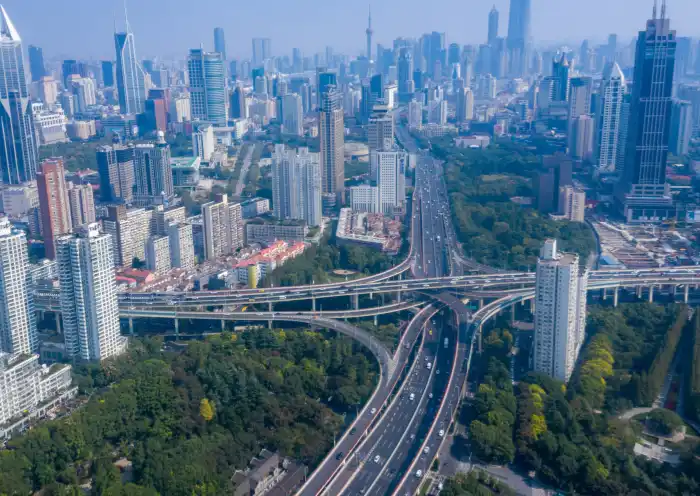
- Urban roads– Major cities like Beijing, Shanghai, and Guangzhou have highly-developed infrastructure like wide, multi-lane roads, extensive expressway networks, and clearly marked lanes. However, it still needs extensive and constant attention to drive on these lanes as heavy traffic, frequent construction, and a high number of e-bikes and scooters will appear in any minute.
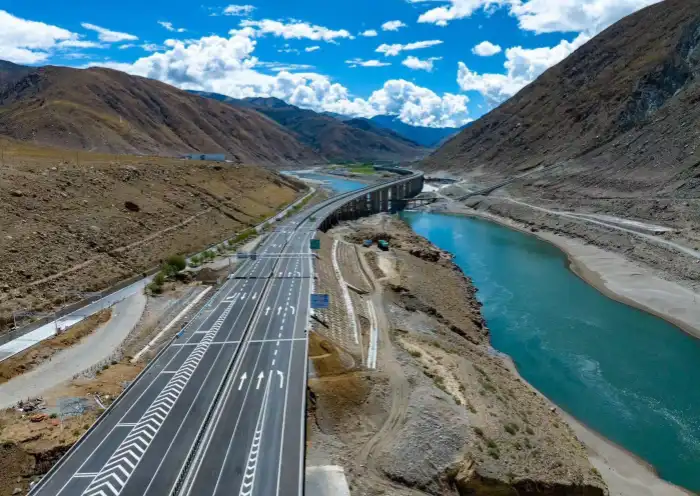
- Rural and remote roads – In provinces such as Tibet, Qinghai, and Xinjiang, due to their terrains, road quality can range from modern highways to unpaved mountain tracks. Weather is also a major factor which can affect you driving experience —snow, sandstorms, and heavy rain may make certain routes impassable.
- Expressways– China’s national expressway system is extensive and generally in excellent condition, with service areas achievable every 50–100 km. These small areas offer fuel, parking, restrooms, convenient stores, some would also have restaurants and souvenir shops.
- Scenic routes – Self-driving along the Silk Road or in western Sichuan offers spectacular landscapes, but weather and road conditions can change quickly, and fuel stations may also be rather sparse outside towns. So everything needs to be fully prepared before the journey starts.
Challenges and Cultural Differences
Driving in China can give you a rewarding and unique travel experience, but it’s important to understand the differences in road culture.
- Different driving habits
You may be surprised that some local drivers like to honk to alert others of their presence, merge aggressively, or make quick lane changes. Pedestrians and cyclists sometimes will also cross roads outside of marked crossings, and these cases are especially common in smaller cities. This can be rather surprising for visitors from countries with stricter pedestrian rules.
- Understanding unwritten rules
Beyond official regulations, there are also some “unspoken” norms that you should keep in mind, such as allow buses to merge and give way to large trucks. While these habits might seem unusual, adapting to them does help ensure you a smoother driving.
- Seasonal and environmental factors
Dust storms in northern China, heavy summer rains in the south and other extreme conditions can all affect driving conditions. Weather apps and local travel advisories are worth checking before any long trip.
- Enforcement and fines
If foreign drivers offend any traffic law, they will also be subjected to the same fines and penalties as locals, and unpaid fines can affect future travel or rental agreements. Speed cameras and red-light cameras are common, even in smaller towns, so always follow the signs and regulations.
Survival Tips for Driving in China
Be Aware of Traffic Culture
- Assertive driving style – A small part of local drivers tend to change lanes quickly and may not always use turn signals. So it’s necessary to always stay alert and keep a safe distance.
- Pedestrian and e-bike unpredictability– Expect scooters, bicycles, and pedestrians to cross unexpectedly, even at non-designated spots.
Emergency Contacts You Should Know
- Police: 110
- Traffic accidents: 122
- Ambulance:120
- Also, save your hotel’s phone number and address in Chinese for emergencies.
Essentials to Carry and Prepare
- Navigation software – Baidu Maps and Amap are apps which can give the most accurate information for real-time traffic in China. Google Maps is less reliable due to limited coverage.
- Mandatory documents – Chinese driver’s license or International Driving Permit (not all accepted, check in advance), vehicle registration, insurance papers, passport, and visa/residence permit.
- Vehicle kit – Spare tire, jack, reflective triangle, basic tools, flashlight, and first aid kit.
- Translation aid – A translation app or key phrases written in Chinese that may be useful for roadside assistance.
Cultural Dos and Don’ts on the Road
- Do slow down near schools, markets, and rural crossings.
- Don’t rely solely on green lights – check cross traffic on different sides before moving.
- Do allow buses and official vehicles priority when merging.
- Don’t expect strict lane discipline for all the time and all situations; adapt but stay cautious.
Avoid Peak-Hour Congestion
- Rush hours:7:00–9:00 am and 5:00–7:00 pm (in major cities like Beijing, Shanghai, Guangzhou and more)
- During national holidays such as Chinese New Year or Golden Week, highways and attraction areas can be extremely congested. Better avoid these periods to travel.
Weather Considerations for Road Safety
- Summer– Heavy rain can cause unexpected situations like waterlogged streets, especially in southern cities.
- Winter– Northern provinces would often encounter snow and icy road condition; tire chains may be needed.
- Fog and smog– Reduced visibility can be a serious hazard; if ever get in this kind of circumstance, drive slower and keep lights on.
Gas Stations and EV Charging
- Fuel –Gas stations are widely available in cities but can be sparse in remote areas. Nowadays, most these services are predominantly mobile-payment arranged (Alipay, WeChat Pay); cash is less common.
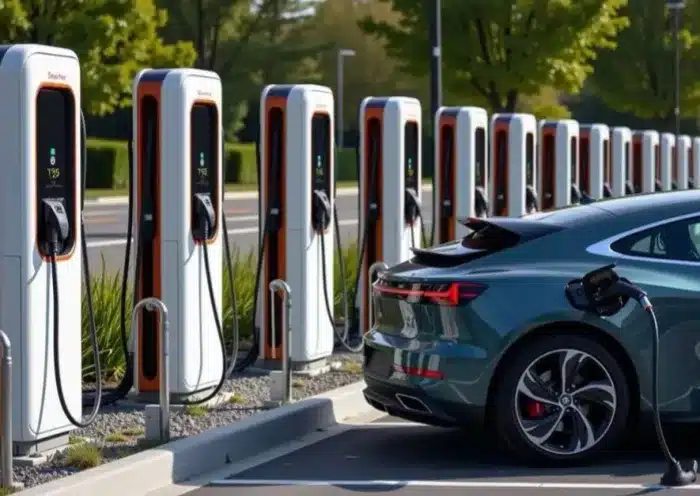
- EV charging –China has an extensive charging network, especially in big cities. Apps like State Grid EV and Teld are widely used to locate stations.
Toll Payment Methods
- Cash – Still accepted but slower with less number of lanes.
- ETC (Electronic Toll Collection)– It is installed on most vehicles for automatic payment.
- Mobile apps – Alipay and WeChat Pay often work at manned booths or through linked ETC accounts.

FAQs about Driving in China
Is Getting a Chinese Driver’s License Worth It?
If you plan to stay in China for more than a few weeks and want to add more flexibility in your journey by driving on your own, getting a Chinese driver’s license can definitely be worth the effort.
For short-term travelers, however, relying on taxis, ride-hailing apps like DiDi, or even hiring a local driver is often more practical. For long-term residents or frequent visitors, a local license does open the door for you to road trips in rural areas and scenic regions that are harder to reach by public transport.
Can You Drive to China from Another Country?
Yes—China shares land borders with 14 countries, so overland driving is possible, but it’s far from a casual road trip. In most cases, you’ll need a lot of preparation:
- A Chinese driver’s license (temporary or full)
- Chinese license plates (often arranged via a local tour agency for foreign vehicles)
- Border entry permits and customs clearance for your car
- Check official website for more information about the accurate documents and procedures you need to prepare and go through
Some popular transcontinental and regional routes include:
- From Europe or the UK: Driving through Central Asia via Kazakhstan into Xinjiang
- From India: Routes through Nepal or Myanmar (subject to seasonal and political restrictions)
- From Southeast Asia: Entry from Laos, Vietnam, or Myanmar into Yunnan or Guangxi
- From Singapore or Malaysia: Through Thailand and Laos before entering southern China
Overland entry usually requires advance paperwork, guided escort vehicles, and strict route approval. Travelers should also prepare for differences in fuel availability, road signage, and customs inspection times.
Are Right-Hand Steering Wheel Cars Allowed?
China drives on the right-hand side of the road, as a result, in most regions, right-hand steering wheel vehicles are restricted or completely banned from regular registration and daily use.
- Chinese Mainland: Generally prohibits right-hand steering wheel vehicles everywhere, except for special exemptions (e.g., imported classic cars for display, or certain border zones).
- Hong Kong & Macau: In these two area, people drive on the left, so vehicles there typically have right-hand steering; cross-border travel from these two places into the Mainland of China requires special permits and may involve vehicle swaps or hiring a local driver.
Alternatives to Driving
While driving in China provides an attractive experience, it’s not always the most convenient option. Traveling in large cities can force you to encounter with traffic congestion, limited parking, and unfamiliar rules, and these are all factor that are likely to slow you down or even cause you troubles. Fortunately, there are several reliable alternatives that can take the stress out of getting around.
Ride-Hailing Apps (DiDi and Others)
Ride-hailing services are widely available in no matter large or small cities. Among which, DiDi Chuxing (like Uber) is the most popular platform. It’s services range from budget rides to luxury cars, you can freely choose according to your needs. However, since most drivers only speak limited English, you’ll have to figure out how to use the in-app translation function or just be prepared to enter your destination in Chinese. Payments are cashless, via mobile apps like Alipay or WeChat Pay.
Other platforms: In some regions, Meituan and T3 Go are also available.
- Pros: Door-to-door service, with no parking hassles and extra transparent fares.
- Cons: Limited availability in rural areas, price will surge during peak hours or bad weather.
Chauffeured Services
For business trips or other special occasions, you may want to take look at a chauffeured car service. Choosing this option means you’ll also get English-speaking drivers, fixed itineraries, and 24/7 support. And it is particularly ideal for people who need airport transfers and intercity travel.
Tip: Book through reputable travel agencies or premium ride-hailing options to ensure service quality and safety.
Private Tours with Vehicle
If you expect a worry-free exploration of multiple cities or scenic spots, booking a private tour with a driver and guide is a better option. You’re trip will be paired with dedicated vehicle, flexibility in timing, and local insights from your guide, and this is particularly ideal for both first-time and repeat visitors.