




Tunxi Ancient Street, also known as Tunxi Old Street, makes an easy, rewarding stop if you want to learn about Huizhou culture while in Huangshan. Well-preserved Hui-style architecture and traditional shops are only the start of what the street has to offer – visitors can also practice Chinese calligraphy, make Huizhou ink, get a close look at intangible cultural heritage handicrafts, and taste the local delicacies.
If you want to deepen your understanding of traditional Huizhou life and culture, there’s no better place for a half-day exploration.
Tunxi Old Street At a Glance
- Location: Downtown Tunxi District, Huangshan, Anhui Province
- Ticket Price: Tunxi Ancient Street itself is free and doesn’t require advance booking, though individual attractions and experiences on the street may require reservations or have ticket fees
- Opening Hours: Tunxi Old Street is open 24/7, though its stores are typically open from 9 AM to 10 PM
- Recommended Visit Length: 1-2 hours is enough for a classic trip, while deeper cultural experiences or a tour of nearby areas will need 3-4 hours
- Main Attractions: Hui-style architecture, traditional Chinese scholar culture, intangible cultural heritage handicrafts, and Huizhou cuisine
- Recommended For: History and culture fans, photography enthusiasts, foodies, families, and travelers who enjoy traditional crafts
Tunxi Ancient Street is about 900 meters, or just over half a mile, long. The street is lined with traditional Hui-style buildings and various specialty stores. Entrance to the area is free, as it’s not a tourist attraction but rather a historical commercial street that’s still in operation.
Content Preview
- Top Things to Do
- Best Routes to Discover Tunxi Old Street
- Tunxi Old Street vs Liyang Old Street
- Best Time to Visit Tunxi Old Street
- How to Get to
- Huangshan Travel Tips
Top Things to Do in Tunxi Old Street
While many people are happy to just buy souvenirs and admire the buildings, to get the most out of Tunxi Ancient Street, you have to try its cultural experiences.
Discover “The Four Treasures of the Study”: Hui Ink and Chinese Calligraphy
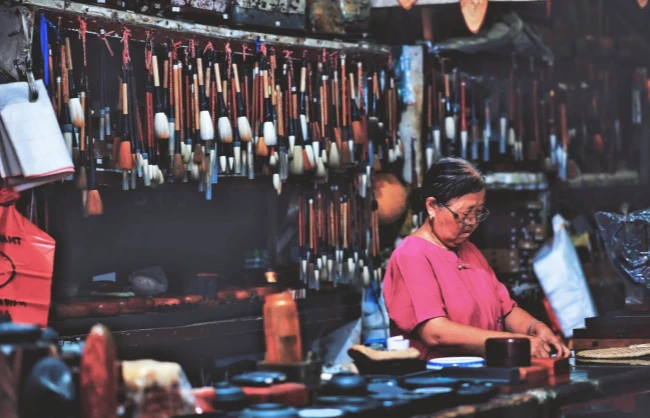
Huizhou is one of the major birthplaces of traditional Chinese scholar culture. Hui ink, She inkstones, Huzhou brushes, and Xuan paper are considered the four most iconic symbols of scholarly life, making up the “Four Treasures of the Study”.
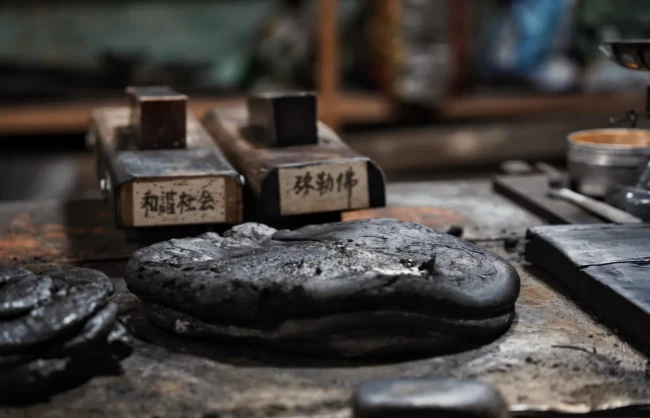
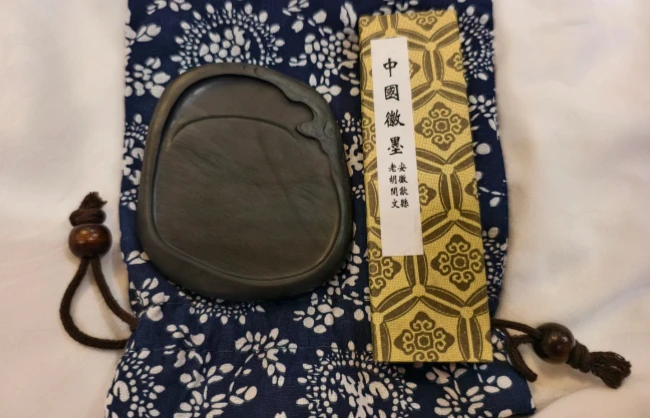
One of Tunxi Old Street’s best cultural experiences is the chance to make traditional Hui ink yourself, after which you can take a piece home as a souvenir. Nearby, you’ll also find Hu Kaiwen Ink Factory, which has preserved traditional ink-making techniques. There, you can learn more about how ink is traditionally created, from collecting soot, combining the ingredients, and molding the ink to drying, polishing, and gilding the final product.
Some activities you might get to experience include:
- Making Hui ink: Learn how the ingredients are mixed and molded.
- Gold tracing: Use gold powder to paint designs or write Chinese characters on an inkstick to make a personalized souvenir.
- Traditional Chinese calligraphy: Use a brush, ink, and traditional Xuan paper and learn to write Chinese characters like Tunxi (屯溪) and Huangshan (黄山).
This is a great option for families traveling with kids who are looking for hands-on activities, as well as for travelers interested in traditional Chinese culture.

Take a high-speed train from Shanghai to climb the legendary Yellow Mountain for sunrise views, then explore the beautifully preserved UNESCO-listed ancient villages of Huizhou.
Admire Intangible Cultural Heritage Crafts: Get an Up-Close Look at Traditional Artisanal Art
In both Tunxi Old Street itself and in the nearby area, you’ll find traditional craft stores – the perfect place to get a better look at Huizhou handicrafts.
Beyond Hui ink, lucky visitors can also see live demonstrations of artisans polishing traditional lacquerware, observing how pieces grow smoother and shinier as they’re repeatedly polished. You may also find artisans carving traditional She inkstones, carefully using the stones’ natural properties to create intricate designs.
Other handicrafts worth keeping an eye out for include the intricate wood-carved designs of people, flowers, birds, and auspicious symbols on doors, windows, and small decorative objects.
Explore a Century-Old Traditional Medicine Shop: Try a TCM Pulse Reading
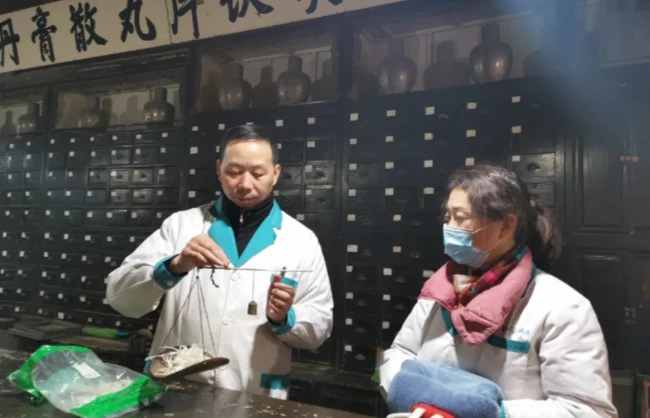
If you’re interested in exploring the differences between Western medicine and traditional Chinese medicine, why not try it for yourself in a historic Chinese medicine store like Tongderen?
Tongderen has been trading on this street for well over a century. Locals still rank it alongside Beijing’s most famous pharmacy with the saying “Tongrentang in the north, Tongderen in the south.”
Pulse reading is the most important diagnostic method in traditional Chinese medicine. Practitioners place their fingers on the patient’s wrist and piece together what they see, smell, ask, and feel to understand the patient’s overall health. It’s a simple process, and yet it’s one of the best ways to get a feel for traditional Chinese medicine.
Taste Huizhou’s Unique Flavors: Dare to Try Stinky Mandarin Fish and Hairy Tofu
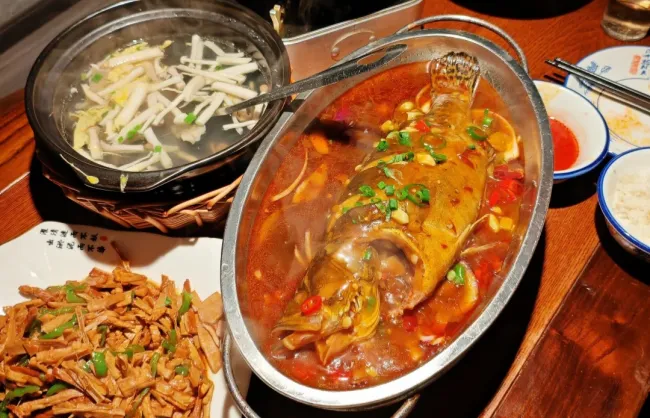
Huizhou’s cuisine is known for its strong regional flavor, and many of its dishes might surprise international visitors. If you get hungry while exploring Tunxi street, here are a few snacks worth trying:
- Stinky Mandarin Fish: One of Huizhou’s most iconic dishes: the fish is lightly cured for a distinct flavor, then cooked until the meat is soft and tender
- Fried Hairy Tofu: A dish made by fermenting tofu with white mold cultures and then cooking until crunchy on the outside and soft on the inside; normally served with sauce
- Huangshan Sesame Cake (aka Huangshan Shaobing): Crispy on the outside and commonly filled with preserved mustard greens and pork, this is a great snack to eat while walking down Tunxi Old Street
- Wang Yitiao Wontons: With a thin wrapper and fresh fillings, this dish is normally served with warm chicken soup
If it’s your first time trying Huizhou cuisine, stinky mandarin fish and hairy tofu are the most authentic place to start. If you’re not a fan of fermented foods, however, Huangshan sesame cakes are an easier introduction to the local food scene.
Take an Evening Stroll: Lose Yourself in the Street’s Lantern-Lit Charm
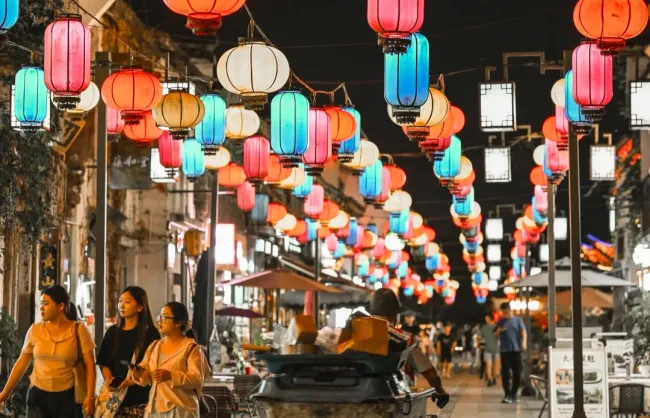
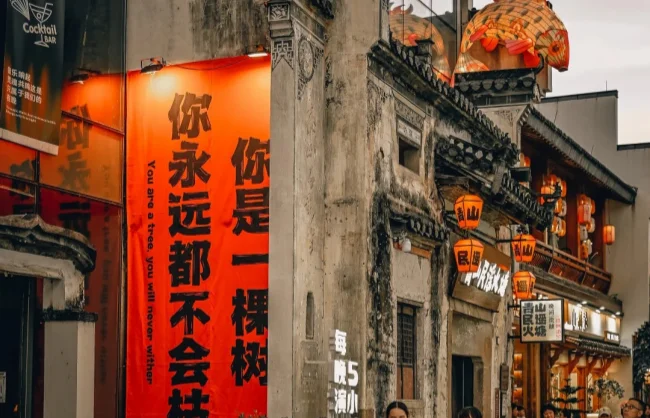
There’s plenty to see and do on Tunxi Ancient Street during the day, but after sunset the atmosphere changes completely. Red lanterns come on along the street, and their warm glow against the white walls and black tiles of the buildings makes for great photos.
Walking along the main street, you’ll see many restaurants, teahouses, and souvenir shops come to life, though it can feel a little touristy. If you want a more authentic experience, try walking down one of the small lanes that branch off the main street, like Erma Street or Sanma Street. It’s quieter there, and as you wander past the old houses, you may even catch a glimpse of local residents’ daily life.
Snap Unforgettable Photos: Zhenhai Bridge and Tunxi Riverside Street
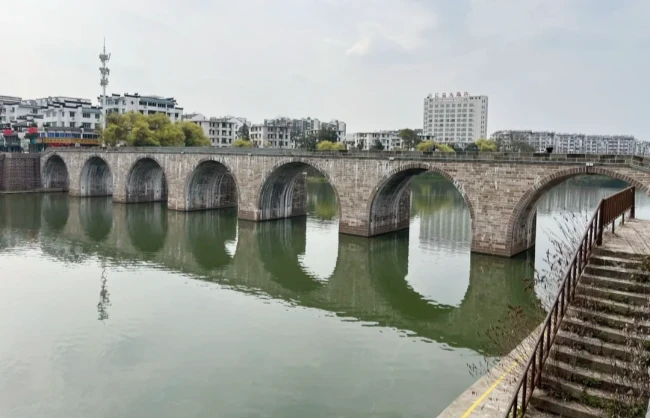
Don’t limit yourself to the main road. Zhenhai Bridge, a centuries-old stone bridge at the western end of Tunxi Old Street, crosses the river to Liyang Old Street. Sunset is the best time to photograph it and the old street from the riverbank. Tunxi Riverside Street, on the river side of the old street, is where traditional Hui-style buildings meet more modern commercial spaces, and it makes another good photo stop.
Photography Tip: If you want to capture Tunxi Old Street while it isn’t quite as busy, it’s best to visit early on weekdays, as the street often sees an influx of tourists on weekends and national Chinese holidays.
Suggested Itineraries: Best Routes to Discover Tunxi Old Street
You don’t need to set aside a full day to see Tunxi Ancient Street, though if you’re hoping to add cultural experiences like making Hui ink and trying local Huizhou cuisine or want to further explore the surrounding area, you’ll need at least a half-day.
Option 1: 1-2 Hour Classic Old Street Walking Tour
This is a good option for travelers with limited time, those who have just arrived in Huangshan, or those who are on their way to another destination.
First, visit the main road of Tunxi Ancient Street to admire the Hui-style buildings, traditional shops, and wood carvings lining the street. Then, visit traditional craft stores to see Hui ink, She inkstones, and lacquerware to get a better understanding of China’s traditional scholar culture. Along the way, try some local snacks, like Huangshan sesame cakes, hairy tofu, or Wang Yitiao wontons. Finally, explore some side streets like Erma Street or Sanma Street to catch a glimpse of a more tranquil and authentic side of the old street.
Option 2: 3-4 Hour Deeper Experience of Tunxi
This itinerary is best for travelers who like history, culture, traditional crafts, or photography and want to get a fuller experience of Tunxi.
Start with a 60-90 minute visit to Tunxi Ancient Street to explore both the main and side roads, getting a look at the traditional shops and Huizhou’s commercial culture. Then, go to Hu Kaiwen Ink Factory for 45-60 minutes to learn about the art of traditional Hui ink production and, if available, enjoy an ink-making or Chinese calligraphy activity.
Next, walk over to Zhenhai Bridge, where you can spend 20-30 minutes admiring the historic bridge and riverside scenery while taking photos of Tunxi’s old town. After, go to Tunxi Riverside Street for another 20-30 minutes for a leisurely walk among the traditional buildings and modern businesses.
Finally, end your visit with a 45-60 minute stop at Liyang Old Street, where you can try Hui cuisine or relax in a café while you take in a more relaxing atmosphere than most Chinese ancient streets have to offer.

Combining Tunxi Old Street with Huangshan, Hongcun, and Xidi
- 2-Day Huangshan Itinerary:
Arrive in Tunxi on your first day and explore the ancient street in the evening. On day two, head to Huangshan and hike the mountain. - 3-Day Huangshan & Hongcun Itinerary:
Visit Huangshan Scenic Area, Hongcun, and Tunxi Old Street all in one trip to both see the region’s natural beauty and learn more about Huizhou culture. - 4-Day Huangshan, Hongcun, & Xidi Itinerary:
Add a trip to the ancient village of Xidi to get a deep understanding of Huizhou’s traditional architecture, clan culture, and village life.
If you plan to return to Tunxi after climbing Huangshan, we recommend visiting Tunxi Ancient Street in the evening – there’s no need to rush to see everything in Tunxi.
Recommended Tours:
- 2-Day Huangshan Private Tour: Yellow Mountain, Hongcun Village
- 4-Day Huangshan Tour with Hongcun & Xidi Villages
Tunxi Old Street vs Liyang Old Street
Tunxi Ancient Street and Liyang Old Street sit across the river from each other. They’re a short walk apart across the bridge, but the atmosphere on each side is quite different, so we recommend seeing both.
Tunxi & Liyang Old Street Comparison
Tunxi Old Street |
Liyang Old Street |
|
Overall Atmosphere |
Traditional Huizhou commercial street |
Unique blend of a historic street with modern businesses |
Architecture |
Ming and Qing style shops, white walls and black tiles |
Traditional buildings and renovated business spaces |
Attractions |
Hui ink, tea, traditional crafts, food |
Restaurants, cafés, relaxation, nightlife |
When to Visit |
Daytime, evening |
Evening, night |
Recommended For |
History and culture enthusiasts |
Travelers looking to relax and explore modern lifestyles |
What Makes Liyang Old Street Worth Visiting?
Liyang is much older than Tunxi — it dates back around 1,800 years, to the Eastern Han dynasty. Today it’s a mix of old buildings and modern restaurants, cafés, and cultural spaces. Compared to Tunxi, it’s the better side for a sit-down meal, a slow coffee, and some downtime.
Insider Tip: If you have the time, visit both areas. First learn about Huizhou culture on Tunxi Ancient Street, then head over to Liyang Old Street to eat dinner and relax.
Best Time to Visit Tunxi Old Street
There’s no single best time for Tunxi Old Street — daytime and evening each have their own appeal.
From 9 AM to 4 PM, the shops and craft studios are open, so you can study the architectural details up close, browse for tea and souvenirs, and join activities like ink-making and calligraphy. In the evening, from about 5 to 9 PM, the lanterns come on, the restaurants hit their stride, and the nighttime river views are at their best — a good moment to wander over to Liyang Old Street for a relaxed end to the day.
Day or Evening: Which Is Better?
If you mainly want the cultural side of the street — Hu Kaiwen Ink Factory, the craft shops, the museums — come during the day, when more of them are open.
If food, night photography, or a livelier scene matters more to you, plan an evening visit instead.
And if you can manage both, even better — daytime and evening give you two quite different streets.
How to Get to Tunxi Old Street
If you plan to fly into Huangshan Tunxi Airport, you can get a taxi or use a rideshare app to go directly to Tunxi Old Street, which takes around 15-20 minutes. Alternatively, you can take the airport shuttle bus into town (about 30 minutes); get off at Yuzhong Garden, about 200 meters from the old street.
If you’re arriving at Huangshan North Station, the high-speed rail stop, a taxi into Tunxi takes around 30 minutes. If you come in at the older Huangshan Station, it’s only about 10 minutes, as that station already sits inside Tunxi District.
If you’re hiking Huangshan in the morning, plan to come down in the afternoon and exit at the scenic area’s South Gate at Tangkou. From there, tourist shuttle buses run to Tunxi in about an hour. They finish at the city’s long-distance bus station, and from there it’s a short taxi ride to the old street.
Huangshan doesn’t currently have a city metro, so if you’re planning to visit for 2 or more days, feel free to contact us here at China Xian Tour. We can arrange private transfers, book attractions, and put together a full itinerary, so getting around is one less thing to worry about.
Huangshan Travel Tips
Best Souvenirs to Buy in Huangshan?
- Hui ink: A traditional gift linked to China’s culture of scholars that you’ll only find in Huizhou – perfect for calligraphy enthusiasts.
- She inkstone: A traditional Chinese inkstone, great as a collectible or cultural gift.
- Huangshan Maofeng Tea: Huangshan’s most iconic variety of tea, easy to bring home.
- Huangshan Sesame Cakes: Available both packaged and freshly made, this local snack is convenient to pack.
Smart Shopper Tip: When buying tea or traditional crafts, compare across stores and ask about tea origin, craft materials, production methods, and prices.
Where to Store Luggage While Visiting Tunxi Old Street
The area around Tunxi Ancient Street is mostly cobblestoned alleys and pedestrian streets; some of them are quite narrow, so dragging a suitcase around can be a hassle. Luckily, you have options nearby, from luggage-storage services to guesthouses that will hold your bags for you.
The most convenient option for most travelers is one of the small inns or convenience stores near the entrances to Tunxi Ancient Street. Several will keep your bags for about 10 CNY, no reservation needed.
Another good option is BAOBAO Luggage Storage, which has several locations around Tunxi Old Street. Find the nearest one on their WeChat mini-program and reserve a spot. Backpacks run 5 CNY a day and suitcases 10 CNY, with staff on hand to keep an eye on things.
Opening Hours for Tunxi Old Street
Tunxi Old Street is technically open around the clock, but the museums, galleries, and ink factories all keep their own hours. Chinese public holidays can affect opening times too, and some places require advance booking.
If you’re interested in trying to make Hui ink yourself or having a TCM experience, it’s worth contacting them ahead of time to confirm opening hours and any booking procedures.
Explore Tunxi Old Street on Your Huangshan Trip with Us
Tunxi Ancient Street isn’t just a place to admire Hui-style buildings – it’s one of the best places to learn about Huizhou’s culture, crafts, and local cuisine. If you’re planning a trip to Huangshan and its nearby ancient villages, China Xian Tour can help you create a custom itinerary that includes Tunxi Old Street and other destinations you’re interested in. Let us take care of the planning so you can focus on making the most of your trip.
Recommended Tours


