
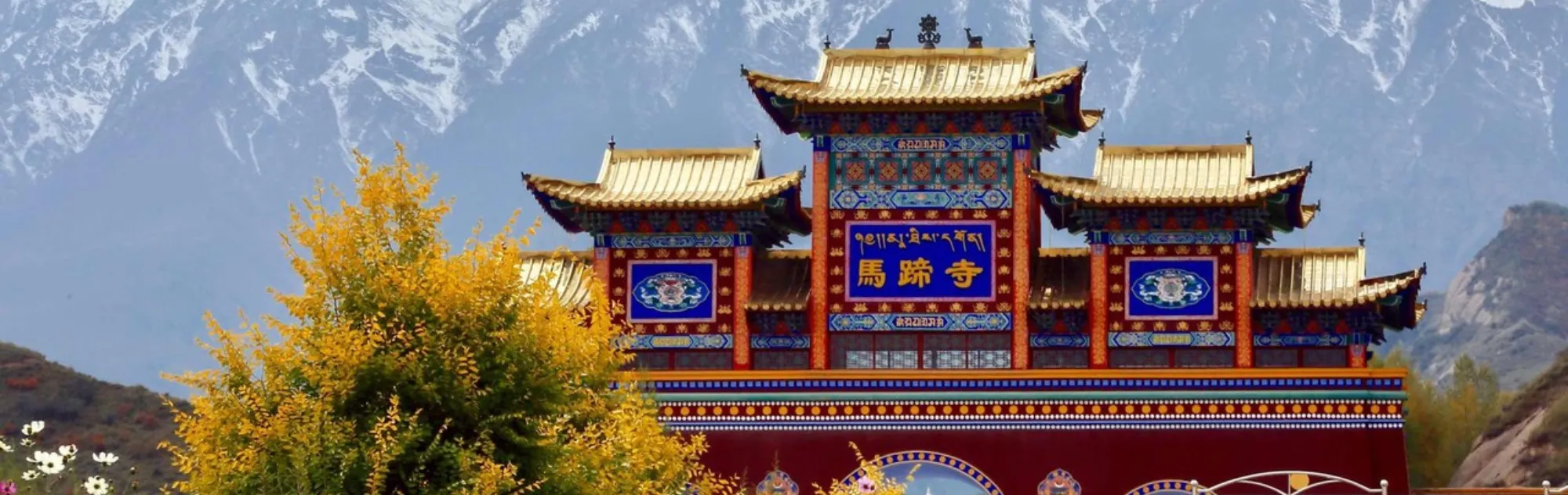
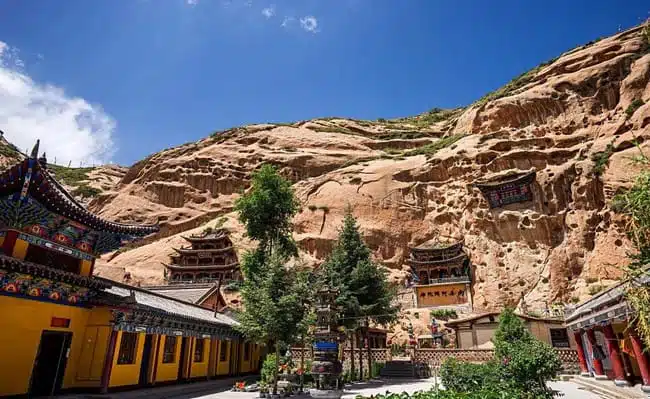
Deep in Gansu’s Qilian Mountains, Mati Temple clings to red sandstone cliffs like a sacred mirage. Some have said that a celestial horse once left its hoofprint here, birthing the temple’s name—”Horse Hoof Temple.” But this 1,600-year-old site is no myth: its maze of grottoes, weathered prayer flags, and Tibetan chants tell real stories of Silk Road pilgrims, dynastic patrons, and artists who carved devotion into stone. As a UNESCO World Heritage Site, Mati Temple hides 194 caves adorned with 1,300 sculptures and 7,200 square meters of murals that glow like faded jewels. It stands out as a must-visit destination for history buffs, spiritual seekers, and nature lovers alike.
Fast Facts about Mati Temple Grottoes
- Chinese Name: 马蹄寺 (Mǎtí Sì) – “Horse Hoof Temple”
- Location: Sunan Yugur Autonomous County, Zhangye, Gansu (65 km south of Zhangye City / 96 km from Zhangye Danxia)
- Opening Hours:8:00 AM–6:00 PM (Last entry 5:30 PM)
- UNESCO Status:Tentative List since 2014
- Ticket Prices (Admission Fees):
Main Scenic Area Combo Ticket (Adult): ¥52 (includes entrance + shuttle bus)
Scenic Area Shuttle Bus Only: ¥13
Special Grottoes No.1-4 (Adult): ¥80
North Temple Grottoes (Adult): ¥35
Golden Pagoda Temple Special Grotto: Requires advance phone reservation 1-3 days prior to visit.
(All prices are for adult tickets. Fees subject to change; verify via official contact before visiting.)

History & Artistic Highlights
Though no official record marks its founding, fragments from a 4th-century Eastern Jin travelogue reveal the temple’s origins. Scholar Guo Yu, seeking refuge from political chaos, retreated to Linsong Valley (modern Mati Shan) and carved a solitary meditation cave into the cliffs, as noted in his writings: “Dwelt in carved silence, accompanied only by wind and stone.”
Over centuries, Guo’s humble cell grew into a spiritual nexus:
- Northern Wei artisans (386–534 CE)sculpted early Buddha statues using India’s “wet drapery” technique, robes clinging like water.
- Tang craftsmen (618–907 CE) adorned caves with lapis lazuli from Afghanistan and cinnabar mined in the Qilian Mountains.
- Yuan-era Tibetan Buddhists (1271–1368 CE) introduced Tantric iconography, including wrathful deities adorned with bone jewelry.
- Ming-Qing restorations (1368–1912 CE)added wooden pavilions clinging to cliffs and murals depicting Silk Road market scenes—Uyghur traders, Han farmers, and Tibetan monks frozen in pigment.
Of 70 surviving caves, none bear Guo Yu’s name. Yet in the oldest grottoes, faint chisel marks remain—ghostly echoes of a scholar’s quest for peace that ignited 16 centuries of devotion.
What to See and Do at Mati Temple Grottoes
Thirty-Three Heavens Grottoes
A 5-story vertical labyrinth carved into four peaks, symbolizing Buddhism’s 33 celestial realms. Pilgrims climb to “reach enlightenment”:
- Sky Squeeze Tunnel:Crawl 18 meters at a 60° incline through Northern Liang Dynasty (397–460 CE) stonework.
- Heaven Ladder: Ascend polished Tang-era steps to a 1.2-meter Northern Wei Buddha in Cave 8—his expression shifts subtly with daylight.
Tip: Locals believe completing the climb erases 108 worldly sins.
Golden Pagoda Temple
Perched 60 meters up a cliff, this Yuan Dynasty (1271–1368) marvel houses:
- “Essence of Eastern Flying Apsaras”:16 celestial dancers carved in high relief, their skirts dyed with 14th-century mineral pigments (malachite green, cinnabar red).
- Mummified Lama:A preserved Yuan-era monk, seated cross-legged behind glass—his silk robes retain indigo hues from long-lost Tibetan dye techniques.
Thousand Buddha Cave
A Tibetan Buddhist complex redesigned during the Ming Dynasty:
Pagoda Forest (North Section): 50+ stupas cling to red sandstone cliffs, their mandala carvings blending Han pagoda eaves with Tibetan chorten designs.
Cave 6 Western Three Saint Palace : A Tang-era triad—Central Buddha’s plump face and rounded shoulders epitomize Tang ideals of prosperity. The ceiling’s apsaras hold instruments matching those in Dunhuang’s Mogao Caves, proving shared Silk Road artistic codes.
Avalokitesvara Caves
Three serene grottoes nestled in forested peaks:
- Upper Grotto: A 2.3-meter Song Dynasty Guanyin statue, her thousand arms etched into the wall like radiating sunbeams.
- Central Grotto: Ming-era murals depict “Guanyin’s Miracles”—fishermen saved from storms, merchants guided through deserts.
- Hidden Detail: A carved stone column mimics the trunk of the Bodhi tree, its texture replicated with chisel strokes.
How to Reach Mati Temple from Zhangye
- By Public Bus
From Zhangye West Bus Station: Walk 600m south along G312 Highway to Zhangye South Station → Take Bus 901 to “Mati Temple Stop”.
- Tourist Shuttle
Departure Times: 7:20 AM, 8:20 AM, 9:00 AM (3 daily trips).
Return to Zhangye: 3:30 PM.
- Private Car Hire
Round-trip from Zhangye: ¥300–400/day for a sedan.
From Downtown to Parking Lot: ~¥120.
- Budget Option
Take a Bus to Nangu: Alight at Mati River (round-trip ¥19) → Hire a taxi uphill to the parking lot (¥20–30).
Why Visit Year-Round?
- Spring (Apr–May): Ice melts into waterfalls; Yugur herders return to mountain pastures.
- Summer (Jun–Aug): Tibetan butter lamp festivals light up Puguang Temple at dusk.
- Autumn (Sep–Oct):Golden poplars frame the cliffs; fewer crowds after National Day.
- Winter (Nov–Mar): Frozen waterfalls glitter like jade; grotto murals glow softer in low light.
How to Visit: Recommended Route
Dawn-to-Dusk Pilgrim’s Journey
For first-time visitors, this route balances key sites with cultural immersion:
- 7:00 AM: Arrive early to catch monks’morning drum ritual at Puguang Temple. Climb Thirty-Three Heavens Grottoes while temperatures are cool. The 33-tier ascent takes ~1.5 hours—grip chains bolted into Northern Wei-era rock.
- 9:30 AM: Explore Golden Pagoda Temple. Time your visit for sunlight hitting the “Eastern Apsaras”murals (best 10–11 AM). Local guides (¥100) decode Tantric symbolism in the skull-adorned deities.
- 12:00 PM: Lunch at Mati Village. Try Yugur kangguo (stone-baked lamb) at Ma’s Family Café (¥50/person).
- 1:30 PM: Hike to Thousand Buddha Cave’s Pagoda Forest. Photograph Yuan-era stupas against red cliffs—optimal lighting at 2:15 PM when shadows define carvings.
- 3:00 PM: Visit Avalokitesvara Caves. Join monks’3:30 PM chanting session in the Central Grotto.
- 5:00 PM: Drive 45 mins to Zhangye Danxia for sunset over rainbow mountains.
Helpful Travel Tips
- Altitude Prep: At 2,600–3,500m, hydrate with sea buckthorn juice (sold at temple gates). Avoid alcohol.
- Footwear: Wear trail runners—polished sandstone steps are slicker than temple butter lamps.
- Photography: No flash in caves.
- Cultural Etiquette: Don’t point feet at Buddha statues.
Offer ¥1–5 when lighting temple butter lamps.
- Last Bus:To Zhangye departs from Sunan County at 4:30 PM. Miss it? Split a taxi (¥80–100/person).
Nearby Attractions
- Zhangye Danxia Rainbow Mountains(65km north): Don’t Miss: “Fire Glow” sunset at 4th Viewing Platform. Stay for night photography (permits until 9 PM).
- Yugur Grasslands (25km east): Ride horses with nomadic herders (¥80/hour). July’s Golden Eagle Festival features archery and throat-singing contests.
- Western Xia Royal Tombs (110km northeast): Eerie 11th-century pyramid mounds of the lost Tangut kingdom. Hire a guide (¥150) to decipher Xixia script carvings.
- Giant Buddha Temple, Zhangye(55km north): Home to China’s largest indoor reclining Buddha (34.5m). Climb the wooden bell tower for temple-complex panoramas.


