



Written by Veronica |
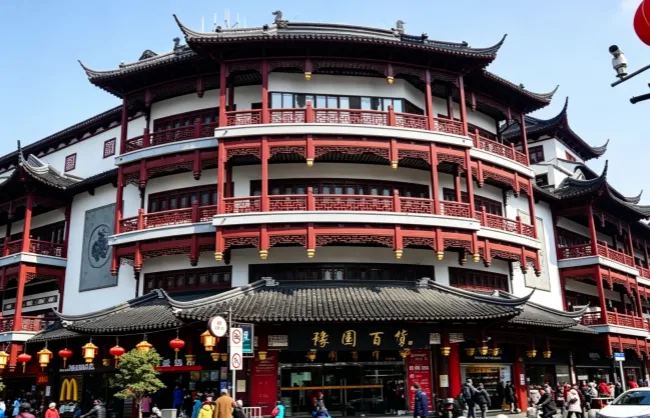
Yuyuan Bazaar (also called as the Yuyuan Garden Bazaar or Yu Garden Market) is located in the heart of old Shanghai, just outside the famous Yuyuan Garden. This vibrant commercial hub allows visitors an immersive experience of historic Ming and Qing architecture, traditional Chinese handicrafts, and local Shanghai snacks. That’s why there are always millions people flooding here. To many people, especially Shanghai locals, it is more than just a marketplace, it’s a living museum of Chinese tradition.
When having a China tour and traveling to Shanghai, whether you’re looking to sample Xiaolongbao, shop for souvenirs, or explore the surrounding landmarks like Yuyuan Garden and the City God Temple, this area will offer you a best taste of the city’s rich past and energetic present.
Content Preview
- Facts About Yuyuan Bazaar (Yu Garden Market)
- Why Visit Yuyuan Bazaar
- History and Cultural Significance of Yuyuan Bazaar
- Yuyuan Bazaar vs. Yuyuan Old Street – What’s the Difference?
- Shopping at Yuyuan Bazaar
- Taste Local Food in Yuyuan Market
- Yuyuan Bazaar at Night
- How to Get to Yuyuan Bazaar (Metro, Taxi, Walking)
- Best Time to Visit Yuyuan Market
- Exploring Nearby Attractions
- FAQs about Yuyuan Bazaar
- Travel with China Xian Tour for More Unique Experiences in Shanghai
Facts About Yuyuan Bazaar (Yu Garden Market)
Wandering in this bustling cultural and commercial zone, you’ll find yourself traveling between the Ming Dynasty and the 21st century. Today, it stands as a lively intersection of tradition and tourism.
- Location: Huangpu District, near Yuyuan Garden & City God Temple
- Entrance Fee: Free
- History: Over 400 years; market area gradually developed from the late Ming Dynasty
- Highlights: Traditional architecture, street food, cultural crafts, night lanterns
- Opening Hours: All day. But most shops would run from 10:00 AM – 10:00 PM (some stalls would have earlier/later times)
- Best Time to Visit: Late afternoon into the evening; ideal during festivals
- Time Needed: 2–3 hours (longer if visiting Yuyuan Garden and temple)
Why Visit Yuyuan Bazaar
- It is a must-see traditional Chinese market of Shanghai tour, full of history and life of local people.
- People can try unique local snacks here like Nanxiang steamed buns and traditional pastries
- Visitors will get rich shopping experience that features Chinese handicrafts, antiques, silk, and tea
- It has a really short walking distance from top attractions like Yuyuan Garden, the Bund, and City God Temple
- Perfect place for enjoying beautiful lantern displays and cultural performances, especially during festivals
History and Cultural Significance of Yuyuan Bazaar
Yuyuan Bazaar forms the commercial heartbeat of Yuyuan, one of the most beautiful gardens in Shanghai that originally built in 1559 during the Ming Dynasty. Being so close to the garden and the Old City temple, the area which belongs to today’s Yuyuan Bazaar began to see more and more pilgrims coming to worship and artisans chasing the incredible beauty of garden landscape.
And soon, to cater these travelers’ needs, the surrounding lanes transformed into a bustling shopping district. Over centuries, what started as a local market evolved into today’s Shanghai Yuyuan Bazaar, offering a rich combination of commerce, religion, and leisure.
Yuyuan Bazaar vs. Yuyuan Old Street – What’s the Difference?
Yuyuan Bazaar is a large bustling commercial area surrounding the famous Yu Garden in Shanghai. It’s a lively maze consist of souvenir stalls, snack shops, teahouses, and restaurants, and it’s always packed with visitors looking for everything ranging from handcrafts like silk scarves and paper cuttings to local snacks such as Shanghai-style dumplings. It is an absolutely vibrant and tourist-friendly place, a great spot to shop, eat, and soak in the energy of old-meets-new Shanghai for all tourists.
Yuyuan Old Street, on the other hand, is a more specific and historic stretch within the larger bazaar area. This part of the district has preserved more of its Ming and Qing Dynasty architectural charm, as a result, you can still see the narrow lanes, carved wooden facades, and curved roof tiles which look basically the same as hundreds years ago.
It’s ideal for travelers who want a deeper cultural experience, as you can here find traditional handicrafts, antiques, shadow puppetry, calligraphy, and even occasional folk performances. While the bazaar is all about the buzz, the Old Street offers a rather slower-paced glimpse into Shanghai’s heritage.
Shopping at Yuyuan Bazaar
Shanghai is one of the top shopping cities in China, and Yuyuan Bazaar is one of the best places in Shanghai to shop for traditional Chinese goods (with Shanghai sense). The bazaar offers a sensory-rich experience as it blends the local beauty of history, culture, and modern commerce.
What to Buy in Yuyuan Bazaar
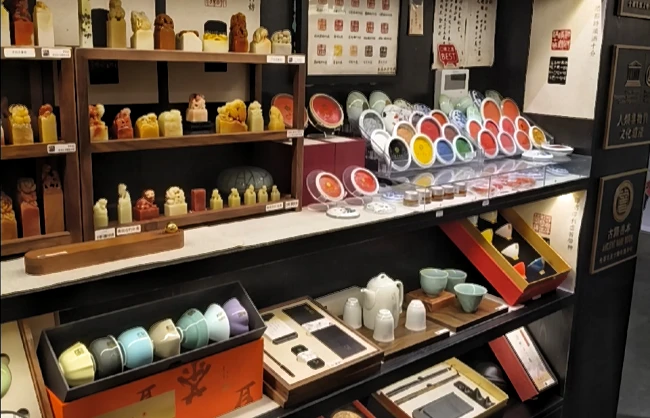
From handcrafted treasures to everyday souvenirs, Yuyuan Bazaar offers an extensive variety of items that present a strong sense of traditional Chinese aesthetics. Silk fans and scarves are among the most popular choices—lightweight, beautifully designed, and easy to carry, so that they make excellent gifts or personal keepsakes. For something more symbolic, many visitors pick up jade accessories, teapots, or calligraphy brushes.
Antique stores and stalls also line the streets, offering choices like old coins, cultural relic replicas, bamboo carvings, and handmade paper cuttings. If you’re looking for something uniquely local, consider buying Yuyuan-themed magnets, bookmarks, or postcards. Tea lovers can also explore a range of Chinese teas here, though it’s recommended to choose packaged products with clear labeling—especially avoiding citrus-blended teas if you’re sensitive to additives.
These items not only carry the charm of Chinese craftsmanship but also serve as memorable tokens of your trip to Shanghai.
Popular Shops and Stalls
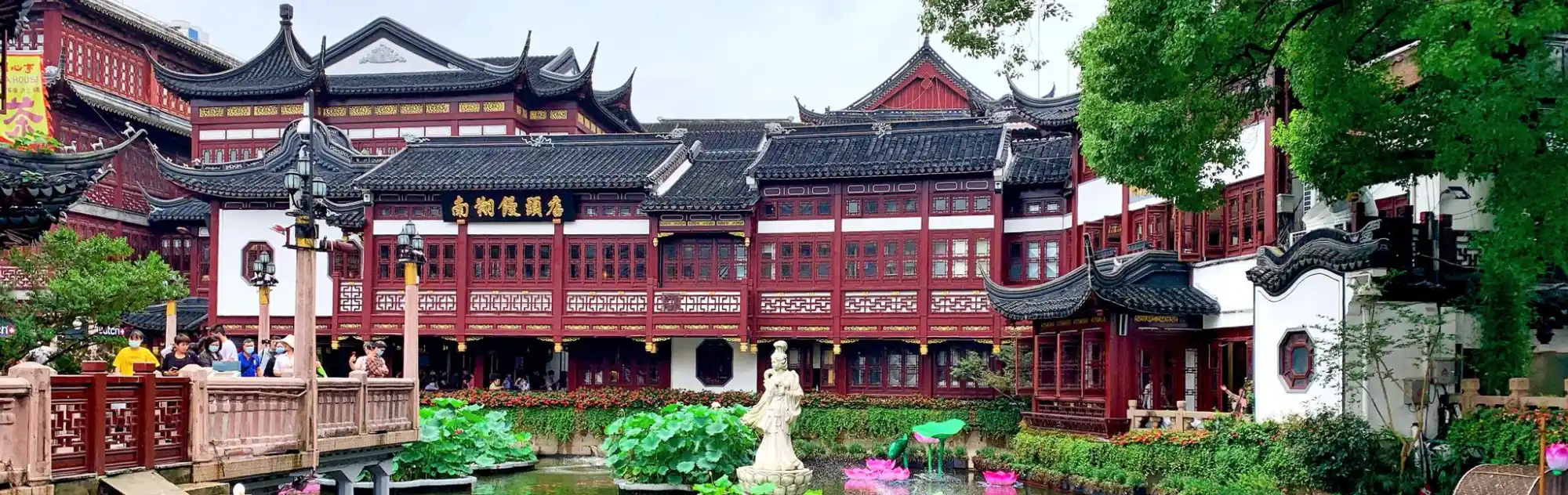
The bazaar is densely packed with small, specialized shops, and many of them are long-standing family businesses. They’ve been here selling silk garments, embroidered cloth shoes, or traditional toys for years and years. One of the most photographed spots is along the Nine-Bend Bridge, where iconic and historic red buildings now become teahouses and gift shops that packed with tourists.
The Huxinting Tea House, located in the middle of a awe-inspiring lotus pond, offers a unique setting to enjoy Chinese tea. Around this area, shops like Lao Feng Xiang Jewelry and cultural boutiques continue to attract both tourists and locals.
Don’t worry too much if the snacks and local foods don’t suit your preference, there are also global brands like Starbucks or McDonald’s in the area, however, most visitors would like to explore the local shops that retain the character of old Shanghai.
Shop / Stall / Area |
Specialty items / What to buy / Highlights |
Huxinting Tea House |
Traditional Chinese tea & tea-house experience. Scenic pond-side old-style pavilion. |
Local Silk / Fabric Shops (various stalls) |
Silk scarves, embroidered silk clothing / accessories. Good souvenirs reflecting traditional craftsmanship. |
Craft / Handicraft Workshops & Stalls |
Handmade goods: paper-cuttings, calligraphy brushes, hand-painted fans, jade accessories, traditional artworks |
Tea Shops / Tea & Tea-Set Vendors |
Chinese teas (green, oolong, black, etc.) and traditional tea sets |
Souvenir & Tourist-oriented Stalls / Shops |
Small keepsakes: magnets, postcards/bookmarks, small decorative items, replicas. |
Bargaining Tips for Tourists
Prices at Yuyuan Bazaar vary widely. While some high-end shops have fixed prices, many street stalls allow and even expect bargaining. It’s a good idea to do a quick scan of similar products in nearby stalls before making a decision. Start by offering around 60–70% of the asking price and adjust based on the seller’s response.
That said, try to keep it friendly—many vendors are used to negotiating with tourists and will appreciate a respectful tone. Shopping here can be part of the fun, and a little bargaining often leads to great finds and a better connection with local shopkeepers.
If you’re curious about what else to buy in China, you can explore more recommendations in our complete guide to souvenirs and local goods.
Related reading: Shopping and Bargaining Tips in China
Taste Local Food in Yuyuan Market
Yuyuan Market is a paradise for not just shopping enthusiast but also food lovers. No matter you’re searching for traditional street snacks or century-old restaurants, this area offers a full taste of authentic Shanghainese and Jiangnan cuisine. Here are some must-visit eateries:
Nanxiang Steamed Bun Restaurant (南翔馒头店)
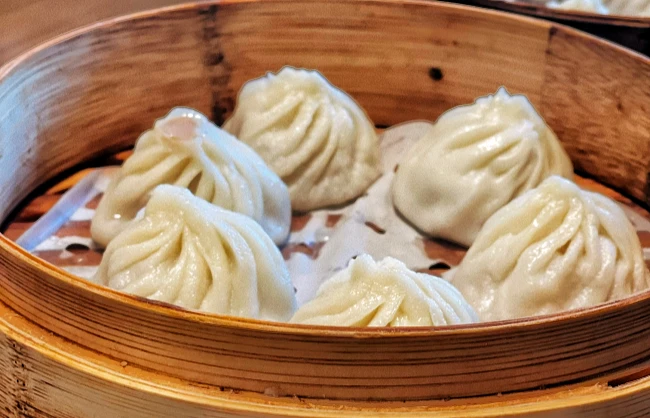
This time-honored brand is one of the most famous dumpling spots in Shanghai, and it is originated in the Nanxiang area during the late Qing Dynasty. This restaurant at Yuyuan Market continues the tradition to serve the soup dumplings that are freshly handmade every single day.
Signature dishes:
- Pork soup dumplings (Xiaolongbao)
- Crab roe soup dumplings
- Vegetable steamed buns with mushrooms and tofu
Shen Dacheng Snacks (沈大成)
Shen Dacheng is a well-known pastry shop established in 1875, and it offers classic Shanghai-style snacks and sweets. Known for its high-standard quality and consistency, it’s a favorite choice among locals for festive treats and nostalgic flavors.
Popular items:
- Tiaotougao (glutinous rice cake with red bean or osmanthus)
- Savory pork mooncake
- Qingtuan (mugwort rice dumplings with sweet or savory filling)
- Zongzi (sticky rice dumplings with marinated pork and salted egg yolk)
Dahuchun (大壶春)
First opened in 1932, Dahuchun is considered one of the oldest and most iconic places for shengjian bao (pan-fried pork buns) in Shanghai. The buns here are known for their crispy bottoms, juicy filling, and firm yet fluffy dough—different from the more soup-filled variants found elsewhere.
Recommended dishes:
- Classic pork shengjian bao
- Crab roe or shrimp-filled shengjian
- Beef broth with wontons
Lü Bo Lang (绿波廊)
Lü Bo Lang is one of Shanghai’s most prestigious restaurants, established during the Ming Dynasty. Located next to the Nine-Turn Bridge in Yuyuan, it’s known for hosting visiting dignitaries and offering refined Haipai (Shanghai-style) and Jiangnan cuisine.
Notable dishes:
- “Fan-shaped Shrimp Toss”
- Flash-fried river eel
- Crispy radish pastry
Chunfeng Songyuelou (春风松月楼)
Founded in 1910, this is a historic vegetarian restaurant strictly following a “no meat, no alcohol” philosophy. It’s widely recognized in Shanghai for its innovative and traditional Buddhist cuisine. Some recipes have been listed as intangible cultural heritage.
Signature vegetarian dishes:
- Stuffed vegetable buns
- Mushroom-gluten noodles
- Luohan zhai (Buddhist mixed vegetable dish)
- Spring seasonal qingtuan (with pine nuts or plant-based meat)
Songhelou Noodle House (松鹤楼面馆)
Founded during the Qianlong era (18th century), Songhelou is a Suzhou-origin brand that brings Jiangnan elegance to its dishes. Its Shanghai branch near Yuyuan specializes in classic Su-style noodles and light-flavored stir-fries.
Specialties include:
- Shrimp stir-fry
- Suzhou-style braised pork noodles
- Eel in hot oil
- Pork wontons with knife fish
- Steamed buns with crab roe
Yuyuan Bazaar at Night
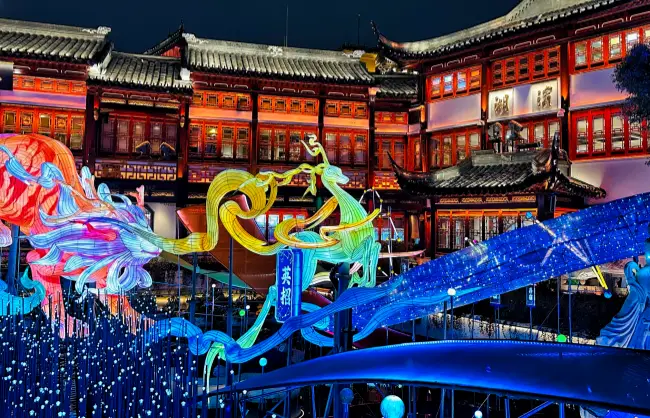
As the sun sets, Yuyuan Bazaar transforms into a dazzling wonderland. The traditional rooftops and wooden facades are gradually lit with glowing red lanterns, casting a warm, festive glow over the ancient streets. Under the lights, the Bazaar will become a rich colored painting, every stoke is mixed with some old-world charm and lively, modern energy—perfect for photos or just a relaxed evening stroll.
Around Chinese New Year and Lantern Festival, the entire area becomes even more vibrant. Massive lantern installations themed on the Chinese zodiac, folklore, or historical stories are displayed throughout the bazaar. These glowing artworks draw crowds from all over the city and beyond. Some years, there’s an entrance fee for the main lantern display area (usually between 30–80 RMB), but many festive decorations can still be enjoyed for free from the outside.
Whether you’re snacking on street food or soaking in the festive lights, Yuyuan Bazaar at night is an unforgettable experience.
Besides Yuyuan Bazaar, you can enjoy your nightlife in Shanghai with many other exciting and relaxing activities.
How to Get to Yuyuan Bazaar (Metro, Taxi, Walking)
By Metro
The well developed transportation network in Shanghai makes it convenient to reach any attractions in the city center, including Yuyuan Bazaar. The most convenient way to reach Yuyuan Bazaar is by taking Shanghai Metro Line 10 or Line 14 and get off at Yuyuan Garden Station. Remember to use Exit 1.
From there, it’s about a 5–10 minute walk to your final destination. Simply follow signs toward “Yuyuan Garden” or “Fuyou Road.”
As you approach the core area, you’ll likely pass by various modern shops and malls—keep heading east until you spot the Nine-Bend Bridge and Huxinting Teahouse on the pond. That’s the heart of the bazaar.
By Bus
Several public buses also stop near Yuyuan Bazaar. You can take lines such as 11, 26, 64, 71, 145, 715, 730, 801, 926, 932, among others.
Get off at the Yuyuan Station (豫园站) stop and follow nearby signs to walk to the spot.
By Taxi or Ride-hailing
Taxis or ride-hailing apps like Didi can drop you off directly near the entrance. Just set your destination to “Yuyuan Garden” (the most direct and most recommended, you can show the driver “豫园” or “豫园商城” in case you’ll have language barrier) or use the address 168 Fuyou Road, Huangpu District (福佑路168号)
However, be aware that the area can get crowded, especially during weekends and holidays, so drop-off points may be a short walk away.
On Foot
If you’re first exploring areas like The Bund or East Nanjing Road, Yuyuan Bazaar is within walking distance. The walk takes around 15–20 minutes and lets you experience more of Shanghai’s historic streets on the way.
Note: Yuyuan does not have a dedicated parking lot, and nearby street parking is limited. Taking public transportation is highly recommended.
Best Time to Visit Yuyuan Market
By Season
Spring (March to May) and autumn (September to November) are the most comfortable times to visit Yuanyuan Market and most other destinations in Shanghai, as spring offers mild weather and colorful blooms in nearby Yuyuan gardens, while autumn brings much cooler air and less crowding.
Summers in Shanghai can be extremely hot and humid, with large tourist crowds and busy food stalls, so be prepared for heat and possible waits. Winters are quieter and chilly, but during Chinese New Year (late January or February), the market will become lively with bright lanterns, festive snacks, and cultural performances—though expect more visitors then.
By Time of Day
Visiting in the morning means there will be fewer people and you can use a relaxed pace to explore the narrow alleys. Afternoons are perfect for a visit to Yu Garden next to the bazaar as it comes alive. Evening is the most enchanting time here, when lanterns glow, food vendors light up, the whole area will then feel vibrant and full of local life.
Exploring Nearby Attractions
Yuyuan Garden – Classical Chinese Garden Beauty
You can find the Yuyuan Garden right next to the bazaar. It was built during the Ming Dynasty (16th century), and it is one of Shanghai’s finest classical gardens. Inside, you’ll find koi ponds, zigzag bridges, rockeries, and traditional pavilions, all designed to reflect Chinese people’s pursuit of harmony between human and nature. It would be a must-visit for those seeking a glimpse into ancient Chinese landscaping.
- Opening hours: 08:30–17:00 | Tickets: ¥40 (peak), ¥30 (off-season)
City God Temple – Taoist Culture and Architecture
Just steps from Yuyuan Bazaar, the City God Temple offers a different spiritual and cultural experience. This centuries-old Taoist temple was first built in 1403 to honor the protective deity of Shanghai. After hundreds of years, it’s still an active place of worship today. Visit in the late afternoon to see the incense smoke curling into the air like people’s words reach to heaven and experience the temple’s peaceful ambiance.
- Entrance fee: ¥10
The Bund – Iconic Skyline Views within Walking Distance
It takes an easy 15–20 minute stroll to travel from Yuyuan Bazaar to the Bund, Shanghai’s most iconic waterfront promenade. Plan your day beforehand so you can enjoy both the bazaar and Yuyuan Garden in the afternoon, then head to the Bund by sunset. As the sky darkens, Pudong’s skyline comes alive with colorful lights, offering the perfect photo opportunity.
FAQs about Yuyuan Bazaar
Q: What is the difference between Yu Garden and Yuyuan Bazaar?
A: Yu Garden is paid-entry. And it’s more of an attraction showing the charm of classical Chinese garden. Highlights are, for example, pavilions, ponds and historic design. Differently, the Bazaar is the surrounding free commercial area. It is a busy market full of shops and food stalls, and you can buy souvenirs here.
Q: How much time should I spend to fully explore the Bazaar?
A: If you just want to take a brief stroll, then you might only spend 1–2 hours here. For a fuller experience, prepare for a 2–3 hours visit.
Q: Are there any established, sit-down restaurants in the bazaar, or is it mostly street food?
A: Yes. You can find both street-food stalls and restaurants or teahouses inside the Bazaar. They can offer more completed experience of having local meals.
Q: Is bargaining expected or accepted when buying items from the stalls?
A: Yes. Bargaining is common. And most visitors would negotiate prices here (often starting with a lower offer), so try to make a better offer.
Q: Where can I find traditional Chinese handicrafts like paper cuttings or fans?
A: Shops selling crafts can be found everywhere in the bazaar. Things like paper-cuttings, silk goods or hand-painted fans and jade are all popular choices.
Travel with China Xian Tour for More Unique Experiences in Shanghai
Shanghai is a famous cosmopolitan with various activities and sites to visit. And except for its stunning city view, places like Yuyuan Bazaar can offer some more unique and immersive experiences. As it may be a little overwhelming for foreign visitors to plan a trip to explore Shanghai’s hidden charm by themselves, traveling with China Xian Tour can perfectly fix all these worries. We can provide you with private guide services and customized itineraries, so that you can attain some deep insights without worrying about preparations and details along the way. Just contact us right new and be ready to make unforgettable memories in this wonderful city.