

Tibet’s high altitude and dry climate plus its remote location makes it a travel destination which needs extra planning. The health and safety concerns when visiting Tibet are unique from other travel destinations. It is important to take precautions to cope with the altitude, intense sun, dry atmosphere and to take a comprehensive first aid kit for if you get ill in a remote location where health care is not available.
Read our Tibet travel safety guide to learn about food and water safety, how to prepare for your trip, and other precautions you should take to stay safe in Tibet.
Prepare Yourself Physically for Tibet
One of our tips for your Tibet travel safety is that prepare yourself physically by following a regular exercise program before leaving for your trip especially if you live in an area of low altitude. If your trip to Tibet involves trekking then make sure you can cover the distance by practicing at home until you can walk the length of your Tibetan trek. Break in new shoes and see if you are able to trek holding the equipment you plan to take.
Even if you are not going to trek in Tibet being in peak physical form will help your body cope with the high altitude in Tibet. The high altitude can significantly affect your health and the best way to combat this is to be fit and have good stamina.
Visit your doctor about 4-6 weeks before embarking on a Tibet tour and discuss your particular health concerns and how you will cope with conditions in Tibet. Depending on your vaccination history you may need vaccinations and time for them to take effect before you leave for Tibet. Often Hepatitis A, Hepatitis B, Typhoid, Diphtheria and Tetanus are recommended but not compulsory.
Thanks to the high altitude malaria is not a problem in Tibet. A rabies vaccination is recommended as there are stray and wild dogs in China. Your preparation also depends on what activities you will be engaged in while in Tibet. For example if you are staying in Lhasa or if you are visiting Mt Everest Base Camp your preparation would differ.
Water and Food Safety in Tibet
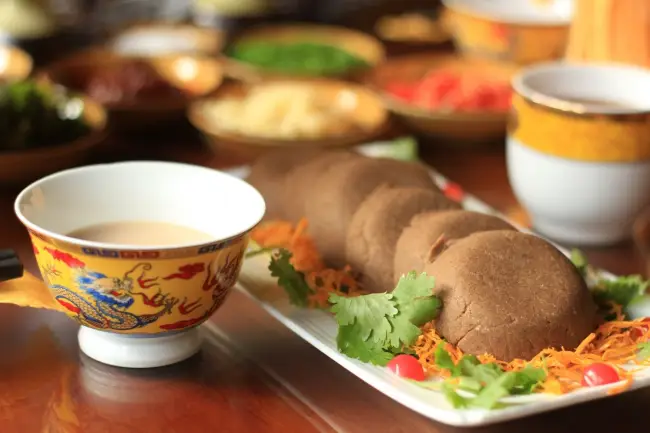
The best way to avoid illness and keep your Tibet travel safety is to avoid unpurified water and food washed in unpurified water. Also wash and sterilize your hands frequently. Carry drinking water with you on all excursions. Avoid foods sold on the street which could have been defrosted and refrozen several times. Avoid uncooked meat and where possible wash and peel vegetables.
Do not drink tap water; including ice made with tap water. Boil drinking water for at least 10 minutes even if you are going to drink it cold and use water purifying tablets.
It is always best to stick to drinking tea if you are in doubt. You can buy bottled drinking water in Lhasa supermarkets. Even the locally brewed beer is sometimes made with contaminated water and should be avoided.
✔Recommended Tibet Tours:
Travel Insurance for Tibet
All Tibet travel companies are required by law to buy travel insurance for those taking their tours to Tibet. This is basic business liability insurance and does not mean that you don’t need to take out personal travel insurance.
For your travel safety in Tibet, it is highly recommended that you buy travel insurance before leaving home to cover a range of problems which could occur during your trip for example – flight cancelation, loss of suitcases, illness, medical expenses, emergency evacuation, loss of valuables, theft, 24 hour medical emergency service, cancelation of trip etc.
Generally if you have a medical emergency in a remote area you will be taken to the closest medical facility by car and from there transferred to an airport and flown to a hospital in a different part of China.
In some extreme cases travelers who cannot be easily moved can be air lifted out of difficult situations. Check whether your travel insurance covers the service of a rescue helicopter and whether you can be reimbursed.
High Altitude Sickness in Tibet
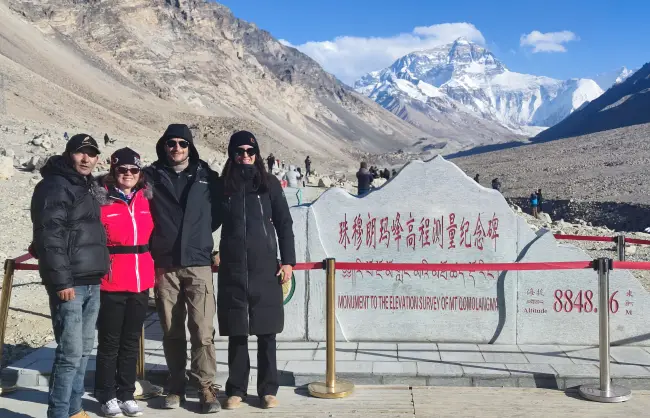
The average altitude in Tibet is 4,000 meters and when you travel from a low altitude location to Tibet your body can have a negative reaction. For this reason it is advisable to give your body a chance to gradually adjust to the high altitude. Tibet Discovery tours are planned so that you get a few days in Lhasa before heading off going to places with higher altitudes.
Acute Mountain Sickness (AMS) or altitude sickness usually starts to effect people when they go above 2,500 meters (8,000 feet) above sea level and most of Tibet is higher than this.
Preventing Altitude Sickness
The best preventative measure to keep your Tibet travel safety when its comes to the altitude is to give your body time to acclimatize so it can naturally adjust to the high altitude. Other preventative measures include getting adequate sleep; avoiding alcohol; eating properly and staying hydrated.
Symptoms of Altitude Sickness
You may feel mild symptoms of altitude sickness while in Tibet Plateau, for example headaches, nausea, fatigue, shortness of breath, dizziness and you may find it hard to fall asleep at night. After resting in Lhasa and doing a little light exercise the symptoms will usually pass. Those more seriously affected by altitude sickness can experience a lack of orientation, a dry cough and migraines. In rare cases altitude sickness can be fatal.
Treatment of Altitude Sickness
The obvious solution is to go to a lower altitude but this is not always possible. There are medicines which can treat the symptoms of altitude sickness like Acetazolamide or Diamox. It is best to bring some altitude sickness pills with you from home so that your health care giver can prescribe something that suites you.
If you feel the symptoms of altitude sickness rapidly getting worse inform your tour guide and you could get treatment in Lhasa. Even if you don’t have an appetite force yourself to eat and drink as this will help your body fight the altitude sickness.
✔Furter reading: A Brief Overview of Tibet Travel: Info to Know Before Your Trip

Other Health Issues Concerning Tibet Travel Safety
Sunstroke – Due to the high altitude Tibet is closer to the sun than most places and gets intense sunrays for much of the year. This can cause visitors to suffer from sunstroke, sunburn and dehydration. Exercise caution and bring sunscreen with you. Always carry drinking water with you and drink more than your usual amount of liquids while in Tibet.
Hypothermia – The intense cold in some areas of Tibet and in the winter can cause frostbite so make sure you are properly equipped with thermal clothing. The cold can also cause hypothermia (even in summer in high areas) so go prepared for wind, rain and cold. The symptoms are fatigue, numbness in the extremities, shivering, dizziness, muscle cramps and slurred speech. Sufferers of hypothermia can even experience sudden bursts of violence and irritation or claim they are hot and remove their clothing. If you experience hypothermia you should immediately remove wet/cold clothes and dress warmly. Then drink hot liquids and eat some high energy food. Get professional medical help as soon as possible.
Diarrhea – Other illnesses which travelers to Tibet often experience include diarrhea (from eating unsanitary food or food washed in unpurified water) and giardiasis, a parasite infection which can be caused if you eat contaminated food or water. Practice good hygiene and you should be alright.
Respiratory infections – Respiratory infections are common in China and the high altitude of Tibet tends to aggravate the situation. For this reason it is advisable to treat any respiratory ailments you may have before visiting Tibet and take along cold medicine in case you need it. Symptoms include a sore throat, fever and fatigue. A simple cold could lead to influenza or pneumonia. You can get a vaccine against influenza but they are not 100% reliable.
That said the most common health emergencies in Tibet are from car accidents and dog bites.
Related reading: Top Reasons to Visit Tibet
Recommended First Aid Kit For Your Tibet Travel Safety:
- Prescribed antibiotic – specifically for lung infections or skin infections.
- Antihistamine – against allergies, hay fever, insect bites, stings, motion sickness.
- Antiseptic cream – Something like polidine, povidone or iodine for scratches and cuts.
- Band aids.
- Calamine lotion – or aloe vera to sooth irritated skin, sunburn and insect bites.
- Flu tablets and lozenges.
- Altitude sickness medicine – like Diamox. >> know How to Avoid the High Altitude Sickness in Tibet?
- Insect repellent.
- Lip balm.
- Eye drops.
- Diarrhea treatment – Something like Loperamide or Diphenoxylate plus rehydration treatment for after diarrhea.
- Pain relief – headache tablets, paracetamol, Advil etc.
- Nausea medicine – to prevent or treat nausea and vomiting, like Metaclopramide or Prochlorperazine.
- Water purification tablets.
- Salt tablets.
Public Safety in Tibet
The dangers you could encounter in Tibet are issues like losing your passport or getting mixed up with the law. One of the best ways to protect yourself when traveling is to register with your embassy in China before traveling to Tibet.
Reading up on your home government’s web page about travel to Tibet and carrying copies of your important documents with you but separately from your original documents.
Also leave copies of your important documents with your family or friends at home. Important documents to take care of include your passport, credit card and insurance papers.
In Tibet criminal activity is dealt with by the Public Security Bureau (PSB) which carries out police and judicial duties. Drug offences are dealt with particularly harshly; in the past foreign travelers have been executed for drug offences. You never know how an offence will be treated but if you have any dealings with the PSB it is advisable to contact your embassy.
- To avoid problems make sure you stay with your tour guide.
- Avoid getting into conflicts.
- Travel with all required documents and do not break local laws and customs.
- If you do find yourself confronted by the PSB remain calm, polite and respectful.


