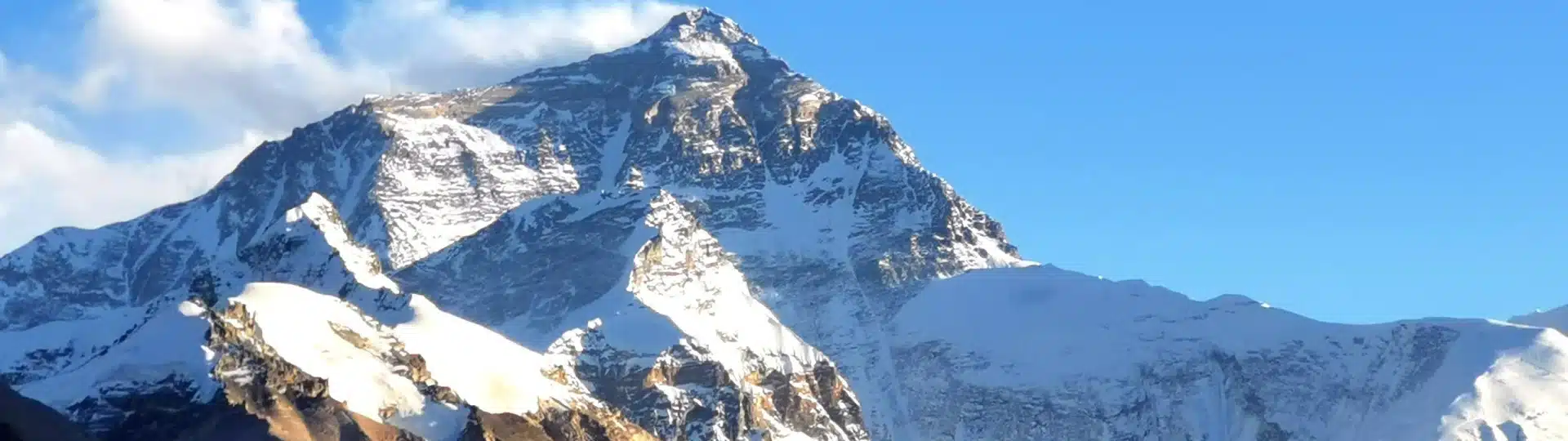
Tibet, located in Southwest China, has the world’s highest peak, Mount Everest, so it is often known as the roof of the world. The landscapes at such a height are rare sights to see. But the charm of Tibet goes beyond that. Holy sites of Tibetan Buddhism and unique Tibetan culture are all reasons to visit this beautiful region.
Because of its location, religion, and certain regulations, there are many things to know about planning a Tibet tour. Here’s the ultimate travel guide on planning a trip to Tibet with top things to do, best time to visit, transportation, essential travel documents, detailed itineraries, and other travel tips. You will be fully prepared when you travel to Tibet.
Content Preview
- Top Reasons to Travel to Tibet in 2026
- Top Attractions & Things to Do in Tibet
- Shopping in Tibet
- When Is the Best Time to Visit Tibet?
- Popular Festivals in Tibet
- How to Get to Tibet (From Mainland China and Nepal)
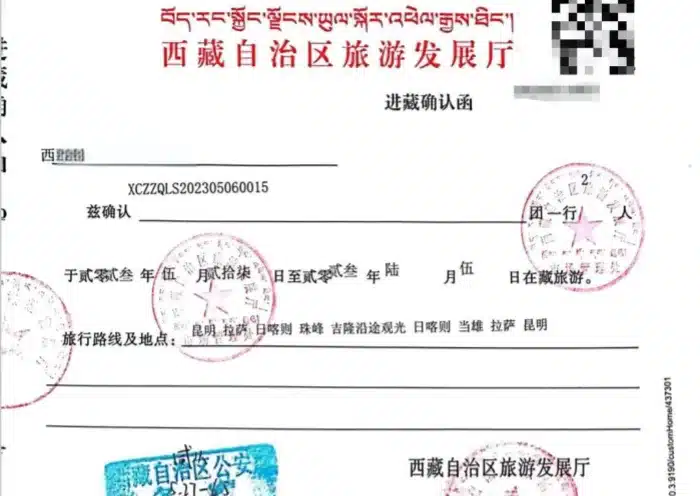
- Required Travel Documents to Visit Tibet
- How Many Days to Spend in Tibet: Best Tibet Travel Itineraries
- Tibet Elevation and Altitude Sickness
- Essential Tibet Travel Tips
- FAQs for Planning a Tibet Tour
- Ready to Plan Your Tibet Tour?
Top Reasons to Travel to Tibet in 2026
The top reasons to visit Tibet include:
- Unique Plateau Sceneries: Tibet sits on the vast Tibetan Plateau with many remarkable mountain ranges. Mount Everest is only one of the amazing peaks. Amongst the snow mountains, there are glaciers, ancient forests, and alpine lakes to witness views like no other in the world.
- Beautiful Culture of the Tibetan People: Tibetan life on the plateau is very different from what you may be used to. They have their own customs and traditions, costumes, foods, and festivals. You can experience their unique culture on your Tibet tour.
- Holy Sites and Religious Life of Tibetan Buddhism: Many Tibetan locals are devout Buddhists. Tibetan Buddhism is a branch of Buddhism that developed in the region. There are many holy sites you can visit to learn about the local religious life.
- Improved Accessibility and Infrastructure: Tibet, despite its location, altitude, and terrain, is becoming more and more accessible to tourists in 2026. More infrastructure and tourism facilities are being built to enhance your travel experience.

Top Attractions & Things to Do in Tibet
Witness Mount Everest, the Roof of the World
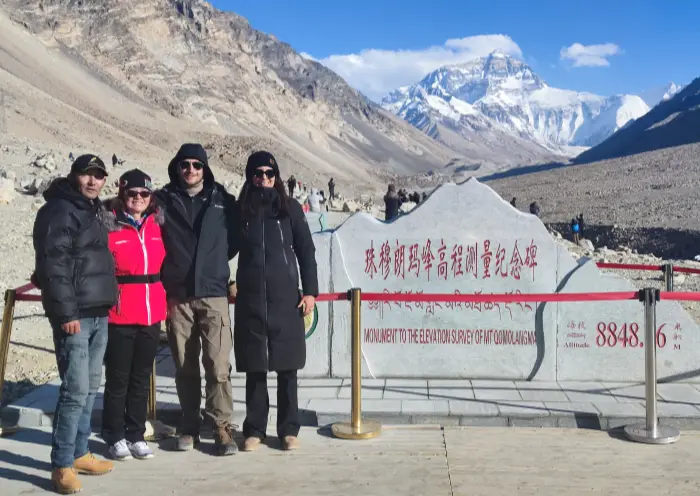
Tibet is best known for the highest peak in the world, Mount Everest. At a height of 8848.43 meters (29,032 feet), the main peak of the Himalayas is covered in snow all year round. Witnessing or even conquering it is the dream of many mountaineers and adventurers in the world. To observe it up close, you can trek to the Everest Base Camp at an altitude of 5200 meters (17,060 feet).
Visit Sacred Sites of Tibetan Buddhism
Learning about Tibetan Buddhism is one of the top things to do in Tibet, and the best way to do so is by visiting important religious sites. The most significant of all is the Potala Palace in Lhasa, the highest ancient palace in the world. It is the landmark of Tibet where many visitors and worshippers make pilgrimages to. The magnificent architecture and vast collection of Buddhist relics will leave you in awe.
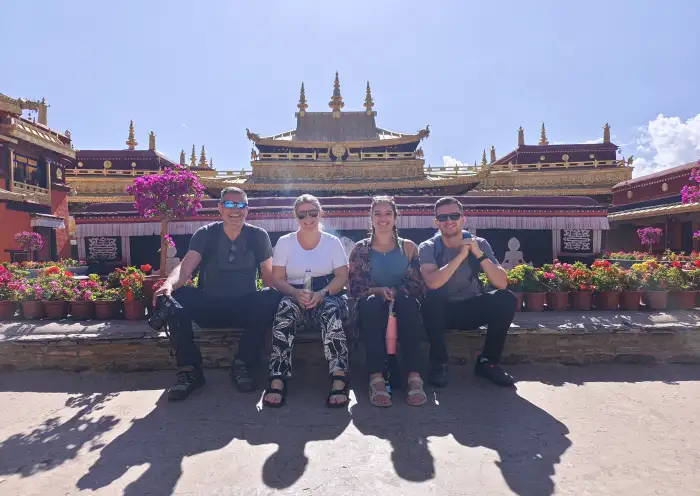
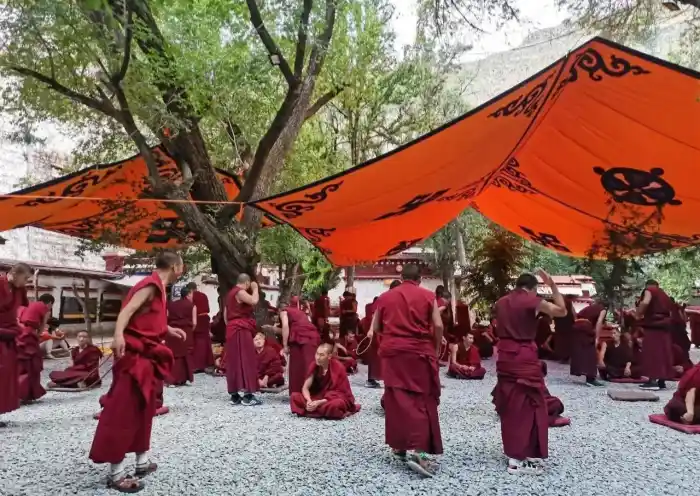
There are also plenty of monasteries to visit in Tibet. Some of the most famous ones are Jokhang Monastery, Drepung Monastery, and Sera Monastery. If your trip to Tibet includes the Everest Base Camp, you should also visit the Rongbuk Monastery, the highest temple in the world. At these Tibetan monasteries, you can observe the religious lives of the locals and monks. Just remember to be respectful on your visit.
Admire the Sacred Plateau Lakes
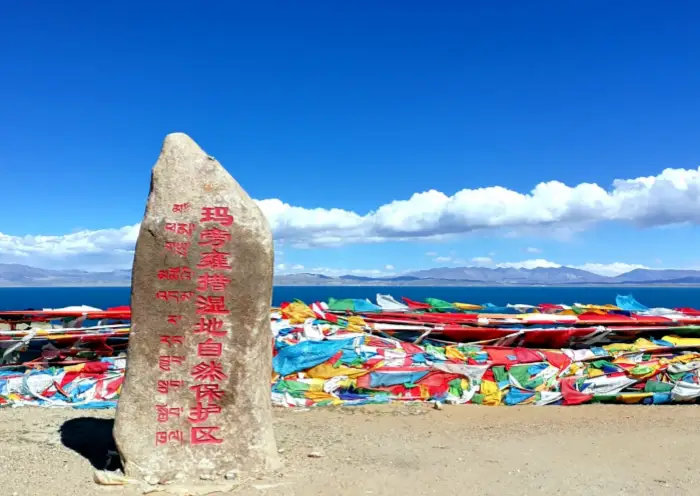
The Tibetan Plateau has many different types of landscapes that are unique to such a high altitude. You will see some of the most gorgeous lakes in your lifetime. The best ones to visit are the Three Holy Lakes of Tibet, Namtso Lake, Manasarovar Lake, and Yamdrok Lake. They are calm and vast, each with great cultural and spiritual significance to the locals.
Make a Pilgrimage to the Sacred Mountains
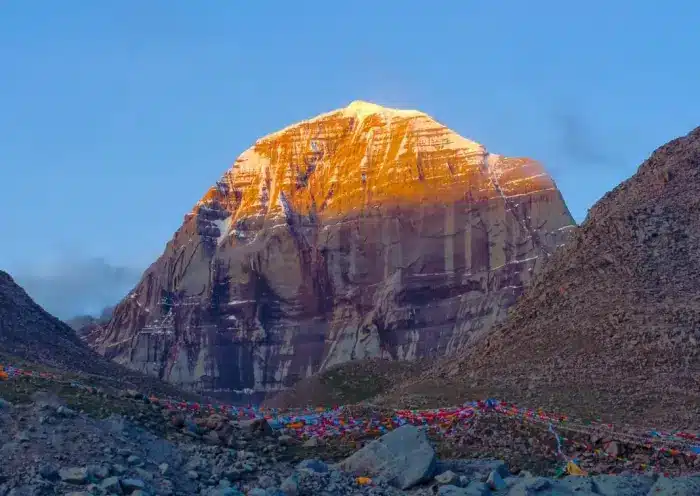
Besides the renowned Mount Everest, Tibet has countless other mountains and peaks that also offer breathtaking views and excellent hiking opportunities. Mount Kailash is the most representative. This sacred mountain is regarded by many believers to be the center of the world. The pilgrimage route involves an extensive trek of 3 days around this magnificent peak.

Shopping in Tibet
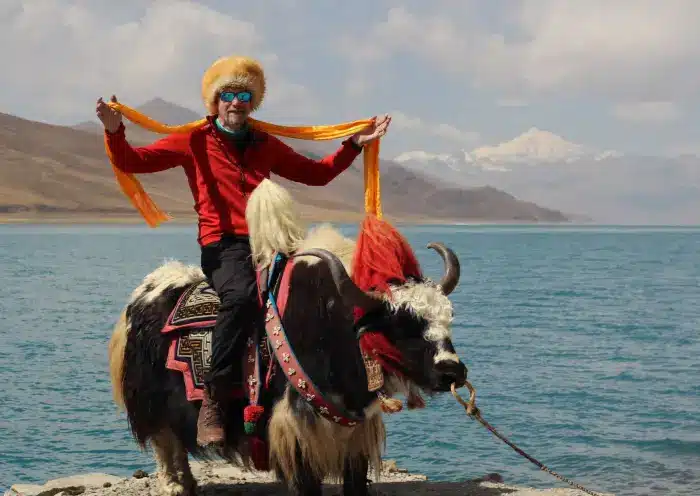
What can tourists buy in Tibet? It can be mainly classified into 4 major kinds. Traditional crafts are the most recommended, such as the thangka paintings, prayer wheels, Tibetan incense, etc. The second is the Tibetan jewelry. Here, the bracelets and necklaces are made of turquoise, beeswax and coral, which are usually simple and full of auspicious meanings. Of course, the special foods are unmissable. Buy some yak jerky, instant sweet tea or dairy products to share the flavor with your family or friends. If you want to purchase some souvenirs, the cultural and creative products are the best choices. The fridge magnets, postcards, and Tibetan paper notebooks are very popular.
Best Places to Shop
To buy the above gifts, the most famous shopping area must be the Barkhor Street in Lhasa. There are numerous stores offering you various choices. Barkhor Mall is a business circle that the locals prefer. You can also find a wide variety of goods here, and the prices may be more affordable than on Barkhor Street. Besides, the official cultural and creative stores in the attractions and specialty supermarkets are also reliable choices.
When Is the Best Time to Visit Tibet?
The best time to visit Tibet is April to May, September to October. Tibet weather is dry and cool all year round with concentrated rainfall during the summer months. These months have the best weather for sightseeing and outdoor activities like hiking in Mount Kailash. You will encounter breathtaking views. The weather will likely be clear with wildflowers blooming in the spring and colorful sceneries in the fall.
Plus, you will also be able to avoid the busiest tourist season if your trip to Tibet is during these months. Summer and China public holidays are the peak times of travel. Winter can get very cold in Tibet, so it’s also not the ideal time to visit.
Popular Festivals in Tibet
Losar (Tibetan New Year)
- When to Celebrate:The date varies every year, and usually during late January to early March. The celebration usually lasts for about one week.
- Where to Experience:Lhasa (most recommended), Shannan
- Popular Activities:Eat Gutu (dough feast), Guozhuang Dance, Tibetan Opera, horse shows
Losar is the most grand, joyous and hopeful festival for Tibetans. The locals will put on the most magnificent traditional costumes, wear precious jewelry, visit relatives and friends and offer hadas to each other to express their wishes. For travelers, it is the best time to feel the charm of Tibetan culture. In Barkhor Street Square in Lhasa, dance with the locals to indulge in the happy atmosphere. Or watch the Tibetan Opera to learn about the ancient Buddhist stories. On the third day of the new year, the ceremony of “burning incense” and hanging prayer flags is held.
Saga Dawa Festival
- When to Celebrate: 15 in Tibetan calendar (May or June in solar calendar)
- Where to Experience:Lhasa (Jokhang Temple, Barkhor Street, the pilgrimage route around the Potala Palace, Longwangtan Scenic Area)
- Popular Activities:Circumambulation, alms giving, releasing living beings, eating vegetarian food, and burning incense
Saga Dawa Festival is to commemorate the birth, enlightenment, and Nirvana of the enlightenment, and Nirvana. The Tibetan Buddhists believe that if they perform a single act of kindness during this month, the accumulated merit multiplies. So the spirit of the festival is “doing good works”. You will see how the most devout faith turns into actions. During the tour, you can also prepare some changes and give them at the almsgiving point just like a local. The most spectacular experience is undoubtedly joining the locals to circumambulate.
Shoton Festival (Yogurt Festival)
- When to Celebrate:June 30 – July 1 in Tibetan calendar (August or September in solar calendar)
- Where to Experience:Lhasa (Drepung Monastery, Sera Monastery, Norbulingka and Zongjiaolukang Park)
- Popular Activities:Buddha Display Ceremony, Tibetan Opera performance, Guolinka (picnic)
In the middle of 11 century, the Tibetan Buddhists would meditate in the temple and avoid going out to harm living beings in summer. At the end of June, when the Buddhists are allowed to go out, the locals will prepare yogurt to reward them and make connections. This tradition lasts till now. And the most eye-catching ceremony should be the Buddha Display Ceremony in Drepung Monastery. At dawn, a huge silk Thangka will be slowly unrolled to bathe in the sunshine and all the believers will prostrate themselves in worship. The scene is solemn and dignified. Besides, the Tibetan Opera is performed to convey worldviews and moral values of the Tibetan nationality. All the locals will take the tent and abundant food to have a picnic in the park.
How to Get to Tibet (From Mainland China and Nepal)
The most straightforward and time-efficient way to get to Tibet is by flight. Lhasa Gongga International Airport is the busiest port with direct flights to many major Chinese cities as well as Kathmandu, the capital city of Nepal.
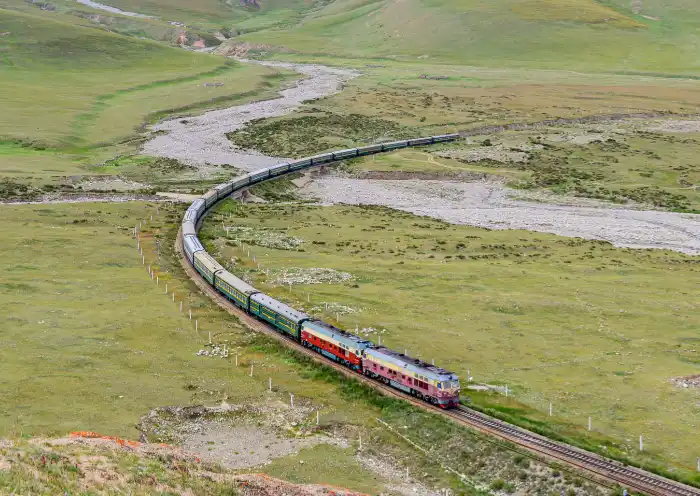
If you don’t mind spending more time on the road in return for a rewarding journey, you can choose to take a train into Tibet from other Chinese cities. You will have plenty of time to fully take in the changes in sceneries from your starting point to Tibet. Your body will also have time to slowly adjust to the altitude as you approach your destination. You can start your Tibet train tour from Beijing, Shanghai, Chengdu, or other cities.>>How to travel from Shanghai to Tibet
Finally, for visitors who love the freedom of road trips, the G318 highway from Sichuan to Tibet will give you the experience of a lifetime. Your journey will start from Chengdu and end in Lhasa. Along the way, there are many stunning attractions like snow mountains, Tibetan towns, and glaciers. The entire journey usually takes at least 8 days.
If you’re traveling to Tibet from Nepal, you can either fly from Kathmandu to Lhasa, or travel overland through Gyirong Port.

Required Travel Documents to Visit Tibet
Chinese Visa
First of all, you will need a Chinese visa to travel to Tibet. The region is not an eligible destination for any of the existing visa-free policies of China. Before your trip to Tibet, you will need to apply for a Chinese visa at the Chinese embassy or consulate that serves your residential area. You need to fill out the China visa application form online, prepare required documents, and pay the application fee.
Special Permits for Traveling in Tibet
On top of the Chinese visa, special permits are also required for visiting Tibet. There are three types of permits in total:
- Tibet Travel Permit is required for all foreign visitors traveling to any part of Tibet.
- Alien’s Travel Permit is required for Tibet travel outside of Lhasa.
- Military Permit is only required if you wish to visit certain sensitive or border areas in Tibet, such as Mount Kailash or Lake Manasarovar.
It is also important to note that foreign visitors are not permitted to travel independently in Tibet. You must book a tour with a local travel agency, and you can obtain your travel permit through your tour operator.
How Many Days to Spend in Tibet: Best Tibet Travel Itineraries
Generally, we recommend spending at least 4 or 5 days in Tibet. Depending on the destinations and attractions you’d like to visit, your trip length may vary by quite a bit. Here are some of our best Tibet tour itineraries for your reference.
5–7 Day Classic Tibet Itinerary (Lhasa + Surrounding Areas)
If you’re planning a trip to Tibet for 5-7 days, you will be able to explore the highlights of Lhasa and some surrounding regions. You may choose to head north from Lhasa to witness the famous Lake Namtso, west to Shigatse, or east to Nyingchi. Here’s an itinerary that travels to Nyingchi from Lhasa.
Day 1: Lhasa arrival (take it easy on your first day in Tibet to acclimate to the altitude)
Day 2: Potala Palace, Jokhang Temple, Barkhor Street
Day 3: Chakpori Hill, Dzonggyel Lokang, Sera Monastery, Norbulingka Park
Day 4: Ganden Monastery, 318 National Road, Mila Pass, Bayi Town
Day 5: Sekyim la Pass, Mt. Namjia Bawa, Lulang Forest
Day 6: Cypress Tree Reserve, Basomtso Lake
Day 7: Nyingchi departure
Recommended Best Classic Tibet Tours:
- 5 Days Lhasa Namtso Lake Tour
- 6 Days Lhasa and Shigatse Highlights Tour
- 7 Days Best Scenic Tour from Lhasa to Nyingchi
7–10 Day Tibet Highlights Itinerary with Everest Base Camp
7-10 days will give you enough time to visit the Everest Base Camp. Driving from Lhasa to the foot of the highest mountain in the world will take some time but the sceneries along the way and the final destination will certainly make your trip worthwhile.
Day 1: Lhasa arrival (take it easy on your first day in Tibet to acclimate to the altitude)
Day 2: Potala Palace, Jokhang Temple, Barkhor Street
Day 3: Drepung Monastery, Sera Monastery
Day 4: Yamdroktso Lake, Karola Glacier, Manla Reservoir, Penchor Chode Monastery, Penchor Chode Pagoda
Day 5: Drive from Shigatse to Mt. Everest National Nature Reserve,
Day 6: Everest Base Camp, Rongbuk Monastery, drive back to Shigatse
Day 7: Tashilhunpo Monastery, Yarlung Zangpo River
Day 8: Namtso Lake, Tashi Dor Peninsula
Day 9: Yangpachen Hot Spring, Norbulingka Park
Day 10: Lhasa departure
Recommended Best Tibet Highlight Tours:
- 8 Days Lhasa to Everest Base Tour
- 9 Days Tibet Tour with Everest and Namtso Lake
- 10 Days In-depth Tibet Adventure Tour
10–14 Day Tibet In-Depth Tour with Mount Kailash
You can fit both the Everest Base Camp and Mountain Kailash into your Tibet tour with about two weeks of time. This trip will be physically challenging but will be the experience of a lifetime for mountaineers and adventurers.
Day 1: Lhasa arrival (take it easy on your first day in Tibet to acclimate to the altitude)
Day 2: Potala Palace, Jokhang Temple, Sera Monastery, Barkhor Street
Day 3: Yamdrok Lake, Karola Glacier, Pelkor Monastery
Day 4: Tashilunpo Monastery, Everest Base Camp
Day 5: Everest Base Camp, Turquoise Lake Peiku-tso
Day 6: Mayomla Pass, Lake Manasarover
Day 7: Hike from Sarshung Valley to Droma La Pass
Day 8: Hike to Zutul Puk Monastery
Day 9: Hike to Zongto, take a bus to Darchen
Day 10: Drive to Saga
Day 11: Drive to Sakya
Day 12: Sakya Monastery, drive to Shigatse
Day 13: Yalong River, drive to Lhasa
Day 14: Lhasa departure
Recommended Best Tibet In-Depth Tour:
Customized Itinerary Ideas: Culture, Trekking, Pilgrimage, etc.
We can also help you with a tailor-made Tibet tour. Choose your travel theme, whether it be culture, outdoor adventures, or a religious pilgrimage. Our travel experts will help you customize your ideal trip.
Other Recommended Tibet Tours:
- 4 Days Private Lhasa Highlights Tour
- 6 Days Mount Kailash Pilgrimage Tour with Lake Manasarovar
- 11 Days Tibet and Silk Road Tour by Train from Xian
Tibet Elevation and Altitude Sickness
The average elevation of Tibet is above 4,500 meters (14,800 feet). And the highest point you might reach during your journey will probably be the Everest Base Camp at 5,200 meters (17,060 feet) and the highest pass of Mount Kailash, Kora – Droma La Pass at 5,630 meters (18,471 feet). It’s very important to be mindful of your physical condition and avoid altitude sickness in Tibet. Here are some tips to keep in mind:
- Spend some time to acclimate to the altitude in Lhasa. The elevation in Lhasa is not as challenging as some of the attractions, at 3,650 meters (11,975 feet). Especially if you fly into Tibet, your body will need some time to adjust to the altitude, usually 2-3 days. Mild symptoms of altitude sickness are normal.
- Take it easy after you arrive in Tibet. Avoid strenuous activities, drinking, smoking, or heavy meals. Stay hydrated.
- Prepare and take altitude sickness medicine in advance.
Essential Tibet Travel Tips
What to pack for a Tibet trip
Essential things that you will need in Tibet include:
- Clothing: Check the local weather before your trip. It can get very cold in Tibet during the winter because of the altitude. If you’re taking a trekking tour, make sure you have warm clothing and sturdy hiking shoes.
- Sun protection: UV protection is very important at such an altitude and with so much snow. Pack sunglasses, sunscreen, and hats with you.
- Medication: Aside from your prescriptions, make sure you bring altitude sickness medicine with you. You might also need stomach medication in case you are unaccustomed to the local diet.
What to eat in Tibet
The local cuisine in Tibet is very distinctive. Because of the local environment, the Tibetan diet features a lot of meat and dairy products. Signature foods are momos, a type of dumpling, yak meat, and Tsampa. The most common drinks are butter tea and sweet tea.
Accommodations in Tibet
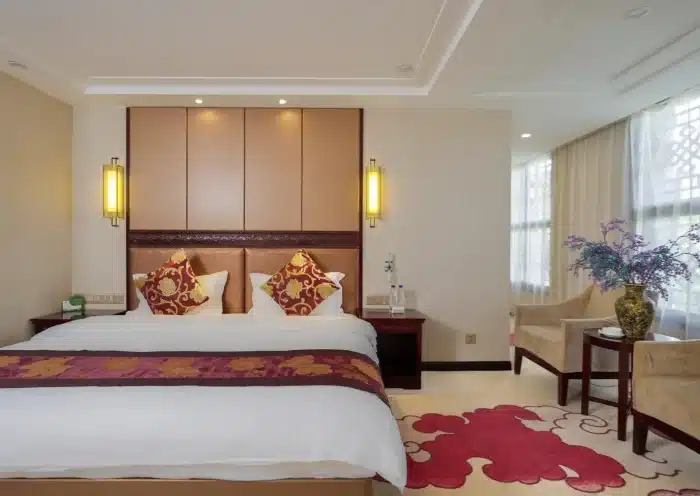
Accommodations in Tibet can vary a lot in standards. In the capital city Lhasa, especially around Barkhor Street, you will be able to find luxury hotels with excellent facilities and services. In Shigatse, the second largest city, comfortable mid-range options are available.
While in more remote areas like the Everest Base Camp or Mount Kailash, your options will likely be limited to guesthouses and tents. You should expect the living conditions to be below the usual standard, sometimes without running water or indoor toilet.
Group tours vs. private tours
As you book your Tibet tour, you might want to consider between group tours and private tours. Group tours will be relatively cheaper because you will be sharing the transportation cost with other travelers. Private tours will allow you more flexibility on the trip, and you can customize your itinerary.
Local customs and taboos
Tibet is still a relatively secluded region that preserves much of its traditions. Plus the prevalence of Tibetan Buddhism, there are many distinct customs and etiquettes to learn about before your trip. The most important Tibetan custom to be aware of is the dress code, especially when you visit monasteries. At some sites, you might need to remove your shoes or might be forbidden from taking photos.
Other Important Tips for Visiting Tibet
- Health and Safety in Tibet:The altitude sickness is of great concern to each traveler. Before departure, have a physical examination, prepare some medicines and keep a relaxed mind. After arrival, move slowly all the time, keep a light diet and wear enough warm clothes.
- Travel Insurance:An appropriate insurance will be very helpful in high plateau area. Just make sure it clearly covers medical expenses caused by altitude sickness, includes emergency medical transfer and offers 24-hour emergency rescue service.
- Currency and Payments: Foreign tourists can exchange foreign currency in main cities, ports and Lhasa Airport. And some stores around the main attractions support payment by international credit card. Of course, cash is acceptable in all places.
- Language Tips:In the attractions, there are usually English signs and some merchants can communicate in simple English. But it is also recommended to download a translation app.
- Stay Connected:In some remote areas, the mobile signal is unstable, so report the itinerary to your family and friends in advance. In an emergency, call the police immediately.
FAQs for Planning a Tibet Tour
Is it safe to visit Tibet?
Yes, Tibet is very safe as a travel destination. Altitude sickness usually won’t result in severe symptoms. Road conditions are getting better. And the general crime rates are very low. You don’t have to worry about safety in Tibet.
Do I need a special permit to visit Tibet?
Yes, Tibet Travel Permits are required for all foreign travelers (on top of a Chinese visa).
Can I travel independently in Tibet?
No, foreign travelers are not allowed to travel independently in Tibet. You must travel with a registered local tour operator like us. We will help you obtain your travel permit and can provide other essential services like transportation and guided tours.
Should I be worried about altitude sickness? How can I prevent it?
You should monitor your physical condition while you’re in Tibet and take precautions to avoid altitude sickness, but it shouldn’t be a major concern. Cases of altitude sickness tend to be mild and should get better within a few days. You can try to prevent altitude sickness by resting or taking medication.
Is it customary to tip in Tibet?
Tipping is not expected in Tibet, but if you’re satisfied with the service of your driver or local guide, it’s a nice gesture to show your appreciation. The drive between attractions tends to be long, especially if you’re traveling to the Everest Base Camp or Mount Kailash. Tipping will be much appreciated.
Ready to Plan Your Tibet Tour?
Plan your Tibet tour with China Xian Tour. You can choose from our private or group Tibet tour packages or tailor-make your own itinerary. Just tell our travel consultant your demands, then she will plan a reasonable itinerary and arrange the hotels and tickets for you. In addition, a local guide and a local driver will be assigned to ensure your tour goes smoothly. We also have China tours that will take you to Tibet from other iconic destinations.