
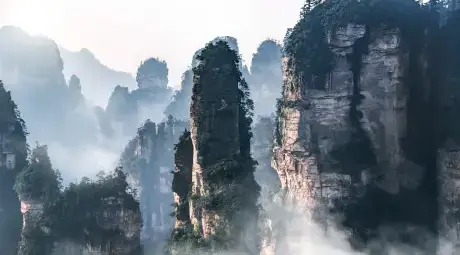
For thousands of years, Chinese people have never stopped praising their natural wonders. Whether it’s in poems, paintings or songs, mountains are always existing as a symbol of the nation’s unbreakable soul. Indeed, China does have some of the highest and greatest mountain sites in the world, and these perilous yet breathtaking landscapes have kept attracting adventurers alike to step on this land and immerse themselves in nature’s masterpieces.
Sometimes it does seem good enough to appreciate the magnificent mountain scenery through pictures or any other form of art, but indeed, it would always be better to see them with your own eyes while breezes that come down from the mountain top whispering by your side. To lead you explore China’s most splendid mountain sites, this guide will highlight the top 10 highest mountains in the country, and also share fascinating facts and travel tips to help you include them in your China tours.
Content Preview
- Major Mountain Ranges of China – Where the Highest Peaks Rise
- 1. Mount Everest (珠穆朗玛峰) – The Highest Mountain in China and the World
- 2. Mt. Qogir (K2) (乔戈里峰) – Nature’s Test For The Brave
- 3. Mount Lhotse (洛子峰) – The ‘Turquoise Goddess’ of the Himalayas
- 4. Mount Makalu (马卡鲁峰) – The Black Giant of the Himalayas
- 5. Mount Cho Oyu (卓奥友峰) – The Turquoise Giant of the Himalayas
- 6. Broad Peak (布洛阿特峰) – The “Gentler Giant” of the Karakoram
- 7. Shishapangma (希夏邦马峰) – The Final Frontier of the 8,000ers
- 8. Minya Konka (贡嘎山) – The King of Sichuan
- 9. Meili Snow Mountain (梅里雪山) – The Head of the Eight Sacred Mountains
- 10. Amne Machin (阿尼玛卿) – The Sacred Snow Giant of Qinghai
- Why Visit China’s Highest Mountains?
- FAQs about the Highest Mountains in China
- Explore China’s Beautiful Mountains with Us
Major Mountain Ranges of China – Where the Highest Peaks Rise
China is the country with the greatest variety of landforms in the world. And generally speaking, among all its regions, the western part of the country should be the most rewarding destination for people pursuing dramatic landscapes and astonishing peaks. Indeed, it’s a treasured place where the world giants like the Himalayas and Karakoram erect to touch the sky.
The Himalayas – Home to the World’s Highest Mountain in China
Among all Chinese mountains, the Himalayas are definitely the most famous and breathtaking. When looking on a map, you’ll see that it actually stretches across Tibet in an east-west direction, and it has formed the heart of the highest mountain range in this country.
Here, Mount Everest (the highest mountain in China and also the world) and its towering neighbors like Lhotse, Makalu, and Cho Oyu are still lifting humans’ dream of reaching the sky. With peaks shockingly exceeding 8,000 meters, this range has long been the ultimate destination for climbers all around the world.
However, not all the people are coming here with a determination to conquer Mount Everest. Beyond mountaineering, you can still get an unforgettable experience to explore the region’s Tibetan Buddhist culture and scenery that few places on earth are capable of matching.
Related reading: Mount Everest Weather
The Karakoram Range – K2 and Other Towering Giants
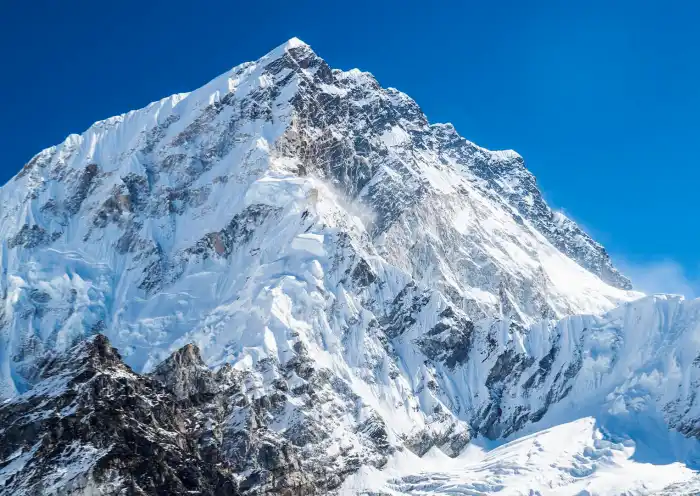
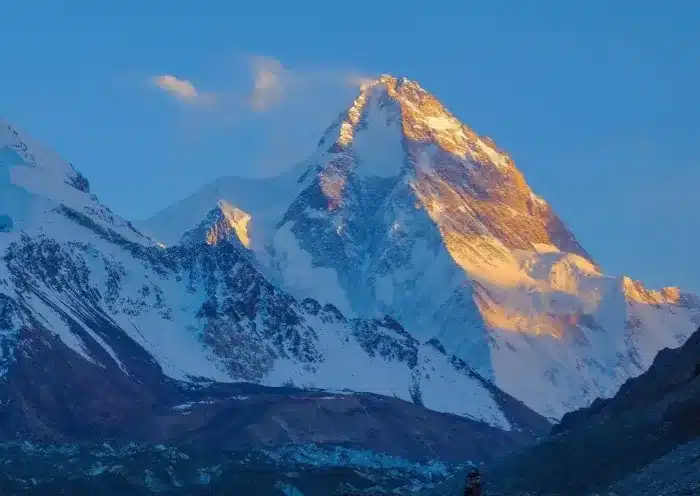
Far in China’s northwest, on the border with Pakistan, the rugged and sprawling range of Karakoram has been watching over the land silently under glaciers for thousands of years. The realm has four peaks with an elevation of over 7,900 meters, and among which the famous Mount Qogir (K2) has reached a height of 8,611 meters, making itself the second highest mountain in the world.
The Karakoram is less visited than the Himalayas due to its remoteness, but it’s definitely a spectacular part of the tallest mountains in China. Extreme adventurers could find it a paradise with unconquerable glaciers, high passes, and raw landscapes, but for visitors, climbing is surely not an option. However, you can still admire its grandeur on overland journeys through Xinjiang’s westernmost regions.
The Hengduan Mountains – Sacred Peaks of Eastern Tibet and Sichuan
Running across eastern Tibet into Sichuan and northern Yunnan, the Hengduan Mountains are lower in altitude but no less challenging and striking compared to the Himalayas and Karakoram. This range includes mountains like Minya Konka (Gongga Shan), which is often called the “King of Sichuan,” and Meili Snow Mountain (Kawagebo Peak), one of the most sacred mountains in China.
Unlike Everest or K2 which are lying far from the human world, peaks along the Hengduan Mountains are surrounded by lush valleys, Tibetan villages, and ancient monasteries. Even ordinary travelers can have excellent trekking experiences along with cultural immersion. So if you wan to see both natural wonders and local traditions, journeys to destinations near the Hengduan Mountains is more recommended. Besides, the Hengduan range also forms part of the “Three Parallel Rivers” UNESCO World Heritage site, which is famous for their rich biodiversity.
1. Mount Everest (珠穆朗玛峰) – The Highest Mountain in China and the World
Key Facts:
- Altitude/Highest Peak:8,848.86 m
- Location:Tibet Autonomous Region, China / Nepal border
- How to Get To:Travelers can first fly into Lhasa or Shigatse, then drive to Everest Base Camp (EBC) in Tibet. And all foreign travelers need to join organized tours to visit the Mountain site.
- Best For: High-altitude explorers, photographers, and adventure seekers.
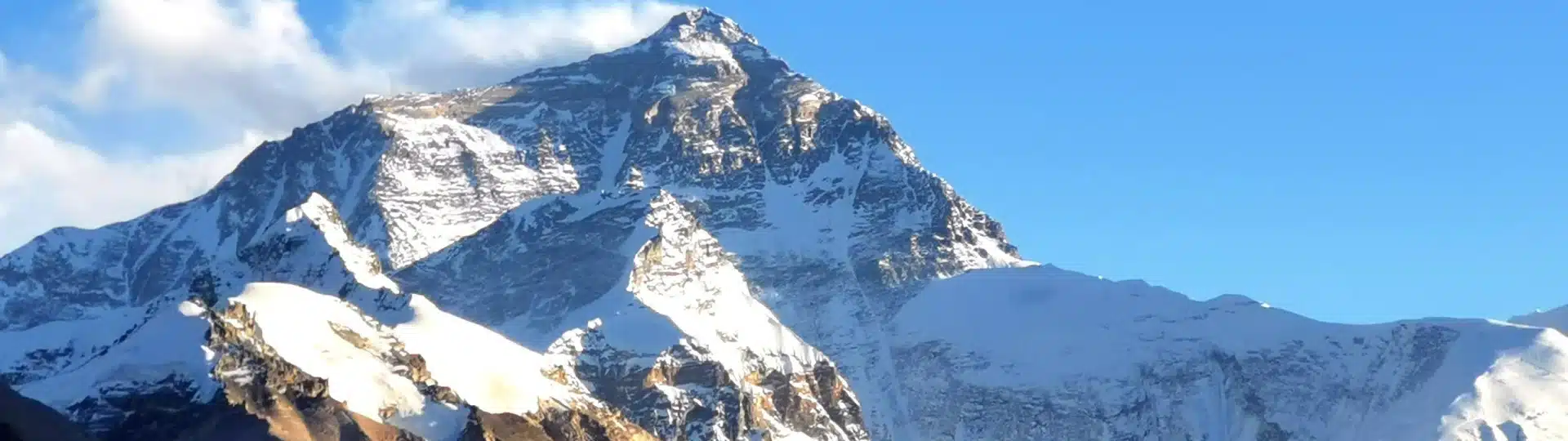
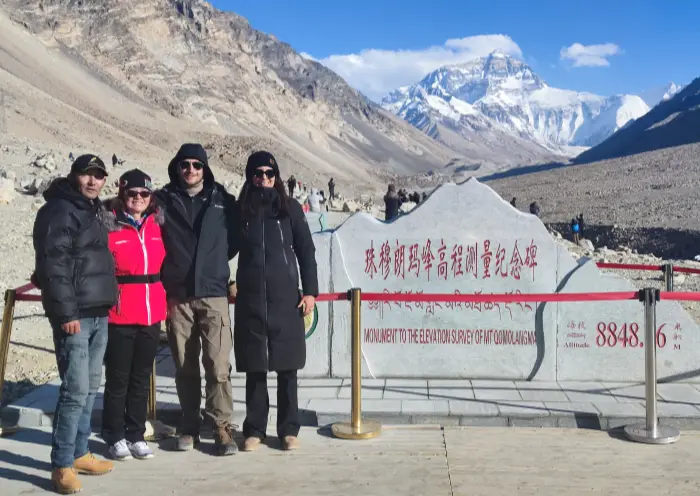
No matter it’s Qomolangma in Tibetan or Everest in English, this mountain’s name can resound through every corner of the earth for it’s incomparable height and significant status. Expect for being ultimate goal for climbers and adventurers from all around the world, it’s more of a symbol of unceasing courage and the greatest spirit of exploration that lies in all human beings’ hearts.
Visiting the north side of Everest offers a rare opportunity for almost everyone to step on the world’s roof without extreme climbing. And to make the best of your trip, consider joining Everest Base Camp overland tours from Lhasa to EBC like many travelers will do. This route allows you to visit both Tibet’s cultural highlights like Potala Palace and also the breathtaking Himalayan scenery like the Yamdrok Lake.
China Tour Packages Including Mount Everest:
- 8 Days Adventure Tour of Lhasa-Gyantse-Shigatse-Mt. Everest
- 10 Days Chengdu and Tibet Everest Base Camp Tour
- 8 Days Lhasa to Everest Base Tour
2. Mt. Qogir (K2) (乔戈里峰) – Nature’s Test For The Brave
Key Facts:
- Altitude/Highest Peak:8,611 m
- Location: Karakoram Range, China / Pakistan border
- How to Get To:The most recommended and widely chosen access is through Pakistan’s Skardu Valley. It is much harder to reach it from China’s side, due to restricted permits and remote terrain.
- Best For: Highly experienced mountaineers and serious expedition climbers.
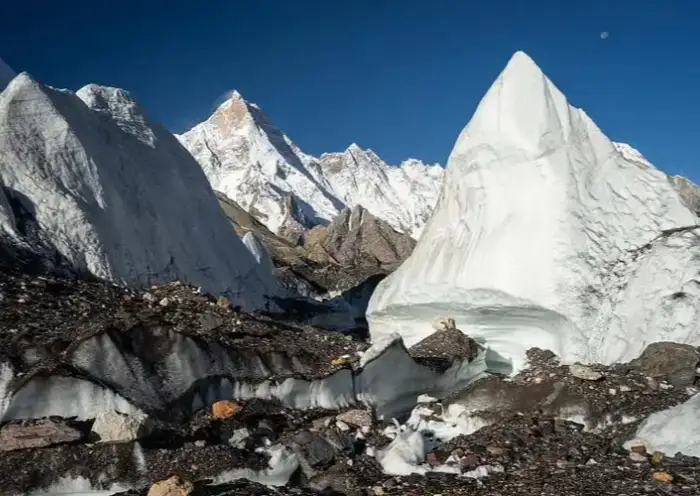
With all the dramatic ridges and harsh weather conditions, this “Savage Mountain” (called by a lot of people) is indeed so difficult for climbing that only the most experienced climbers can possibly have a try. While it’s also one of the loneliest places on the planet, some may wonder whether its peak has already caught a glimpse of Heaven.
K2 is not a typical tourist destination because of its exceptionally perilous and rugged mountain landscape. However, for adventure lovers, trekking tours to Pakistan’s Baltoro Glacier and Concordia would be even rewarding, which can offer stunning views of K2 and surrounding peaks without the extreme risks of summiting.
3. Mount Lhotse (洛子峰) – The ‘Turquoise Goddess’ of the Himalayas
Key Facts:
- Altitude/Highest Peak:8,516 m
- Location:Tibet Autonomous Region, China / Nepal border
- How to Get To:You can take the classic Everest Base Camp trekking route from Nepal’s side, or from Tibet’s Everest Base Camp region in Tingri.
- Best For:Experienced climbers and landscape photographers
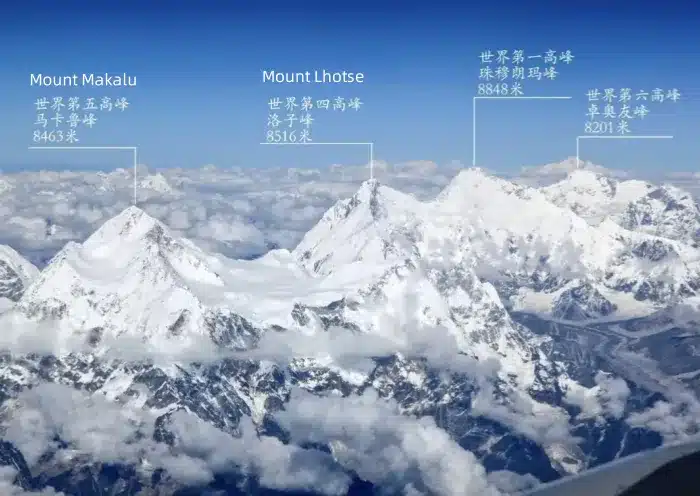
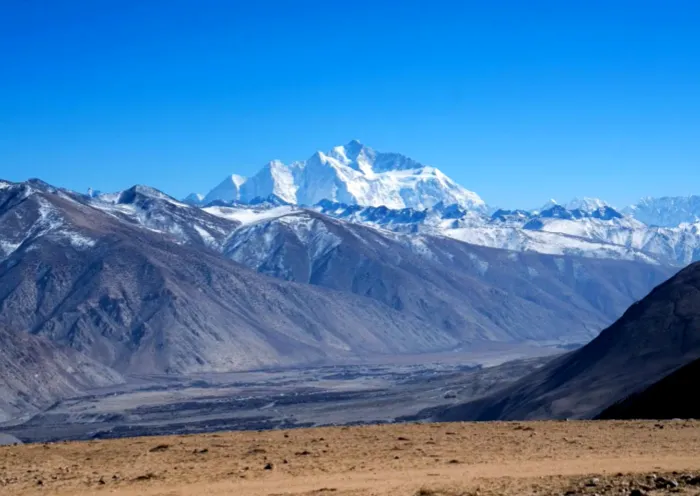
Mount Lhotse is the fourth highest in the world, standing just 3 km south of Mount Everest (3km away), and this is exactly why it got the name “Lhotse”, which means “the mountain peak in the south” in Tibetan. However, sometimes people would use another Tibetan word to call it, and that in translation means “Turquoise Goddess”.
Indeed, Mount Lhotse is an inseparable companion of the Everest. But despite being overshadowed by the world’s tallest peak, Lhotse’s unique charm of towering ridges and steep faces has never been coated. It boasts extremely rugged terrains and highly complex environment, with numerous glaciers of all sizes and unpredictable weather. Anyone attempting to climb it is essentially challenging the great forces of nature.
While it’s obviously impossible for ordinary travelers to climb the mountain, there are still many ways for you to catch the Lhotse’s grandeur, for example, taking a tour to the Everest Base Camp trekking trails.
4. Mount Makalu (马卡鲁峰) – The Black Giant of the Himalayas
Key Facts:
- Altitude/Highest Peak: 8,485 m
- Location: Tibet Autonomous Region, China / Nepal border
- How to Get To: If you’re accessing from theNepal side, then you should go to the Makalu-Barun National Park with a trek from Tumlingtar to Makalu Base Camp. However, if you’re in Tibet, approaches would start from the remote Kharta Valley area.
- Best For: Ambitious climbersand adventure travelers seeking remote wilderness
Mount Makalu, known as the fifth-highest peak in the world, has laid its massive frame along the northwest–southeast ridge on the China and Nepal border. This peak is erecting with sheer ruggedness and a truly terrifying climbing environment, and people should understand this fact at the first glance of its name.
In Tibetan, the word “Makalu” actually holds the meaning of “Black Giant.” And this is applied to refer to the mountain’s dark, exposed rock faces that can even stand resilient against the strong Himalayan winds. Except for its sharply black appearance, it further daunts countless climbers with massive glaciers, steep valleys, frequent avalanches, and ridges that are thickly covered by snow and ice.
5. Mount Cho Oyu (卓奥友峰) – The Turquoise Giant of the Himalayas
Key Facts:
- Altitude/Highest Peak: 8,201 m (other measurements list 8,188 m)
- Location: Tibet Autonomous Region, China / Nepal border
- How to Get To:It is recommended to drive from Lhasa to Tingri, as there will be plenty of viewpoints along the southern ridges and base areas.
- Best For: Trekking enthusiasts, mountain photographers.
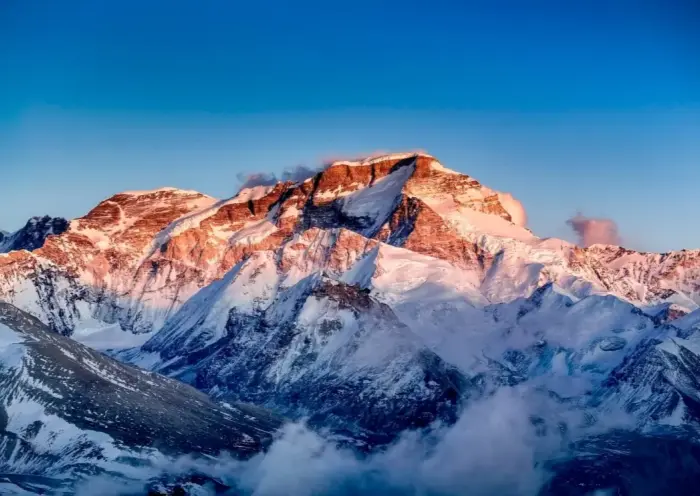
Mount Cho Oyu, the sixth-highest peak in the world, is also lying on the China–Nepal border. In Tibetan, its name “Cho Oyu” actually means “Great Master”, and this majestic mountain has, indeed, impressed the world with its “master level” icy Himalayan landscape.
On the southern side of the mountain secretly winds a pass called Nangpa La (5,800 meters high), which historically connected Tibet with Nepal’s Khumbu region. And its existence does add another layer of cultural and historical value on its natural beauty.
For travelers looking forward to embracing Cho Oyu’s grandeur, the best way is to travel from Tibet via Tingri and take short treks along the southern ridges, which would offer spectacular views of the mountain.
6. Broad Peak (布洛阿特峰) – The “Gentler Giant” of the Karakoram
Key Facts:
- Altitude/Highest Peak: 8,051 m
- Location: Karakoram, on the China / Pakistan border
- How to Get To:Fly to Skardu (Pakistan) or drive from Gilgit, then join organized trekking tours to the base camp.
- Best For: Adventurers, photographers
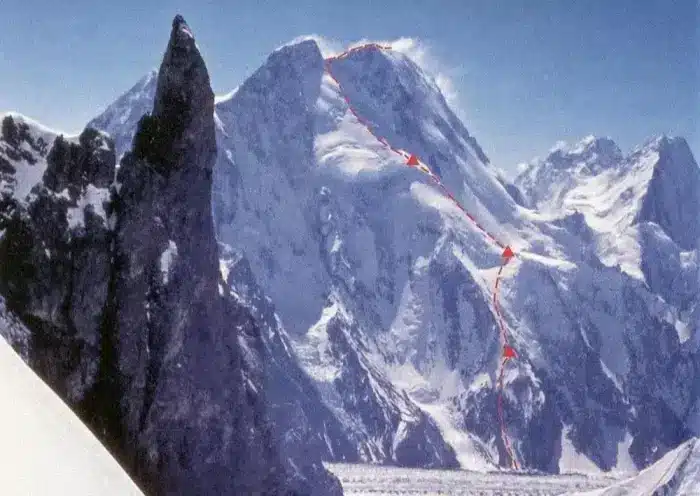
Broad Peak is the third highest peak of the Karakoram and also the 12th highest in the world. Compared to its neighbors, it’s a more “merciful” 8,000-meter peak for climbers. The name “Broad Peak” was in fact given by an American expedition in 1892, which was used to describe its nearly one-mile-long summit. However, for local people, the mountain is always their “Three-Peaked Mountain”, a name refers to Broad Peak’s three main ridges that rise sharply into the sky. The mountain’s imposing form is perennially covered with snow and ice, giving it a majestic presence that visitors can never forget.
7. Shishapangma (希夏邦马峰) – The Final Frontier of the 8,000ers
Key Facts:
- Altitude/Highest Peak: 8,027 m
- Location: Tibet Autonomous Region, China
- How to Get To: Reachable from Lhasa via Shigatse and Tingri
- Best For: Mountaineers, photographers, and travelers seeking a less-crowded Himalayan giant
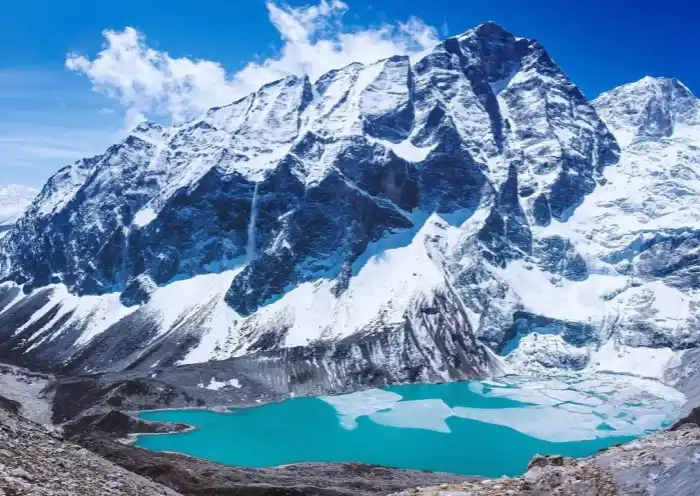
Mount Shishapangma, soaring 8,027 meters into the sky, is more than just the world’s 14th highest mountain; it’s, indeed, the only 8,000-meter peak located entirely within China and also the last one of world’s 8,000-meter giants that human beings have conquered.
In Tibetan, Shishapangma is actually referring to “a place of harsh, ever-changing climate.” Yet, local Tibetans still honor the peak as a “sacred and auspicious mountain” with all their spiritual reverence, despite the challenges that the mountain has posed. While the cold breezes keep spreading out the calls that made by the snow-covered peak, the world has, indeed, never felt tired to praise its vast glaciers, permanent snowfields, and dramatic ridge lines that best showcase the raw power of Himalayan geology.
While climbing is only reserved for experts, travelers can still enjoy stunning roadside views of Shishapangma en route to Tibet’s Everest Base Camp.
8. Minya Konka (贡嘎山) – The King of Sichuan
Key Facts:
- Altitude/Highest Peak:7,556 m
- Location: Garzê Tibetan Autonomous Prefecture, Sichuan, China
- How to Get To:Take Chengdu as your starting point and travel all the way west to Kangding, then continue toward Hailuogou Glacier Park or Gongga Base Camp area
- Best For:Hikers, cultural explorers, and glacier enthusiasts
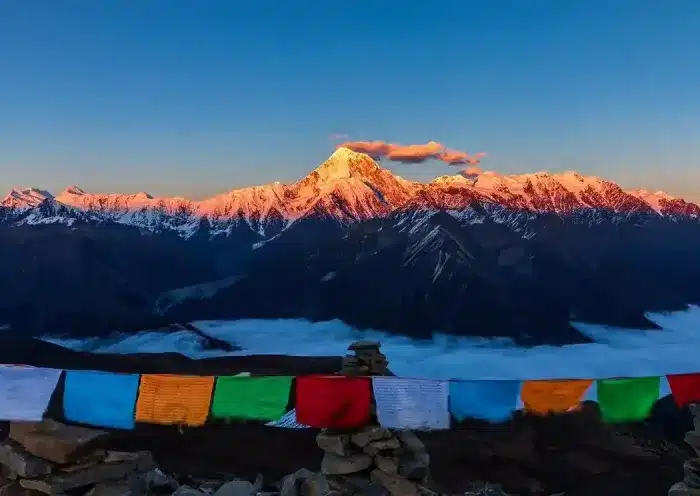
Minya Konka, also known as Gongga Shan, is the highest peak in Sichuan Province and also the Hengduan range. Being proudly called as the “King of Sichuan,” it lives up to the reputation that its name suggests. Even from a great distance, you’ll still see its sharp pyramidal form and sprawling glaciers as the most stunning skyline above the Tibetan plateau and Sichuan Basin.
Surrounded by glaciers, alpine meadows, and Tibetan monasteries, Minya Konka offers a wider range of charms then the giants we have introduced just above. Visitors here can pleasantly relax in both natural majesty and cultural depth. Even though the mountain is famous for its extreme climbing difficulty, for ordinary travelers, it’ll be enough to take scenic routes near Kangding and Hailuogou Glacier Park to admire its icy grandeur up close.
9. Meili Snow Mountain (梅里雪山) – The Head of the Eight Sacred Mountains
Key Facts:
- Altitude/Highest Peak: 6,740 m (Kawagebo Peak)
- Location: Border of Yunnan and Tibet, China
- How to Get To:Start from Shangri-La (Diqing) and drive to Deqin and Feilai Temple for the best views
- Best For:Pilgrims, trekkers, and photography lovers
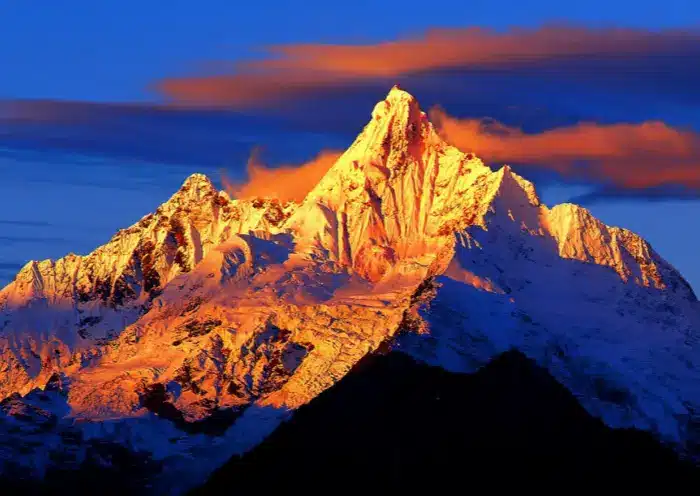
Meili Snow Mountain, which peaks at Kawagebo, is one of the most sacred mountains according to Tibetan Buddhism. It straddles the border of Yunnan and Tibet and forms a spectacular range that with its famous “Thirteen Peaks of The Prince” and some neighboring peaks. However, Kawagebo itself (the head of the Eight Sacred Mountains in Tibet) has never been successfully summited in history, and the fact that Kawagebo is “beyond human rich” has added an aura of spiritual mystery to the mountain.
Travelers are most captivated by the breathtaking sunrise views from Feilai Temple near Deqin, where the first light of the day coats the peaks with a dream-like golden hue. And since you can explore all kinds of sites here, including monasteries, glaciers, and trekking trails here, Meili Snow Mountain has long been recognized as both a spiritual and scenic highlight of southwest China.
10. Amne Machin (阿尼玛卿) – The Sacred Snow Giant of Qinghai
Key Facts:
- Altitude/Highest Peak: 6,282 m
- Location: Golog Tibetan Autonomous Prefecture, Qinghai, China
- How to Get To: Departing fromXining, and then travel to Golog (Maqin County) for viewpoints and trekking opportunities
- Best For:Pilgrims, off-the-beaten-path trekkers, and cultural travelers
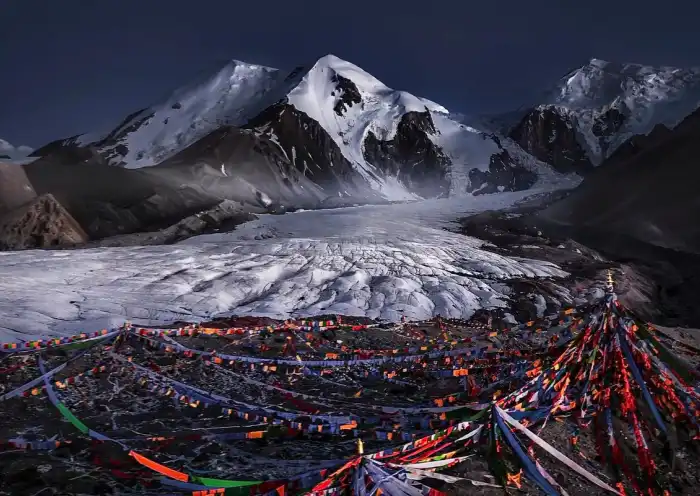
Amne Machin, also known as Maji Snow Mountain, shockingly soars 6,282 meters to the sky, and thus becomes the highest peak of the Amne Machin range in Qinghai. Known in Tibetan as the “Mountain of the Ancestor God,” it is not only a natural wonder but also one of eight Tibet’s sacred peaks that is deeply revered by Tibetan people. Pilgrims often perform week-long circumambulations around the mountain, while surrounding wildlife and medicinal plants witnessing their devotion year after year.
Why Visit China’s Highest Mountains?
Visiting towering peaks is always different from normal sightseeing, as it offers a full sensory and physical experience. From the 8,000-meter giants in Tibet to the sacred snow-capped mountains of Yunnan and Sichuan, there’s always something suitable for you.
Mountaineering Expeditions (Everest North Route, K2)
For experienced climbers, China’s high mountains can definitely be your dream destinations. Here, various world-class mountaineering opportunities are waiting for you, while Everest North Route in Tibet allows adventurers to reach the legendary Everest Base Camp, and K2 of course, which has never stopped attracting climbers with its majestic figure. But surely, these expeditions are best experienced through organized climbing tours with professional guides.
Hiking & Cultural Experiences (Meili, Gongga Shan)
For people who are interested in lower-level trekking tours and cultural immersion, mountains like Meili Snow Mountain and Minya Konka (Gongga Shan) are definitely destinations you need to go. They’ll provide more accessible routes that go through all the identical scenery, while also give you some perfect spiritual experiences.
Scenic Attractions for Travelers (Viewpoints, National Parks)
Even without trekking or climbing, you can still appreciate the beauty of China’s mountains from scenic drives and national parks. Places like the Tibetan Plateau, Yunnan’s highland valleys, and Sichuan’s Hengduan Mountains can offer you all the views and encounters that you may have expected. Many designed tours will also a touch of cultural highlights, taking you to travel through time in Tibetan villages and monasteries, with accessible viewpoints of the snow-capped peaks.
FAQs about the Highest Mountains in China
Q: What’s the highest mountain that is entirely located in China?
A: The only match the condition is Mount Shishapangma, and it’s also world’s 14th highest mountain
Q: What’s the difference between “Mount Everest” and “Mount Qomolangma”?
A: Both names refer to the same mountain. “Everest” is its English name, while “Qomolangma” is the Tibetan name with a deeper meaning of “Holy Mother.”
Q:Are the highest mountains in China also among the highest in the world?
A: Yes. Many of the world’s highest mountains are also the highest in China, including Shishapangma, Mount Everest, Cho Oyu, and some others (most have been introduced in above sections).
Q: Do I need a special permit to visit or climb these mountains?
A: Yes. For foreigners who want to visit or trek near Tibet’s high mountains, a Tibet Travel Permit is a must needed and sometimes you must also get an additional permit for entering 8,000-meter peaks, along with taking local regulations and mandatory guides. As for going to some special cases like the Meili Snow Mountain, climbing its main peak is strictly prohibited for its sacred status, though trekking around its scenic areas is allowed.
Explore China’s Beautiful Mountains with China Xian Tour
If you want to experience China’s majestic mountains without any hassle, then traveling with us can best satisfy your needs. China Xian Tour‘s travel experts will take care of everything to ensure you a smooth and safe journey including getting the Tibet visit permits. Besides, our tours can be fully customized, and this means you’ll be the one to make all decisions along the way. From logistics to insider tips, we’re here to give you an unforgettable mountain experience.