




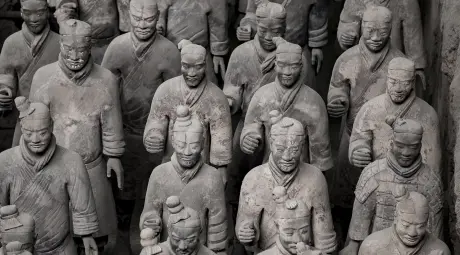


Turpan is one of the must-visit destinations on any Xinjiang or Silk Road itinerary and the closest major historical city to Urumqi. Turpan’s convenient transportation and intriguing cultural heritage make it a popular stop for travelers to western China.
The city is renowned for its fascinating Silk Road ruins, dramatic desert basin landforms, the ancient Karez irrigation system, and centuries-old grape culture.
If you are planning a trip to Xinjiang, one to two days in Turpan are enough for the major local highlights. For those interested in exploring ancient architecture, Buddhist grottoes, Uyghur villages, and desert landscapes, a three-day Turpan itinerary offers an engaging experience at a slower pace.
As one of the hottest and driest places in China, Turpan requires careful planning to make the most of your visit.

Content Preview
- Is Turpan Worth Visiting? Why Visit Turpan?
- How to Plan Your Turpan Itinerary?
- Things to Do in Turpan
- How to Get to Turpan?
- What’s Turpan Weather Like? When is the Best Time to Visit Turpan?
- Turpan Travel Tips
- Travel Turpan with China Xian Tour
Is Turpan Worth Visiting? Why Visit Turpan?
For first-time visitors to Xinjiang, the answer is yes — Turpan is absolutely worth visiting.
If you are interested in alpine scenery, destinations such as Kanas or Ili may suit your preferences better. However, if you want to learn the history of the Silk Road, the civilizations of China’s ancient Western Regions, and centuries of cultural exchange between East and West, Turpan is your go-to destination.

Here are a few reasons why you should include Turpan in your Xinjiang itinerary.
China’s Most Well-Preserved Ancient City on the Silk Road
Turpan used to be a transportation hub of the Western Regions in ancient China. Here rest several crucial historical sites, such as Jiaohe Ruins (UNESCO World Heritage Site), Gaochang Ancient City, and Bezeklik Thousand Buddha Caves.
These ruins witness the eastward spread of Buddhism and the development of trade along the Silk Road, making Turpan stand out with its profound cultural legacies.
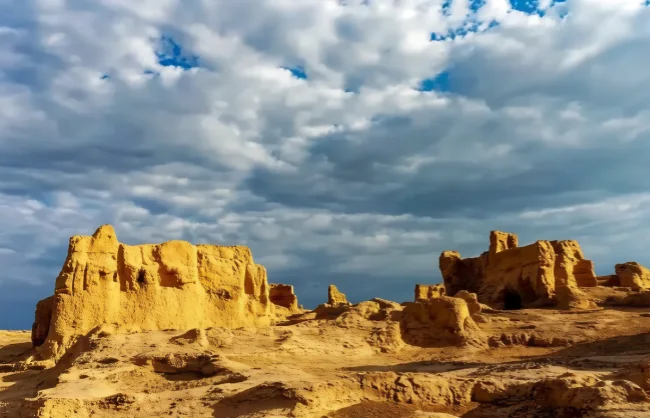
Extraordinary Desert Landscapes and Ancient Engineering
Turpan is famous as the “hottest point” in China. During the peak of summer, ground temperatures can exceed 70 ℃.
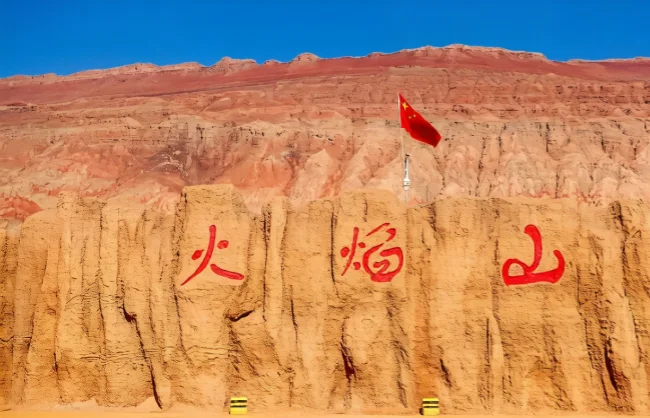
The iconic Flaming Mountains, with their striking red sandstone ridges, and Ayding Lake — China’s lowest point at 154 meters below sea level — never fail to create a strong visual impact on every visitor.
Just as impressive is the Karez Irrigation System, one of the world’s greatest ancient water engineering achievements. This miraculous underground network channels snowmelt from the Tianshan Mountains to the oasis, sustaining agriculture and daily life in one of China’s driest regions.
The cool underground tunnels create a refreshing temperature contrast of 10 ℃ to the burning desert above. The Karez system is often referred to as one of the Three Great Ancient Engineering Projects of China.

Who Should Visit Turpan?
Turpan is an excellent destination for travelers who:
- are visiting the Silk Road for the first time;
- enjoy exploring historical sites;
- are interested in Uyghur culture and local traditions;
- want to take an easy side trip from Urumqi
- plan to include a cultural destination in a broader Xinjiang itinerary

Explore Kashgar's ancient Old City, wander Turpan's underground Jiaohe Ruins, and discover China's oldest Uyghur village nestled in Tuyuq Valley.
How to Plan Your Turpan Itinerary?
How many days should you spend in Turpan? The ideal length of your Turpan itinerary depends on your travel style. For most visitors, two days in Turpan is the perfect amount of time to experience the city’s major historical and natural attractions without feeling rushed.
Turpan’s attractions spread across several areas, including the western outskirts of the city, the eastern historical sites, and the Flaming Mountains scenic area. Most attractions are located 10-50 km apart, making transportation an inevitable part of your trip planning.
See the Turpan Travel Map for details:

If you travel independently, it is highly recommended to hire a private car, join a one-day guided tour, or arrange a shared transfer. These options are far more convenient and time-efficient than public transport.
Below are three suggested Turpan itineraries to help you choose the best option based on your schedule:
One-Day Turpan Itinerary
If you are short on time, it’s still possible to visit Turpan on a day trip from Urumqi. Take an early morning high-speed train to Turpan North Railway Station, then spend the day exploring:

Attraction |
Description |
Jiaohe Ancient City |
one of the world’s best-preserved ancient earthen cities and a UNESCO World Heritage Site |
Karez Irrigation System |
the ingenious underground water network that has sustained Turpan’s oasis for centuries |
Grape Valley (July to September) |
lush vineyards and fresh Turpan grapes during the harvest season |
Emin Minaret (Sugong Pagoda) |
Xinjiang’s largest Islamic minaret, renowned for its distinctive brick architecture |
Then return to Urumqi in the evening. That concludes a popular day trip route in Turpan.
Your English-speaking tour guide and a driver will pick you up from the downtown hotel and transfer you to Urumqi railway station for an hour's high-speed train to Turpan.
Two-Day Turpan Itinerary
A two-day itinerary offers the best balance between sightseeing and relaxation. In addition to the attractions above, you’ll have time to explore key Silk Road heritage sites, such as:

Attaction |
Description |
Tuyoq Valley |
a traditional Uyghur village nestled in a splendid desert valley |
Flaming Mountains |
the iconic red sandstone mountains made famous by the Chinese classic Journey to the West |
Bezeklik Thousand Buddha Caves |
ancient Buddhist grottoes featuring remarkable murals dating back over a thousand years |
Gaochang Ancient City |
once a thriving Silk Road kingdom and one of the largest ancient cities in western China |
This route covers more than 90% of the top attractions, while leaving enough time to sample local cuisine and browse the evening markets. It suits first-time visitors to Xinjiang.
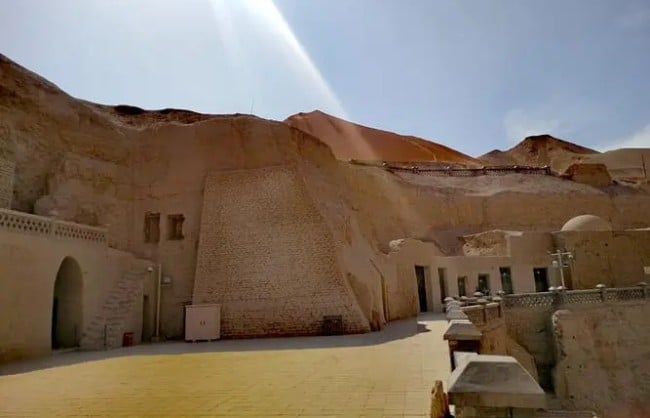
Discover Turpan's Silk Road treasures including Bezeklik Thousand Buddha Caves, Jiaohe Ruins, Flaming Mountains, and the ingenious Karez irrigation system on this 2-day private tour.
Three-Day Turpan Itinerary (In-Depth Experience)
If you have an extra day, consider venturing beyond Turpan’s classic attractions to some of the most spectacular natural landscapes.
One of the best options is the Kumtag Desert, where towering sand dunes stand on the edge of an oasis. It is a nice spot for camel riding, desert hiking, and off-road adventures.
Things to Do in Turpan
If you are a first-timer, a tour of six to eight core attractions would make your time in Turpan worthwhile.
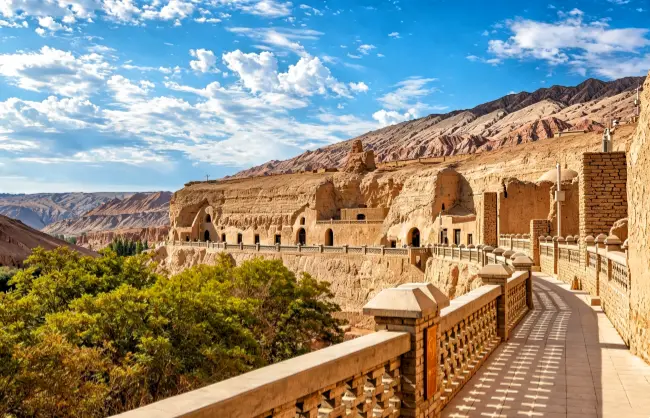
Attraction |
Recommendation Rating |
Recommended Time Spent |
Must-Visit or Not |
Jiaohe Ancient City |
★★★★★ |
2 Hours |
Must-Visit |
Flaming Mountains |
★★★★★ |
1 Hour |
Must-Visit |
Karez Irrigation System Park |
★★★★★ |
1.5 Hours |
Must-Visit |
Grape Valley |
★★★★☆ |
2 Hours |
Recommended |
Gaochang Ancient City |
★★★★☆ |
2 Hours |
Recommended |
Bezeklik Thousand Buddha Caves |
★★★★☆ |
1 Hour |
Recommended |
Emin Minaret (Sugong Pagoda) |
★★★★☆ |
40 Minutes |
Recommended |
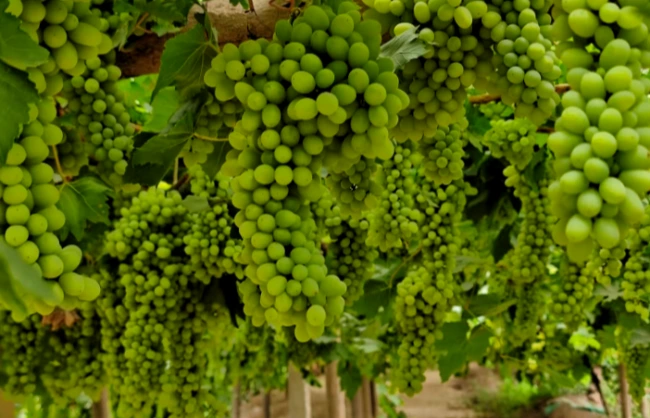
Jiaohe Ancient City — Turpan’s Must-See UNESCO World Heritage Site
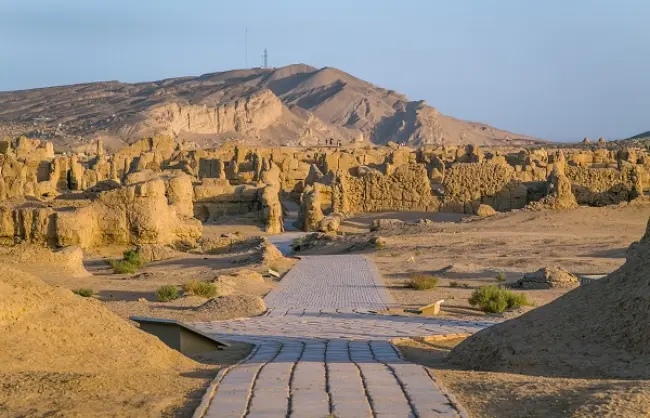
No visit to Turpan is complete without Jiaohe Ancient City, one of the world’s best-preserved ancient cities made of earth, and a UNESCO World Heritage Site along the Silk Road.
Built on a naturally elevated plateau, Jiaohe is unique for having no surrounding city walls. Even after more than 2,000 years, the layout of its streets, temples, government offices, and residential quarters remains identifiable.
To fully appreciate the site’s history, we highly recommend hiring a local guide or renting an audio guide.

A 5-day private tour connecting Urumqi and Turpan, covering Heavenly Lake, Bezeklik Thousand Buddha Caves, Jiaohe Ruins, and Sugong Pagoda with authentic local food experiences.
Karez Irrigation System — The Best Place to Understand Turpan’s Oasis Civilization
Alongside Jiaohe Ancient City, the Karez Irrigation System is one of Turpan’s most important cultural attractions.
Through interactive exhibits explaining the operation of the underground tunnels and the irrigation process, visitors can gain some insights into how Turpan flourishes as a prosperous Silk Road oasis despite very little rainfall each year.
How to Get to Turpan?
If you travel between Turpan and Urumqi, convenient public transportation options like high-speed rail and long-distance bus are available.
Transport |
Time |
Recommendation Rating |
High-Speed Rail |
1 Hour |
★★★★★ |
Long-Distance Bus |
3 Hours |
★★★★ |
Private Car |
2.5 Hours |
★★★★★ |
High-Speed Rail (Urumqi — Turpan): Top Choice
High-speed rail runs frequently throughout the day; most trains arrive at Turpan North Railway Station, which is located around 50 km from downtown Turpan. Upon arriving, you’ll need to take a taxi or rideshare to reach the city center and nearby attractions.
Hire a Private Car or Driver
If you plan to visit several attractions in one or two days, hiring a private car or driver would be the key to a prime experience since public transportation between sites is limited.
A private car is especially recommended if you want to:
- photograph the Flaming Mountains at sunrise or sunset
- travel with family or a group of four or more, making the cost more economical per person
How to Get to Cities nearby Turpan?
Located along the Lanzhou-Xinjiang Railway and the G30 Lianhuo Expressway, Turpan is an important transportation hub in eastern Xinjiang. It’s also a natural stop on many Xinjiang and Silk Road itineraries.
From Turpan, you can easily continue your journey to several popular destinations:
Destination |
Transportation |
Travel Time |
Urumqi |
High-speed Rail |
About 1 Hour |
Hami |
High-speed Rail |
About 2 Hours |
Korla |
Train or Private Transfer |
Varies by Service |
Dunhuang |
Train or Private Transfer |
Varies by Service |

Travel the entire ancient Silk Road from Xi'an's Terracotta Warriors through the Hexi Corridor to Kashgar's vibrant old city and Central Asian bazaars in ten days.
What’s Turpan Weather Like? When is the Best Time to Visit Turpan?
One of the most common questions travelers ask is: “Is Turpan too hot to visit?”
The short answer is it depends. While Turpan is a real furnace in summer, it’s still an excellent destination, as long as you plan your sightseeing wisely:
Season |
Weather |
Recommendation Rating |
Spring (April-May) |
Warm, Dry & Occasionally Windy |
★★★★★ |
Summer (June-August) |
Daytime Temperatures Often Exceed 40°C |
★★★ |
Autumn (September-October) |
Pleasant Weather & Harvest Season |
★★★★★ |
Winter (November-March) |
Cold & Dry |
★★★ |
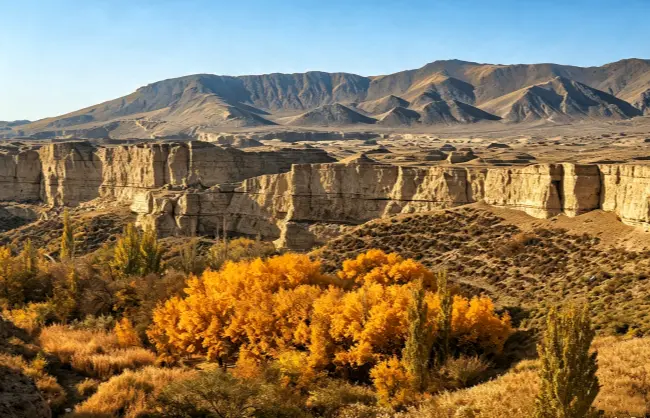
Best Time to Visit Turpan
Considering the Turpan weather, scenery, and overall travel experience, April to June and September to October are the best times to visit Turpan.
If you are keen on Turpan’s famous fruit harvest, plan your trip for late August to early September, when local vineyards and orchards are at their peak.
Is Turpan Too Hot in Summer?
Turpan’s regular summer temperatures regularly exceed 40°C and ground temperatures can reach 70 °C, earning it the nickname of the “Land of Fire”.
Fortunately, the heat is manageable if you adjust your schedule:
- Start sightseeing before 9 am.
- Visit indoor attractions, enjoy a leisurely lunch, or take a break at your hotel between 12 pm and 4 pm. (Many locals also avoid outdoor activities during the hottest period of the day)
- Continue your tour of outdoor attractions, such as the Flaming Mountains, in the late afternoon or early evening.
Turpan Travel Tips
A little preparation can make your trip to Turpan much more comfortable and enjoyable.
Protect Yourself from the Summer Heat
We recommend bringing:
- SPF 50+ sunscreen
- Sunglasses and a wide-brimmed hat
- Lightweight, long-sleeved sun-protective clothing
- 1-2 liters of drinking water
- Electrolyte drinks
Whenever possible, avoid prolonged exposure to the midday sunlight.
Don’t Miss Turpan’s Local Fruits
Turpan’s abundant sunshine and large day-to-night temperature differences create sufficient conditions for the local fruits to grow sweet and juicy.
Try as many as you want (the best fruit season runs from July to September):
- Seedless white grapes
- Turpan raisins
- Hami melon
- Apricots (June)
- Mulberries (May-June)
- Sweet melons
Is Turpan Safe for Tourists?
Yes. Turpan is one of Xinjiang’s most established tourist destinations and is generally considered safe and hospitable for both domestic and international visitors, as long as you ensure that you:
- carry your passport or other valid forms of identification;
- respect local customs and traditions, particularly in Uyghur communities or religious sites.
What to Eat in Turpan
Some local favorites include:
- Lamb skewers
- Uyghur pilaf (Polo)
- Xinjiang hand-pulled noodles (Laghman)
- Freshly baked naan
- Big plate chicken
- Xinjiang yogurt

Travel Turpan with China Xian Tour
Whether you’re planning an immersive journey across Xinjiang or following the legendary Silk Road to the west, Turpan deserves at least one or two days on your travel plan.
From the UNESCO-listed ruins of Jiaohe Ancient City and the magnificent landscapes of the Flaming Mountains to the marvelous Karez Irrigation System and the colorful Grape Valley, Turpan brings together many of the natural and cultural masterpieces in one stop.
With a well-planned itinerary, land transfers, and a sightseeing schedule that avoids the midday summer heat, China Xian Tour will offer you a fascinating oasis city where Silk Road history, desert scenery, and vibrant local culture come together to create an unforgettable Xinjiang trip.


