







Written by Candice Zhao |
If you want to have a quick insight into the evolution of Chinese characters, calligraphy art and the cultural exchanges along the Silk Road, Xian Beilin Museum, aka the Forest of Stone Steles, is the unparalleled destination. More than just an ordinary museum, it is the world’s oldest “stone library”.
This ultimate guide covers the unmissable treasures, top experiences, recommended visiting route and transportation information to help visitors plan a perfect trip.
- Opening hours: 08:30-19:0 Ticket checking stops at 17:30
- Ticket price: CNY 85 (USD 13)
- Suggested visiting time: 5-2.5 hours
- Advance reservation: Not required (original passport is needed for ticket purchase)
- Address: 15, Sanxue Street, Beilin District, Xian
Content Preview
- Must-see Treasures
- What to Do
- Best Visiting Route
- How to Get to
- Nearby Attractions
- Explore with China Xian Tour
- FAQs
The Must-see Treasures of the Beilin Museum
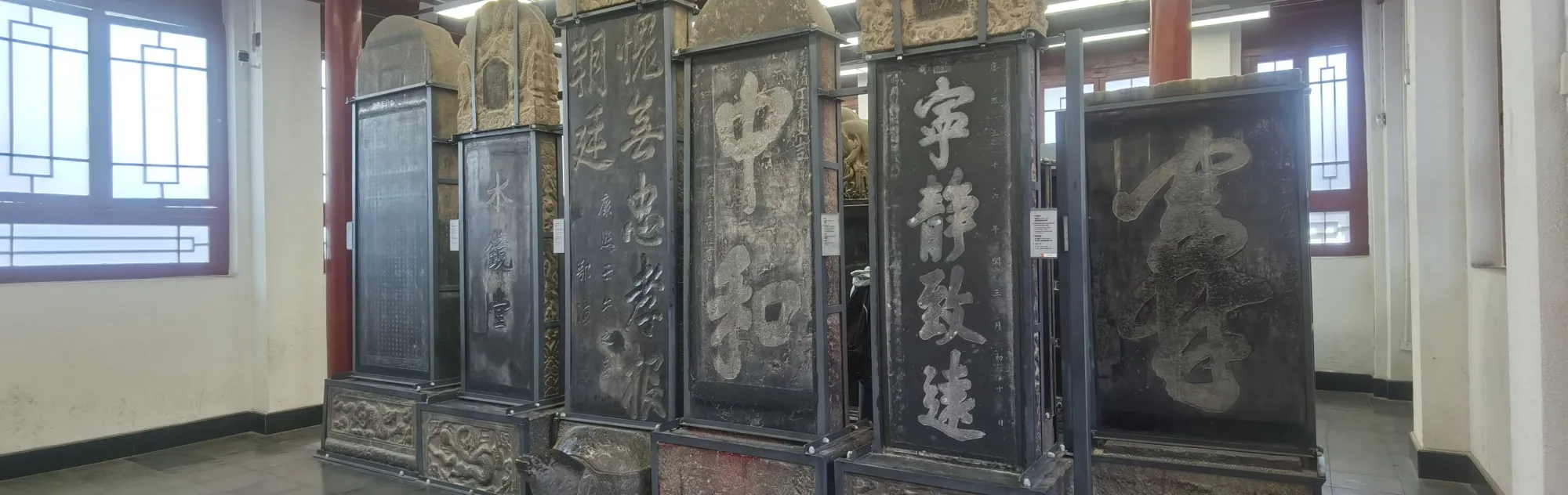
As an art treasury collecting the oldest, largest and most important stone inscriptions, Beilin Museum is well worth visiting. It is home to over 4,000 stone steles dating from Han Dynasty to modern times. All major calligraphic styles can be found here, including seal, clerical, regular, running and cursive scripts, making it the most famous gathering place of stone inscriptions. The masterpieces here represent the pinnacle of Chinese calligraphy.
For tourists who are short of time, here are the most iconic highlights inside the museum:
- Stone Classics of the Kaicheng Period(No.1 Exhibition Hall): Known as the world’s largest and best-preserved “stone textbook”, it consists of 114 stone tablets, engraved with 12 Confucian classics. The total number of Chinese characters is over 650,000 and all are neatly carved.
- Six Steeds of Zhao Mausoleum (Stone Sculpture Gallery): Boasting some of the best examples ofrelief sculptures in the Tang Dynasty, these stone steles are beloved by the art lovers. The six stone carvings vividly depict the six warhorses accompanied Emperor Taizong in battle. Admire the exquisite carving technique reflected in its powerful lines and lifelike details. Note: Two original pieces were lost overseas, so replicas are displayed in the museum now. The other four are originals.
- The Nestorian Stele(No.2 Exhibition Hall): This inscription is an important record of cultural exchanges between China and the West. Carved in the 781 AD, it documents the spread of Nestorian Christianity in China in the Tang Dynasty with both Chinese and Syriac, making it one of the four famous inscribed steles in the world.
- Stone Platform Classic of Filial Piety(Stele Pavilion): With its text personally written by Emperor Xuanzong and its title added by his son, Emperor Suzong, it is a rare imperial stele jointly created by two emperors. So it has been the iconic stone tablet of Xian Beilin museum.
- The Stone Horse of the Great Xia Kingdom (West of Ji Gate): It is the only stele with a chronological inscription from the Great Xia Kingdom of Sixteen Kingdoms period, a rare surviving example. The bold and primitive engraving style reflects the cultural blending of northern China during the Wei, Jin, and Northern and Southern Dynasties.
- The Jingyun Bell (East of Ji Gate): As the most famous bell of the Tang Dynasty, the Jingyun Bell bears an inscription written by Emperor Ruizong. Its deep and resonant sound has been used as the traditional New Year bell sound for China’s Spring Festival Gala every year.
If you plan to visit Beilin Museum during your travel in Xian, our travel consultant is pleased to tailor a trip based on your requirements.

What to Do in Xian Beilin Museum – Immersive Special Experiences & High-tech Interactive Experience
Experience Traditional Stone Rubbing:
After exploring the exhibitions, visitors can watch the skilled heritage craftsmen demonstrate the entire process of traditional stone rubbing in the cultural experience area, from placing the paper and spraying water to tamping and inking. You will know how the ancient Chinese texts were copied and preserved for so many centuries. If interested, try it by yourself.
What’s more, you can also purchase authentic handmade rubbings as unique souvenirs. Other popular experiences include collecting stamps with patterns from stone steles and savoring a cup of stele-themed coffee.
Create and “Rub” Your Own Digital Stele
In the newly established North Wing of Xian Beilin Museum, there are interactive digital screens allowing visitors to learn about the whole process of carving the stone inscriptions. Besides, you can even try the digital rubbing of famous stone inscriptions such as the Stone Platform Classic of Filial Piety. It is both educational and entertaining.
Explore the Ancient Architecture in the Confucian Temple
The South Wing of the museum is the former site of the Confucian Temple of the Ming and Qing Dynasties. Strolling along the central axis, you will pass through the Lingxing Gate, the Ji Gate and traditional courtyards. The symmetry, elegance, and solemn beauty of this Chinese official architectural complex will leave a lasting impression on you. Hidden in the busy city, this classic garden offers a tranquil and peaceful atmosphere.
Appreciate the Beauty of Chinese Calligraphy
Stand before original stone inscriptions from the legendary calligraphers such as Wang Xizhi, Ouyang Xun, Liu Gongquan, Yan Zhenqing, and Su Shi. By observing the brushstrokes, structure, and spirit of the characters up close, you can truly feel the artistic power of Chinese calligraphy, which can not be conveyed by printed copies.
Have A Glimpse of Cultural Exchanges along the Silk Road in the North Wing
Two lesser-known steles are on display in the Silk Road Exhibition Hall in the North Wing, which vividly reveal the human connections along the ancient Silk Road. Compared with the famous collections, they are more appealing to tourists fond of world history and Silk Road culture.
- Epitaph of Lady Ma, Wife of Su Liang
This small epitaph is the direct evidence of ethnic integration along the Silk Road. The tomb owner was a descendant of the Sassanians of Persia and the inscription records the settlement and intermarriage of Persian in both Chinese and ancient Persian text. It shows that Silk Road is not only a trade route, but also a bridge for cultural exchange.
- Spirit Path Stele of Yang Liangyao
This inscribed stone documents the extraordinary sea voyage of the Tang Dynasty official Yang Liangyao, who was sent as a diplomatic envoy to the Arab. His journey is 600 years earlier than Zheng He’s famous voyages, making it the earliest written record of a voyage to the Middle East for a diplomatic mission.

The Best 2-Hour Visiting Route (Essence Tour)
For tourists who are short of time, try to follow this route to see the most unmissable treasures in Xian Beilin Museum and avoid detours:
Entrance Square → Lingxing Gate → Ji Gate (Jingyun Bell and Stone Horse of the Great Xia Kingdom) → Stele Pavilion (Stone Platform Classic of Filial Piety) → No.1 Exhibition Hall (Stone Classics of the Kaicheng Period) → No.2 Exhibition Hall (The Nestorian Stele) → No.3 Exhibition Hall (Cao Quan Stele and the Yan Qinli Stele) → Stone Sculpture Gallery (Six Steeds of Zhao Mausoleum and Oriental Venus) → New North Wing (modern digital and interactive experiences) → Exit
Should You Join a Guided Tour?
Yes, it is highly recommended. The true charm of the museum lies in not only the steles, but also the stories and history behind them. With the guide’s professional explanations, your visit transforms from simply seeing the steles to understanding the stories they tell. Here are the two options.
- Official guided tours: provides deeper insights into the meaning of inscriptions, artistic style of calligraphy and the historical background of the forest of steles. The price is CNY 200 and CNY 400/hour for the South Wing and North Wing, respectively.
- Audio guide: provides explanation to major exhibits, suitable for travelers prefer a flexible travel pace. The cost is CNY 30.
For most tourists, a knowledgeable interpreter can transform these silent ancient stone tablets into vivid pieces of living history. China Xian Tour offers private guided service and high-value Xian tours. Feel free to contact us at any time.

How to Get to Xian Beilin Museum
- By Metro
The most convenient way is to take the metro line 2 to Yongningmen Station, exit B2 and walk for about 800 meters (10 minutes) to get there.
Another choice is take metro line 4 to Hepingmen Station. Leave from exit A and walk about 1km.
- By Taxi
Taxis offer a hassle-free, door-to-door ride, saving much effort.
- From Xian North Station: about 45 minutes, CNY 30
- From Xian Station: about 20 minutes, CNY 10
- From Xian International Airport: about 50 minutes, CNY 55
- From downtown Xian (Bell Tower): about 15 minutes, CNY 10
Nearby Attractions (Within Walking Distance)
Located in the core area of this ancient city, Xian Beilin Museum is always combined with the following nearby attractions for a full-day cultural tour.
- Xian City Wall (Yongning Gate): Just a few minutes’ walk from the museum, you’ll reach the entrance to the Xi’an City Wall. It is the largest and best-preserved ancient city wall still existing in China. For the most beautiful view, ascend the wall at dusk. Wander or cycle along the wall and appreciate the sunset casting a warm glow over the ancient city.
- Shuyuanmen Cultural Street: The street where the museum’s entrance is located. Most shops here sell the four treasures of the study, calligraphy, painting, seals, and rubbing of steles, etc, offering a rich cultural atmosphere. It is a great place to experience Xi’an’s traditional culture and purchase creative and cultural souvenirs.
- Bell Tower and Drum Tower: About 15 – 20 minute walk or bike ride from the museum. They are the iconic landmarks of Xian and are situated right in the city center. Visitors can buy a combo ticket to ascend both towers. They are more charming when illuminated by golden lights at night.
- Muslim Quarter: A short walk from the Bell Tower. Here gather various local snacks and dishes, such as biangbiang noodles, roujiamo and cold noodles.

Explore Xian with China Xian Tour
More than a treasure house of Chinese calligraphy, Xian Beilin Museum also reflects the cultural exchange along the Silk Road. Even without understanding Chinese characters, you can travel across time and culture here.
If interested, China Xian Tour is glad to plan a trip for you. We are committed to providing high-end, customized tours for many years. And as a travel agency based in Xian, we are able to tailor a perfect trip based on your needs and our insider knowledge. Do not hesitate to contact us.
FAQs about Xian Beilin Museum
Is photography allowed in the Xian Beilin Museum?
Generally, taking photos is allowed, but flash and tripod are prohibited.
When is the best time of day to visit the Stele Forest in Xi’an?
For a better experience, it is advised to visit the museum within the first hour after opening or two hours before closing to avoid crowds.
Are there convenient facilities for tourists?
There are plenty of rest areas in the museum with free drinking water. Besides, stroller, wheelchair, and charging device rental services are also provided. Barrier-free access is available in the main exhibition areas.


