

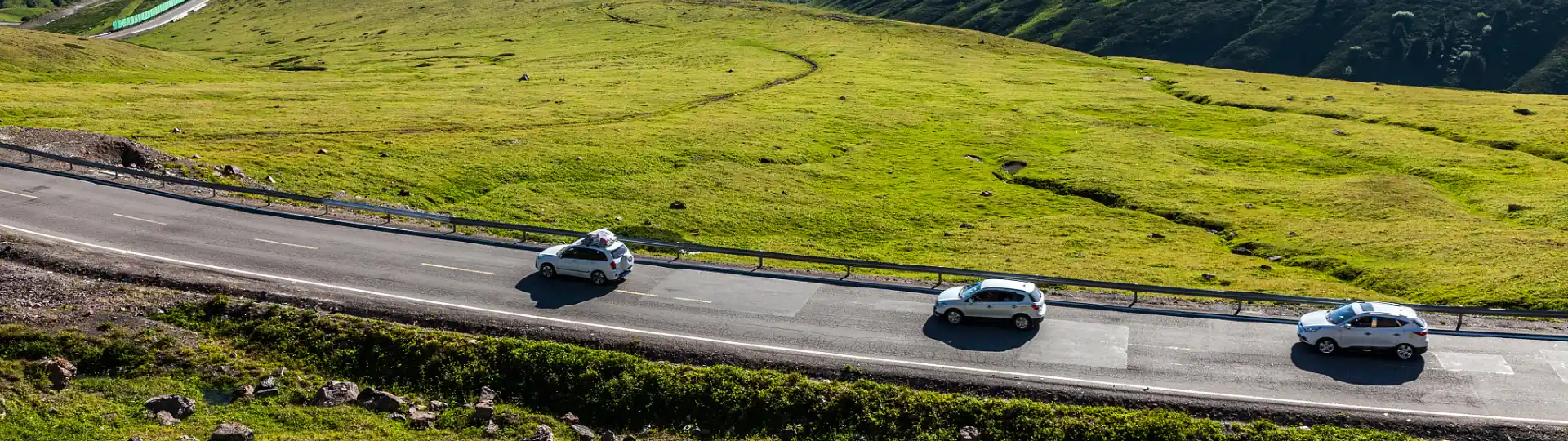
The vast and rugged landscapes of Xinjiang have made it one of China’s most compelling road-trip destinations. While driving along the seemingly endless road, which will take you through high mountains, sweeping grasslands, shifting deserts or remote ancient passages, you can then embrace Xinjiang’s unparalleled natural beauty in a more intimate way. On a car journey in Xinjiang, you’ll catch some unique feelings or discoveries that neither flight nor train tour can give you, just like the sense of remoteness, the altitude changes, the contrasts of scenery, and that’s why many people say self-drive or chartered vehicles offer the best way to appreciate this region fully. To help you better plan an unforgettable Xinjiang road trip, this article will introduce every detail that you may need to know along the way.
Content Preview
- Why Take a Road Trip in Xinjiang?
- Top Xinjiang Road Trip Routes
- Xinjiang’s Geography and Climate & Best Time for a Road Trip
- Crafting Your Route
- How to Rent a Car for Your Xinjiang Road Trip
- What to Pack for a Xinjiang Road Trip?
- Road Trip Tips for Driving in Xinjiang
- Prepare Your Xinjiang Road Trip Adventure
- FAQs about Xinjiang Road Trip
- Travel with China Xian Tour to Discover Xinjiang’s Hidden Gems
Why Take a Road Trip in Xinjiang?
- You’ll travel from alpine snow-capped peaks down to desert dunes — only by car can you span such terrain in one stretch.
- Remote areas not reachable by regular buses become accessible when you drive or hire a driver.
- Flexibility: you can stop where you likeand it’s okay to change plans at any moment. Since the scenery will be amazingly beautiful, you can also spend more time at photogenic spots.
- Driving yourself (or with a driver) immerses you in local culture: you are likely to drive through some small villages, road-side stops, ethnic minority towns. Make a stop and explore local culture.
- The roads are the destination: some routes like the Duku Highway or the Panlong Ancient Road basically are scenic highlights in their own right.
Top Xinjiang Road Trip Routes
1. Duku Highway
- Route: from Dushanzi (north Xinjiang) to Kuqa (south Xinjiang) via the mid-section of the Tianshan Mountains.
- Elevation: Highest points around 3,300-3,700m.
- Length: Approximately 561 km.
- Duration: At least 2-3 days if you want to stop for scenery; many plan 1 full day just driving it.
- Best time: June to early October (road open roughly four months) due to snow/ice in high mountains.
- Difficulty level: High – steep mountain passes, sharp turns, altitude, remote areas.
- Highlights: Snow‐capped peaks, deep river gorges, grasslands like Bayinbuluke, alpine lakes and forests.
- Accommodation & Supplies along the way: Lodging is available in Dushanzi, Bayinbuluke, and Kuqa. Bring snacks, water, and extra fuel — service stations are limited in mountain sections.
The Duku Highway is like Xinjiang’s spine that cuts through the land in a north–south direction along the central Tianshan range. Its scenery is spectacular, and more importantly, it possesses historical and logistical significance as it significantly shortens the distance between north and south by hundreds of kilometers.


2. Panlong Ancient Road
- Route: On the Pamir Plateau in the Kashgar region. And it starts around Taxkorgan Tajik Autonomous County (Wacha Township) in southwestern Xinjiang.
- Elevation: From ~3,000 m to over 4,200 m.
- Length: Approximately 30-36 km of winding mountain road (the broader access route is longer) with more than 600 turns(drive carefully).
- Duration: 1-2 hours (just the winding segment) but allow extra for approach and photo stops. Some may even spend half a day if combining with local sights.
- Best time: Late spring to early autumn; winter conditions can close the high mountain pass.
- Difficulty level: Very high for self-drive; many tight bends, high altitude, remote services.
- Highlights: The road itself is the highlight — cascading hairpin curves, sweeping mountain vistas on the Pamir Plateau, dramatic drop-offs.
- Accommodation & Supplies along the way: Stay in Taxkorgan before or after your drive. Few facilities exist on the route — carry fuel, snacks, water, and check road conditions ahead.
This route can provide the most thrilling driving experience in Xinjiang, and it is often referred to as “dragon road”, as it breathtakingly snakes through the road across the mountains. The Panlong Ancient Road connects remote mountain hamlets and offers views of the Pamir highlands.
Suggested tours with Pamir Highland Scenery:
4 Days Kashgar In-depth Tour to Tashkurgan
10 Days Classic Southern Xinjiang Historic Tour
3. The Taklamakan Desert Highway
- Route: Crosses the Taklamakan Desert between Luntai and Minfeng.
- Elevation: Low. Mostly desert terrain.
- Length: About 552 km
- Duration: 1 day, including time to explore scenic spots
- Best time: April – October
- Difficulty level: Well-paved but during most of the time you’ll be feeling isolated
- Highlights: Endless dunes and oases like Tarim River and Niya.
- Accommodation & Supplies along the way: Stay overnight in Luntai or Minfeng. Gas stations exist roughly every 100 km (but still, fuel your car whenever you can). Always plan ahead and carry water and emergency supplies.
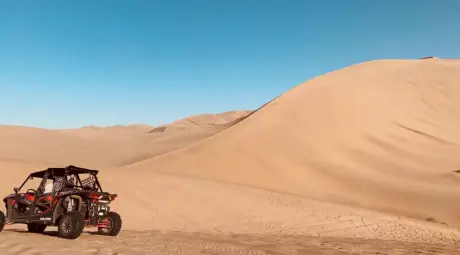
This highway is one of the world’s longest desert-crossing roads, which slices straight through the vast sands of Taklamakan – the “Sea of Death.” This surreal drive offers a beauty in solitude, and it would be ideal for those who really want a desert exploration.
Recommended Xinjiang Tour with Adventrue in Taklamakan Desert:
12 Days Urumqi-Turpan-Korla-Kuqa-Hotan-Kashgar Silk Road Adventure
12 Days Southern Xinjiang Silk Road Tour for Cultural Expedition

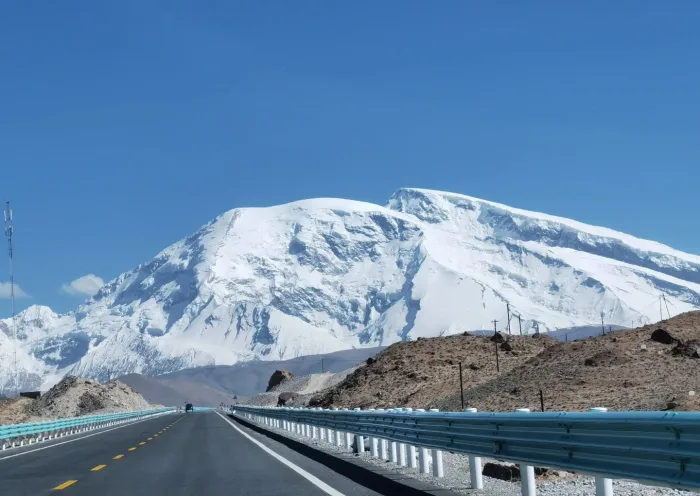
4. Urumqi to Kashgar (Silk Road Route)
- Route: From Ürümqi through the western edge of the Tarim Basin to Kashgar, largely via National Highway 314 (G314), which is the corridor of the historic Silk Road.
- Elevation & terrain: Varied all the time (mountains, desert edges, river valleys and urban centers.
- Length & duration: Several hundred kilometers; one might allocate multiple days to this route.
- Best time: Late spring to early autumn.
- Difficulty level: Medium; many modern roads, but remoteness persists.
- Highlights: Historic towns, ethnic culture (Uyghur, Tajik), Silk Road heritage, landscapes shifting from mountains to desert.
- Accommodation & Supplies along the way: Hotels and restaurants are available in all major towns. Fuel and facilities are reliable along G314.
This route gives mixed experiences: it can take you to larger towns with easier logistics compared to other purely remote highways, yet still be rich in scenery and culture. To make the most of this trip, you can base in Urumqi, and head straight to the west, then you can reach Kashgar and take time to explore this place. Because the G314 follows the ancient Silk Road corridor, you’ll also intersect historic towns, trading posts, and unique cultural stops.
Recommended tour: 6 Days Xinjiang Culture-tracing Tour of Urumqi-Kashgar-Tashkurgan
5. Ahe Highway
- Route: Known as the “Ahe Highway”- crossing from Aral (on National Highway 314) down to Hotan (Hetian) along the Hetian River.
- Length: Around 424 km (as section mentioned).
- Terrain: Desert and river gorge. Less busy than major trunk roads.
- Best time: Spring/Autumn. But be mindful that desert weather can also be extreme during this period, so bring some suitable layers.
- Highlights: Views of remote southern Xinjiang and a glimpse into desert river valleys.
- Accommodation & Supplies along the way: Most would stay in basic guesthouses in Aral and Hotan. Always make sure you have enough water, snacks, and extra fuel with you as services could be sparse along the way.
This route appeals to drivers wanting to explore less-trodden roads. The terrain can be challenging, services sparse, but you’ll get deep into southern Xinjiang’s desert belt and river valley edge. Excellent for those who have done more common routes and want a fresh experience.
Recommended tour: 10 Days Southern Xinjiang In-depth Tour


6. Yizhao Highway
- Route: From Yining City (Ili Prefecture) to Zhaosu County via the Wusun Mountains.
- Length: Approximately 120 km.
- Elevation: Peaks around 3,000 m or even more (notably the Anglietě Daban pass).
- Duration: A few hours’ driving, and it’ll be more rewarding if you can plan extra time for stops and scenery.
- Best time: It is seasonally open from July to early October due to snow and high-altitude conditions.
- Difficulty level: High. As you’ll travel across mountainous terrain, sharp turns, steep gradients, while facing the fact that there would only be limited service areas.
- Highlights: Dramatic hairpin bends and cliff-hugging sections through the Wusun Mountains.
- Accommodation & Supplies along the way: Stay in Yining or Zhaosu. Expect service areas en route, so prepare essentials before departure.
Though it is less internationally known compared to others, such as the classic Duku Highway, the Yizhao Highway offers one of the most thrilling scenic drives in northern Xinjiang. It traverses the Wusun Mountain range, linking Yining and Zhaosu, and it’ll also lead you to pass through high-altitude terrain where the views can shift quickly and beautifully. Since the road is seasonal (open only in the warmer months) and services are sparse, it may be more suitable to drivers seeking off-the-beaten-path adventure.
Recommended tour with Yining and Zhaosu: 13 Days Best Xinjiang Landscape Tour
7. Urumqi to Heavenly Lake (Tianshan)
- Route: From Ürümqi (Urumqi) into the Tianshan Mountains and eventually ends in the Heavenly Lake(Tianchi) scenic area.
- Length / Duration: About 110 km from Urumqi. Typically a 1.5–2 hour drive (longer if you want to stop for spots).
- Best time: Late spring through early autumn (June–October). Winter access is possible but it’ll be more challenging considering the road condition (icy and snowy).
- Difficulty level: Low to medium. Roads are paved and it could be tourist-friendly. Suitable as the first mountain-driving experience in Xinjiang.
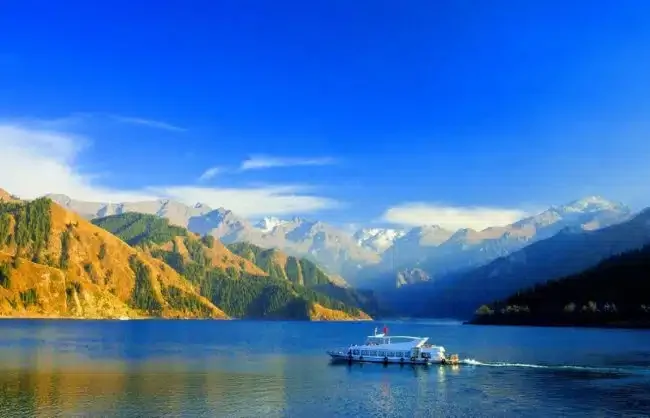
- Highlights: Alpine lake setting, snow-capped peaks, forested slopes, easy logistics since you start from Urumqi.
- Accommodation & Supplies along the way: You can easily find hotels and restaurants near Heavenly Lake scenic area. Fuel and services are also easy to see along the route.
This route is an excellent choice for those who want to ease into driving in Xinjiang. Starting in Urumqi, you’ll get to see the Tianshan Mountains and other changing scenery without venturing into ultra-remote terrain. The road is well maintained and quite tourist-friendly. You can catch a taste of mountain driving with more safety and support compared to the more remote highways.
Suggested tour: 4 Days Urumqi Tour with Heavenly Lake and Nanshan Pasture


Xinjiang’s Geography and Climate & Best Time for a Road Trip
Geography
In Xinjiang, you’ll see high-altitude mountains (Tianshan, Pamirs, Kunlun), vast deserts (Taklamakan), grasslands, river valleys and basins. So no matter which way you decide to drive, you’ll certainly embrace the vast and beautiful scenery. For example, the Duku Highway which crosses the central Tianshan dividing north vs south.
Climate
Because of altitude and terrain variation, weather changes rapidly. On certain mountain roads you may experience snow and winding roads even in summer. The desert roads experience extreme heat by day and cold by night.
Best Time to Go
- Late spring (May-June): Good green up in grasslands, moderate temperatures.
- Summer (July-August): Busy period; high mountains may still be snow-prone; desert very hot.
- Early autumn (September-October): Often the best combination of weather, fewer crowds, good colors (grassland, tundra).
- Winter: Many mountain roads closed, extremely cold in deserts; only for the very experienced.
Read more about Xinjiang Weather and Best Time to Visit
Crafting Your Route
How Many Days Needed
When planning a Xinjiang road trip, you need to first decide how many of the key highways you want to explore and how many highlights you want to cover. And based on this, you’ll get to design a more suitable and reasonable itinerary. If you’re focusing on just one major route (for example, Duku Highway or Panlong Ancient Road) with a base city and minimal side trips, a 3-5 day trip would sound reasonable. However, if you want to explore more routes with more side excursions, you may need to prepare at least 7-10 days on this trip. For a full, in-depth journey across both northern and southern Xinjiang while go deeper into the beauty of mountains, deserts and grasslands, normally it can take a 10-14 + days.
Sample South Xinjiang Road Trip (6 Days)
Day 1: Arrive in Kashgar → explore the Old Town, Sunday bazaar and local culture.
Day 2: Kashgar → drive toward Taxkorgan (or region) → include the segment of Panlong Ancient Road.
Day 3: Taxkorgan region → navigate the Panlong curves → join the Karakoram Highway section.
Day 4: Drive a desert/river valley corridor (e.g., part of the Ahe Highway) → stay in Hotan.
Day 5: Hotan → explore a desert highway section (such as the Taklamakan Desert Highway) → visit oasis towns.
Day 6: Return toward Kashgar (or head east toward Ürümqi) and wrap up the journey.

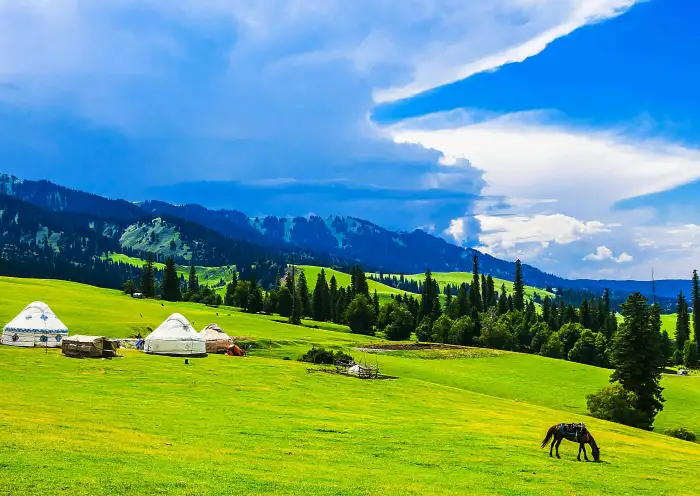
Sample North Xinjiang Road Trip (6 Days)
Day 1: Arrive in Ürümqi → city exploration & rest.
Day 2: Ürümqi → drive to the Tianshan Mountains → explore region around Heavenly Lake.
Days 3-4: Begin the Duku Highway’s north-south section: for example from Dushanzi → Nalati Grassland → Bayinbuluke Grassland.
Day 5: Continue toward Kuqa or the southern flank of Tianshan, explore canyon/grassland transitions.
Day 6: Return leg (or diverge onto another route such as the desert edge) and conclude your trip.
Feel free to contact our expert travel consultants to customize your perfect Xinjiang tour.
Related reading: Xinjiang Travel Itinerary Guide: The Ultimate Planner
How to Rent a Car for Your Xinjiang Road Trip
When planning a road trip through Xinjiang, it’s better to work on the arrangement of vehicle hiring early and also, you’ll need to understand the local driving rules, especially given the region’s remote terrain, high altitudes, and restricted areas.
Where & How to Rent
Major cities such as Urumqi and Kashgar offer reliable car-rental services, and you could find some airport pick-up options. However, to explore remote highways and border routes, most travelers prefer hiring a local driver or guide who can help them navigate the terrain and permit requirements. If you just want to choose self-drive, confirm that your rental company allows long-distance or cross-region travel. Some company have restricts on using their cars to go on such routes without prior approval.
Vehicle Type & Suitability
As many of the routes are known for their long-distance, mountain or desert terrain, a 4×4 or SUV is strongly recommended, as they can better on rough and high-altitude roads. A sedan can work for short scenic drives around Urumqi or Tianshan, but not for off-road areas.
Rental Price & Documents
- Rental costs vary by car type, duration, and services. Deposits usually range from ¥5,000–10,000 for smaller cars and up to ¥15,000 for SUVs.
- If hiring a car with a driver, expect around ¥800–1,000 per day for an SUV.
- Foreign drivers must have a Chinese driver’s license or a temporary driving permit, as international licenses are not valid in China.
- Some border or desert routes require special travel permits, which local agencies can assist with.


Before You Go
- Fuel & Service: Gas stations can be scarce in desert or mountain regions, you’d better plan ahead by making them on the map or confirming their locations in the navigation apps.
- Navigation: Download offline GPS maps. Mobile signals are unreliable in remote areas.
- Insurance: Ensure your coverage includes terms for desert and mountain driving.
- Vehicle Check: Tyres, brakes, and there should also be spare wheel and emergency kit.
- Local Driver Option: If you’re unsure about how to handle that complex terrain or paperwork, hiring a local driver will be better for you, and they can ensure safety and smoother logistics.
What to Pack for a Xinjiang Road Trip?
- Good navigation device (GPS mapping offline) & paper maps.
- Physical vehicle repair kit, spare tyre, jack, tool kit.
- Extra fuel and water supply for remote stretches.
- Warm clothing (jacket, windproof) even in summer, as high-altitude segments can still be cold.
- Sun protection: hat, sunglasses, sunscreen
- Altitude sickness remedies and first-aid kit.
- Snacks, food supplies, as there could be long stretches without restaurants.
- Communication device (SIM card or satellite if very remote).
- Emergency contact list and make your accommodation pre-booked in remote areas.
Road Trip Tips for Driving in Xinjiang
- Understand driving regulations in China and any local requirements in Xinjiang.
- Drive slowly and carefully on mountain roads as the road conditions can sometimes be quite challenging (sharp turns, steep gradients, avalanche/mudslide risk).
- In desert roads, watch for sand drifts, high heat, and isolation.
- Check weather and road condition: some mountain passes may close unexpectedly due to snow or landslides.
- Avoid driving while fatigued; have a second driver or rest regularly.
- Respect local culture and laws: Some border or ethnic minority zones may have checkpoint or permit requirements.
- Be aware of altitude: Many people will have symptoms of altitude sickness when climbing >3,000 m.
- Fuel and supplies: plan for stretches when services are minimal. And it’s quite important to fill up whenever possible.
- Emergency planning: find the location of the nearest hospital or assistance point in advance, especially if you’re traveling to remote desert or mountain roads.
- Respect environment: Xinjiang’s fragile ecology (grasslands, deserts) needs everyone’s care. Avoid off-road driving unless permitted.
Prepare Your Xinjiang Road Trip Adventure
Embrace the days on the open road. Enjoy the freedom to stop at hidden viewpoints whenever you want and don’t forget to take in dramatic landscapes on your devices and in your memories. And most importantly, immerse yourself in the vast and varied regions of Xinjiang. While every turn offers a new scene, the journey itself will then become a unique adventure which is full of surprises. A road trip here is not just travel; it’s a chance to truly connect with one of China’s most breathtaking and diverse areas.
FAQs about Xinjiang Road Trip
What are the road conditions like in Xinjiang?
Major highways between cities are well paved. Mountain routes such as the Duku Highway require more consideration. Expect challenges like steep slopes, sharp turns, an high altitudes. As for the desert highways, they can sometimes be extremely long, and you’ll pass through isolated stretches with limited services from time to time.
Can I drive from Kashgar to Tashkurgan or cross into Pakistan?
Yes, you can, via the Karakoram Highway. However, crossing the border at Khunjerab Pass into Pakistan requires special permits and is often closed in winter. Check current border regulations in advance.
Do I need special permits for driving in Xinjiang?
In some cases, you do. There are remote areas, border zones, or high mountain passes which will need you to provide local registration or special permits. Confirm details with travel agencies or car-rental companies, especially if your plan includes routes like the Panlong Ancient Road in Taxkorgan County.
Can I drive in Xinjiang with an international driver’s license?
No. China does not recognize international driver’s licenses for self-drive. You’ll need a Chinese driving license or temporary permit. For travelers who do not want to prepare for the procedures, they would instead hire a local driver or join a guided self-drive tour, particularly for remote routes.
Travel with China Xian Tour to Discover Xinjiang’s Hidden Gems
Having a road trip in Xinjiang can be quite rewarding and exciting. While slowly driving through its vast and rich land, you’ll attain experiences that won’t be found in a flight or train tour. However, it does need a lot of preparation to plan a smooth journey. To make the most of it, we recommend you to have a customized private Xinjiang trip with China Xian Tour. Our local guides and drivers to take you to all the sites and routes that you may expect to experience, while also taking care of everything along the way to ensure you have the best moments on this vast and beautiful land.