



Food is fundamental to people’s lives, and chopsticks are essential for eating. Chinese people use chopsticks for every meal, and the culture of chopsticks in China has a long and storied history.When planning a China food discovery, don’t miss the authentic experience of using chopsticks at a traditional Chinese restaurant.
Do Chinese Use Chopsticks
Using chopsticks is a key part of the dining experience when enjoying Chinese food. Chopsticks are a traditional Chinese dining utensil, widely used in both homes and restaurants. Chinese chopsticks are versatile tools for picking up rice, dishes, and other foods. Many Chinese fast food stalls also offer disposable chopsticks for a quick and hygienic dining experience.
However, chopsticks are not used in all situations. For example, when drinking soup, Chinese people typically use a spoon. When enjoying Western meals, they use knives and forks to adapt to Western dining customs. In some ethnic minority regions or specific culinary cultures, other utensils may be used. For instance, Tibetans use a special wooden spoon when drinking butter tea.
Chinese Chopsticks History
China is the birthplace of chopsticks, and the practice of eating with chopsticks has a history of at least 3,000 years. The Chinese name for chopsticks is “kuàizi” or “Zhu”. Chinese chopsticks may appear to be just two simple, slender sticks, but they possess a variety of functions such as picking up, stirring, clamping, mixing, and scraping. They are convenient to use, affordable, and of good quality.
As early as the 11th century BC in Chinese history, exquisitely crafted ivory chopsticks had already appeared. This means that the recorded history of using chopsticks in China spans at least over 3,000 years. There has been a proliferation of chopsticks made from various materials since ancient times, including ivory chopsticks, rhinoceros horn chopsticks, ebony-inlaid gold chopsticks, and a variety of jade chopsticks.
Why Do Chinese Use Chopsticks
Functional Versatility
Chopsticks are incredibly versatile tools that excel in picking up, stirring, and serving bite-sized foods. Therefore, they are perfectly suited to China’s communal dining style. Whether you are to enjoy delicate dumplings, slippery noodles, or small pieces of meat and vegetables, Chinese chopsticks provide precise handling and easy sharing. On a China tour, you’ll discover how chopsticks enhance the dining experience in Chinese cuisine.
Cultural Philosophy
The use of chopsticks in Chinese culture is deeply rooted in Confucianism, which promoted harmony and rejected knives to avoid associations with violence. Confucius believed that knives, as instruments of war, had no place at the dining table, and thus encouraged the use of chopsticks as a more peaceful alternative. Chinese chopsticks also symbolize unity and collective strength.
Health Benefits
Using chopsticks is not just a practical way to eat; it also offers significant health benefits. When using Chinese chopsticks, you engages over 80 joints and 50 muscles in the fingers, hands, and wrists, enhancing dexterity and fine motor skills. This level of engagement is particularly beneficial for children and the elderly. Additionally, the mental focus required to use chopsticks effectively stimulates cognitive function, keeping the brain sharp and active.

What to Eat with Chinese Chopsticks
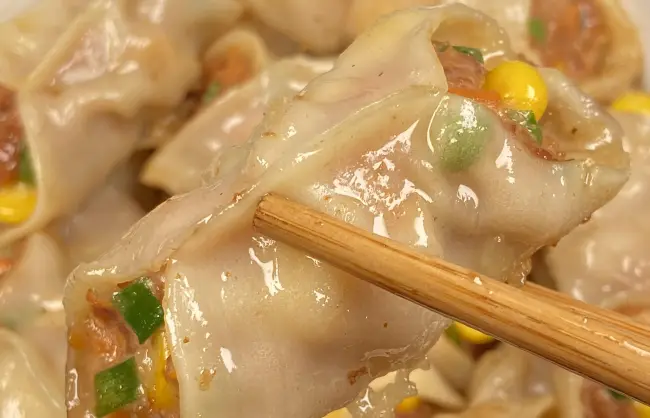
Chopsticks are perfect for picking up small, slippery, or delicate items. For example, they are ideal for eating dumplings, a kind of Chinese food that are often enjoyed during festivals and family gatherings. Thin and flexible, chopsticks allows for precise control when dipping dumplings into soy sauce or vinegar. Chopsticks are also indispensable when enjoying Chongqing hot pot. The length and dexterity of chopsticks make it easy to dip ingredients into the boiling pot and get food without hurting fingers. Noodles, another staple in Chinese cuisine, are also easily managed with chopsticks.
Top China Tours to Enjoy the Food of China
- Best Xian Evening Local Food Tour by Tuk-Tuk
- 13 Days China Educational Family Tour: Beijing, Chengdu…
- 8 Days Beijing Luoyang Xian Cultural Tour
Chinese Chopstick Etiquette
The use of chopsticks by Chinese people dates back to ancient times. The etiquette surrounding the use of chopsticks in daily life is very particular. Generally, the correct way to use chopsticks involves holding them with the right hand, pinching the upper end with the thumb and index finger, while the other three fingers naturally curve to support the chopsticks.
Before eating, chopsticks should be neatly placed to the right of the rice bowl, and after the meal, they should be neatly placed vertically in the center of the bowl.
More important then the Chinese chopstick etiquette is the dining etiquette. Try to learn some of the common Chinese table manners if you are planning a China tour.
How to Hold Chinese Chopsticks
To master the Chinese way to hold chopsticks is not difficult, but it takes time to practice:
- Take the top chopstick and place it on the middle finger at the upper one-third point, then secure it with the thumb and index finger.
- The bottom chopstick should be held in place by the thumb, the base of the thumb (thenar eminence), and the nail area of the ring finger.
- Maintain this position and try to move only the top chopstick while keeping the bottom stationary. There should be a small gap between the two chopsticks at the end you are holding. The key is to keep the bottom chopstick fixed and use only the top one to pick up food.
- Keep practicing and try to pick up small items.
However, there are several taboos regarding the use of chopsticks:
- Three Long and Two Short: This refers to placing chopsticks of uneven lengths on the table before or during a meal. This practice is considered highly inauspicious.
- Sifting through Dishes with Chopsticks: This means constantly stirring or searching through dishes with chopsticks in hand. It is seen as a sign of poor upbringing and is generally frowned upon.
- Using a Single Chopstick as a Fork: Stabbing food with just one chopstick during a meal is unacceptable. It is regarded as a form of disrespect to fellow diners.
- Incense Offering in Public: This often happens when someone, with good intentions, helps to serve rice to another person and, for convenience, sticks the chopsticks vertically into the rice. This is considered extremely disrespectful.
- Crossing Chopsticks: This is often overlooked but is still a significant taboo. Placing chopsticks haphazardly across each other on the table is seen as a complete negation of the other diners and is therefore not allowed.
√ Related reading: The 15 Most Popular Chinese Dishes
How to Buy Chinese Chopsticks
Eco-friendly Chopsticks
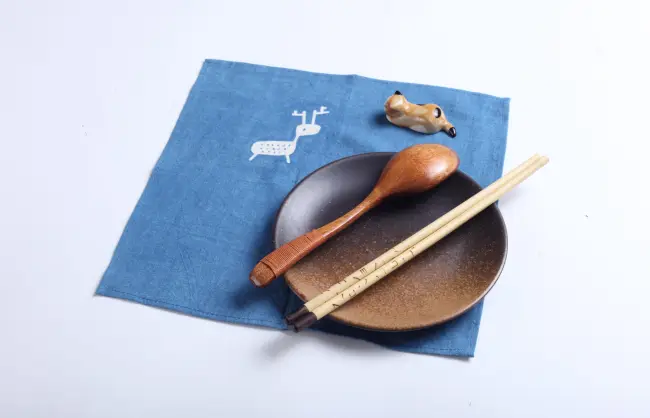
When choosing chopsticks, eco-friendly chopsticks stand out. Bamboo is a renewable, biodegradable, and affordable material. Therefore, it is ideal for everyday use and is a typical material for making Chinese style chopsticks. If you prefer unique type, there are also bamboo chopsticks crafted in the shapes of the 12 Chinese zodiac animals sold on the market. Reusable wood such as cedar or sandalwood also offers durability. Stainless steel is another durable and easy-to-clean choice, but it is heavier than traditional materials.
Chopsticks to Avoid
- Plastic Chopsticks: Common materials for plastic chopsticks include PP plastic, ABS plastic, and PA nylon. These chopsticks are often brightly colored but have many drawbacks. Therefore, they are not recommended.
- Disposable Chopsticks: While they may seem clean and convenient, many disposable chopsticks are treated with sulfur dioxide, which compromises safety and hygiene.
- Painted Chopsticks:To enhance their appearance, wooden or bamboo chopsticks are sometimes painted with colorful designs. However, these coatings often contain heavy metals, organic solvents, or other harmful substances. Therefore, painted chopsticks are not recommended.
- Ceramic Chopsticks:Ceramic chopsticks are pleasant to hold, easy to clean, and do not burn the mouth or harbor mold or bacteria. However, they are prone to breaking and are not ideal for everyday household use.
Versatile Usage of Chinese Chopsticks
Chinese Chopsticks for Wedding
Since chopsticks in China symbolized good fortune, they have long been integrated into fashionable aesthetic trends. They are often included in wedding dowries to bless the newlyweds. In traditional Chinese culture, two pairs of chopsticks signify a matching couple, while eight pairs convey wishes for great prosperity and success. Ten pairs symbolize completeness and perfection. Therefore, chopsticks are not only wedding items in people’s minds but also carry beautiful connotations such as perfect union, matching pairs, early childbirth, and happiness.
Chinese Chopsticks for Hair
Chopsticks can also used to fix hair. You need to first gather all your hair together, and then twist the hair with the center of your head as the pivot point, spining and twisting the hair. You need to twist tightly on the first turn. Then, continue twisting until the hair forms a bun, making sure to tuck the ends of the hair away neatly. Finally, lift a small strand from the top of the bun and insert the chopsticks into it. The chopsticks should be inserted along the scalp and come out from the lower end of the bun. Then, pull another small strand and press it over the chopsticks to secure them in place. That completes the look.
√ Related reading: Top 10 Food to Eat in Chongqing
Are Chopsticks Chinese or Japanese
Chinese chopsticks are very distinct from Japanese chopsticks, as there are significant differences in both shape and length between the two. Chinese chopsticks are designed with a square head and a round tail, symbolizing the concept of “heaven is round and earth is square.” The round end represents heaven, which also signifies the universe. The act of placing this round end into the mouth symbolizes a kind of auspiciousness.
The differences in chopsticks between China and Japan are quite distinct. In Japan, chopsticks are quite short with very sharp tips, and they are typically made of wood. This design suits the Japanese diet, which often includes fish that doesn’t require much force to pick up. Chinese chopsticks are longer and thicker, mainly made of wood, though plastic chopsticks are also used in some places. Given that Chinese cuisine is usually oily, wooden chopsticks help prevent food from slipping.
√ Related reading: Top 10 Chinese Breakfast Foods – What Breakfast to Eat?


