


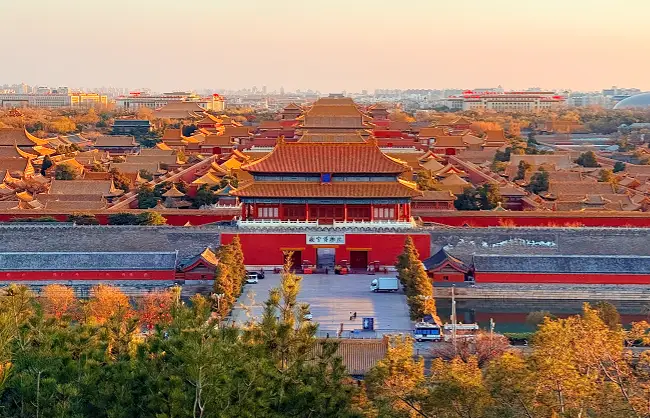
Want to enjoy a panoramic view of the Forbidden City? Head straight to Jingshan Park, just north of the palace.
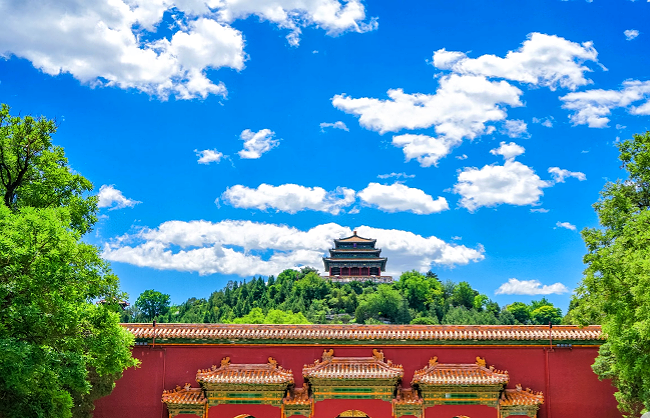
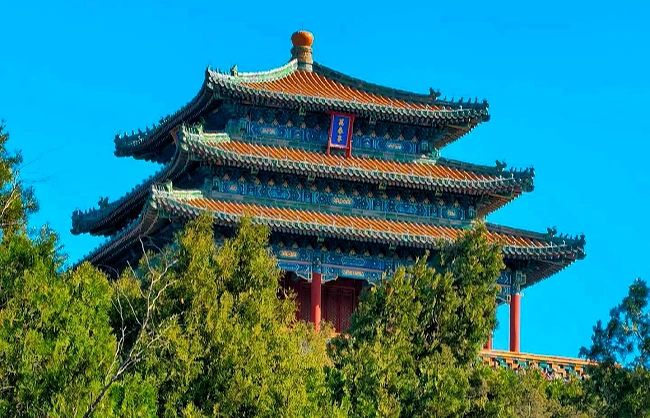
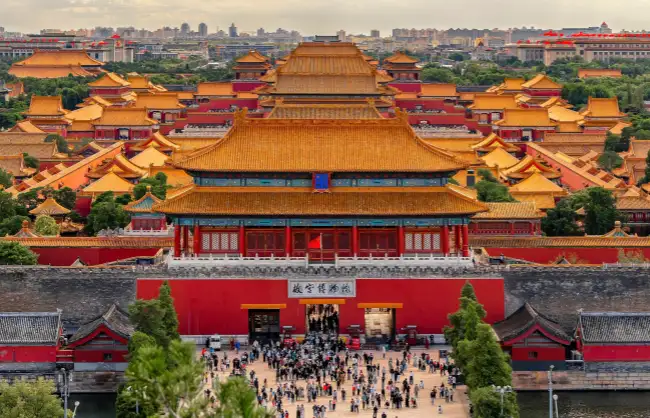
Standing at Wanchun Pavilion at the top of the hill, the highest point of the park, you can enjoy a breathtaking view of the Forbidden City, with golden rooftops stretching across the ancient palace complex.
Indeed, Jingshan Park is small, yet it is one of the most special royal parks that sit on the central axis of Beijing. It’s a man-made hill created over 600 years ago and has witnessed the changes of the city through the centuries.
Often overlooked by first-time visitors, Jingshan Park is the perfect stop after exploring the Forbidden City. A short walk away, it offers a completely different perspective of Beijing’s imperial heart and a quieter side of Beijing.
Content Preview
- What to See in Jingshan Park
- Best Photo Spots in Jingshan Park
- Best Time to Visit Jingshan Park
- Jingshan Park Location and Transportation
- Explore Jingshan Park in Your Beijing Tour with China Xian Tour
What to See in Jingshan Park
Jingshan Park covers only 23 hectares and usually takes just 1–2 hours to explore, but there are a lot of highlights to explore. When strolling in this small park, you can enjoy stunning Forbidden City views, royal architecture, and a glimpse of local Beijing life.
The Panoramic View of the Forbidden City
Jingshan Park is located directly opposite the Forbidden City’s north gate. These two sites are only a short walk away; they are less than a 5-minute walk from each other.
For most visitors, the highlight of Jingshan Park is the Wanchun Pavilion at the top of the hill, where you can get a panoramic view of the Forbidden City.
The climb is easy and usually takes only 10–15 minutes. Once you reach the top and look far south, you can see hundreds of golden rooftops stretching toward Tiananmen Square in perfect order.
A Quiet Escape with Local Beijing Life
There are hundreds of ancient trees inside the park, creating a peaceful escape from the busy streets outside. If you’re visiting in summer, try taking a walk under the shade and feel Beijing’s heat fade away for a while, leaving only a cool and refreshing atmosphere.
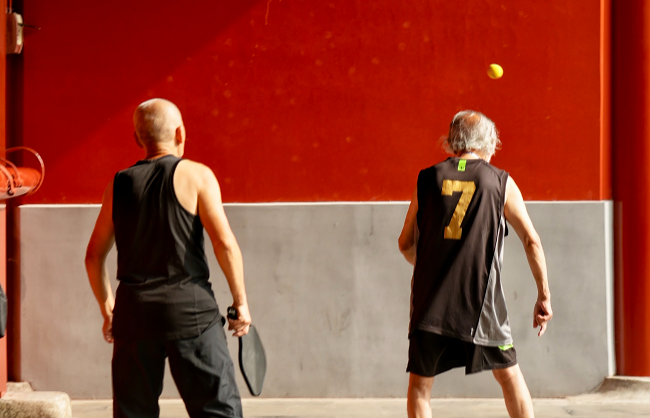
Except for serving as an attraction for visitors, the park is also part of local daily life. Every morning, you can see residents practicing tai chi, dancing, or exercising.
After visiting the Forbidden City, stopping by Jingshan Park offers not only a chance to see beautiful scenery but also a more authentic look at Beijing.
Royal Buildings with Centuries of History
Jingshan Park is not only famous for the hill, but it is also home to several historic royal buildings.
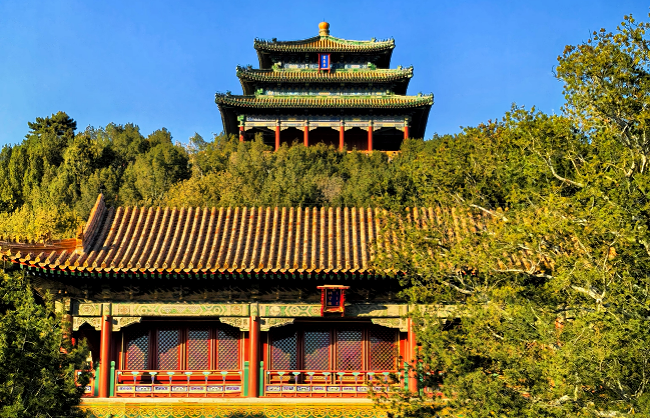
- Wanchun Pavilion, standing at the top of the hill, is a three-tiered pavilion with yellow glazed tiles. It is the highest viewing point in the park and also on Beijing’s central axis.
- Except for Wanchun Pavilion, there are four other pavilions to explore in the park. These five pavilions stretch along the ridge, offering a pleasant walking route that takes about 20 minutes to complete.
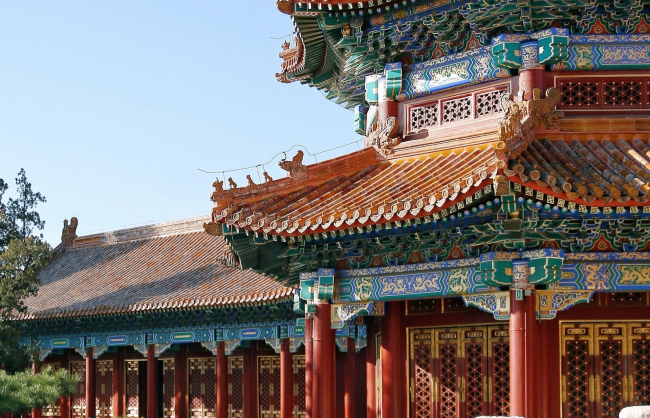
- At the northern foot of the hill, you can see Shouhuang Hall. It is a grand royal complex where portraits of emperors were displayed and worshiped, and ancestor ceremonies were held during the Qing Dynasty. With red walls and yellow roofs, the hall is often described as a “mini Forbidden City.” Visitors can enter for free, with exhibitions introducing its royal history.
Ancient Feng Shui Principles and City Harmony
For visitors interested in Chinese culture, Jingshan Park is a great place to understand traditional feng shui ideas.
An ancient belief in China holds that a house with a good layout should have water in front and a mountain behind. This idea was also reflected in the design of the Forbidden City: Jingshan was created as “the mountain behind”, with the Jinshui River flowing in front of the palace.
Standing at the top of the hill, you can see the Forbidden City to the south and the Drum and Bell Towers to the north, with Beijing’s central axis running through the city. This unique view reveals the ancient Chinese idea of order and harmony.
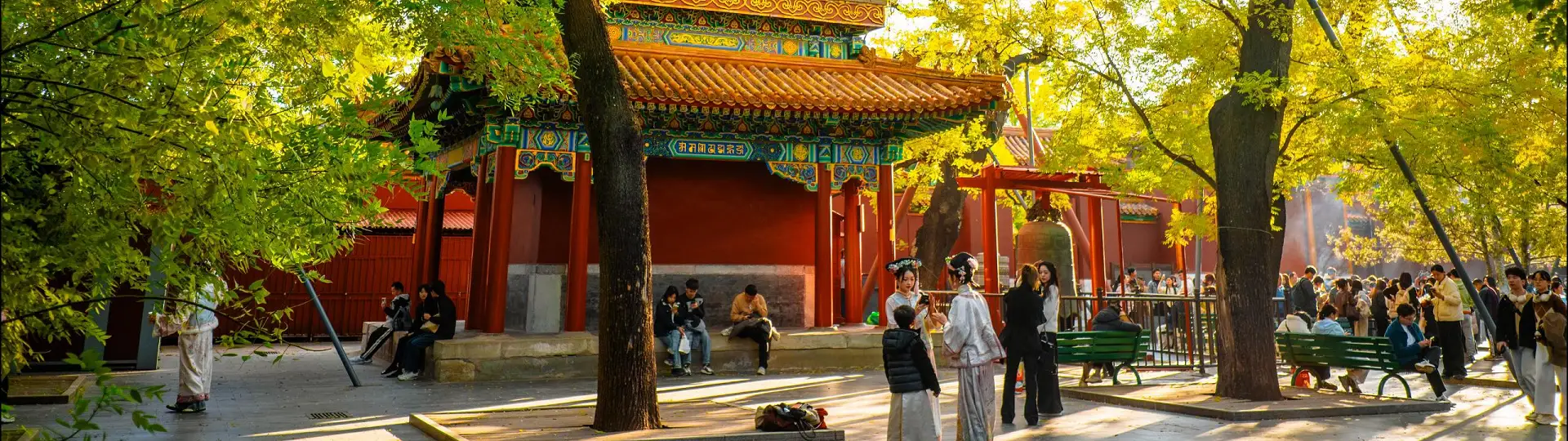
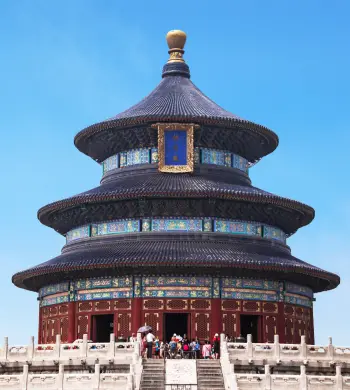
Capture the essence of Beijing's 3,000-year history through Tiananmen Square, Forbidden City, Summer Palace, Mutianyu Great Wall, Temple of Heaven, and Jinshan Park.
Best Photo Spots in Jingshan Park
For the best photos in Jingshan Park, head straight to Wanchun Pavilion at the top of the hill.
This is the most popular Jingshan Park viewpoint, where you can capture the Forbidden City’s golden rooftops, the White Pagoda in Beihai Park, the modern skyline, and the old Drum and Bell Towers in one frame.
If the pavilion is crowded, you may opt for the smaller viewpoints halfway up the hill. The east-side pavilion is great for photos featuring the corner towers and city skyline, while the west-side pavilion is quieter and works well for portraits with the White Pagoda as a backdrop.
The red-walled courtyard on the north side is also a quieter hidden spot, and it’s best for traditional-style photos.
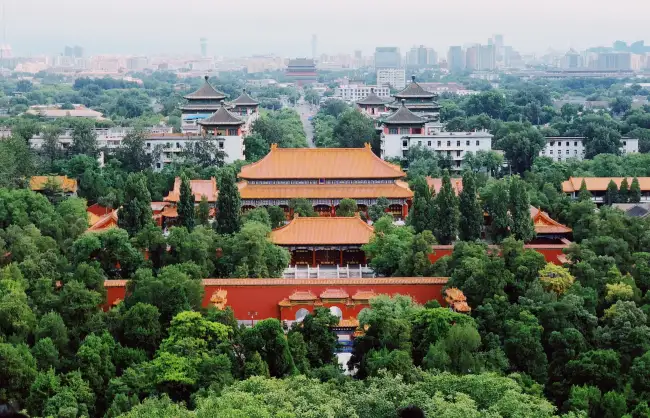
Photo Tips:
- For a clear view of the Forbidden City from Jingshan Park without too many visitors, come early on a weekday, especially around opening time.
- The hour before sunset offers the best light for photos, making the palace rooftops look warmer and more dramatic.
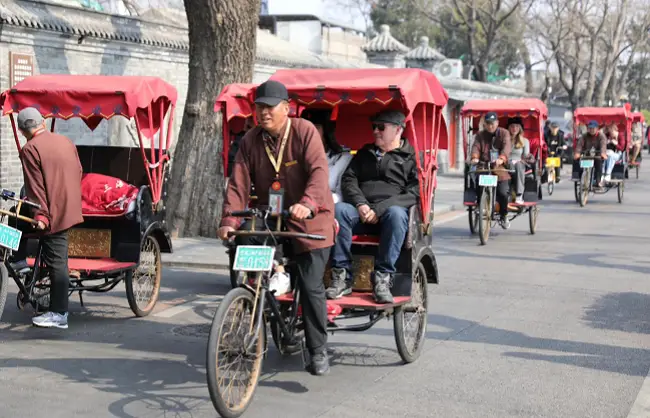
Design your perfect Beijing day from the Forbidden City and Temple of Heaven to giant pandas at Beijing Zoo, capped with a panoramic sunset view over the imperial palace from Jingshan Park.
Best Time to Visit Jingshan Park
The best time to visit Jingshan Park is from March to November.
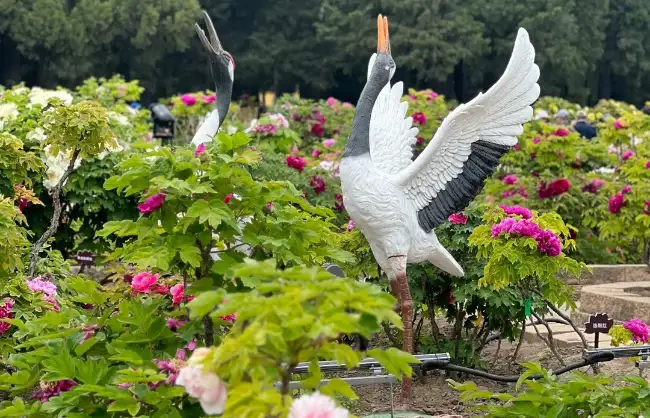
In spring, there are flower shows featuring colorful peonies and roses. During July and August, large areas of sunflowers create a perfect background for photos.
The best time to enjoy autumn scenery is especially from late October to early November, when red and golden leaves cover the hills.
If you prefer fewer crowds, winter is also a good choice despite the cold weather. From December to February, you may even catch a snowy day and enjoy a stunning view of the Forbidden City covered in white from the hilltop.
- Jingshan Park Tickets: Tickets can be bought directly at the entrance. The price is RMB 2 (about USD 0.28), or RMB 10 (about USD 1.40) during flower exhibitions.
- Opening Time: The park is open daily from 6:30 AM to 8:00 PM.
Jingshan Park Location and Transportation
Where Is Jingshan Park Located?
It is located at No. 44 Jingshan West Street, Xicheng District, along Beijing’s central axis and directly north of the Forbidden City. Thanks to its central location, the park is easy to include in a Beijing sightseeing route.
The Forbidden City is within a few minutes on foot, and places like the Temple of Heaven and the Summer Palace are also within easy reach.
To help you plan your itinerary, the list below shows the distances and travel times from Jingshan Park to some popular Beijing attractions:
Destination |
Driving Distance |
Travel Time |
Forbidden City (Shenwumen) |
About 1 km |
About 5 minutes on foot |
Temple of Heaven |
About 7–8 km |
About 35–40 minutes |
Summer Palace |
About 20 km |
About 55–60 minutes |
Mutianyu Great Wall |
About 71 km |
About 1 hour 45 minutes–2 hours |
Walk from the North Gate of the Forbidden City – Easiest Way
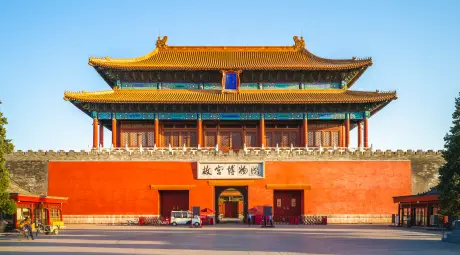
The best way is to walk from the Forbidden City. After visiting the palace, exit through Shenwumen (North Gate), and you will find the park just across the street.
There’s a pedestrian underground passage connecting the two entrances, which saves you time waiting at traffic lights.
This is why we recommend visiting the Forbidden City and Jingshan Park on the same day. You can explore the palace in the morning, explore Jingshan Park in the afternoon, and enjoy a different view of the places you have just visited.
Other Ways to Reach Jingshan Park:
- There is no subway station right at the entrance. The nearest station is China Art Museum Station on Line 8. After arriving at the station, it takes about a 10–15 minute walk to reach the site.
- Taxis and ride-hailing cars cannot pull up right at the park entrance. You will need to get off at a nearby spot and walk for a few minutes.
- By bus: you can arrive by bus, but it takes a little walk from the station
To East Gate: Take Bus 111 or 124 to Jingshan Dongmen Station.
To West Gate: Take Bus 5 to Xibanqiao Station.
To South Gate: Take Bus 101, 103, or 109 to Shenwumen Station.
If you prefer a more worry-free experience, you can join our Beijing tours. The package includes private vehicle service, professional guides, and carefully planned itineraries. Our guide will show you the best way to travel from the Forbidden City to Jingshan Park, including them in a smooth day tour.
Explore Jingshan Park in Your Beijing Tour with China Xian Tour
As one of Beijing’s most underrated attractions, Jingshan Park is worth saving an hour for — whether you visit in the morning or enjoy the sunset from the hilltop. In addition to the stunning view of the Forbidden City and Beijing City, it’s also a witness to the city’s grand history. So it’ll be an ideal attraction to include in a Beijing tour, especially when considering its crucial location.
For a deeper exploration of Jingshan Park and other Beijing highlights, China Xian Tour can help with all the planning of this trip. Our professional travel guides will customize an itinerary and make sure you enjoy the journey from the beginning to the end.


