



In China, people do have their unique traditional Valentine’s Day that has been celebrated for centuries, and that’s called Qixi Festival. Unlike Western Valentine’s Day which is set on February 14, the date of Qixi Festival’s is not fixed, like other Chinese traditional festivals, it would change every year according to the lunar calendar, and in 2026, it falls on August 19.
For ages, the festival is always a cherished and unique moment for Chinese couples to show affection in a rather traditional way. If you are planning a China tour around the Qixi Festival, then allow yourself to enjoy the ancient charm and romance that filling this day. It’s more than a rewarding way to learn about how love is expressed and interpreted in a Chinese context.
Content Preview
- What is the Qixi Festival?
- When is the Qixi Festival? (2025-2030)
- The Origin and History of Qixi Festival
- How to Celebrate Qixi Festival
- Best Qixi Festival Gifts
- Qixi Festival Food & Desserts
- Where to Experience Qixi in China
- Qixi vs. Western Valentine’s Day
- FAQs About Qixi Festival
- Experience China’s Festivals with Us
What is the Qixi Festival?
Overview about Qixi Festival
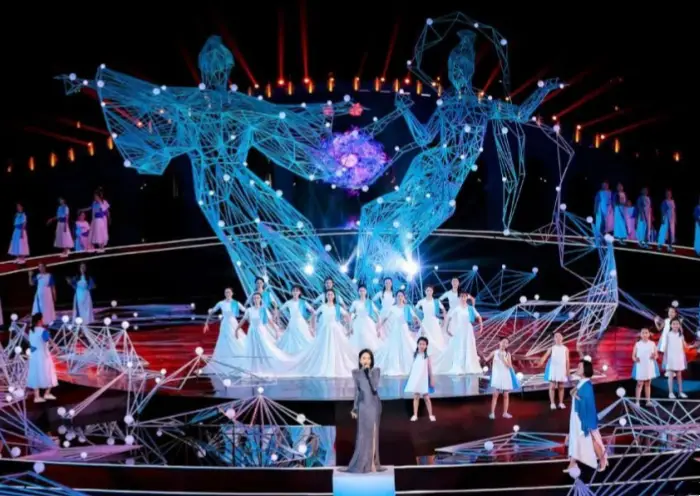
The Qixi Festival (七夕节, Qīxī Jié) is one of the most romantic traditional celebrations in China. With an origin rising from the famous legend of the Cowherd and the Weaver Girl, it is now designed to honor love and devotion between couples.
You can simply understand it as the Chinese version of Valentine’s Day that is rooted in and solely shaped by Chinese culture. Moreover, even the way of people expressing love on this day is also transformed into a Chinese style. Tip for pronouncing “Qixi Festival”: it sounds the same when saying chee-shee in English (IPA: /tɕʰiɕi/).
Qixi Festival Facts
- Qixi Festival in Chinese:七夕节 (Qīxī Jié), literally meaning “The Night of Sevens” (“Qi” (七)=7). Indeed, it’s a festival about “7” since 1) It’s also known as “Double Seventh Festival”. 2) It falls on the 7th day of the 7th lunar month.
- Qixi Festival history: This festival has a history of more than 2,000 years, with roots tracing back to the Han Dynasty (206 BC–220 AD). And throughout the long period of time, Chinese people have never stopped cherishing and celebrating it.
- Qixi Festival meaning: It’s romantically set to celebrate eternal love, and the core the festival is to deliver wish for the reunion of separated lovers.
- Qixi Festival traditions: Originally, there are a lot of ancient customs of this festival. For example, women usually praying for better weaving and embroidery skills on this day, making wishes under the stars. However, most of them have more or less disappeared in recent days.
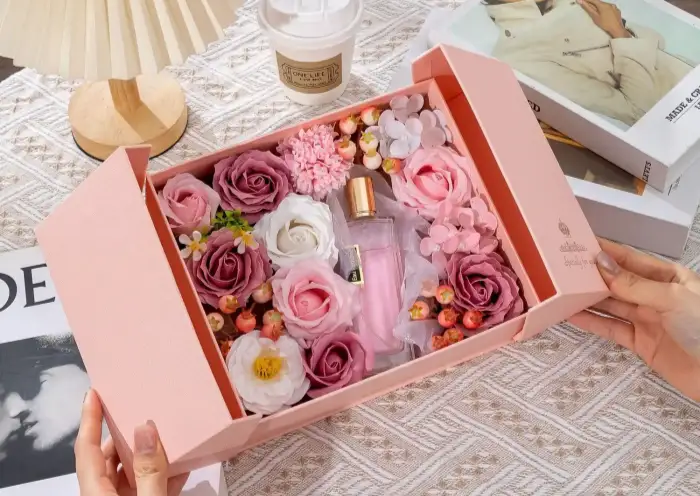
- Modern image: Today, the Qixi festival is more recognized as Chinese Valentine’s Day. Couples would exchange flowers, chocolates, jewelry, and more Qixi Festival gifts on this special moment.
When is the Qixi Festival? (2025-2030)
Below are the exact dates of the Qixi Festival in 2025 and future years. It generally falls in late August or early September, not a peak tourist season in China. If you are planning to visit China with your loved one, arranging your itinerary around the festival will be a good choice to experience the Chinese-style romance.
Year |
Lunar Date |
Gregorian Date |
2025 |
7th lunar month, 7th day |
August 29, 2025 |
2026 |
7th lunar month, 7th day |
August 19, 2026 |
2027 |
7th lunar month, 7th day |
September 7, 2027 |
2028 |
7th lunar month, 7th day |
August 26, 2028 |
2029 |
7th lunar month, 7th day |
August 15, 2029 |
2030 |
7th lunar month, 7th day |
September 3, 2030 |
The Origin and History of Qixi Festival
Qixi Festival Story – The Cowherd and the Weaver Girl
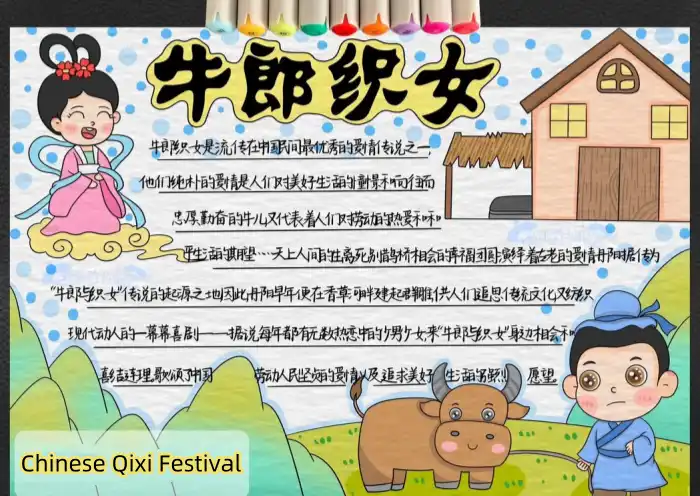
If you ever get a chance to ask Chinese people about the origin of Qixi Festival, it is likely that they’ll tell you a moving love tale that has existed for thousands years in Chinese culture: “The Cowherd and the Weaver Girl”.
There are, indeed, many different versions of the story, and here’s a popular one. The hero and heroine are Niulang (the Cowherd/ an ordinary human) and Zhinu (the Weaver Girl), who’s also a goddess that skilled at weaving colorful clouds. Despite coming from two different worlds, they met each other by chance and soon fell deeply in love and even secretly married.
However, their tragic end was determined in the very beginning of their encounter, as it was prohibited for a goddess to be with an ordinary man. As a result, when the heavenly queen found out their union, she immediately tore them apart by condemning them to live on opposite sides of the Milky Way, forever enduring the longing for each other.
But in fact, their deep love and story had also touched the heavenly queen, so she allowed that each year, on the seventh night of the seventh lunar month, countless magpies can come to form a bridge on the Milky Way to let the lovers go across the river and reunite for one night. And this is the legendary explanation of why Chinese people will celebrate this day.

Origin of Qixi Festival in Ancient China
The real origin of Qixi Festival can be traced back more than 2,000 years to the Han Dynasty (206 BCE – 220 CE). One thing may frustrate some people is that unlike today’s excessive romantic focus, it was originally set as a festival for young women praying for wisdom, needlework skills, and a good marriage.
On this night, women would gather under the moonlight to perform rituals and demonstrate their weaving or embroidery skills. Also, there will be a lot of offerings provided, such as fruits, flowers, and incense, and they were made to honor the Weaver Girl, in hope that she’ll give every woman blessings of dexterity and a happy future. In this way, the Qixi Festival in China can be originally interpreted as both a spiritual and social event, and it’s deeply tied to people’s daily life and family values in Chinese history.
Qixi Festival History – From Myth to Modern Romance
Over centuries, the Qixi Festival history has also evolved, and the mythology is bit by bit blended with social customs. And when it came into the Tang and Song dynasties, Qixi started to increasingly be associated with poetry, music, and some gatherings where men and women can express their affection to each other. By the Ming and Qing dynasties, the festival had grown more into a celebration of romance, taking shape of an early version of today’s Chinese Valentine’s Day.
Today, while some traditions are still remained — such as making offerings — most celebrations would center most on love, dating, and exchanging Qixi Festival gifts.
Evolution of Qixi Festival Through Dynasties
Dynasty |
Focus of Festival |
Common Activities |
Han (206 BCE – 220 CE) |
Skills & blessings |
Women prayed for weaving and needlework skills; offerings to Zhinu |
Tang (618–907) |
Romance & culture |
Poetry gatherings, storytelling, moon gazing |
Song (960–1279) |
Social & matchmaking |
Young men and women joined activities, exchanging gifts |
Ming & Qing (1368–1912) |
Popular festival |
Courtship rituals, embroidered items as Qixi Festival gifts |
Modern (20th–21st century) |
Love & relationships |
Couples’ dinners, giving flower bouquets, exchanging cards |
How to Celebrate Qixi Festival
Romantic Traditions
In ancient times, the Qixi Festival was more than a celebration of love — it was also focusing on traditional rituals and prayers. Here are a brief overview of the old customs:
- Praying for skills: Young women would gather and showcase their embroidery, weaving, or poetry skills as a way to honor the Weaver Girl and pray for wisdom, talent, and a happy marriage.
- Making wishes under the moon: Stars and moon have always carried a special and romantic meaning in Chinese people’s heart. So that on the night of the Double Seventh Festival, people would also come together and appreciate the beauty of stars that symbolizing Niulang and Zhinu, and make wishes for love and happiness.
- Threading the needle challenge: Girls would also attempt to thread a needle under the moonlight, which is simple and easy way to test their dexterity while also hoping for blessings from the goddess.
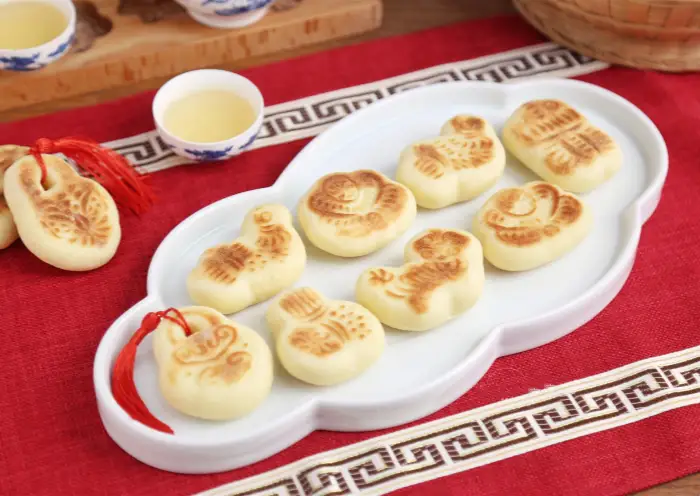
- Traditional festival foods: There’s one famous food that just made for Qixi, and it’s called Qiǎo guǒ (巧果).This is a type of fried, thin pastries shaped like twists or animals to symbolize the weaving skill and the Magpie Bridge—a homophone pun between qiǎo (skill) and qiáo (bridge).
Modern Celebrations
Nowadays, the Chinese Qixi Festival has becoming much more similar to Western Valentine’s Day, and you can find both romance and commercial energy in the way that people now celebrate it:
- Dinner dates and romantic outings: Just like having the Valentine’s Day, coupleswould often reserve tables at themed restaurants or enjoy quiet, candlelit dinners at home. Many restaurants will also provide special menu and services on this day, to fill every moment with both traditional and modern senses of romance.
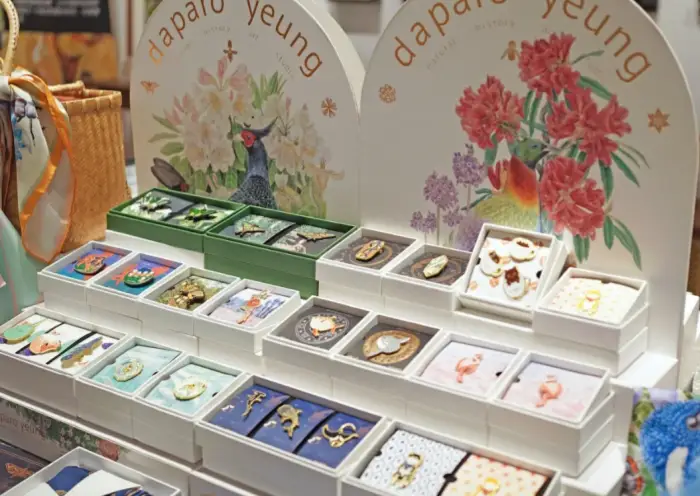
- Gift-giving: It is a mutually agreed thing for couples to exchangeQixi Festival gifts such as flowers (especially roses), chocolates, jewelry, handmade crafts or some typical Qixi-related items. Many brands would also launch their limited Qixi collections or online promotions to allow their customers feel more involved in the celebration.
- Photo-worthy romantic settings: Shopping malls and public spaces will beadorned with things/symbols like giant magpie sculptures, light bridges, and whimsical photo zones. These are offered to create a more festive and romantic background for the couples who are shopping on the day.
- Cultural fairs & creative markets: Many craft markets and cultural events also feature handmade embroidery, calligraphy, and love-themed trinkets, and they are made to honor the long existing tradition while encouraging even more modern engagement of people.
Events in Regions like Taiwan & Singapore
The Qixi Festival also takes on unique flavors in other Chinese-speaking regions:
- Taiwan:
Many people would visit temples to pray to Yue Lao (the god of matchmaking) on this special day, and after that, they may then join while Qixi-themed festivities organized in places like shopping centers. There’s a variety of events you can see there, and they’ll be ranging from craft workshops to modern matchmaking activities.
- Singapore:
The festive vibe will be stronger and more lively in areas like Chinatown. There will be lantern displays, cultural fairs, and stargazing nights, all of them are successful example of how to blend ancient narratives with contemporary flair.
Best Qixi Festival Gifts
When celebrating such a love-oriented festival, exchanging gifts and wishes are definitely something that can’t be missed, as they are the most direct and useful ways to express love, appreciation, and blessings for lasting relationships. Whether for a partner, a friend, or family, the right gift can convey your sincere feelings for them on this romantic day. Here are some of the most popular choices:
Flower Bouquets
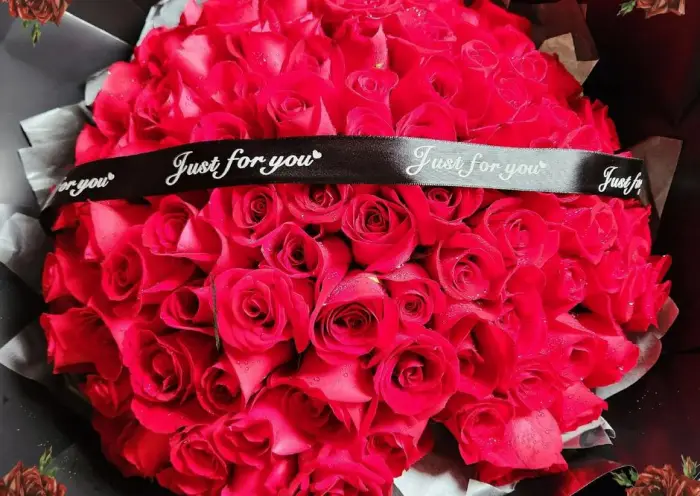
The importance of flowers is needless to say, they are one of the most timeless gifts for all kinds of festivals, and certainly including the Qixi Festival. Red roses are the top choice, as they have long formed the impression of passion and everlasting love in people’s heart.
Lilies, typically associated with meanings like good fortune in marriage, are also commonly given. Besides, some couples would prefer sending sunflowers, as they are the best representative of loyalty and adoration. Indeed, a carefully arranged bouquet can sometimes speak louder than words.
Handmade Crafts
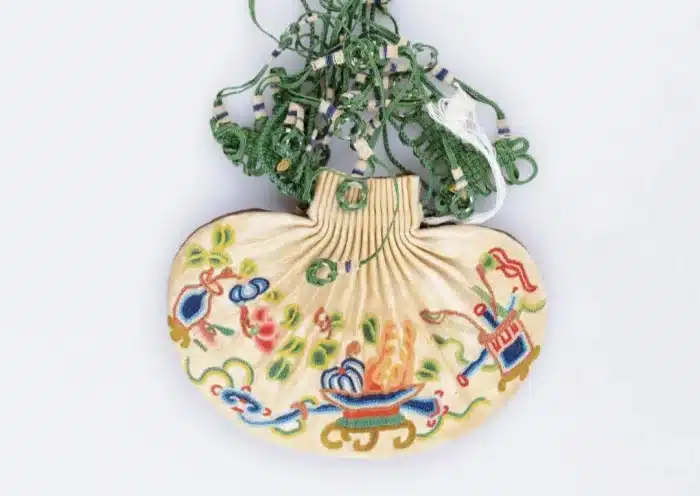
Another widely applied idea is handmade presents. It carry an intimate and personal touch, allowing the gifts to carry meanings that’s way more expensive and valuable than the item itself. Couples often exchange DIY gifts such as embroidered purses or beaded bracelets, all of which embody their thoughtfulness and care for each other. Moreover, these gifts also echo the festival’s roots in weaving and craftsmanship, reflecting the huge effort that one wish to put into the relationship.
Greeting Cards and Wishes
- May your love story be as timeless as the Cowherd and Weaver Girl.
Pinyin: Yuàn nǐmen de àiqíng gùshì xiàng Niú Láng hé Zhī Nǚ yīyàng cháng jiǔ.
Chinese: 愿你们的爱情故事像牛郎织女一样长久。 - On Qixi Festival, may happiness walk hand in hand with your love.
Pinyin: Qīxī jié lǐ, yuàn xìngfú yǔ àiqíng tóng xíng.
Chinese: 七夕节里,愿幸福与爱情同行。 - No distance can keep true hearts apart—Happy Qixi Festival!
Pinyin: Zhēn’ài bùpà jùlí, qīxī jié kuàilè!
Chinese: 真爱不怕距离,七夕节快乐! - May the stars witness your everlasting devotion this Qixi night.
Pinyin: Yuàn xīngxī jiànzhèng nǐmen yǒngyuǎn de shēnqíng.
Chinese: 愿星夕见证你们永远的深情。 - Happy Chinese Valentine’s Day—may your love shine brighter every year.
Pinyin: Zhōngguó qíngrén jié kuàilè, yuàn nǐmen de àiqíng nián nián gèng jiàn ròngyào.
Chinese: 中国情人节快乐,愿你们的爱情年年更见荣耀。
Qixi Festival Food & Desserts
Qiaoguo (Fried Thin Pastries)
Qiǎo guǒ (巧果), literally means “skillful fruit,” is the most iconic snack of the Qixi Festival. These deep-fried, crispy pastries are often twisted into small patterns like flowers or knots to symbolize the weaving skill and the Magpie Bridge. In ancient times, women would make and offer this to pray for wisdom, love, and a happy marriage. Today, they are still enjoyed as a sweet festive treat that carries a strong sense of Qixi.
Seasonal Fruits (Melons, Grapes)
Fresh fruits are also important on Qixi. Melons, especially cantaloupe, and fresh grapes are some of the must offered fruits during the festival. Families often share them at night under the stars, and this activity can, indeed, connect people with the romantic story of the Cowherd and Weaver Girl.
Honey & Flower Cakes
Considering the core meaning of Qixi and also the season it falls in, sweet cakes flavored with honey, osmanthus, or rose have then naturally become popular as one of the iconic festive food. Their delicate fragrance and sweetness echo with the beauty of love and the hope for a sweet married life.
Where to Experience Qixi in China
For couples and newlyweds, having your China tour around the Qixi Festival is definitely a good idea, as it gives you chance to travel and experience a unique expression of romance in some of China’s most enchanting destinations. No matter you’re expecting lakeside strolls or visits to ancient towns, these places will help you capture the true spirit of love in Chinese culture.
Hangzhou – Romance by the West Lake
Hangzhou is surely one of China’s most romantic cities, and from past to present, poets have never stopped praising it for its serene beauty. As many people have admitted, enjoying a boat ride on the legendary West Lake with your loved ones or walking along Su Causeway under the moonlight are some of the most memorable experiences that one can ever get in their lives. Also, during Qixi, there will be lantern shows and cultural events which are designed to add the festive atmosphere to the site.
Recommended Hangzhou Tour Packages:
6 Days Shanghai Suzhou Hangzhou Tour with Tongli Water Town
5 Days Private Hangzhou and Huangshan Tour
Xiamen – Seaside Charm & Gulangyu Island
However, if you’re looking for a more passionate coastal escape, put Xiamen in your destination list. Here you can take a troll through the charming Gulangyu Island at sunset to explore the endless romance created by the old-style colonial architecture and piano music.
Recommended Xiamen Tour Packages:


Chengdu – Slow Life & Spicy Romance
When talking about Chengdu, the first and even only thing that one would think of would be its famous giant pandas bases. However, it also has an amazing leisurely lifestyle that makes it perfect for a couple’s retreat.
Imagine sipping tea in an old Sichuan teahouse and spend several hours in walking through historic Jinli Ancient Street, this city has the magic to slow everyone down and bring them closer to the true meaning of life. On Qixi night, Chengdu would host lively cultural activities and markets, and these are the best places for you to get traditional Qixi festival gifts for your partner.
Recommended Chengdu Tour Packages:
Dali – Ancient Town & Starry Nights
For newlyweds seeking a quiet and poetic escape from the hustle and bustle of city life, Dali in Yunnan Province are likely to be a dream destination for you. Time seems to be extremely generous to this place, as you can easily find traces of the past in every corner of Dali Ancient Town, the serene Erhai Lake, and the starry skies. The romantic atmosphere created by nature, history and culture has made it a perfect place to celebrate love.
Recommended Dali Tour Packages:
4 Days Yunnan Dali Old Tea Horse Road Experience Tour
Qixi vs. Western Valentine’s Day
Although both the Qixi Festival and Valentine’s Day focus on the expression of love, they are still differed in many ways:
Origins & Cultural Backgrounds:
The Qixi Festival originates from old Chinese traditions and got influenced by the legend “The Cowherd and the Weaver Girl”. As a Chinese traditional festival, it is not celebrated worldwide, but have caught major focus in China and other East Asian regions like Japan, Korea, and Vietnam.
Valentine’s Day, on the other hand, is a pure Western festival originating from local history and culture like ancient Roman traditions and later Christian beliefs. Nowadays, it has long become a global celebration of romantic love.
Dates:
Qixi Festival would fall on the 7th day of the 7th lunar month, which means the exact date is unlikely to be the same in each year. In fact, it changes flexibly according to the Chinese lunar calendar (usually in August). However, the Valentine’s Day is always fixed on February 14th and it’s celebrated worldwide on the same date.
Customs & Traditions:
There are a lot of traditional activities that Chinese people once designed just for Qixi, for example, stargazing, praying under the night sky, and demonstrating needlework skills.
In comparison, Valentine’s Day emphasizes more on romantic gestures, which means people have long been used to giving roses, chocolates, greeting cards, and planning special dinners or trips. It focus more on modern expressions of affection.
Aspect |
Qixi Festival (Chinese Valentine’s Day) |
Western Valentine’s Day |
Origins & Cultural Backgrounds |
Ancient Chinese traditions/ an legend |
Roman traditions and later Christian beliefs; |
Date |
7th day of the 7th lunar month; date changes each year (usually in August) |
February 14 |
Regions Celebrated |
Primarily in China and East Asian regions |
Worldwide |
Customs & Traditions |
Stargazing, praying for love and marriage, showcasing traditional skills; |
Exchanging gifts and planning romantic dinners or trips |
Focus & Symbolism |
Cultural heritage, mythology, and the reunion of lovers |
Modern romantic gestures and expressions of love |
FAQs About Qixi Festival
Is Qixi Festival a Public Holiday?
No. Qixi Festival is a traditional festival, but it is not a public holiday in China. This means if it just falls on weekdays, then people will have to mainly celebrate it in the evening, while work and school schedules remain normal.
Do Chinese celebrate February 14 Valentine’s Day?
Yes. In modern China, young couples also celebrate the February 14 Valentine’s Day, and it’s definite a day of with chocolates, and Western-style dates, and many shops and restaurant will also hold Valentine’s Day events. However, Qixi Festival still remains the traditional Chinese Valentine’s Day with its own cultural background and customs.
What gifts are given during Qixi Festival?
The common choices include flowers (especially roses), chocolates, jewelry, and small romantic surprises. You can see that most people now are oriented to the modern-style gifts. In some regions or for people who want to keep the sense of traditional Qixi Festival, they would send handmade pastries like qiaoguo to others as symbols of love and happiness.
Experience China’s Festivals with China Xian Tour
The Qixi Festival is surely the best time to experience the unique Chinese-style romance; however, it’s also just one of the many vibrant celebrations in China. There are still countless charming moments of traditional festivals waiting for you to discover.
If you want to enjoy the charm of Qixi or other festivals like Chinese New Year or Mid-Autumn Festival firsthand, our tailored China tours can give you an experience that’s far beyond just sightseeing. Our local travel experts will help customize a tour that’s totally based on your own interests, time, and budget. With China Xian Tour taking care of all details along the trip, you can then completely immerse yourself in China’s historical, cultural, and natural beauty.


