
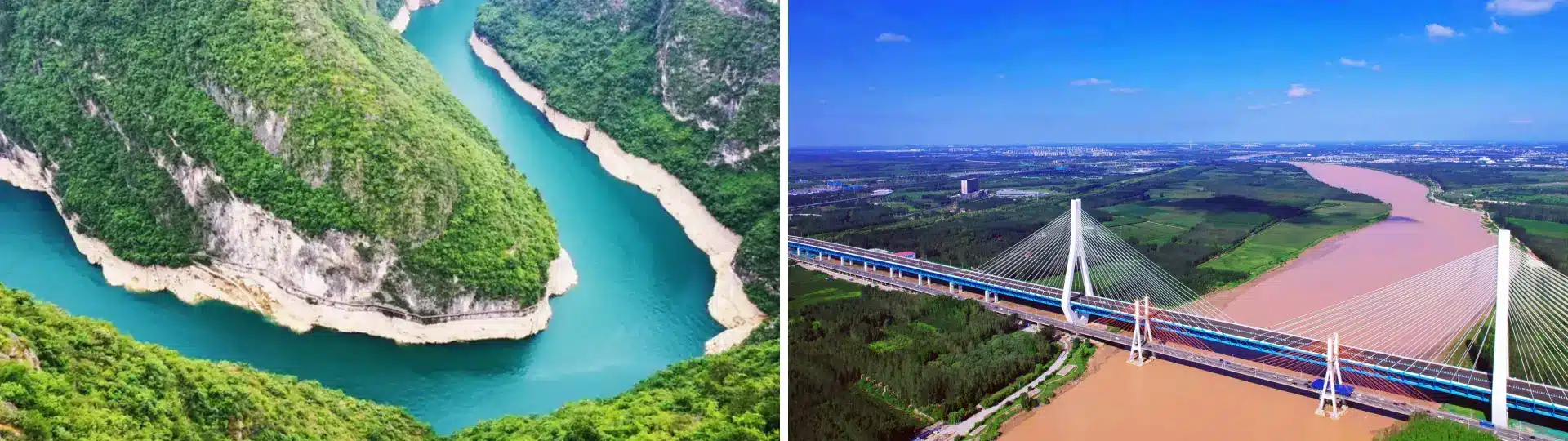
The Yangtze River and the Yellow River are the two most important lifelines of China. They flow respectively on the south and north sides of the Qinling Mountains, and have nurtured the brilliant and splendid Yangtze Civilization and Yellow River Civilization. Thus, both of them are often described as the important cradle of Chinese civilization. The Yangtze Civilization is usually represented by Bashu, Jingchu, Huxiang, and Wu-Yue cultures, while the Yellow River Civilization is known for its Central Plains, Qin-Long, and Qilu cultures.
As the 1st and 2nd longest rivers in China, the Yangtze River and the Yellow River exhibit distinct differences in natural geography, economic impact, and culture. The Yangtze River boasts a navigable mileage of 64,833 kilometers, earning it the moniker “Golden Waterway.” The Yellow River is less navigable due to its unpredictable water flow.
Follow the detailed comparison of the Yangtze River vs the Yellow River in this article to find more differences between these two China’s river titans.
Content Preview
- At a Glance: Key Differences Between the Yangtze and Yellow Rivers
- Head-to-Head: Comparing the Differences Between Yangtze and Yellow River
- Experience the Rivers: Planning Your Adventure
- Yangtze River vs Yellow River: Which Adventure Will You Pick?
- Which river is older in Chinese history?
- Ecological Problems of the Two Rivers
- Let China Xian Tour Craft Your Perfect River Journey
At a Glance: Key Differences Between the Yangtze and Yellow Rivers
Watch this simple comparison table before we get started. This is your reference guide to identifying the primary distinctions between the Yangtze and the Yellow rivers. Take a moment to discover the basic facts of each fabled river!
Feature |
Yangtze River (Chang Jiang) |
Yellow River (Huang He) |
Nickname |
“The Long River,” “Golden Waterway” |
“The Mother River,” “Cradle of Chinese Civilization” |
Length |
Approx. 6,374 km (3,961 miles) – Longest in Asia |
Approx. 5,464 km (3,395 miles) – Second longest in China |
Source |
Tanggula Mountains, Tibetan Plateau |
Bayan Har Mountains, Tibetan Plateau |
River Mouth |
East China Sea, near Shanghai |
Bohai Sea, Shandong Province |
Color & Flow |
Clear blue-green, deep and navigable |
Muddy yellow-brown, high sediment load |
Famous Cities |
Shanghai, Wuhan, Chongqing, Nanjing, Yichang |
Lanzhou, Zhengzhou, Jinan, Xi’an (on a tributary) |
Iconic Experience |
A relaxing Yangtze River cruise through the Three Gorges |
Exploring ancient capitals and Hukou Waterfall |
Cultural Role |
Center of southern “rice culture,” trade, and poetry |
Birthplace of northern “millet culture,” early dynasties |
Economic Importance |
Massive economic engine, shipping, hydroelectric power |
Critical for agriculture in northern China |
Head-to-Head: Comparing the Differences Between Yangtze and Yellow River
Geography and Physical Characteristics
Each the Yangtze River and the Yellow River define the geographical and natural differences between Northern and Southern China.
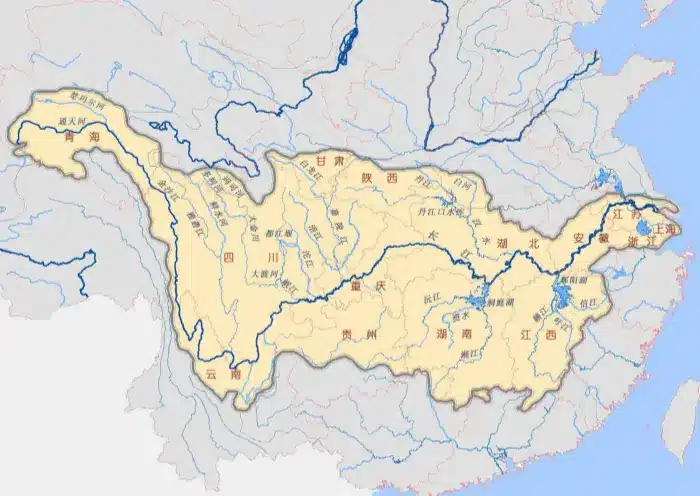
The mainstream of the Yangtze flows through 11 provincial-level regions, including Qinghai, Tibet, Sichuan, Yunnan, Chongqing, Hubei, etc., until it finally empties into the East China Sea at Shanghai. According to the geography differences along its way, it can be divided into the swift upper reaches (featuring plentiful gorges), the winding and low middle reaches, and the wide and slow lower reaches (offering superior navigation conditions).
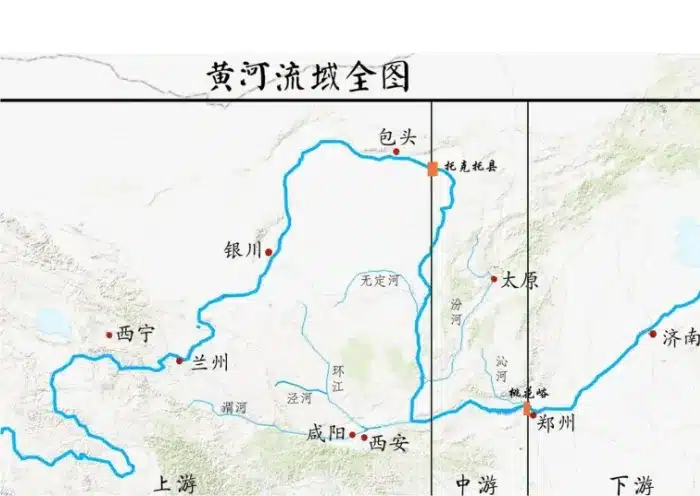
The Yellow River flows through 9 provinces, which are Qinghai, Sichuan, Gansu, Ningxia, Inner Mongolia, Shanxi, Shaanxi, Henan, and Shandong. It can also be divided into three reaches. The upper reach is clear and stable, nourishing the fertile Hetao Plain in Ningxia and Inner Mongolia. After cutting through the Loess Plateau, its middle reach carries an enormous amount of silt, making it the most sediment-laden river in the world. From Henan to the estuary, its lower reach enters the North China Plain. The decreased speed and the massive amounts of silt together create the “river above ground” (地上悬河) phenomenon.
Length and Source
They both originate from the Qinghai-Tibet Plateau mountains, but flow through very distinct regions and conclude in different seas.
The Yangtze River is like a behemoth emerging from a frozen peak high in Tibet to become the third-longest river in the world. The voyage to the East China Sea is 6,374 kilometers (3,961 miles) long.
The famous Yellow River, or Huang He River, comes next. Although it is somewhat shorter, spanning 5,464 kilometers (3,395 miles), it is known as the “cradle of Chinese civilization.”, boasting many culture and history rich cities along its way, such as Luoyang, Xian.
Basin and Flow
The Yangtze River flows through a huge, lush basin that covers one-fifth of China’s land area. Due to its powerful flow and abundant water volume, it is also called the “Golden Waterway.” As a result, it is a true monarch among rivers and the ideal superhighway for boats.
The story of the Yellow River, however, is more untamed. It turns into a river of mud as it rushes across the dusty Loess Plateau, sweeping up tons of yellow silt. Although this Yellow River basin produces lush agriculture, it also contributes to destructive floods.
River Mouths
The Yangtze’s journey comes to a contemporary roar at its end. It flows into the East China Sea in Shanghai. One of the most significant ports in the world today, the bustling Yangtze River mouth is a real hub for international trade.
The Yellow River’s spectacular climax, however, is far more outrageous. As the Yellow River mouth drains into the Bohai Sea, so much yellow silt is deposited that new land is created over time. This lush delta is a refuge for agriculture and wildlife, demonstrating the unadulterated force of nature in action.
Historical and Cultural Significance
If the rivers are the veins of China’s culture, they have long supported it. Each river produces a unique culture by representing two facets of the country’s nature.
Yangtze River Civilization
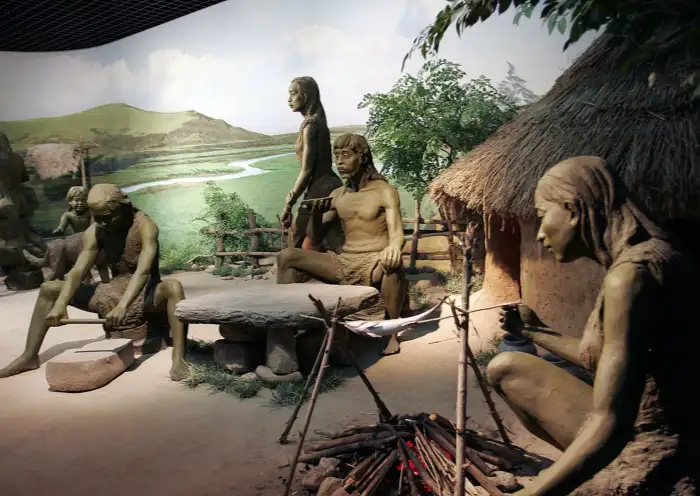
A magnificent culture was born around the Yangtze River of China. Long before China’s famous dynasties, ancient people like the Hemudu thrived along its banks and mastered the practice of rice farming. Talented artisans created intricate jade sculptures and beautiful pottery that reflected their highly developed society.
The river eventually became a bustling commerce route connecting strong southern kingdoms. This continuous influx of people and ideas created a vibrant culture and added fascinating new eras to China’s lengthy history.

Yellow River Civilization
According to its well-known moniker, the Asia Yellow River is the “Cradle of Chinese Civilization.” China’s fertile banks were the birthplace of its first powerful dynasties, the Xia, Shang, and Zhou. Thanks to the fertile soil, farmers could grow a grain called millet, which helped them construct permanent dwellings that eventually developed into the earliest cities in the country.
Big ideas were also prevalent in this area. It was here that early writing and metalworking were developed. Above all, Taoism and Confucianism, two significant beliefs that have shaped Chinese culture for millennia, were born there. >> Read more about the Yellow River civilization
The Han River Connection
What, then, was the link between these two disparate worlds? The Han River was the secret ingredient. The biggest river that empties into the Yangtze created a natural bridge connecting the north and south cultures.
As people, products, and innovative ideas were transported back and forth, this river became a bustling freeway. It merges with the Yangtze. The cohesive Chinese identity that we now perceive was largely woven together by this amazing “cultural handshake”.
River Cities: Pearls on a Thread
Each city along these two big rivers has its history and magic, making them gleam like pearls on a string.
Famous Cities Along the Yangtze River
Along the Yangtze River are both historic centers and contemporary wonders.
- Shanghai: A futuristic marvel where the river finally joins the sea, Shanghai is China’s glistening front door to the world. Walk the Bund for a spectacular experience. There are large, historic structures in the European style. The contemporary buildings of Pudong, however, pierce the clouds.
- Wuhan: The enormous metropolis of Wuhan, also called the “beating heart of Central China,” is where the Yangtze and Han rivers meet. It has a long history and is a bustling center. Make sure to ascend the well-known Yellow Crane Tower for a breathtaking aerial perspective of the city below.
- Chongqing: Known as the “Mountain City,” Chongqing is a huge city ingeniously constructed on extremely steep slopes. It is where the Yangtze River tours most frequently begin. You have to taste the local hotpot before you go sailing. One of the most famous spicy dishes that will make your mouth tingle! You must take a nighttime boat tour to see the city’s dazzling skyline and the Yangtze River wildlife mirrored on the lake.
Recommended tours:
6 Days Shanghai and Yangtze River Cruise Tour
14 Days Scenic China Tour with Yangtze River Cruise


Famous Cities Along the Yellow River
The Yellow River flows through cities straight out of a history book.
- Lanzhou: Lanzhou is an excellent location to return in time, a significant stop along the ancient Silk Road. Its mouthwatering hand-pulled beef noodle soup has made this historic city famous worldwide. It’s an unforgettable taste of history! Visit the town and cross the Iron Bridge, the first bridge to span the river.
- Zhongwei in Ningxia: It is the place where you can encounter Shapotou Scenic area, at the southeastern edge of the Tengger Desert, with landscapes of desert and the Yellow River coexisting. Here, you can get a unique chance to take a Yellow River rafting on a traditional sheepskin raft and challenge the Yellow River Zip Line (a 54-meter vertical drop).
- Zhengzhou: Consider Zhengzhou to be your entryway to historic China. The ideal starting point for discovering the area’s historic gems is this large city. The renowned Shaolin Temple, which is regarded as the cradle of Zen Buddhism and Kung Fu, is a short day’s journey from here. You feel as though you’ve entered a movie set.
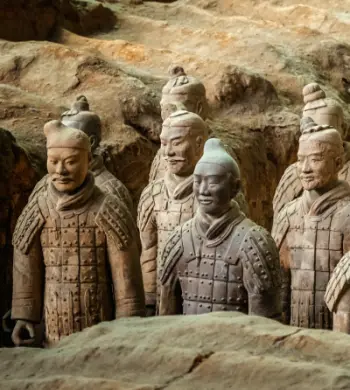
- Xi’an: It is widely known as the starting point of the ancient Silk Road, serving as the capital for 13 distinct dynasties in Chinese history for centuries. Today, it is a hot travel destination for the many historical sites, like the Terracotta Warriors and Horses, the Ancient City Wall, and the Big Wild Goose Pagoda. The Hukou Waterfall is about 300 kilometers from its city center. Besides being a gateway for the Yellow River culture, it is also a popular site to start a China Silk Road tour.
Suggested tours:
7 Days Silk Road Tour from Xian to Dunhuang by High-speed Train
4 Days Xian and Lanzhou Tour with Xiahe by Train
Yangtze River vs Yellow River: Modern Economic and Ecological Roles
Both the Yangtze River and Yellow River are China’s economic engines but face significant contemporary issues that require attention.
River Yangtze: The “Golden Waterway”
Known as the “Golden Waterway,” the Yangtze River in China is now an economic expressway. An incredible 46% of China’s GDP is generated near this powerhouse.
An important aspect of this contemporary tale is the massive Three Gorges Dam, the biggest power station in the world. This incredible plant does three jobs at once: it stops dangerous floods, creates clean energy, and has helped turn the river into a top destination for Yangtze River cruises.
Yellow River: Agriculture and Protection
Though no superhighway for ships, the Yellow River is a lifeline, watering millions of thirsty acres in China’s dry north!
But sadly, filthy waters and dry spells are now putting the squeeze on the cherished “Mother River.” The administration’s response has been a huge rescue effort. The simple goal is to preserve the river’s health and resilience for coming generations.
Experience the Rivers: Planning Your Adventure
Yangtze River Adventure: The Mighty Cruise
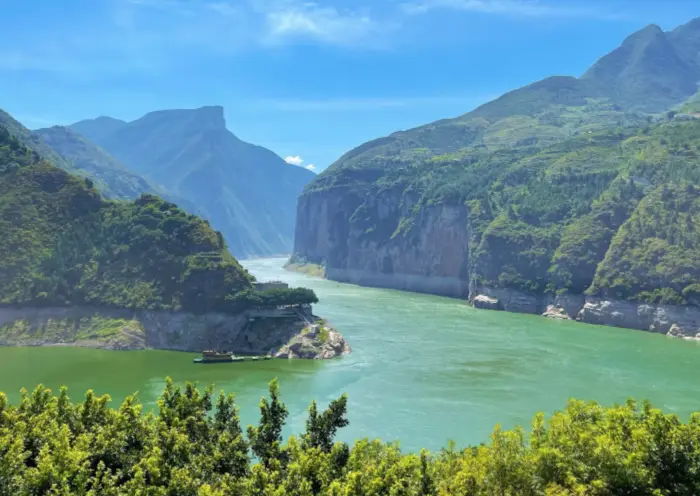
Experiencing a Yangtze River cruise tour through the well-known Three Gorges is the best. It is a journey that will never be forgotten, skillfully fusing thousands of years of history with stunning landscapes.
Picture yourself sailing on sheer cliffs for three or four nights. You will see foggy mountains outside your window every morning when you wake up. On your balcony, you may relax and take in the stunning, always-changing surroundings.
While traveling, you will embark on exciting Yangtze River locations:
- Fengdu Ghost City: This intriguing temple complex, which focuses on the afterlife, is open for exploration. Statues of gods, heroes, and monsters from prehistoric Chinese tales and stories abound.
- Shibaozhai Pagoda: It is possible to visit the magnificent Shibaozhai Pagoda. It’s a gorgeous 12-story wooden tower painted a striking crimson and set directly into a cliff.
- Shennong Stream: You will cross the Shennong Stream in tranquility by boarding a smaller boat. You will traverse a narrow, emerald-green gorge with untamed, wild nature.


The finest way to see the heart of China is on a Yangtze River cruise. It provides the ideal balance of breathtaking landscapes, cultural explorations, and ample leisure opportunities.
Recommended China Tours including Yangtze River Cruise:
- 14 Days China Yangtze Cruise Tour with Li River Cruise
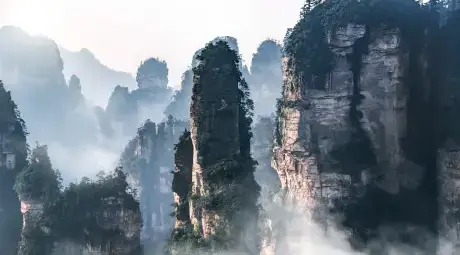
- 7 Days Yangtze River Cruise and Zhangjiajie Tour
Yellow River Tourist Attractions: To the Cradle of Culture
There are no luxury cruises on the Yellow River. Rather, coming here is like traveling across the country. It all comes down to exploring China’s ancient heritage and experiencing the river’s unadulterated force.
Here are a few of the amazing sights you must see:
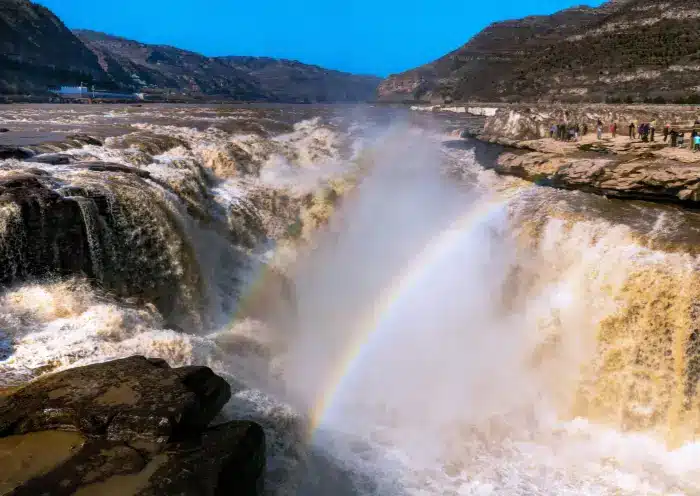
- Hukou Waterfall: See the only yellow waterfall in the world at Hukou Waterfall! The dirty river thunders through a tiny gorge. This remarkable scene resembles a huge teapot spilling its contents.
- The Loess Plateau: Discover the past at the Loess Plateau, a unique location. Ascending the hillsides, you can explore well-known terraced fields. Additionally, you will see historic houses carved directly from the ground.
- Ancient Capitals: Explore the ancient capitals and stroll across the heartland of China. The historic capitals of Xi’an, Kaifeng, and Luoyang are open for visits. You can find famous relics here, such as the stunning Longmen Grottoes and the Terracotta Army.
For those who enjoy history, this vacation is an absolute dream. You will arrive at the “Cradle of Chinese Civilization.” That’s where the great tale of China initially started.
Recommended China Tours with Yellow River encounters:
- 6 Days Ningxia Ultimate Vacation: Desert Camping & Winery
- 3 Days Pingyao Heritage & Hukou Waterfall Marvels Tour
Yangtze River vs Yellow River: Which Adventure Will You Pick?
Your own travel interests actually determine the best choice. It might be considered a decision between two equally magnificent entrances to the center of China.
Choose the Yangtze River if:
Traveling down the powerful Yangtze is a great way to combine leisure with natural, historical and contemporary marvels. It’s an easy, pleasant, and scenic journey.
- You admire the stunning surroundings. To float across the majestic Three Gorges is a serene and wonderful experience.
- You have an interest in engineering. A genuine pleasure of the journey is witnessing the dam’s amazing enormity up close.
- You enjoy the vibrancy of large, futuristic cities. Places like Shanghai or Chongqing, where the voyage typically begins or ends, can give you a sense of the dynamic energy of contemporary China.
- You love a simple and enjoyable journey. All-inclusive tourist packages are available on the top Yangtze River cruise. They care for everything, making your journey easy from beginning to end.
Choose the Yellow River if:
You should follow the Yellow River if you want a wild, adventurous experience and are interested in history.
- You have the heart of a history detective. You should take this trip if you enjoy exploring historic capitals and viewing relics that date back thousands of years.
- The birthplace of Chinese civilization is where you wish to stand. As the “Cradle of Chinese Civilization,” this is where the first dynasties emerged and the fundamental concepts of Confucianism developed.
- You are a fan of untamed, unique scenery. There are no other places to see the distinctive cave dwellings of the Loess Plateau and the strong, muddy churn of Hukou Waterfall.
- You yearn for an adventure that seems less conventional. Seeing China’s historical and cultural center is more important to this vacation than relaxing on a boat.
Good to know: Different from the Yangtze River, tourists can’t take long cruises on the Yellow River. Because it’s much wilder, carrying lots of mud and sand. This makes it too shallow, and the currents are too powerful and unpredictable for big cruise ships. But you can find short local boat tours in Lanzhou, Ningxia, etc.
Which river is older in Chinese History?
In the aspect of history, the “big brother” of Chinese culture is the Yellow River. Although other rivers are also very old, this is where China’s history really started, thus renowned as the “Cradle of Chinese Civilization”.
The nation’s epic story began right on its banks. Food might be grown on the fertile soil on its muddy banks. This aided early humans in establishing towns that eventually developed into strong kingdoms such as the Shang, Zhou, and Xia dynasties. And the Central Plains Dynasty was established here first, which laid the foundation for the basic political pattern of ancient Chinese dynasties. From the earliest written words to significant concepts, they established the basis for Chinese culture. It holds such a powerful place in the nation’s heart.
The Yangtze River is also an important birthplace of Chinese culture. Historically, it was the South’s cultural heart. Many famous poets and artists lived and worked along the river. But the culture originated from the region has been incorporated into the Central Plains Dynasty system gradually, forming a pattern of “unity in diversity” finally.
Ecological Problems of the Two Rivers
The Yangtze River’s main problem is the ecological burden due to its role as the economic artery. As one of the regions with the densest population and the most active economic activities, its fast development results in huge pressure on the environment. The enterprises along the banks, as well as the busy shipping, are all important sources of pollution. Some lakes still face the threat of eutrophication. This harms the biodiversity. Part of the unique rare animals are near extinction, like the finless porpoise.
The big problems of the Yellow River are mainly caused by severe water shortages and water and soil loss. Its total water resources account for less than 7% of the Yangtze River, but its utilization rate is as high as 80%. Some tributaries face severe shortages of ecological flow, and even frequent water cut-offs. Though the amount of sediment decreases significantly, it remains a problem to maintain the balance of water and sediment. The ecology is fragile in the source area due to climate changes and overgrazing. Thankfully, several projects are underway to save both rivers.
Let China Xian Tour Craft Your Perfect River Journey
Can’t decide between the Yangtze River vs Yellow River? Why not combine both of them in your China tour? With more than 15 years of expertise organizing incredible travel experiences in China, our expert travel consultant team is always ready to help visitors create their China vacation based on personal preferences and requirements. Whether you want a leisure and scenic cruise along the Yangtze River, encounter wild beauty and historical sites along the Yellow River, or admire other beautiful rivers, such as the Li River, Pearl River, China Xian Tour can make your ideas come true.