

Written by Clementine |
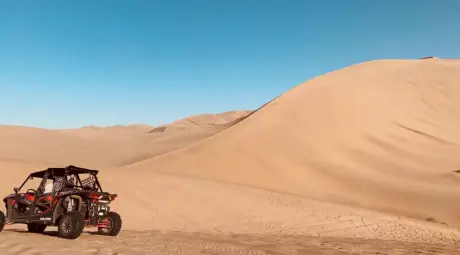
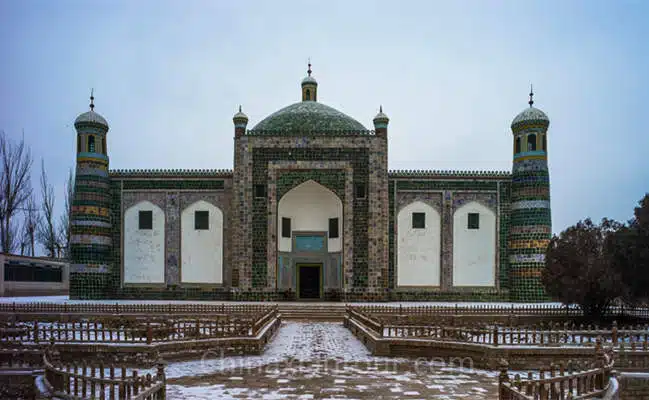
Nowadays Silk Road is an arising tourist route, but actually in 2000 years ago it was opened as a trading route. And when mentioning Silk Road Cities in China, Dunhuang, Kashgar, Turpan, and Urumqi may come to one’s mind first. So when planning a Silk Road tour, these cities are considered as the must see ones. Indeed these cities are among the crucial spots along ancient Silk Road, but in fact along the Silk Road there are much more cities. Some of them survived from history, and many small cities in today’s desert area disappeared due to either wars, natural disaster, land deterioration, or climate change. Some ruins of disappeared cities were discovered and open to tourist, and more of them are still sleeping in deep desert. So the existed cities and city ruins become the hot attractions that attract tourist home and abroad to ancient and mysterious Silk Road.
Content Preview
- Xian – The Starting Point of the Silk Road
- How was the Silk Road established?
- The Modern Landmarks on Silk Road in Xian
- Tracing the Trade: Xi’an’s Living Silk Road Legacy
- The Next Steps: Westward Logistics
- FAQs about Silk Road
- Plan a China Silk Road Tour with China Xian Tour
Xian – The Starting Point of the Silk Road
Then if one want to explore the complete Silk Road in China, where should he start? The answer is Xi’an. Only with a tour start from Xian and going westward, one could explore the complete Silk Road.
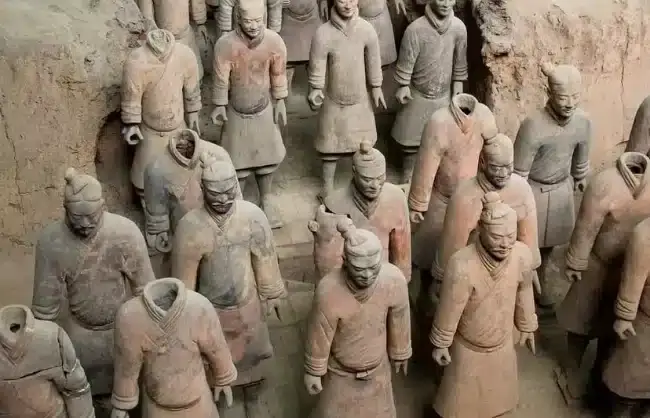
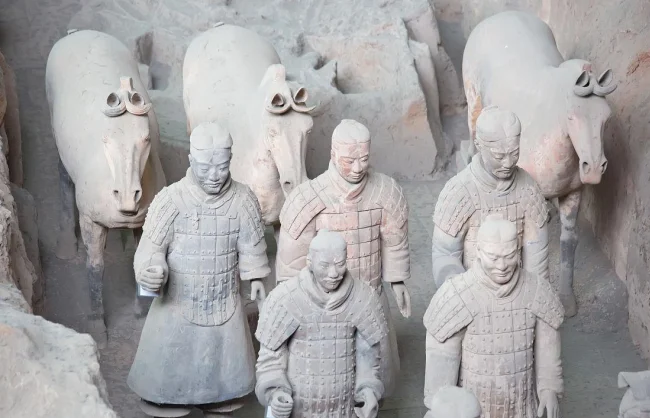
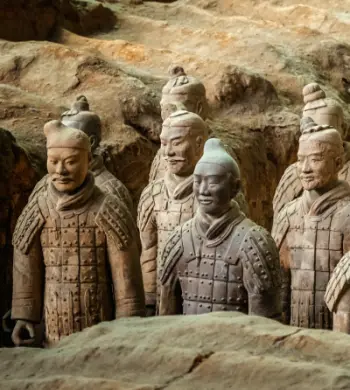
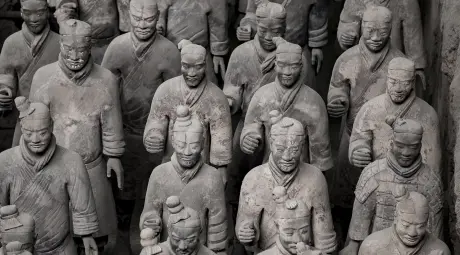
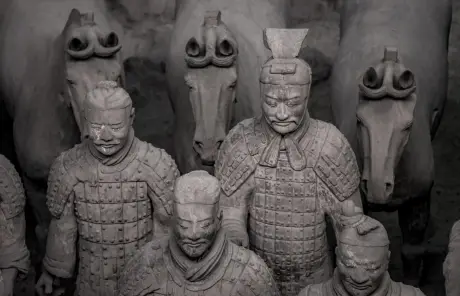
Xian is best known as hometown of Terracotta Warriors and Horses and as capital city of 13 dynasties and kingdoms. In fact the city is also the starting point of Silk Road, an ancient trading route. The trading route is named so because the most famous goods on this route is silk.
How was the Silk Road established?
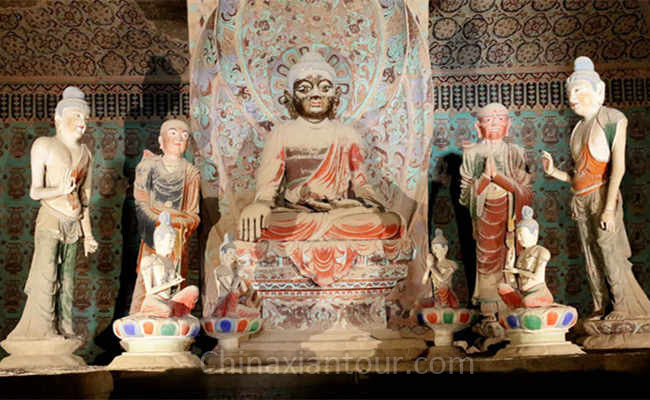
In the West Han Dynasty (202BC-8AD), Emperor Wudi sent a diplomat Mr Zhangqian to Dayuezhi (an ancient nation in Mid Asia) to seek chance for military cooperation. Though Dayuezhi refuse Han Dynasty’s invitation and the diplomat was once arrested by enemy, he took the chance record geography fact and folk culture of area he passed. And one the way back to homeland, the diplomat bought some seldom seen goods, local products of Mid Asia, and cast technique. After tens of years the diplomat finally returned Xian (known as Changan in Han Dynasty) and offer what he brought to Emperor Wudi. The emperor was indeed surprised and decided to open a trading route connecting Changan and nations in far west. Since then the well known Silk Road came into being. And in the following centuries may nations along Silk Road flourished due to the active business activities. Dunhuang is the pearl along ancient Silk Road and Kashgar became a big trading hub. No matter where were those goods from, their final destination was all Changan, the largest and richest city in the world at that time.
The Modern Landmarks on Silk Road in Xian
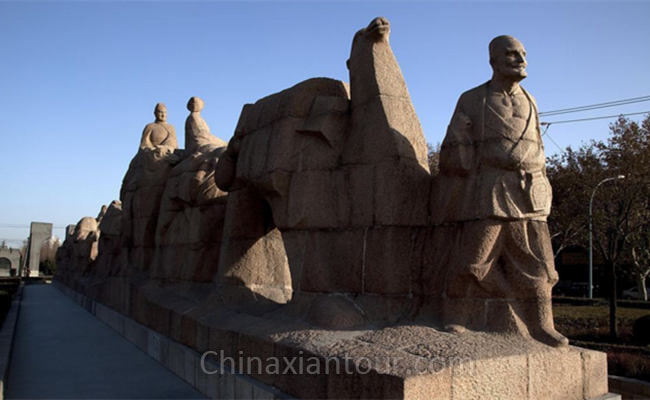
Changan City was not only the final destination of these goods but also the dreamed city of travelers and merchants. Many travelers and merchants from West settled and married in Changan, the starting point of Silk Road. These outcomers settled in west part of Changan City and finally this area became the West Market, the best place to buy goods transferred from West. Today nearby the West Bus Station there are groups of Statues of Western Merchants. These statues are called Starting Point of Silk Road. These travelers in ancient time can be regarded as the first tourists of Silk Road tour.
Tracing the Trade: Xi’an’s Living Silk Road Legacy
- The Muslim Quarter (Huimin Street): It is not composed of only one street, but a settlement area of the Hui people. How was it formed? It can also be dated back to the Tang Dynasty. Since that time, numerous Muslim merchants, envoys and students came to Chang’an through the Silk Road and settled down here. Gradually, the Muslim Quarter was formed. Now, it has been a living legacy of the Silk Road. The ancient mosques are witnesses to the history. And the delicious foods here also integrate the ingredients and cooking skills brought by the Silk Road with the local flavors.
- The Great Mosque of Xi’an: There are many mosques inside the Muslim Quarter, and the Great Mosque is the most famous. Because it is not only a religious site, but also the proof of exchange and integration of different cultures along the Silk Road. Its layout is like a classic Chinese garden with a quadrangle courtyard style, while the decorations and functions follow the Islamic teachings. The Islamic architectural aesthetics and Chinese traditional palace-style architecture are combined perfectly.
- Big Wild Goose Pagoda: This city landmark has a close and direct relationship with a cultural exploration and translation project on the Silk Road. In Tang Dynasty, the Monk Xuanzhang traveled westward along the Silk Road to search for Buddhist scriptures and he brought plenty of classics back. To preserve these classics, the pagoda was built under his supervision. Its design also combines the architectural form of ancient Indian pagodas and Chinese traditional buildings. Monk Xuanzang also translated many scriptures in Ci’en Temple where the pagoda is located.
The Next Steps: Westward Logistics
After exploring this starting point, you can continue westward to the next pearl on the road – Lanzhou. In ancient China, almost every traveler would pass by Lanzhou if they planned to travel along the Silk Road. Because it is the eastern starting point of the Hexi Corridor, the only safe path connecting the east and the west. From here, the landscape also transitions from fertile heartland to desert. So Lanzhou was an important transportation hub at that time. Nowadays, both high-speed rail and overnight sleeper trains can transport you from Xian to Lanzhou.
Recommended tour
FAQs about Silk Road
How does the Muslim Quarter today showcase the legacy of the Silk Road merchants who settled in the city centuries ago?
The dining culture, architectural layout and lifestyle all have the traces of the Silk Road merchants.
If I am continuing the journey west, what is the immediate major destination after Xi’an, and what landscape change marks the transition?
The next major destination is Lanzhou, and the landscape transition from fertile land to the Gobi Desert is the main symbol.
What’s the best way to travel west to other Silk Road destinations from Xian?
High-speed trains and overnight sleepers are more recommended.
Is it possible to experience the Han/Islamic cultural fusion mentioned in the article by visiting modern sites in Xi’an?
Of course. The Muslim Quarter, the Great Mosque and the Datang West Market are all vivid embodiments.
Plan a China Silk Road Tour with China Xian Tour
If you are planning a Silk Road tour, China Xian Tour is definitely your perfect partner. When we first started the inbound tourism business, Xian and the destinations along the Silk Road are our main targets, so we have the most abundant experience in this field. Besides, our trip is tailored specially for every tourist. The travel route will meet your needs undoubtedly. Just contact us now to start your perfect Silk Road tour.