
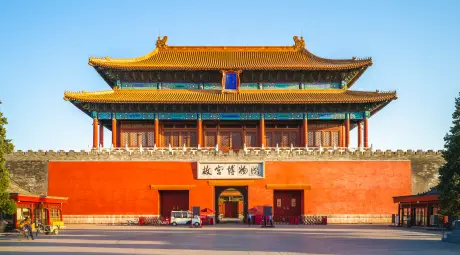

In 2014, “Silk Roads: the Routes Network of Chang’an-Tianshan Corridor” was immortalized on UNESCO World Cultural Heritage List. The ancient Silk Road usually refers to the land route that began in China’s imperial capitals of Chang’an (Western Han Dynasty) or Luoyang (Eastern Han Dynasty), passed through Gansu and Xinjiang, reached Central Asia and West Asia, and connected various Mediterranean countries. It is the earliest and most important channel for the exchange of Eastern and Western civilizations. When is the best time to visit Silk Road?
The weather of China Silk Road shows significant regional differences and seasonal characteristics, and the optimal travel time varies by region. For example, the temperature difference between day and night in summer can reach 20 °C; the lowest temperature in winter’s Xinjiang can drop to -30 °C. The variable and extreme climate conditions make seasonal selection the key to Silk Road tours. Generally speaking, spring and autumn (April-June, September-October) are the best time to visit China Silk Road, avoiding the scorching heat of Gobi Desert in summer and the dangers of winter ice and snow blocking the road.
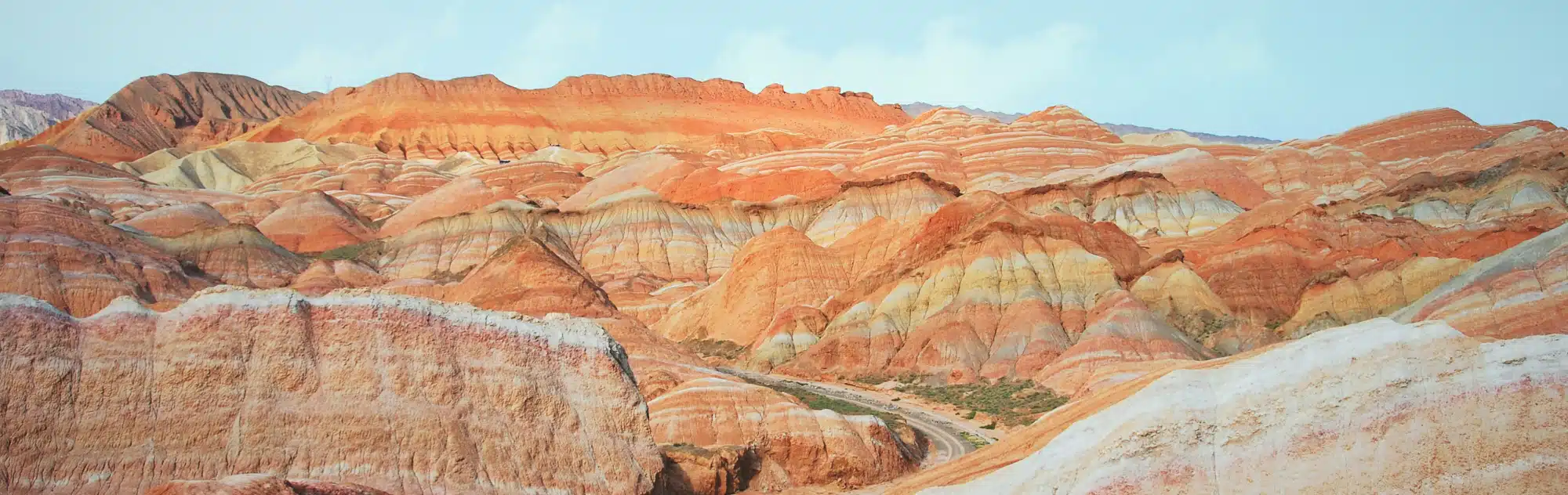
Time is crucial for Silk Road travel also because many natural landscapes such as desert and Danxia landform are more spectacular during specific seasons. And at different times, ethnic cultural festivals may be held in certain areas along the Silk Road. Therefore, by grasping the pulse of the seasons, we can safely and comfortably enjoy the magnificence and mystery of China Silk Road, and let history and nature shine with unique charm in the best climate.

Content Preview
- Best Time to Visit China Silk Road
- China Silk Road Weather in Different Seasons
- Key Seasonal Events & Natural Landscapes
- Best Time to Visit Top Destinations on China Silk Road
- Detailed Monthly Climate Data — Key Silk Road Cities
- Worst Time to Visit China Silk Road
- Essential Safety & Preparedness
- FAQs about the Silk Road Weather & Travel
- Join China Xian Tour on a Magical Silk Road Tour
Best Time to Visit China Silk Road
The best time to visit Silk Road is from April to October. Especially in spring and autumn (April-June, September-October), the climate is pleasant with an average temperature of about 15-25 °C, when you can encounter the ultimate picture of desert and oasis. This is also the ideal time to travel to Silk Road from Xi’an to Kashgar.
In spring (April-June), the temperature gradually rises and flowers bloom along the way. From May to June, you can enjoy the rapeseed flower sea in the Hexi Corridor and the golden sand waves in Dunhuang Mingsha Mountain.
China Silk Road in autumn (September-November) has cool and pleasant weather, and the scenery is very charming. From September to October, you can experience the golden Populus euphratica forest of Kashgar Ancient City and the splendid color of Zhangye Danxia.
Summer (July-August) is also a peak season for Silk Road trip. But in some areas, it is important to pay attention to sun protection and heatstroke prevention.
Theme of Silk Road Tour |
Best Time to Visit |
Core Experience |
Hiking and Outdoor Activities |
March-June, September-October |
Gobi and oasis traversing, canyon river tracing |
Desert Landscapes |
September-October |
Sunset silhouette, camping under starry sky |
Historical Sites |
April-October |
Mural viewing, festival culture |
Tips: During the peak tourist season, it is recommended to book tickets and accommodation in advance when planning a trip to Silk Road.

China Silk Road Weather in Different Seasons
China Silk Road weather presents dramatic temporal and spatial differences, and the four seasons outline a magnificent scene interweaving nature and culture.
For example, Xi’an has a warm temperate semi-humid continental monsoon climate, with distinct seasons of cold and warm, dry and wet. In northwest Gansu Province, such as Dunhuang, which is deeply inland and obstructed by plateau and mountainous terrain, the climate is dry, with hot summer and large temperature differences between day and night, and piercing cold winter.
The climate characteristics in Xinjiang are more extreme. Northern Xinjiang belongs to a temperate continental climate, with long and severe winter and short and hot summer. Southern Xinjiang belongs to a warm temperate continental arid climate, with scarce precipitation and dry weather. Besides, Xinjiang region is often affected by sandstorms.
In Spring (March-May)
The eastern section of China Silk Road (Hexi Corridor and Ningxia Plain) experiences a warm rainy season, with daytime temperatures rising to 10-20 °C, but the temperature difference between day and night still reaches 15 °C, with frequent sudden “late spring cold” attacks.
- Silk Road Destinations Recommended: the Gansu section (Lanzhou, Wuwei, Zhangye, and Dunhuang)
- What to Wear: unlined coat + windproof jacket in daytime, add velvet shawl at night, paired with beautiful bag and retro sunglasses
In Summer (June-August)
The extreme heat in Xinjiang is unbearable. The surface temperature in Turpan usually exceeds 70 °C, while the temperature in oases nourished by Tianshan snow water, such as Kashi and Kuqa, has remained at 25-30 °C.
- Silk Road Destinations Recommended: Lanzhou, Yili Grasslands, or Turpan for extreme experience
- What to Wear: quick drying T-shirts and sun protection shirts, paired with wide leg pants and sun hats. Add a thin down vest to cope with the temperature difference between day and night

In Autumn (September-November)
The daytime average temperature is 15-25 °C, and the sky is clear and blue. At night, the temperature drops below 10 °C. Silk Road welcomes its most poetic season, with Populus euphratica forest being gilded, and the Milky Way being clearly visible. So autumn is the best time to visit China Silk Road for photography.
- Silk Road Destinations Recommended: Kanas, Kashgar + Zhangye, Jiayuguan
- What to wear: long dresses and knitted cardigans paired with ethnic style headscarves, resisting the 20 °C temperature difference between day and night
Related reading: Kashgar Weather and Best Time to Visit Kashgar
In Winter (December-February)
The temperature of about -20 °C makes Northern Xinjiang covered in snow, while the blue ice and rime of Kanas Lake attract adventurers, and blizzards ravage the Pamir.
- Recommended: some destinations with winter characteristics, such as the snow scenery of ancient Xi’an City Wall, Dunhuang Mogao Caves, and skiing in Urumqi
- What to wear: thick down jackets, windproof outdoor jackets, and warm boots
Key Seasonal Events & Natural Landscapes
Timeframe |
Destination |
Phenomenon or Event |
Experience Highlight |
Mar – May |
Kashgar / Pamir |
Apricot blossom season |
Stunning apricot blossoms against mountain backdrops (Pamir foothills). |
May – Jun |
Zhangye / Wuwei (Hexi Corridor) |
Rapeseed (canola) fields |
Vast yellow fields contrasting with Danxia and desert scenery. |
Jun – Aug |
Turpan |
Extreme desert heat; grape growth & harvest (late summer) |
Visit vineyards, taste fresh grapes; daytime is very hot — early morning/late afternoon best. |
Aug – Sep |
Turpan / Grape regions |
Grape harvest & fruit festivals |
Local harvest fairs and fresh fruit markets. |
Sep – Mid-Oct |
Kanas / Hemu (Northern Xinjiang) |
Northern Xinjiang golden autumn |
Golden larch and poplar forests; turquoise lakes and ideal photography conditions. |
Mid-Oct |
Luntai (Tarim Basin area) |
Populus euphratica (tamarisk) forests turning gold |
“Hero Tree” and full golden splendor — peak color in mid–late Oct. |
Dec – Feb |
Urumqi / Altay |
Snow & Ice festivals; frozen lakes |
Ice sports, snow landscapes, rime on conifers — winter scenery in northern Xinjiang. |
Best Time to Visit Top Destinations on China Silk Road
Best Time to Visit Xi’an and Lanzhou
As two pearls located in eastern section of China Silk Road, Xi’an and Lanzhou interpret the rhythm of seasons with completely different temperament.
- Best Travel Time for Xi’an: March-May & September-October
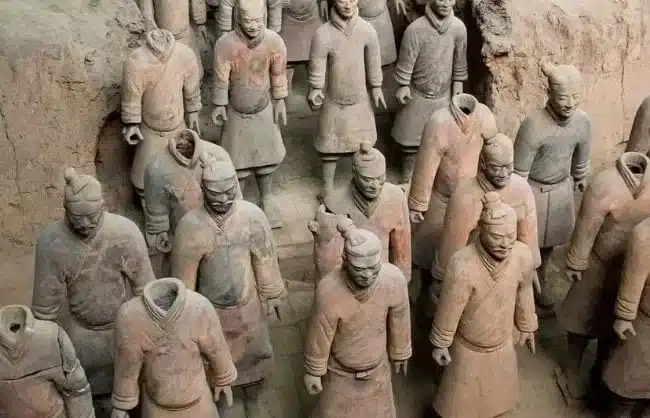
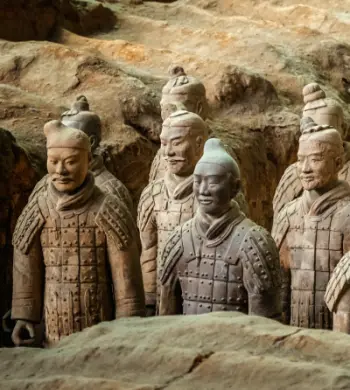
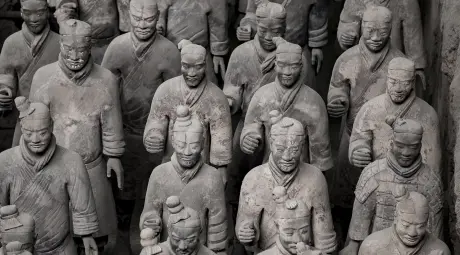
In spring, cherry blossoms in the Qinglong Temple flutter like snow, and willow branches gently brush by the Qujiang Pool. The forests of Zhongnan mountains are all dyed in autumn. The golden ginkgo trees pave the road under Xi’an City Wall, and the fountain on the North Square of Big Wild Goose Pagoda is good-looking. In September, the number of visitors to the Terracotta Army Museum decreased sharply.
- Best Travel Time for Lanzhou: June-October
In summer, the beer festival by Zhongshan Bridge and sheepskin raft drifting on the Yellow River create a unique scenery. With daily average temperature of 20-28 °C, Lanzhou is the most “moist” summer resort in Northwest China. In autumn, the layered forests of White Pagoda Mountain are completely dyed. During the “Lanzhou China Silk Road Festival” in September, you can participate in the intangible cultural heritage night market.
Best China Silk Road Tours:
- 12 Days China Silk Road Tour from Xian to Urumqi by High Speed Train
- 14 Days Silk Road and Northern Xinjiang Tour
- 15 Days In-depth Silk Road Tour from Xian to Xinjiang

Best Time to Visit Dunhuang, Zhangye, Jiayuguan (in Central Part)
Golden season: May-October (late spring to early autumn)
The climate is pleasant (with an average daily temperature of 15-25 °C), the landscape is rich in layers, and cultural activities are intensive.
Summer (June-August) is suitable for experiencing the fun of desert exploration. But the weather is hot, so please note to avoid the noon period.
March-April & November-December can be called the “off-peak top choice” if you pursue cost-effectiveness and tranquility. In winter, the snow scenery has a unique charm, and you can feel the solemnity in the caves of Dunhuang Mogao Grottoes.
The best time to visit Zhangye Danxia Geopark is summer and autumn, with high color saturation, superior lighting conditions, and rich ecological landscapes.
Best Time to Visit Xinjiang
Xinjiang has a vast territory, with significant differences in climate and landscape between the north and south. June to October is the golden season for the whole Xinjiang tours, but each region has its own strengths:
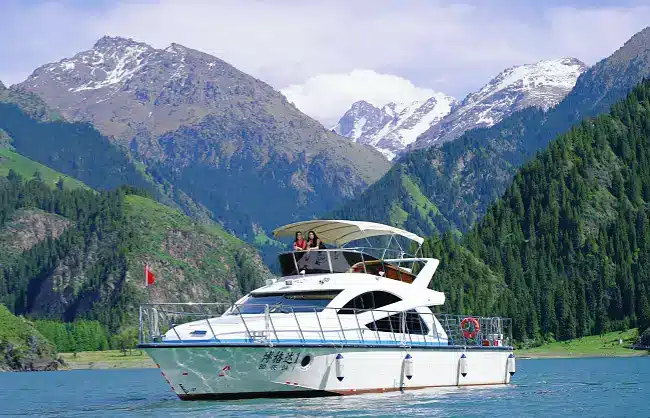
Northern Xinjiang is mainly characterized by natural scenery. From June to September, the grasslands are lush and the Heavenly Lake are blue. From September to October, the autumn scenery of Kanas and Hemu Village is widely recognized as the most beautiful in China. You can participate in the Nadam Festival or Tianma Festival during summer; go skiing and enjoy the snow near Urumqi during winter.
Southern Xinjiang is known for cultural charm, with gorgeous apricot blossoms in Pamir from March to May, fragrant fruits and melons from September to November, and Luntai’s golden Populus euphratica forests in mid to late October. The optimal months for exploring Kashgar along the Silk Road is from August to October. Some desert areas are not suitable for traveling in summer as the temperature is too high!
Weather Guide for China Silk Road Central and Western Section
- From June to August, the average daytime temperature is around 33 °C, and at night it is around 19 °C. The intensity of sunlight and the temperature difference between day and night are significant, so please adjust your clothing accordingly.
- Most areas have a dry climate, please always pay attention to replenishing water.
- Strong ultraviolet rays, please prepare sunscreen, sunglasses, sun hats and other items, and pay attention to mosquito prevention in summer.
Recommended China Silk Road Tours:
- 8 Days Classic Silk Road Tour from Xian to Dunhuang
- 10 Days China Silk Road Tour from Lanzhou to Urumqi
- 12 Days Xinjiang Silk Road Tour for Nature and Culture Tracing

Detailed Monthly Climate Data — Key Silk Road Cities
Month |
Xi’an°C (High/Low) |
Dunhuang°C (High/Low) |
Urumqi°C (High/Low) |
Kashgar°C (High/Low) |
Altay°C (High/Low) |
Key Climate Note |
Jan |
5 / –4 |
–6 / –17 |
–8 / –18 |
–5 / –11 |
–7 / –17 |
Coldest month; extreme desert frost in Dunhuang. |
Feb |
7 / –1 |
–1 / –12 |
–6 / –15 |
2 / –6 |
–2 / –13 |
Still freezing; early sandstorms may appear in Gansu. |
Mar |
15 / 4 |
8 / –2 |
3 / –5 |
14 / 2 |
1 / –4 |
Transition month; rising winds and first major sandstorm season. |
Apr |
22 / 10 |
19 / 6 |
16 / 5 |
22 / 9 |
7 / –2 |
Warm and dry; strong winds common across desert areas. |
May |
26 / 14 |
27 / 13 |
22 / 9 |
26 / 14 |
13 / 4 |
Excellent travel month; long sunny days across Xinjiang. |
Jun |
31 / 19 |
33 / 18 |
28 / 17 |
30 / 17 |
18 / 10 |
Hot season begins; UV becomes exceptionally intense. |
Jul |
32 / 22 |
36 / 22 |
30 / 19 |
32 / 19 |
20 / 15 |
Peak heat; Turpan nearby can exceed 40–45°C. |
Aug |
31 / 21 |
34 / 20 |
29 / 17 |
31 / 18 |
19 / 13 |
Still very hot; best to sightsee early morning and evening. |
Sep |
24 / 16 |
24 / 12 |
23 / 12 |
27 / 13 |
12 / 8 |
Golden season begins; ideal temperatures and clear skies. |
Oct |
19 / 10 |
17 / 5 |
14 / 5 |
20 / 5 |
3 / 1 |
Cool and stable weather; foliage at its best in Xinjiang. |
Nov |
13 / 3 |
10 / –1 |
2 / –6 |
10 / –2 |
–1 / –7 |
Rapid cooling; early snow in Altay and northern Xinjiang. |
Dec |
6 / –2 |
–1 / –8 |
–8 / –14 |
3 / –8 |
–8 / –15 |
Deep winter; some mountain roads may close due to snow. |
Worst Time to Visit China Silk Road
You’d better avoid the following extreme weather periods to visit China Silk Road:
- From July to August (high summer), with extreme high temperatures and crowds of tourists. For example, the surface temperature in Dunhuang, Turpan and other places exceeding 50 °C, the hot weather in Xi’an and occasional rainstorm in Huashan Mountain, and the rainstorm in Yili and Kashgar from June to July will all degrade your Silk Road travel experience.
- From January to February (severe winter), some areas along the Silk Road experience temperatures as low as minus 20-30 °C, while Xi’an experiences winter hazy smog. During the off-season, some scenic spots in Xinjiang are closed, roads are closed due to ice and snow, and hotels may have insufficient hot water and heating.
Essential Safety & Preparedness
- Spring — sandstorms possible:
Risk areas: southern Xinjiang, Hexi Corridor approaches, and exposed desert plains.
What you need to prepare for this are: a good dust mask (N95 or equivalent), goggles, and a lightweight scarf. And one of the best way to avoid this is still check local weather broadcast and don’t get long outdoor exposure during dust events.
- High-altitude risk (Pamir Plateau / Karakul Lake near Kashgar):
Karakul Lake area has an altitude of about 3,600 m, so many visitors will get mild to moderate altitude sickness headache, nausea, breathlessness). To make yourself feel better, acclimatize gradually, drink more water, avoid any alcohol, and limit strenuous activity especially on day one (don’t even run). Carry basic altitude meds if you have prior sensitivity and consult a doctor before travel.
- Winter closures & cold hazards:
In winter, the harsh weather can close some remote mountain passes and roads and heating/water issues can occur in smaller towns. Carry warm clothing and make a flexible travel plan, and confirm road/train schedules in advance.
- Sun & dehydration (all warm seasons):
Desert radiation is intense than many other places. So that always carry sunscreen (SPF 30+), sunglasses, a wide-brim hat, and drink 2–3L water per day when traveling in desert sections.
FAQs about the Silk Road Weather & Travel
What was the weather like on the Silk Road?
Well, the Silk Road actually sees a variety of climates for example, arid continental and continental/highland. So that when traveling across these regions, expect large contrasts between different places.
Which months offer the most comfortable temperatures?
April–June and September–October are the most comfortable overall. During this time, both daytime and nights can be pleasant. And most importantly, these months allow you to avoid most extreme weathers.
Which month is the worst to visit the Silk Road, and why?
Probably July. Weather can be extremely harsh in this month. Desert sections (e.g., Turpan) will be hot and inland areas also see excessive rain and high humidity.
Why are Spring and Autumn the “Golden Seasons” to travel along Silk Road?
Because temperatures can be milder in these seasons and the scenery can also be stunning.
What precautions should be taken against the intense sun and UV radiation?
Use high-SPF sunscreen, wear UV-blocking sunglasses, a wide-brim hat and breathable long sleeves. Carry abundant water and avoid strenuous activity at midday in desert zones.
Which region can be the best to visit during July or August?
Northern/highland areas (e.g., Kanas). Summer tends to be more gentle and cooler in these places, so you’ll get more comfortable experiences.
Join China Xian Tour on a Magical Silk Road Tour
The Silk Road has long been a rich and diverse route with various highlights. Traveling along the road allows you to experience all different cultures and scenery. To get a better experience, you can consider travel with China Xian Tour. For over a decade, we’ve been providing visitors with the best Silk Road trips. And our travel experts will design a customized itinerary for you which can fulfill all your expectations about this region. While we taking care of everything along the way, all you need to do enjoy this smooth and rewarding tour.
Keep Reading: