




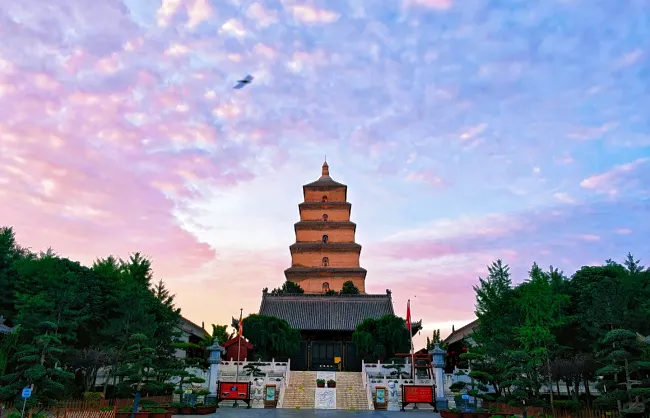
The Giant Wild Goose Pagoda, also known as the Big Wild Goose Pagoda, is one of the must-see historical attractions for first-time visitors in Xi’an.
Built in 652, this Tang Dynasty pagoda is closely connected with the legendary monk Xuanzang, the spread of Buddhism, and the ancient Silk Road.
Today, you can explore the pagoda and the surrounding Daci’en Temple to learn more about this history, and even climb up the pagoda for a full view of Xi’an’s cityscape.
If time allows, you can also include the Shaanxi History Museum and Tang Dynasty Ever-bright City in your trip. These three sights make a perfect half-day itinerary.
Content Preview
- Highlights of the Giant Wild Goose Pagoda
- Giant Wild Goose Pagoda vs. Small Wild Goose Pagoda
- What to See at the Giant Wild Goose Pagoda
- Is the Giant Wild Goose Pagoda Worth Climbing?
- Best Photo Spots Around the Giant Wild Goose Pagoda
- Best Times to Visit the Giant Wild Goose Pagoda
- How to Get to the Giant Wild Goose Pagoda
- Attractions Near the Giant Wild Goose Pagoda
- How to Include the Giant Wild Goose Pagoda in Your Xi’an Itinerary
- 2–3 Day Xi’an Itinerary
- Planning Your Xi’an Trip with China Xian Tour
Facts of the Pagoda
- Opening Hours: 08:30–17:00
- Ticket Price:
- Daci’en Temple: CNY 10 (adults); CNY 5 (students); free (seniors above 65)
- Pagoda climbing ticket: CNY 25–30 (additional)
- Advance Reservation: Not required
- Height: 517 meters tall (7 stories)
- Recommended visiting time: 1–5 hours
- Location: No. 1 Ci’en Road, Yanta District, Xi’an City, Shaanxi Province (about a 20-to-30-minute drive from the Bell Tower)
Highlights of the Giant Wild Goose Pagoda
More than just an over-1,300-year-old brick pagoda, the Giant Wild Goose Pagoda is also a cultural landmark that tells enchanting stories, from Xuanzang’s journey and the spread of Buddhism to the prosperity of Tang Dynasty Chang’an and the cultural exchange along the ancient Silk Road.
The Giant Wild Goose Pagoda was erected in 652 AD to house the Buddhist scriptures and statues brought back from the ancient India by the great monk Xuanzang. His pilgrimage to India at that time later inspired the classic Chinese novel Journey to the West.
Back in the Tang Dynasty, Chang’an (the ancient name for Xi’an) was a cosmopolitan hub on the ancient Silk Road. The Giant Wild Goose Pagoda stood right in the middle of Chang’an, witnessing how Buddhism thrived and cultures met at that era.
In the Tang Dynasty, imperial exam passers would inscribe their names onto the walls of the Giant Wild Goose Pagoda. Though that practice is long gone, the pagoda later turned into a good-luck symbol for students. And today, you’ll still see local families bringing their kids here around major exams, hoping for good results.
Giant Wild Goose Pagoda vs. Small Wild Goose Pagoda
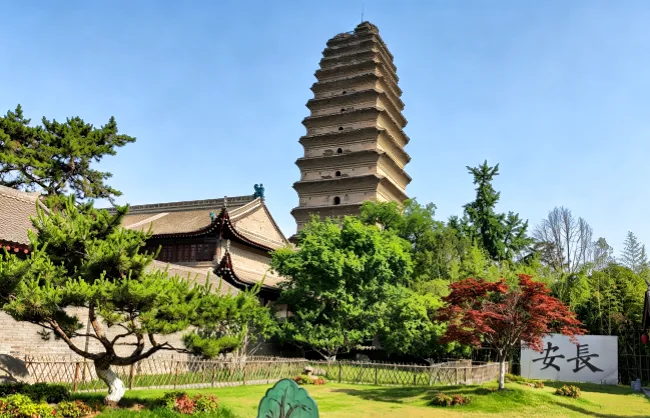
Both the Giant Wild Goose Pagoda and Small Wild Goose Pagoda are well-known Tang Dynasty landmarks in Xi’an, but they offer different experiences and vibes. See how to choose between them for your Xi’an trip.
Item |
Giant Wild Goose Pagoda |
Small Wild Goose Pagoda |
Construction Time |
652 AD |
Jinglong period of Tang Dynasty (707–710 AD) |
Highlights |
Xuanzang, Buddhist culture, Tang Dynasty Chang’an |
Serene atmosphere, less tourists |
Height |
About 64.5 meters |
Currently about 43 meters |
Pagoda Climb |
Ticket required, subject to opening |
Usually not open for climbing |
Attractions Nearby |
Tang Dynasty Ever-bright City, Shaanxi History Museum |
Xi’an Museum |
Suitable for |
First-time visitors in Xi’an |
In-depth travelers, those who prefer quieter environment |
If you’re visiting Xi’an for the first time and short on time, the Giant Wild Goose Pagoda should be at the top of your list, because it is one of the few surviving landmarks that echoes the story of Xuanzang and the glory of Tang Dynasty Chang’an. Moreover, the Shaanxi History Museum and Tang Dynasty Ever-bright City are right nearby, so you can easily visit them together.
The Small Wild Goose Pagoda offers a quieter experience. It’s an excellent option if you’ve already seen the major sights in Xi’an and want somewhere more relaxed.
What to See at the Giant Wild Goose Pagoda
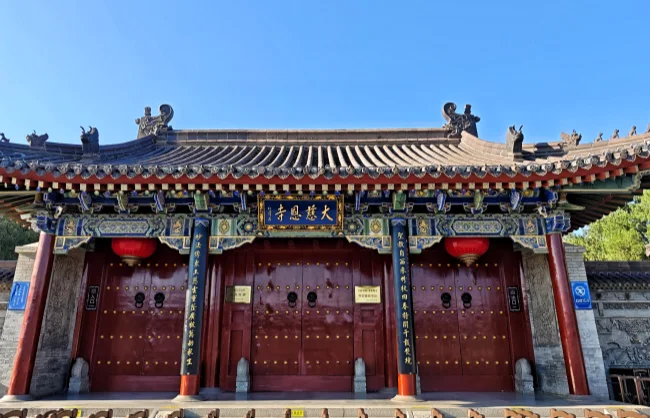
The Giant Wild Goose Pagoda complex is relatively compact, with three main sights: Daci’en Temple, the pagoda itself, and the statue of Xuanzang. You can easily see them all in about 1–1.5 hours.
- Daci’en Temple
The Giant Wild Goose Pagoda sits in Daci’en Temple, where Xuanzang once translated Buddhist scriptures. You can take a quick look around the temple before heading to the pagoda.
- The Pagoda
The pagoda itself is the main highlight here. Take a moment to admire the 7-story brick exterior. If the pagoda is open on the day of your visit, you can buy a separate ticket (not included with the temple admission) to climb up. The stairs are narrow and the space inside is compact. But when you finally get to the top, Xi’an’s cityscape opens up before you, making it well worth the climb.
- Xuanzang Statue and South Square
The Statue of Master Xuanzang stands on the south side of the pagoda, making it easy to get the statue and the pagoda in the same shot. The South Square offers a clear, open view of the full pagoda.

A convenient way to plan your day: Visit the Shaanxi History Museum first, then head to the Giant Wild Goose Pagoda in the late afternoon, and walk to the Tang Dynasty Ever-bright City after dark. Since the three attractions are close to each other, you can easily combine them in one itinerary.
What to See Inside the Pagoda
The pagoda has seven stories, with a relatively compact interior connected by narrow stairways. Inside, you’ll find displays related to Xuanzang and Buddhist culture, inscribed tablets bearing the names of imperial exam passers from centuries past, and fine architectural details like lotus-patterned bricks.
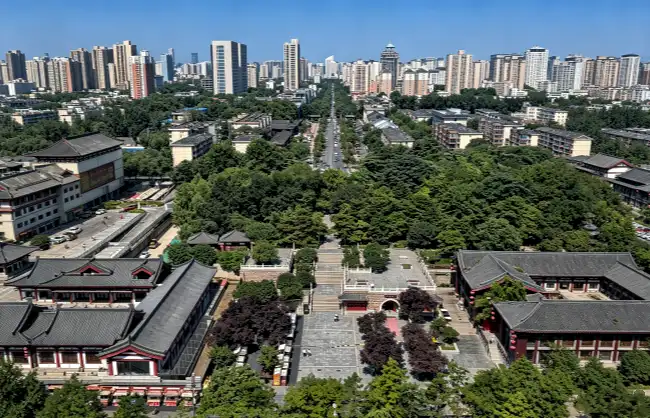
As you climb higher, you get a great view of the Xi’an’s urban layout — straight streets, orderly blocks, and a clear north-south axis running through the center. This view from a thousand-year-old pagoda is something you simply can’t get from the ground.
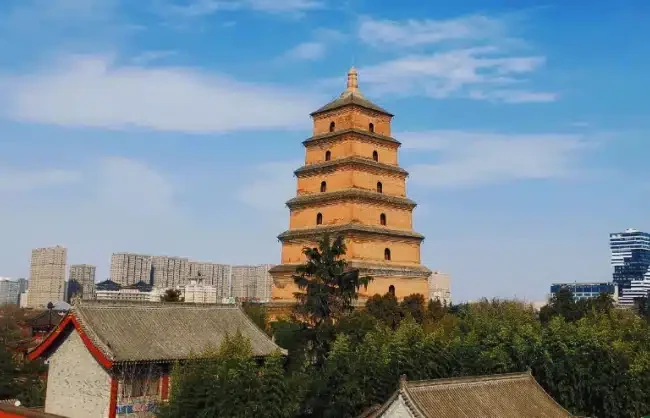
Visit the sacred Big Wild Goose Pagoda, walk the ancient City Wall, and explore the unique Great Mosque blending Islamic and Chinese architecture.
Is the Giant Wild Goose Pagoda Worth Climbing?
Although the Giant Wild Goose Pagoda is a tight squeeze inside, the climb pays off. Inside the pagoda, you get to see the ancient structure up close and enjoy the panoramic view of Xi’an City.
- If you’re interested in history, architecture, and cityscape → Yes, it’s worth climbing.
- If you’re short on time, mainly here for photos, or not up for the climb → You can just enjoy the pagoda from the outside and explore the Daci’en Temple.
Best Photo Spots Around the Giant Wild Goose Pagoda
- At the South Square
The South Square offers one of the best frontal views of the Giant Wild Goose Pagoda. The open space makes it easy to capture the entire pagoda in one shot.
- In Front of the Xuanzang Master Statue
Here you can frame both the Xuanzang Master Statue and the pagoda in one shot.
- Inside the Joy City

Inside the Joy City atrium, you’ll find a giant statue of the Monkey King (Sun Wukong), which creates a fun link to Journey to the West and the Giant Wild Goose Pagoda nearby. Try a low-angle shot to make it look more dramatic.
- At the Second Floor of MAANUP Coffee
From the second-floor terrace, you can get both the Chinese characters “长安” (Chang’an) and the Giant Wild Goose Pagoda in the same shot.
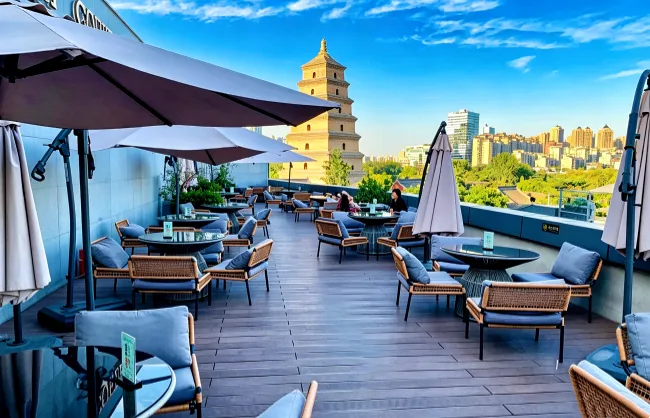
- Facing the Tang Dynasty Ever-bright City
This photo spot is best in the evening. Once the lights come on, you can capture both the pagoda and the Tang-style streetscape in your photos.
Best Times to Visit the Giant Wild Goose Pagoda
The best times to visit the Giant Wild Goose Pagoda are spring (March to May) and autumn (September to November).
If you also plan to visit the Tang Dynasty Ever-bright City, we suggest getting there around 3:00 PM. You can explore Daci’en Temple and the pagoda first, and then stroll around the South Square. As night falls, directly walk to the Tang Dynasty Ever-bright City.
In summer, Xi’an can be quite hot during the day, so it’s better to visit the pagoda later in the afternoon.
How to Get to the Giant Wild Goose Pagoda
By Metro
Take Metro Line 3 or 4 to Dayanta Station, and then walk to Daci’en Temple.
From there, both the pagoda and the Tang Dynasty Ever-bright City are just a short stroll away.
By Taxi or Private Car
If you also plan to visit the Shaanxi History Museum, Xi’an City Wall, or other attractions on the same day, it’s a good idea to take a taxi or book a private car — it saves time and avoids the hassle of transfers.
If you’re traveling with seniors, kids, or simply looking for a more relaxed experience, you can book a private transfer and an English-speaking guide via China Xian Tour.
Attractions Near the Giant Wild Goose Pagoda
Shaanxi History Museum
Shaanxi History Museum is located close to the Giant Wild Goose Pagoda, so it’s best to combine these two attractions in one route.
Within the museum, you’ll see important artifacts from the Zhou, Qin, Han, and Tang dynasties. The exhibits there give you a much better sense of how Tang Dynasty Chang’an thrived in history, so it’s best to visit the museum before the pagoda.
Please check the museum’s reservation policy in advance, as it’s very popular and tickets go fast.

Tang Dynasty Ever-bright City
Tang Dynasty Ever-bright City, just a short walk from the South Square, is much more spectacular at night than during the day.
The area becomes much livelier in the evening when the lights come on. But once they are lit, you’ll be greeted by splendid Tang-style architecture, captivating cultural performances, and a bustling evening atmosphere. You can walk straight over after visiting the pagoda.

Joy City
Joy City, right next to the Giant Wild Goose Pagoda, is a convenient option for shopping, dining, or taking a break. Besides the popular giant Monkey King statue, you can also browse Chinese renowned brands like POP MART, DJI, and Insta360. If you’re into Chinese pop culture collectibles and tech gadgets, it’s worth a visit.
After your visit to the pagoda, you can take a break or grab some food here before heading to the Tang Dynasty Ever-bright City for the night views.

How to Include the Giant Wild Goose Pagoda in Your Xi’an Itinerary
If you have 1–1.5 hours:
Daci’en Temple → Giant Wild Goose Pagoda → Xuanzang Statue → South Square
This route covers the major highlights around the Giant Wild Goose Pagoda.
If you have half a day:
Shaanxi History Museum → Giant Wild Goose Pagoda → Tang Dynasty Ever-bright City
Visit the Shaanxi History Museum and the Giant Wild Goose Pagoda in the afternoon, and then head to the Tang Dynasty Ever-bright City for the night views. This route flows well and has no backtracking.
If you have a full day for downtown Xi’an:
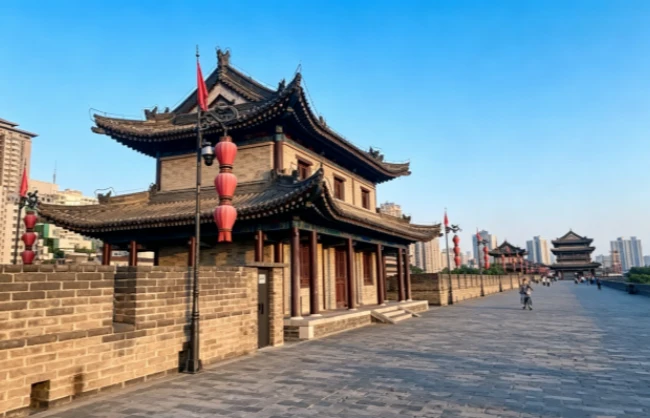
Xi’an City Wall → Shaanxi History Museum → Giant Wild Goose Pagoda → Tang Dynasty Ever-bright City
You could visit all these sights in one day, but it would be pretty rushed. If you want to take it slow, just visit Xi’an City Wall on another day.
2–3 Day Xi’an Itinerary
If this is your first time in Xi’an, it’s better to spend 2–3 days. The itinerary below is just for your reference. You can follow it or tailor make an itinerary based on your preferences.
Day 1: Terracotta Army + Xi’an City Wall
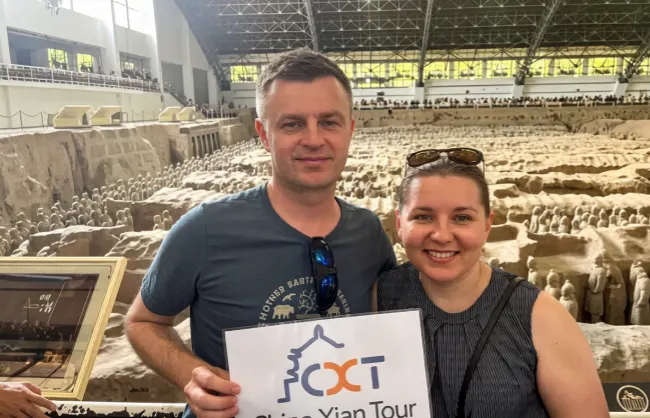
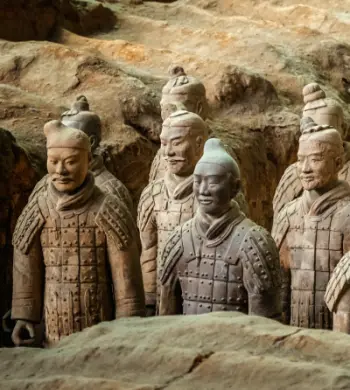
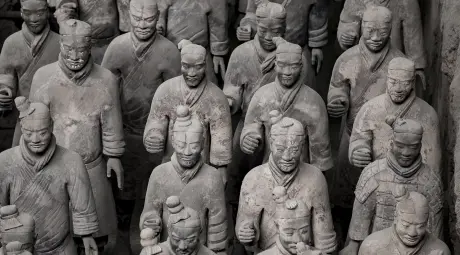
Visit the Terracotta Army in the morning. Allow enough time to explore the details of the terracotta warriors, chariots, and other artifacts. Once you’re back in the city (usually in the afternoon), head to the Ancient City Wall. Walking or cycling atop the wall is a great way to see Xi’an from above.
Day 2: Shaanxi History Museum + Giant Wild Goose Pagoda + Tang Dynasty Ever-bright City
Explore the Shaanxi History Museum in the morning. Then, spend the afternoon at the Giant Wild Goose Pagoda, and head to the Tang Dynasty Ever-bright City after dark.
Day 3: Bell Tower + Drum Tower + Muslim Quarter + Free Time

Visit the Bell Tower and Drum Tower, and then stroll through the Muslim Quarter (Huimin Street) to savor delicious halal food and soak up the local atmosphere. If you’d like, you can also visit the Small Wild Goose Pagoda, Shuyuanmen (the ancient culture street), or Yongxingfang (a lively food street).
If you also plan to visit Mount Hua (Huashan), set aside a separate full day for it.
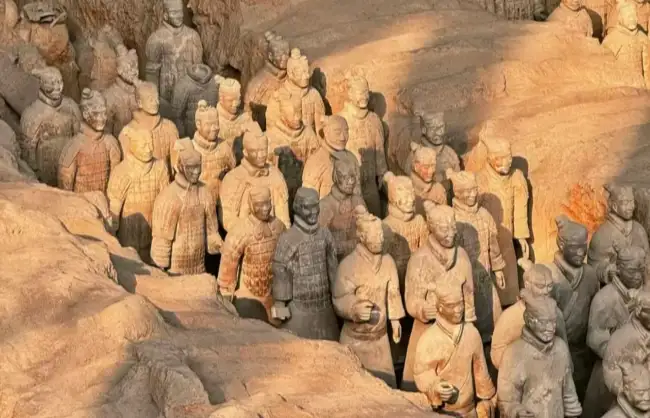
Capture the essence of Xi'an in two days — stand before the vast Terracotta Army, cycle the ancient City Wall, explore the unique Great Mosque, and taste the Muslim Quarter's famous street food.
Planning Your Xi’an Trip with China Xian Tour
If this is your first time in Xi’an, you can plan an itinerary that covers all of Xi’an’s highlights, such as the Giant Wild Goose Pagoda, Terracotta Army, Shaanxi History Museum, Ancient City Wall, and Tang Dynasty Ever-bright City. With some careful planning, you can fit these sights into your schedule without spending too much time on transportation or dealing with ticket bookings along the way.
Based in Xi’an and with 20 years experience, we are real Xi’an expert who can take care all the details for you. We offer experienced English-speaking guides, private transfers, and advance ticket bookings. Just let us know how much time you have (whether two days in Xi’an or adding on Beijing and Luoyang) and what you’re into, and we’ll put together an itinerary that fits.


