
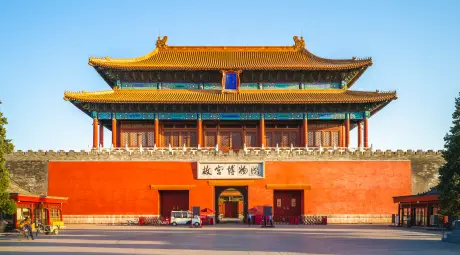
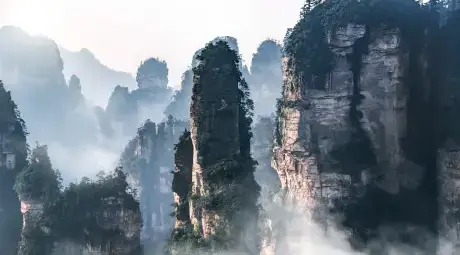
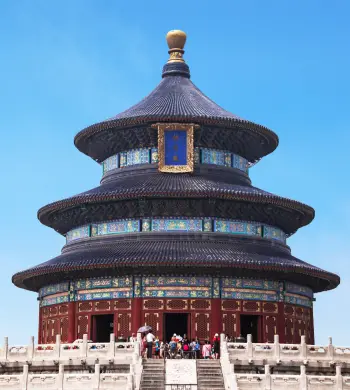
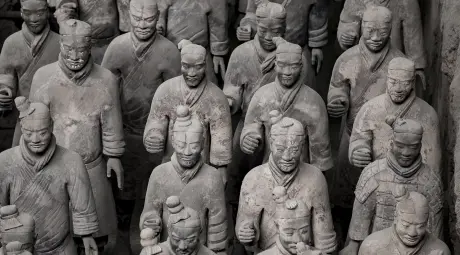
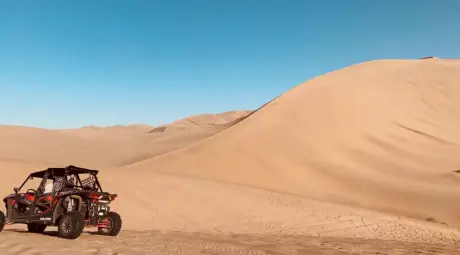

The ancient Silk Road was a vital trade route stretching for more than 7,000 kilometers from Xi’an in Central China all the way to Asia and Europe. Today, it has become a famous traveling route in China. Popular tourist cities on the Silk Road, including Xi’an, Dunhuang, Zhangye, and Xinjiang, are always crowded with travelers from home and abroad. Why are so many tourists attracted by the Silk Road? In this article, we list the top 6 reasons why one should visit the China Silk Road at least once in a lifetime.
Content Preview
- An Ancient Trade Route of Great Historical Significance to China
- Silk Road Traverses Top Tourist Destinations in Northwest China
- Countless Ancient Sites Unveiling China’s Most Splendid History
- Embrace A Great Variety of Natural Wonders
- Have A Glimpse into Colorful Ethnic Customs in China
- A Distinctive Culinary Trip of Diverse Noodles, Pancakes, Meat…
- Religious & Spiritual Diversity
- Artistic Fusion & Traditional Crafts
- Experience Authentic Nomadic Culture and Endless Hospitality
- Witness a Unique Architectural Tapestry Beyond China
- FAQs about Silk Road
- Plan a Memorable Silk Road Journey with China Xian Tour
An Ancient Trade Route of Great Historical Significance to China
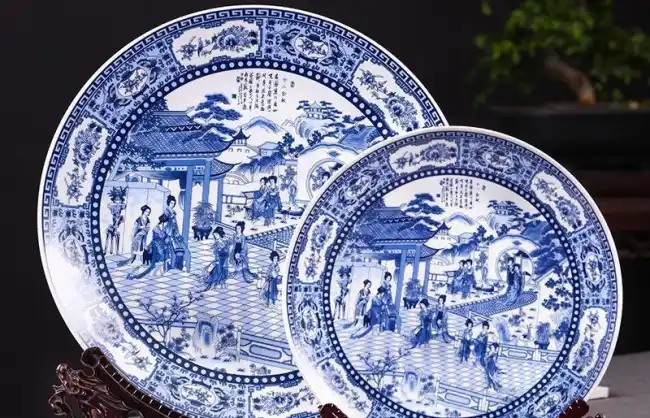
The ancient Silk Road history can be traced back to more than 2,000 years ago. After the opening of the route, there had been frequent international trade between the East and West. What was traded on the Silk Road? Generally, merchants from Asia and Europe would travel to China to exchange commodities such as spices, jewelry and glassware for silk, tea, porcelains and other Chinese specialties, making China one of the world’s most prosperous countries in ancient times.
Besides, the Silk Road also provided a channel enabling more and more cultural communication among countries to take place, which helped to shape and enrich Chinese culture.
Read more on: 8 Fascinating Silk Road Facts You Didn’t Know
Silk Road Traverses Top Tourist Destinations in Northwest China
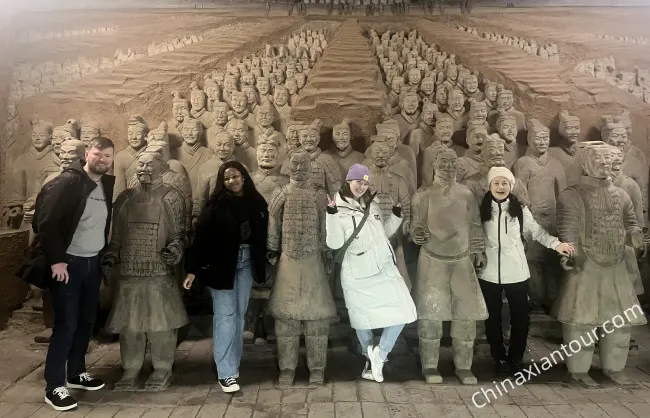
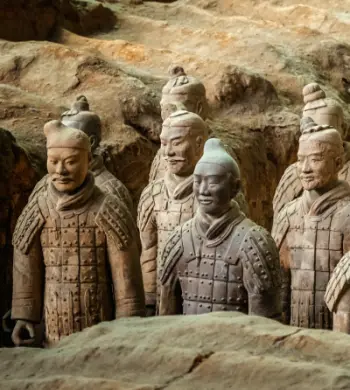
From Central China to the West, Silk Road tours take you to popular tourist cities in Shaanxi, Gansu, Ningxia, Qinghai, and Xinjiang. Start the exploration with Xi’an. Known as Chang’an in ancient times, Xi’an enjoys equal fame with Athens, Cairo, and Rome as the ancient capital of one of the world’s four major civilizations. There are a great number of historical sites waiting for visitors to explore.
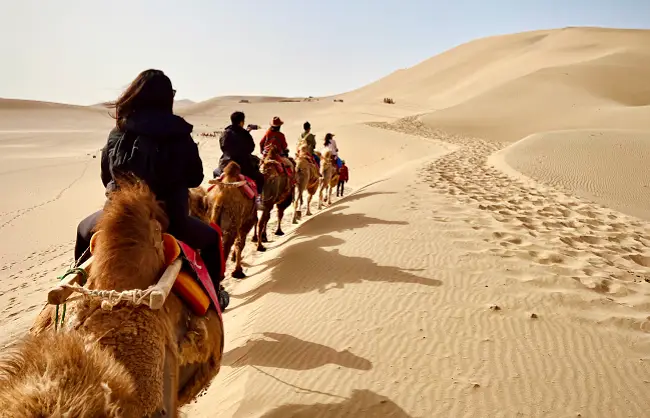
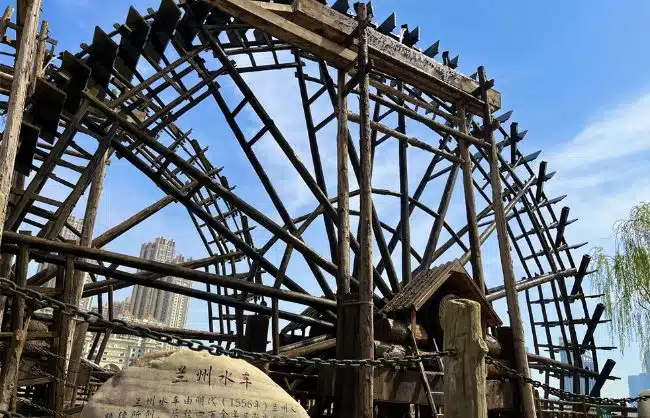
Head westwards and you will reach Gansu Province. The Silk Road stretched for more than 1,600 kilometers through Gansu. The prosperity of this ancient route made cities like Lanzhou, Zhangye, and Dunhuang bustling trading centers in the past. While visiting these places, you will not only appreciate splendid grotto arts and relics of China’s Great Wall, but also marvel at the wonderful desert scenery.
Continue the journey to the west to Xinjiang region, a vital transportation hub between the Central Plain and the West. In Xinjiang, the Silk Road connected major cities such as Urumqi, Turpan, and Kashgar. Ancient cities and traditional bazaars are recommended for you to feel the local exotic ambience and imagine their prosperity in old times.
Read more on: Top 12 Destinations along China Silk Road – Best Stops
Countless Ancient Sites Unveiling China’s Most Splendid History
This Silk Road greatly promoted the economic development of ancient China. It entered its golden age during the Tang Dynasty and the prosperous international trade made Xi’an (the capital at the time) the most powerful metropolis in the world. Today, you can still trace the splendid past of the city by visiting old architecture and palaces built during the Tang Dynasty, such as Big Wild Goose Pagoda, Qinglong Temple, Daming Palace, and Huaqing Palace.
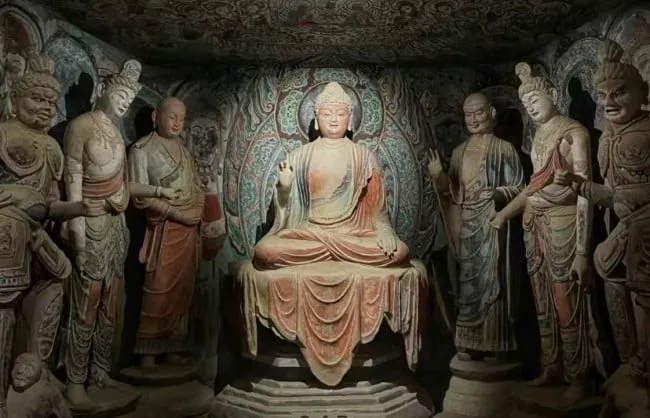
The Silk Road also served as a bridge for cultural exchanges. Through this route, Buddhism was introduced into China and a great many Buddhist grottoes were constructed along the way. Gansu is home to some of the most characteristic grottoes in China. Mogao Caves in Dunhuang is the most-visited of the country and has the largest scale and richest contents in the world. Kezil Thousand-Buddha Caves in Xinjiang is also worth admiring. It was built 300 years earlier than Mogao Caves, featuring a large area of religious frescos.
Xinjiang, as a part of the West Region in ancient times, presents an exotic scene that is totally different from other destinations along the Silk Road. Ancient cities in Xinjiang, such as Gaochang and Jiaohe, were bustling trading centers of the time. Today, there are still ruins remaining to display the layout and distinctive buildings of the cities.
Embrace A Great Variety of Natural Wonders
Apart from historical explorations, China Silk Road tours also amaze travelers with a wide range of natural beauty. Along the way, you will witness China’s most beautiful rainbow mountains at Zhangye Danxia Geopark, see the turbulent Yellow River flowing through the city of Lanzhou, and enjoy the magical co-existence of the Yellow River and the desert at Ningxia’s Shapotou.
Speaking of desert scenery, one should not miss the Echoing-Sand Mountain and Crescent Lake – together forming a peaceful oasis in the vast sands, as well as Dunhuang Yardang Geopark – an incredible natural wonder in the desert.
Xinjiang, especially regions north of the Tian Shan Mountains, is also a land full of natural wonders, from boundless Gobi deserts to snow-capped mountains, lakes, meadows, and primitive forests. On a Xinjiang tour, Kanas Lake showcases the most spectacular views. It is like a sapphire belt floating amidst lush forests and rolling mountains. September – October is the best time to visit there as the autumn foliage will make the region a fairytale world of multiple warm hues.
Read more on: Top Attractions along the Silk Road
Have A Glimpse into Colorful Ethnic Customs in China
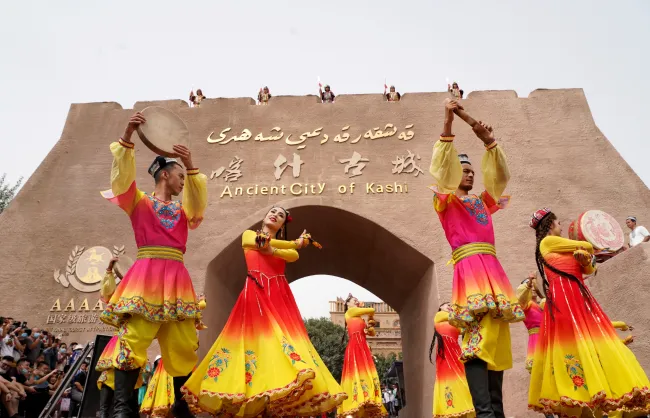
The Silk Road traverses some of the major settlements of ethnic minorities in Northwest China, including Hui, Tibet, Uyghur, Kazak… All of them have kept distinctive traditions and customs for centuries. Visitors can have an immersive exploration of their traditional lifestyle by visiting ancient cities, local villages and bazaars, such as Kashgar Old Town and International Grand Bazaar in Urumqi.
Religion is an essential part of ethnic cultures and these minorities have their own religious beliefs. If interested, you may stop by some temples, mosques, and monasteries to feel the different religious atmosphere. Labrang Monastery and Langmu Monastery in Gannan, as well as Kashgar’s Id Kah Mosque, are all wonderful religious sites that follow characteristic architectural styles and are steeped in rich religious ambience.
Follow the ancient Silk Road from Kashgar to Xi'an through five historic destinations featuring UNESCO sites, nomadic culture, and desert wonders across eleven days.
A Distinctive Culinary Trip of Diverse Noodles, Pancakes, Meat…
As wheat is the main crop in Northwest China, different kinds of noodles, flatbread, and pancakes, such as Xi’an Biangbiang Noodles, Lanzhou Beef Noodles, and Xinjiang Naan Bread, are the main Silk Road foods. Besides, cities inhabited by ethnic minorities are situated along the Silk Road, offering a chance to enjoy distinctive Halal foods and Uyghur cuisines. Xi’an Yangrou Paomo, as well as some of the Xinjiang cuisines like Lamb Pilaf, Lamb Skewers, and Big Plate Chicken, are the most representative dishes that are worth trying during the Silk Road tours.
Besides the exchange of commodities, delicious cuisines from Asia and Europe were also brought into China through the Silk Road. Today, these exotic dishes are still popular among Chinese people and you will find a lot of foreign restaurants in China, especially in the downtown area, are crowded with diners every day.
Religious & Spiritual Diversity
Silk Road is the channel for the spread and convergence of various religions, such as Buddhism and Islam. So during the tour, you will see various religious sites and relics. The most famous should be the Mogao Caves in Dunhuang. The murals and statues are considered as the Buddhist art treasures. Together with Maijishan Grottoes and Kizil Grottoes, a grotto culture corridor is formed. You can also visit the historic mosques to observe the unique architectural style and feel the serene atmosphere. Besides the two main religions, in some museums, there are also relics of the niche religions, like Zoroastrianism and Manichaeism.
Artistic Fusion & Traditional Crafts
The history of Silk Road is also a history of art fusion and craftsmanship integration. The grottoes are the most direct proofs. Almost all the murals and grottoes art integrate the elements of the Central Plain, India, Persia and Greece. The Buddhist statues also show the different interpretations and shaping of the images of deities in various cultures. Another embodiment is the patterns and decorations on the fabrics, metalware and pottery. The grape pattern is beloved by the Chinese after it is introduced from the Western Regions and is widely used and gradually combined with traditional Chinese patterns, such as animal patterns.
Besides, the Silk Road also promotes the development of traditional crafts. The best weaving technique, kesi, might have been introduced to China via the Silk Road during the Han and Jin Dynasties. The processing technologies of Chinese porcelain and glass, metal, and jade from the Western Regions influence and integrate with each other.
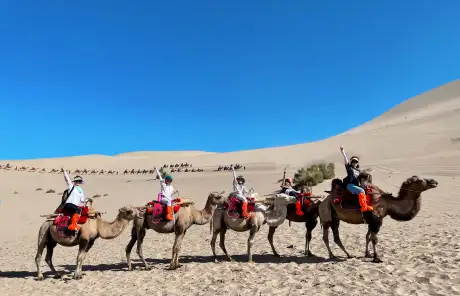
Discover the Hexi Corridor's treasures from Dunhuang's Mogao Caves to Zhangye's rainbow-colored Danxia mountains and Jiayuguan's Great Wall fortress on a seven-day group Silk Road tour.
Experience Authentic Nomadic Culture and Endless Hospitality
During the Silk Road tour, tourists can experience the nomadic culture deeply. In the Yunbao Pasture in Zhaosu or Hulunbeir Grassland, spend one day in the yurts experiencing the authentic local life. In the early morning, the herdsmen may invite you to taste the freshly baked naan and savor the salty milk tea or yogurt. At daytime, ride a horse to wander on the grassland or watch the exciting horse shows. In the evening, listen to the music played on the horsehead fiddle and take part in the bonfire party. The host will welcome you by toasting and the locals will invite you to dance with them. Just immerse in their hospitality and the joyous atmosphere.
Witness a Unique Architectural Tapestry Beyond China
The architecture along the Silk Road is the three-dimensional history of cultural exchange. The bracket structure and courtyard layout in the Central Plain and the earth building and religious decorations from the Western Regions coexist in the Buddhist temples and mosques. After the rammed earth technology was introduced from the Central Plains, the sturdiness and scale of the earthen architecture in the Western Regions were greatly consolidated and enhanced. Jiaohe Ruins, Gaochang Ancient City and ancient grottoes and temples in Xinjiang are the best examples.
FAQs about Silk Road
Why is the Silk Road so popular?
Because it is not only a trade route, but also a flowing history of cultural exchanges between the East and the West.
What are 5 facts about the Silk Road?
It got the name because silk is the most representative good along the route; The travels of Zhang Qian to the West is the symbol of its opening; the road is composed of a land route and a sea route; main trading goods are silk, porcelain, tea from China and sesame, walnut, grape and pomegranate from the Western Region; it has been prosperous for about 2,000 years.
What role did religion play along the Silk Road, and can visitors still see its influence?
The religion promotes the in-depth conversations between diverse civilizations. From the grottoes, Buddhist temples and mosques, you will find the traces.
Are there specific regions of the Silk Road that are better for history lovers?
Mogao Caves, Gaochang Ancient City and Jiayuguan Pass are must-visit for history lovers.
What major technologies and inventions were transmitted along the route?
Papermaking, printing, the compass, gunpowder are transmitted from China to the West and glass, gold and silverware processing techniques are transmitted from the West to China.
Plan a Memorable Silk Road Journey with China Xian Tour
A Silk Road tour will offer you a deep impression of the diverse cultures in China. Travelling along this prosperous trading route, the history of abundant cultural exchanges in ancient China unfolds before your eyes. To feel its complete charm, China Xian Tour can customize a perfect trip for you based on your needs. Because we have focused on the Silk Road tour since our establishment. We are able to include all the unmissable attractions and the experiences you prefer reasonably. You will enjoy an immersive experience with us. Just contact us now.
Read more on: