

In the international metropolis Shanghai, hidden an ancient water town – Qibao Ancient Town. As the closest water town to central Shanghai, it is a perfect destination for tourists who are short of time but still want to experience the charm of water towns in China. Metro can transport tourists there directly and only half a day is enough to explore it deeply.
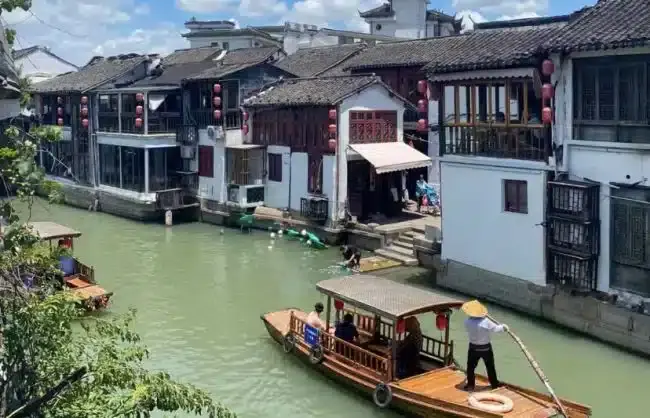
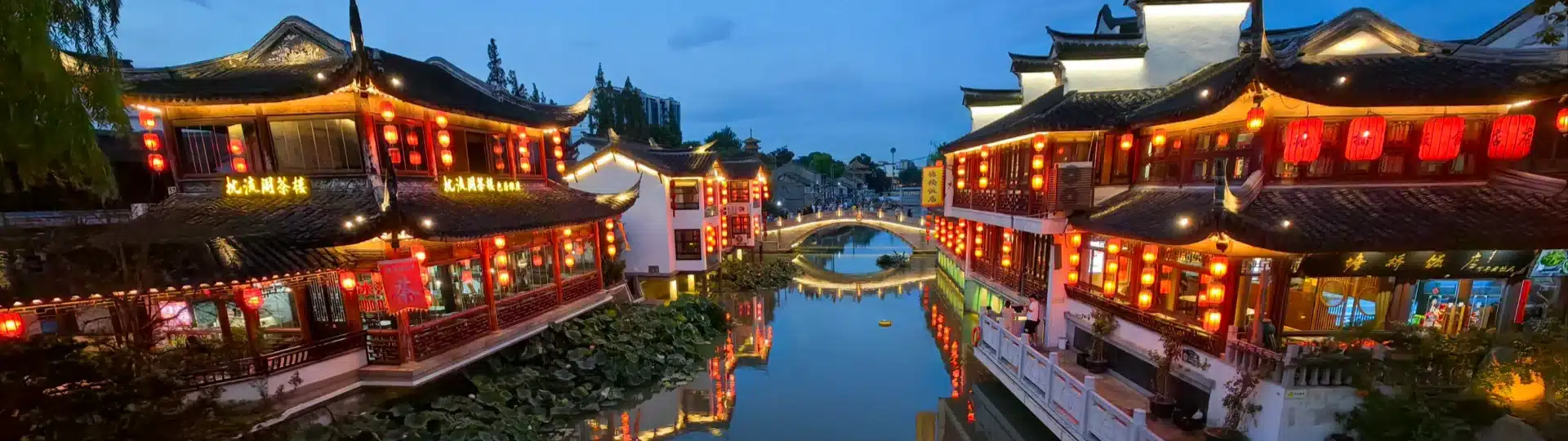
The Puhuitang Canal flows through the ancient town and the Ming & Qing dynasty architecture with white walls and black tiles stand on both banks. Walking along the canal or taking a traditional black-roofed boat down, a lively water town scenery scroll unfolds before tourists’ eyes. When wandering along the street, the fragrance of various traditional snacks will also greet you. You will feel a sense of travelling back to the authentic “old China”. All of these can be experienced even without leaving the city.
Content Preview
- Quick Shanghai Qibao Town Facts & Highlights
- Overview of Qibao Ancient Town: History, Layout & Architecture
- Things to Do in Qibao Ancient Town
- Taste Qibao Ancient Town Food & Snacks
- How to Get to Qibao Ancient Town
- Best Time to Visit Qibao Ancient Town
- Qibao Ancient Town vs Zhujiajiao Water Town
- Explore Qibao Town and Other Shanghai Highlights with China Xian Tour
Quick Shanghai Qibao Town Facts & Highlights
- ChineseName: 七宝古镇
- Address: 108, Hengli Road, Minhang District
- Opening hours: all day, the scenic spots basically open from 09:00-18:00.
- Tickets: free for entry, the ticket for the scenic spots is about CNY 5 – 10, a ticket package for all scenic spots: CNY 30
- Best time to go: spring and autumn
- Recommended visiting time: 2 – 4 hours
- Highlights: unique layout, Shanghai-style shadow play, cricket culture, and abundant snacks
What is Qibao Ancient Town known for?
- Unique Layout: Qibao Ancient Townhas a different layout from common water towns, just like the Chinese character “非”.
- Various Traditional Snacks: entering South Street, varieties of authentic delicacies will catch your eyes and fill your belly easily. Do not miss the tangyuan, square cake, begonia-shaped cake, etc.
- Lively Folk Cultures: it is the birthplace of Shanghai-style shadow play, an intangible cultural heritage in Shanghai, and displays the characteristic cricket culture.
Overview of Qibao Ancient Town: History, Layout & Architecture
History & Legend: The “Seven Treasures” by the Canal
The history of Qibao Ancient Town can be dated back to the Later Han Dynasty. Thanks to its location on the Puhuitang Canal, the water transportation is well-developed. Till Ming and Qing Dynasties, it has become a large prosperous commercial hub, where numerous merchants gather.
In Chinese, Qibao means “Seven Treasures”. In folk culture, it is closely related to a prevailing folklore, which says that this town holds seven treasures: Flying Buddha, Bronze Bell, Golden Lotus Sutra, Divine Tree, Jade Chopsticks, Jade Axe and Golden Chicken. But according to the research, only the first four have found the physical items. Till now, the Flying Buddha and Bronze Bell are still preserved in the town and the remains of the Golden Lotus Sutra are in Shanghai Museum. Try to find it during your Shanghai tour.
Another more trustworthy story is that it is named after the famous Qibao Temple. In Northern Song Dynasty, this temple became increasingly famous, so the emperor bestowed upon it with “Qibao Temple”. The surrounding market was named after it, and finally, Qibao Town the formed.
Qibao Ancient Town Layout & Architecture
Navigating the Town: Old Street, Canals & Bridges
Different from common Jiangnan water towns where the streets run parallel to the rivers, Qibao Ancient Town boasts a unique chessboard layout, resembling the Chinese character “非”.
The Puhuitang Canal flows through the town and separates it into two parts. The Puhuitang Bridge stretching over the canal connects them together, so it has been the absolute core and starting point of the entire layout. With it as the center, the north-south Qibao Old Street is considered the central axis and intersects perpendicularly with Puhuitang Canal. While the east-west alleys are arranged in sequence.
Stone Bridges & Traditional Houses
In Qibao Ancient Town, there are also many typical Jiangnan stone bridges, the soul of this water town. Huiputang Bridge is the most famous one. It is a three-arch bridge with a length of 29 meters and the main body is built with granite.
The well-preserved traditional residences in the town also display the typical ancient town style of the Jiangnan region. Most houses are characterized by large roofs with double slopes and black tiles. Usually, they are no more than 2 storeys and in a brick and wooden structure.
Things to Do in Qibao Ancient Town
Explore the Old Streets & Canals
To feel the soul of Qibao Ancient Town, the main way is to slow down your pace and explore the old streets and canal by leisure walking and capture the breathtaking scene with your camera. Puhuitang Bridge is the golden shooting place for a panoramic photo of the canal and the Ming and Qing Dynasties buildings on both banks.
Qibao Old Street is the main street of the town. It is divided into South Street and North Street by Puhuitang Bridge. The South Street is the food heart of the town, which is filled with food stalls selling various special snacks in Shanghai. Qibao Tangyuan, begonia-shaped cake and sliced boiled mutton are the representative ones. Cross the bridge and arrive at North Street. You will feel the travel pace slows down suddenly. Here gather more artwares, antiques, paintings, etc.
Experience Local Folk Culture
This ancient town is the birthplace of Shanghai-style shadow play. In Qibao Shadow Play Art Gallery, you can not only learn about its history and production techniques but also watch the authentic performances. This will be an interesting experience during your travel to Shanghai.
Cricket fighting is a unique folk entertainment activities. The Cricket Pavilion displays various cricket basins and tells the history and fun of cricket fighting.
If you visit here during traditional festivals, the town will also hold many characteristic activities, such as the Zongzi making competition in Dragon Boat Festival, the lantern show in Mid-autumn Festival, etc.
Qibao Night Market & Evening Walk
When night falls, Qibao Ancient Town puts on a splendid dress. The string lights decorated on the bridges and buildings are all on, drawing the outline of the town. All lights are exquisitely designed. The arched aperture of Puhuitang Bridge is outlined by the lights and reflected on the water surface, and the scene seems like a full moon. Under the roofs of old streets, rows of red lanterns are lit up and form a warm light river. Photographers can catch the memorable photos easily.
Without too many tourists at night, you can enjoy a tranquility. Just stroll along the bluestone road to hear your own footsteps and the flowing water. You can also feel the original life atmosphere of the town.
Taste Qibao Ancient Town Food & Snacks
The South Street in the Qibao Ancient Town is like an open-air traditional snack museum. Below are the unmissable classic snacks. Want to taste more kinds? Remember to order small portions and share with your companions.
- Qibao Tangyuan: the top signature snack of the town, famous for its thin, glutinous and smooth skin, as well as its plump filling. The fresh meat filling is salty and juicy, while the black sesame paste filling is sweet and sandy. It is advised to order a bowl with both types.
- Qibao Mutton: usually, it is served in two kinds: the sliced boiled mutton and the mutton braised in brown sauce. The meat is tender without any muttony smell. The authentic eating method is to pair it with a bowl of Yangchun noodles.
- Begonia-shapedCake: a dessert baked in a traditional mould. Its surface is covered with caramel and the filling is sweetened bean paste. It is better served hot.
- Qibao Square Cake: a square glutinous rice cake printed with auspicious characters, so most locals will buy it during festivals. It has various flavors such as red bean paste, jujube paste and mint.
Besides the snack stalls, there are also local restaurants that allow you to enjoy a meal leisurely. Bofeng Restaurant is the most famous time-honored brand for Qibao Mutton. Tianxianglou Restaurant offers local dishes like scallion oil noodles, shepherd’s purse, etc.
Recommended tour

In the afternoon, meet our guide and driver at your Shanghai downtown hotel lobby, you will directly be taken to Zhujiajiao Ancient Water Town.
How to Get to Qibao Ancient Town
- By Metro(The Easiest and Most Common Way): Metro Line 9 can transport you to the Qibao Station. Then leave from exit 2 and walk about 1 km to get there.
- By Bus: you can take bus line 87, 91, 189, 196, 199, 735, 748 or 803 and get off at Qixing Road Fuqiang Street stop, which is next to the town.
- By Taxi/online hailing car: from downtown Shanghai to Qibao Ancient Town, the cost is about CNY 65 and the duration is about 45 minutes if there is no traffic jam.
- By chartered bus: our travel agency offers the car rental and transfer service in Shanghai, we are glad to help you. In this way, you can explore the city freely.
Best Time to Visit Qibao Ancient Town
In terms of season, we recommend spring and autumn most, which are also the best times to visit Shanghai. With pleasant temperatures and moderate humidity, the two seasons offer the most comfortable travel experience. What’s more, the greenery and blooming flowers in spring and the clear sky and refreshing air in autumn make them the best time to capture the charm of this ancient water town.
About the best time in a day, choose according to your preferences. Usually, the minimum flow of tourists is in the morning on weekdays. The streets are quiet and covered with gentle morning lights. You can experience how the locals start their days. In the afternoon, the number of tourists increases gradually, reaching the peak period. So it is the best time to feel the bustling market atmosphere. When night falls, most tourists have left and most cultural scenic spots have closed. The town returns to tranquility. But the snack stands will open till late night and the night view is more charming.
Qibao Ancient Town vs Zhujiajiao Water Town
Zhujiajiao Water Town is another more famous ancient Town in Shanghai. However, it differs significantly from Qibao Ancient Town in position and experiences. Continue reading to see which one you prefer.
Qibao Ancient Town |
Zhujiajiao Water Town |
|
History |
A thousand-year-old ancient town, flourished in Ming Dynasty |
Longer history, originated in The Three Kingdoms period and established as a town in Ming Dynasty |
Distance to Downtown Area |
Closest, about 18km |
About 50km |
Scale |
Small and compact |
The largest ancient town in Shanghai with an area of 1.5 sq. km. |
Highlights |
Very convenient: can be reached by metro directly
Abundant and concentrated snacks Various folk cultures Suitable for a half-day essence tour |
Complete water town landscapes
More cultural attractions and in-depth cultural experience Wide riverway offers a better cruise experience |
Best For |
Tourists with limited time, food lovers |
Tourists who prefer an in-depth tour, photographers, families |
In brief, if you have a limited time and want to enjoy a food tour, choose Qibao Ancient Town;
if you want to escape from the urban bustle and immerse in the water town, but do not mind the long distance, choose Zhujiajiao Water Town.
Explore Qibao Town and Other Shanghai Highlights with China Xian Tour
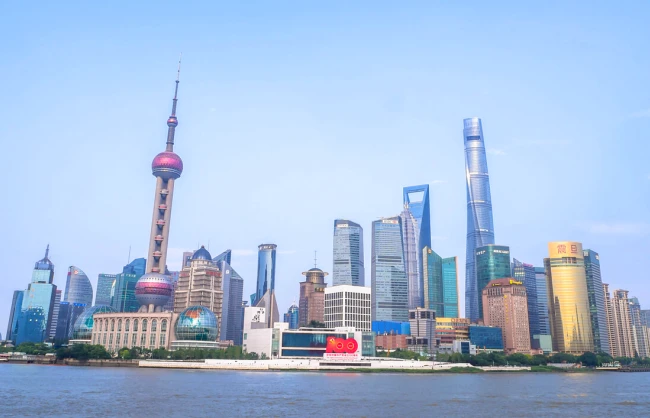
The most important reason for most tourists planning a Shanghai tour is its charm as an international metropolis, the modern skyline in Lujiazui catches the eyes of every traveler. But Shanghai also boasts the ancient charm, such as the Qibao Ancient Town and the famous Yu Garden. Do you want to feel the complete charm of Shanghai? China Xian Tour can tailor a trip for you. If you have any requirements for hotels, meals and the guide, we will also try our best to meet them. Of course, we will book the tickets of attractions for you. So do not hesitate to contact us to enjoy your perfect trip.