
Tibet Attractions: Best Places to Visit in Tibet
Tibet, known as the “Roof of the World,” is a “base camp” consisting of a series of high mountains. Five of the world’s 14 peaks above 8,000 meters are in Tibet, including the world’s highest peak, Mount Everest. Its rich Buddhist colors, the magnificent Potala Palace, sacred lakes & mountains have attracted countless domestic and foreign tourists to travel. The “King of Sacred Mountains” in the Ali region – Mount Kailash is the center of the world in the hearts of believers. The three “sacred lakes” – the Yamdorktso Lake, Lake Manasarovar, and the Namtso Lake as bright pearls set on this snowy plateau. Do not miss the Everest Base Camp overnight, which will be a once-in-a-lifetime experience.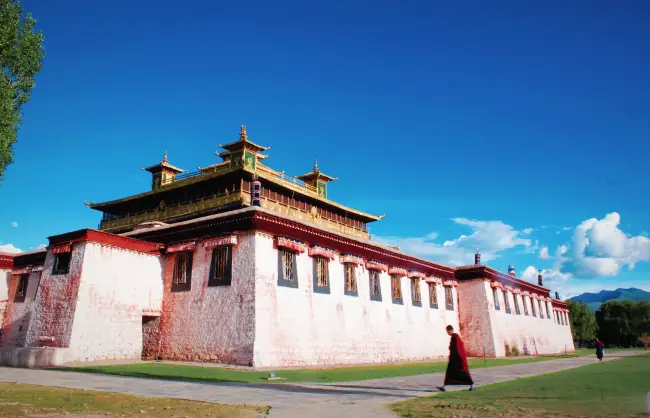
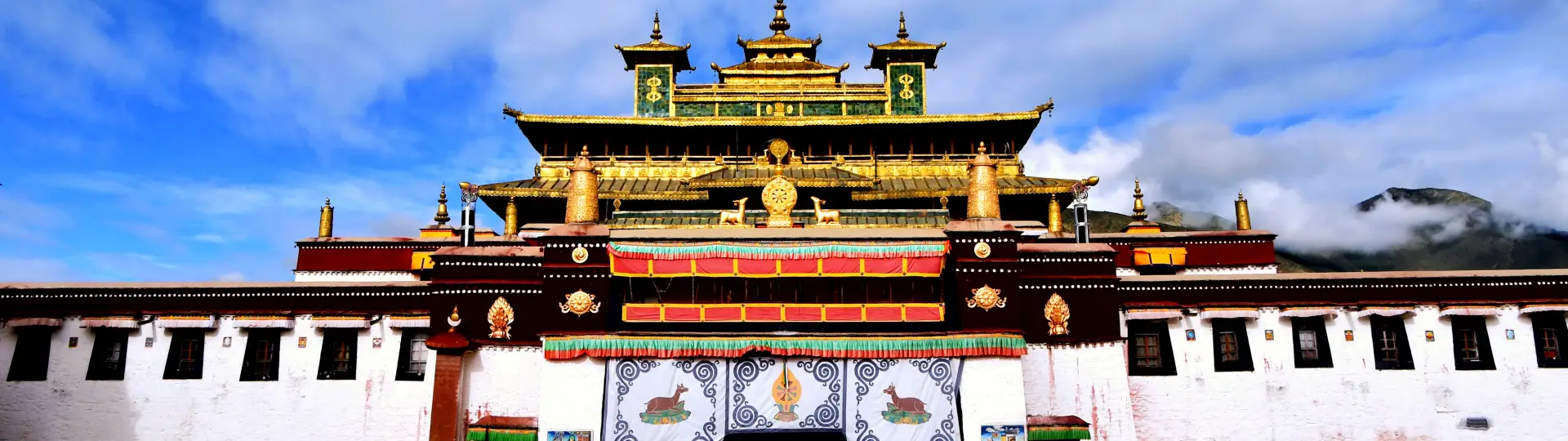
Samye Temple locates in the Chatang County, Lhoka (Shannan) Prefecture, at the north of the Yarlung Zangbo River, about 130km to Lhasa. It was the first temple in Tibet for the people to become monks by tonsure, also the first temple had all the Buddha, Dharma and Sangha in…

At an elevation of 4325 meters above sea level, the Tidrum Nunnery is situated northwest of Drigung Monastery, approximately 110 kilometres from Lhasa. Hermitage caves can be found in the hills that encircle the nunnery, which is situated in a charming valley. Prayer flag threads are strung from hill…
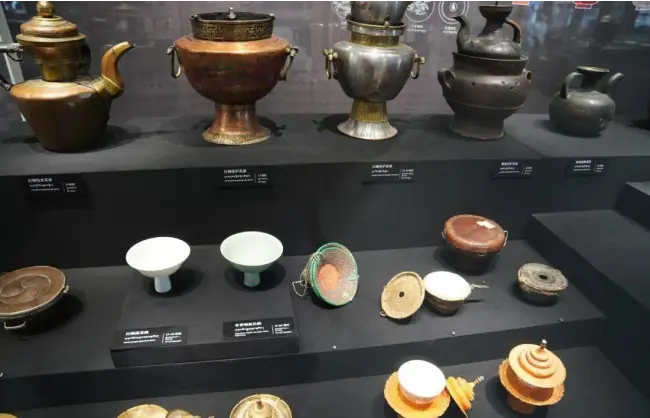
Tibet Museum, located on the opposite of east Norbulinka Palace in Lhasa, covering 53959m2 in total with gross area of 23508m2 and exhibition area of 10451m2. It is the first museum in Tibet bearing modern functions. Belonging to the the 62 Projects of Aid to Tibet for celebrating the 30th anniversary of…
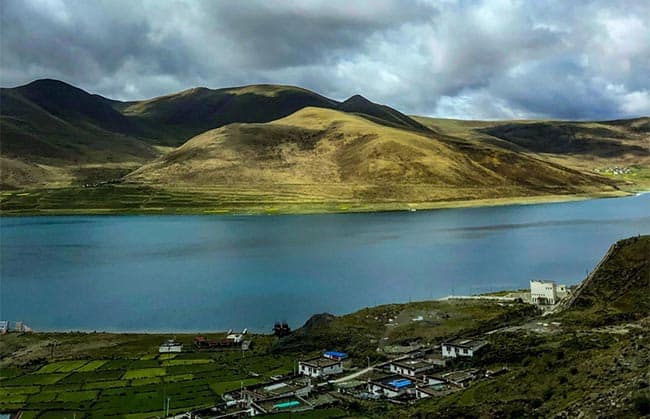
Yamdorktso Lake is one of the “Three Holy Lakes in Tibet” (Namtso Lake, Manasarovar Lake and Yamdorktso Lake), bearing the Tibetan meaning “the above coral twig”, corresponding with its shape well. It is famed as “the Most Beautiful Lake in the World” and the holy moral in Tibetan’s heart as “the Scattered…

Mount Everest is the highest mountain in the world. It is a popular spot for people who seeks the ultimate adventure. If you want an extraordinary journey to the top of the world, the Everest Base Camp Tibet trip might be right for you. This place gives you views of the…
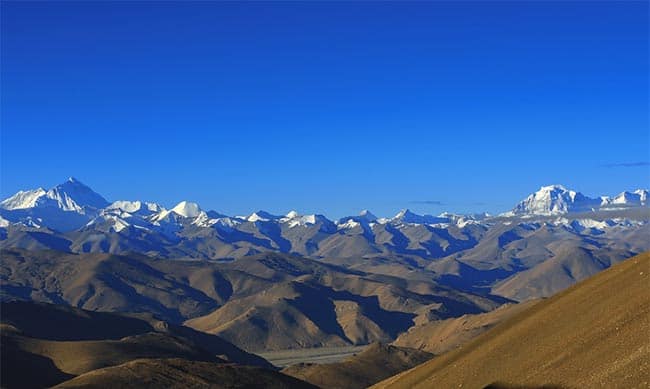
Mt. Everest stands at the Tingri County of Shigatse Prefecture, on the border line of China and Nepal, shared the South Slope by Nepal and the North Slope with China. With the height of 8848.43m, Mt. Everest occupies the position of the “the main peak of the Himalayas and…
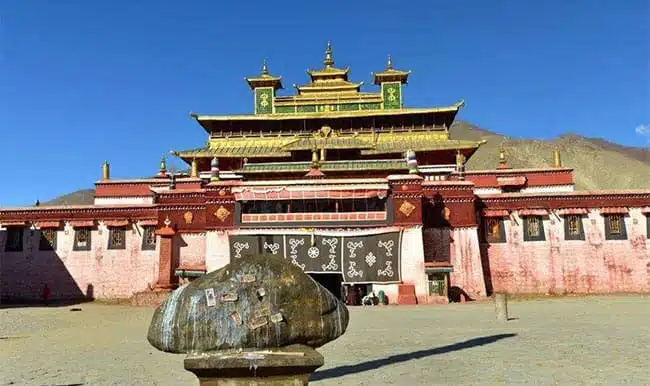
Zaki Temple is the only one temple of the God of Wealth in the whole Tibetan region. Located on the Zaki Road, in north suburb of Lhasa, Zaki Temple keeps a small scale but has been received quite good attendance with free charges. Zaki Temple is known as a…
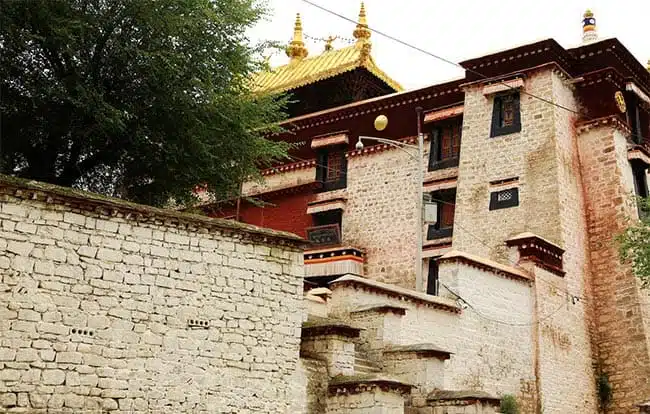
On the list National Relic Protection Units, Sera Monastery is one of Six Great Major Monasteries of Gulug school of Tibetan Buddhism, located at the foot of Serawoza Mountain about 3000m far from the northern suburban of Lhasa. Combined with Drepung Monastery and Ganden Monastery, Sera Monastery is renowned…


