


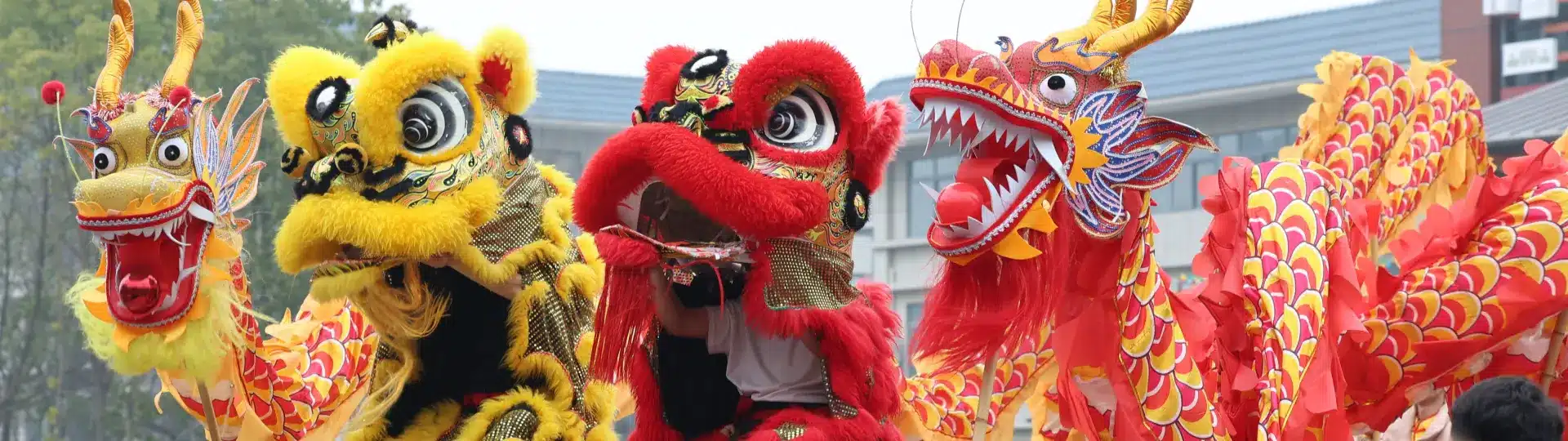
It’s no wonder that so many people are interested in Chinese culture – it’s had over 5,000 years to develop! With so much to offer, though, it can be hard to know where to start. Whether you want to learn about history or modern life, art or believes, there’s a lot of ground to cover. Luckily, we’ve compiled a list of 20+ Chinese culture facts that will help you start your exploration of the country. With both must-know and fun facts, this list is sure to teach you something new.
Content Preview
- 10 Must-Know Chinese Culture Facts
- 11 More Surprising & Fun Facts about Chinese Culture
- Explore China’s Culture with China Xian Tour
10 Must-Know Chinese Culture Facts
1. The Great Wall is an Ancient Engineering Marvel
Despite the fact that it was built over 2000 years ago to defend against nomadic tribes, the Great Wall of China is still the longest wall in the world today. With various sections offering diverse experiences both natural and cultural, it’s no wonder so many people still visit it today.
Suggested Tours:
3-Day Beijing Package Tour: City Highlights & Great Wall
10-Day Immersive China Tour of Beijing-Xian-Guilin-Shanghai


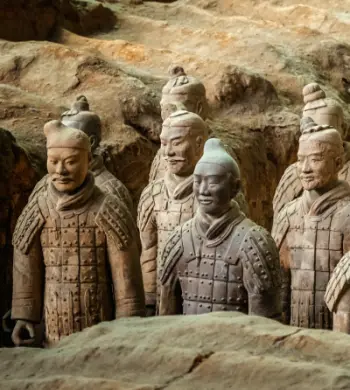
2. The Terracotta Army Guards an Emperor’s Tomb
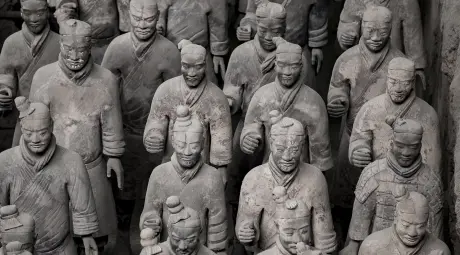
You’ve heard of the Terracotta Army, but did you know they’re guarding the tomb of China’s first emperor? The emperor, Qin Shi Huang, was notoriously superstitious. He was a strict ruler terrified of assassination and fascinated by immortality – the latter didn’t work out, but at least his paranoia helped him hide his tomb so well that it’s still beautifully preserved today.
3. Family Is Central to Chinese Culture
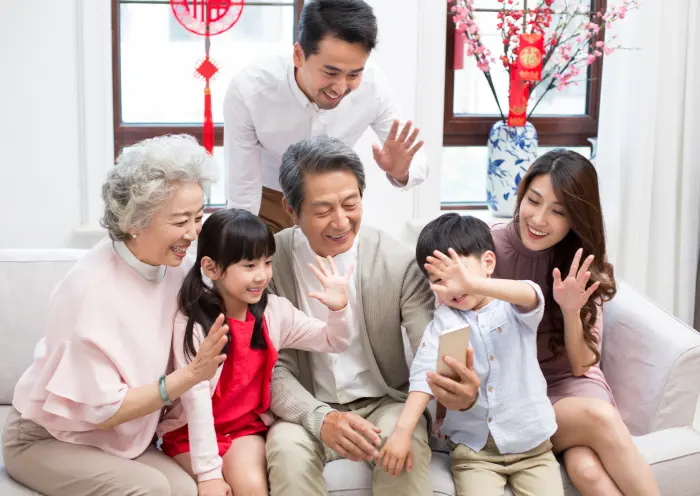
One interesting fact about Chinese culture is the importance it places on 孝 (xiào), or filial piety. Even today it’s common to see multigenerational households with elder members playing an important role in family decisions.
Suggested Tours:
8-Day Beijing & Xian Family Tour by Bullet Train
12-Day Beijing Chengdu Yangtze River Shanghai Tour
4. Festivals Are Rich in Meaning and Ritual
You might have heard of some of China’s traditional holidays like the Spring Festival, the Mid-Autumn Festival, and the Dragon Boat Festival, but do you know what they are and why they’re celebrated? From the historic and mythic figures they honour to the symbolism of health, wealth, and family that permeate them, the holidays are more than worth learning about.
5. Chinese Cuisine Varies Wildly by Region
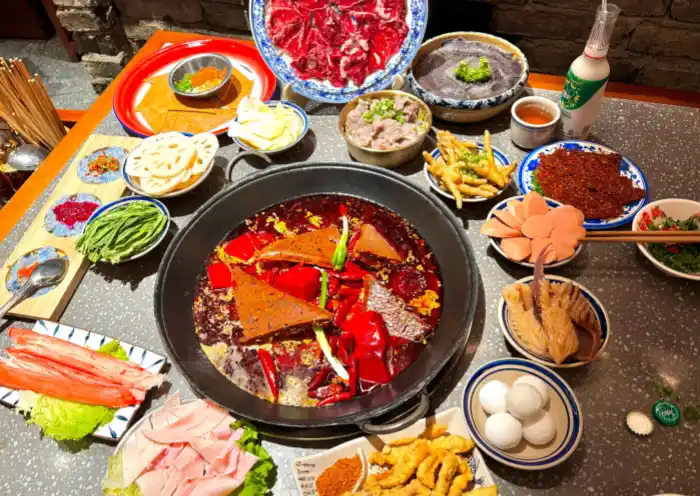
You might think you love Chinese food, but do you really know it? From the light flavours of the south to the hearty food of the north and from the sweet flavours of Shanghai to the heat of Sichuan, China is an unmatched culinary experience waiting to be explored.
Suggested Tours:
4-Day Xian Culinary & Cultural Tour
13-Day China Food Tour: Beijing Xian Chengdu Guilin Hong Kong
6. Mandarin Is the World’s Most Spoken Language
You might know that Mandarin is the most spoken language in the world, but one fact about Chinese culture you might not know is just how many languages are spoken in the country in general. While Mandarin or “pǔtōnghuà” (which means “common language”) is widely spoken in the country, there are also other languages and countless regional dialects spoken in the country.
7. Family Planning Changes: Not Just “One Child”
While most people are familiar with China’s one-child policy, implemented in 1979 to slow rapid population growth, you might not know that that policy is no longer in place. A two-child policy was introduced in 2015, followed by a three-child and then unlimited policy in 2021.
8. A Country Shaped by Confucianism
While there are a variety of religions present in China, including Taoism, Buddhism, Islam, and even folk beliefs, it’s the philosophy of Confucianism that holds the most weight. Originating in Shandong, Confucianism values emphasising harmony, hierarchy, education, and ritual.
9. The World’s Longest High-Speed Rail System
Did you know that China has the world’s longest and most extensively used high-speed rail system? Even though its development only began in the mid-2000s, it now covers over 45,000km at speeds up to 380km/hr. Not only is it incredibly convenient, it’s also a great way to get around and explore the country.
Suggested Tours:
6-Day Private Beijing – Xian – Shanghai Tour by Bullet Train
13-Day China Tour of Beijing – Xian – Hangzhou – Huangshan – Shanghai
10. China Has 60 UNESCO World Heritage Sites
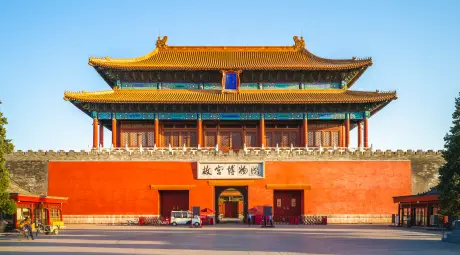
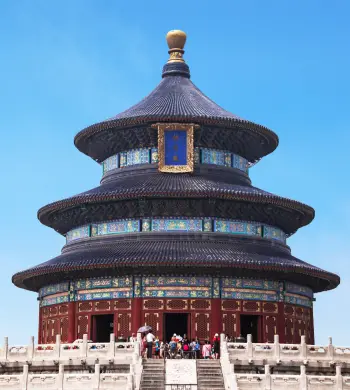
One fact about Chinese culture that you have to know before you visit is just how well-regarded it is on the world stage. China has the second most World Heritage Sites in the world, just behind Italy, with a mix of both natural and cultural wonders worth visiting like the Forbidden City and Mount Tai.
Suggested Tours:
3-Day Pingyao Heritage & Hukou Waterfall Marvels Tour
9-Day Eastern China Tour: Shanghai Suzhou Huangshan Hangzhou
11 More Surprising & Fun Facts about Chinese Culture
11. The Concept of Yin and Yang Balances Life
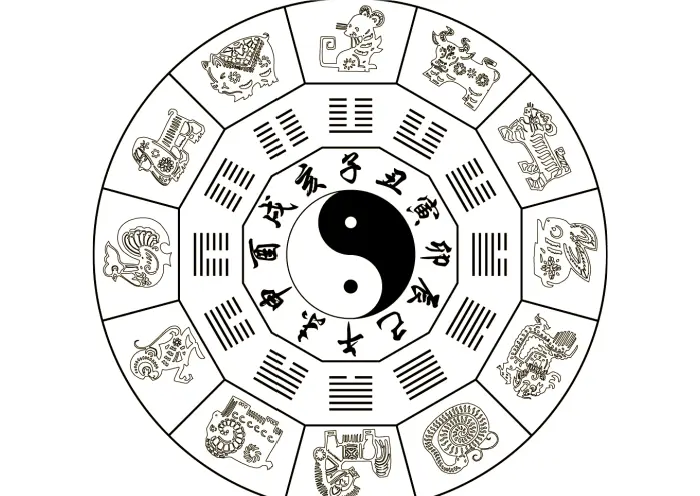
Yin and Yang balance is an fundamental principle in Taoist philosophy. It posits that Yin and Yang represent two interdependent yet opposing forces which are ubiquitous around us. For example, Yin is often associated with traits like night, cold, stillness, the earth, and the moon, while Yang typically corresponds to day, warmth, movement, sky, and the sun.
The Taoist philosophy believed that all things are composed of the two opposing yet unified forces of Yin and Yang. These two forces should coexist harmoniously and maintain relative balance to achieve harmony and well-being. And the concept also profoundly influenced Chinese thought, traditional Chinese medicine, feng shui, art, etc. The Western concept of “Work-Life Balance” is also a parallel with the philosophy of Yin and Yang.
Top places to experience Taoism in China include the Five Great Mountains in China, Mount Qingcheng, Mount Wudang, etc.
12. Feng Shui Influences Architecture & Design
In traditional Chinese culture, Feng Shui (风水) is an ancient discipline that focuses on environmental layout and energy coordination. It emphasizes the guidance of “Qi” (life energy) through spatial planning and directional adjustments, and was widely practiced in Chinese architectural design and layout.
In ancient China, a building’s location, orientation, structure, and even internal décor were all determined based on Feng Shui philosophy to positively influence occupants’ health, emotions, and overall fortune. For example, many Chinese buildings are oriented to “sit north and face south” to maximize natural light (light symbolizes Yang). Living rooms should be spacious and bright to gather positive energy. The winding paths and flowing water in Suzhou’s classical gardens are also examples of the Feng Shui concept that “curves generate good fortune.”
13. The Chinese Zodiac Has 12 Animal Signs
Do you know your Chinese zodiac? This is a fun fact about Chinese culture that’s perfect for kids! Each Lunar New Year marks the start of the next animal’s year, and each year is also assigned a specific element. Kids love animals, so they’re sure to enjoy getting to learn not only which one they were born under, but also the story behind the zodiac itself.
14. Tea Culture is a Symbol of Hospitality
China is well known for its teas, from Longjing to Biluochun and everything in between. But did you know about the culture surrounding drinking tea in China? Serving tea to others is a common way of welcoming them and showing respect and is even a part of some traditional wedding ceremonies. Additionally, tea houses have historically been places for community and bonding.


15. Red Symbolizes Luck & Prosperity
An interesting fact about Chinese culture is that the colour red, not green, symbolises luck and prosperity in China. One origin story for this association is that of niánshòu, a mythical beast that was said to attack villages around the Lunar New Year. Eventually, people learned that it was afraid of the colour red, and that’s why you see so many red decorations for Chinese New Year today!
16. Chinese Calligraphy is a High Art Form
Chinese writing might seem intimidating at first, but it’s worth studying at least a little so you can better appreciate Chinese calligraphy. With a variety of styles like Seal script, Running Script, and more, China has turned the written word into art in and of itself, with some pieces by renowned artists worth even millions of dollars.
17. Kung Fu is More Than Fighting – It’s Philosophy
When people talk about Kung Fu, they typically focus on the physical aspects of it – but there’s so much more to it than that. Famous schools like the Shaolin and Wudang put focus not only on fighting prowess but also internal control, with the Shaolin Temple’s philosophy being deeply rooted in Zen Buddhism while the Wudang School focuses on Taoism and ideas of qi and harmony with nature.
Suggested Tour:

18. The Five Elements (Wu Xing) Explain Natural Phenomena
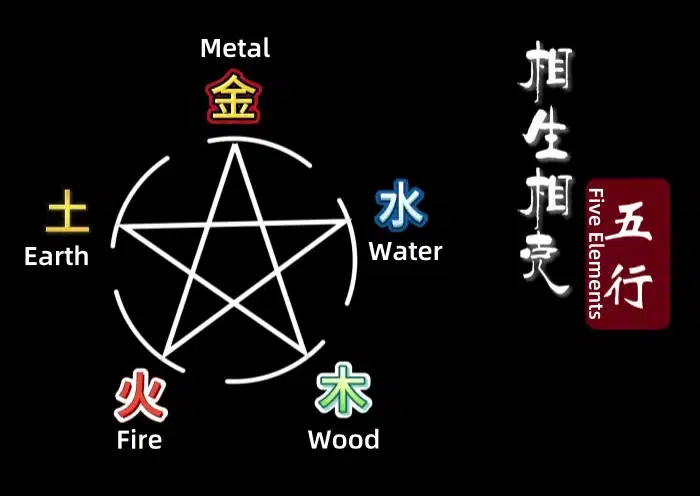
The Five Elements, or Wǔ Xíng (五行), refers to Water, Fire, Metal, Wood, and Earth. In ancient Chinese philosophy, the Five Elements is a fundamental concept, underpinning all things in the natural world. These aren’t static substances but rather five dynamic attributes and energies that explain the patterns of natural change and the interconnectedness of all phenomena.
The Chinese systematized the observations of the five elements and generalized them into an analytical tool. This tool is used to understand the relationship between humans and nature, and the natural world itself. For example, wood is linked with spring, birth, and wind; fire with summer, growth, and heat; Earth with late summer, transformation, and dampness; Metal with autumn, harvest, and dryness; and Water with winter, storage, and cold. Also, they are combined with the Chinese calendar and used in the Chinese zodiac.

19. The Lucky and Unlucky Numbers
Who cares about lucky number 7? Nobody in China, that’s for sure. In China, the number 8 is considered lucky because it sounds similar to a word that means “to get rich”. Four, on the other hand, is considered extremely unlucky since it sounds like “to die”. So if you go to China and notice that floor 4 is missing in a building, or that the number 8 shows up more often than 4 in license plates and phone numbers, don’t be surprised! They’re just trying to get the best luck possible.
20. Beautiful Clothing Throughout the Ages
One of the best things about Chinese culture is how well they’ve preserved their traditional dress. While it isn’t super common, don’t be surprised if you see people walking around in qipaos or even hanfu on the street. You can even find shops renting and selling outfits if you want to try one on yourself.
21. WeChat Dominates Daily Life
In your daily life, you probably need one app to pay your bills, a few more for social media, another for messaging, and of course a credit card for payment… But not in China! One of the most interesting facts about Chinese culture is how well optimised it is for convenience, because you can do basically everything in WeChat. From messaging friends to ordering take-out and from buying train tickets to paying for bills and groceries, WeChat is a fundamental part of Chinese daily life. >> How to Pay in China As a Foreigner
22. Everyone Knows the Four Great Inventions of Ancient China
The concept of the “Four Great Inventions” originated in Europe. In the 16th century, Italian scholar Gerolamo Cardano was the first to mention the printing press, gunpowder, and the compass as the three major inventions, believing that these were great inventions of ancient Greece and Rome.
After the 17th century, through the introduction by Iberian sailors and missionaries, some Europeans gradually realized that in China, these three inventions had already existed for hundreds of years. In the 19th century, many European scholars and writers attributed the emergence of the four inventions to the Chinese.
At that time, the missionary Joseph Edkins, when comparing China and Japan, pointed out that although Japan had many advantages, it did not have inventions as significant as papermaking, printing, the compass, and gunpowder. Joseph Needham was probably the first scholar to list these four inventions together.
23. There Are Four Treasure of the Study
The Four Treasures of the Study – Pen, Ink, Paper, and inkstone have always been the most favored writing companions of ancient scholars and are also traditional Chinese handicrafts.
The term “the study of scholars” originated during the Northern and Southern Dynasties period in Chinese history (420 – 589 AD). Among the various types of writing tools, the brush is unique to China and is used for Chinese calligraphy and painting. Besides the “Four Treasures”, there are also pen holders, pen racks, ink beds, ink boxes, arm rests, pen washes, book rests, water vessels, water spoons, ink droppers, ink cases, seal paste, seal boxes, cutting knives, seals, scrolls, and more, all of which are essential items in the study.
Cool facts: The Warring States period brush unearthed at Zuojiagongshan in Changsha, Hunan Province, the Qin Dynasty brush unearthed at Shuihudi in Yunmeng County, Hubei Province, and Fangmatan in Tianshui City, Gansu Province, as well as the Han Dynasty brush from Mawangdui in Changsha and the Western Jin Dynasty brush from Wuwei, are all rare and precious artifacts from ancient times.
24. Table Etiquette is Part of Chinese Culture
On Quora, many people ask why Chinese people lift their plates to their mouths when they eat.
In China, nothing is more important than having a meal. However, eating is not just about filling one’s stomach. Compared to Western countries, Chinese table manners are much more elaborate. They have been practiced since the Zhou Dynasty (1046 BC – 256 BC).
Cool facts: Chinese people are educated to “not talk while eating” at the table; one cannot knock on the bowl while eating; one cannot stick chopsticks vertically into the food. And of course, Chinese table manners are much more than this.
25. The Chinese Celebrate Based on the Lunar Calendar
One more interesting fact about Chinese culture – the Chinese are still using the lunar calendar in daily life.
Today, the official calendar in China is the Gregorian calendar. However, festivals that have been celebrated for thousands of years still follow the lunar calendar. Without it, we wouldn’t even be able to celebrate the Chinese New Year.
Moreover, Chinese people choose auspicious days based on the lunar calendar for weddings, moving houses, hosting banquets, etc.
Many believe that as long as there is agriculture, there will be the lunar calendar. The lunar calendar is the result of long-term observation of celestial movements. It integrates the rules of the sun and the moon’s movements and concludes the impact of both on agriculture.
26. China has 56 Ethnic Groups
From the Han (with the largest population) to ethnic minority groups such as the Mongolian, Uyghur, and Tibetan, each group has its own way of life and cultural traditions.
For instance, the Mongolian people traditionally live a nomadic lifestyle and prefer dairy products and meat in their diet. In Xinjiang, the Uyghur people create beautiful music and dance, with the melodies of the Twelve Muqams.
These ethnic groups influence and blend with each other in daily life, creating many new things. For example, in terms of diet, various regional cuisines are mixed together. The spiciness of Sichuan cuisine, the lightness of Cantonese cuisine, and the richness of Shandong cuisine – none of these are the products of regional diversity?
27. Why does China Use Only One Time Zone?
China spans multiple time zones, as evidenced by a famous poem: “I watch the sunrise over the vast sea, while you count the stars on Kunlun Mountain.” However, it has adopted only one standard time zone – “Beijing Time” or China Time.
In fact, before “Beijing Time”, due to various political and economic reasons, China had been divided into multiple time zones. But this led to many problems, such as a province having two time zones, which was not conducive to coordinated work within the province.
On October 7, 1949, as the Xi’an People’s Broadcasting Station announced nationwide, “The time of this station is based on Beijing Time”, “Beijing Time” was thus born and quickly became the standard time for most regions in China.
Explore China’s Culture with China Xian Tour
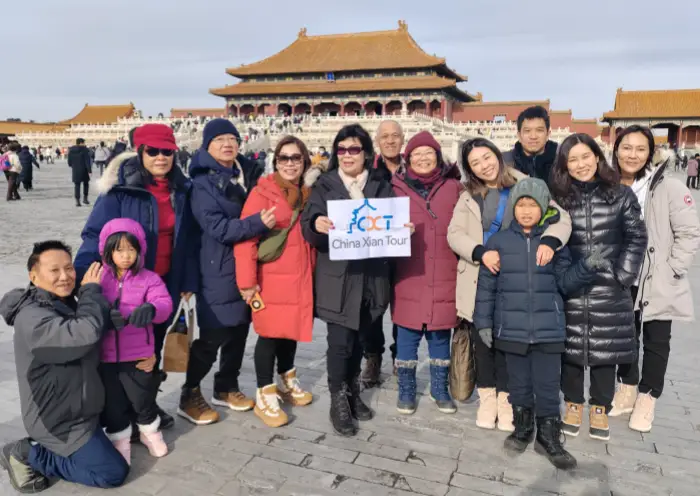
Now that you know so many new Chinese culture facts, you’re probably dreaming of experiencing the country yourself – but planning a trip to a foreign country can be a big task. That’s where China Xian Tour comes in. With both preset and custom tours, we offer something for everyone’s needs, with authentic guides to make sure you get the best, most real experience of the country.
No matter where you want to go and what you want to see, we’ve got you covered – so what are you waiting for? Book a tour with us today!