

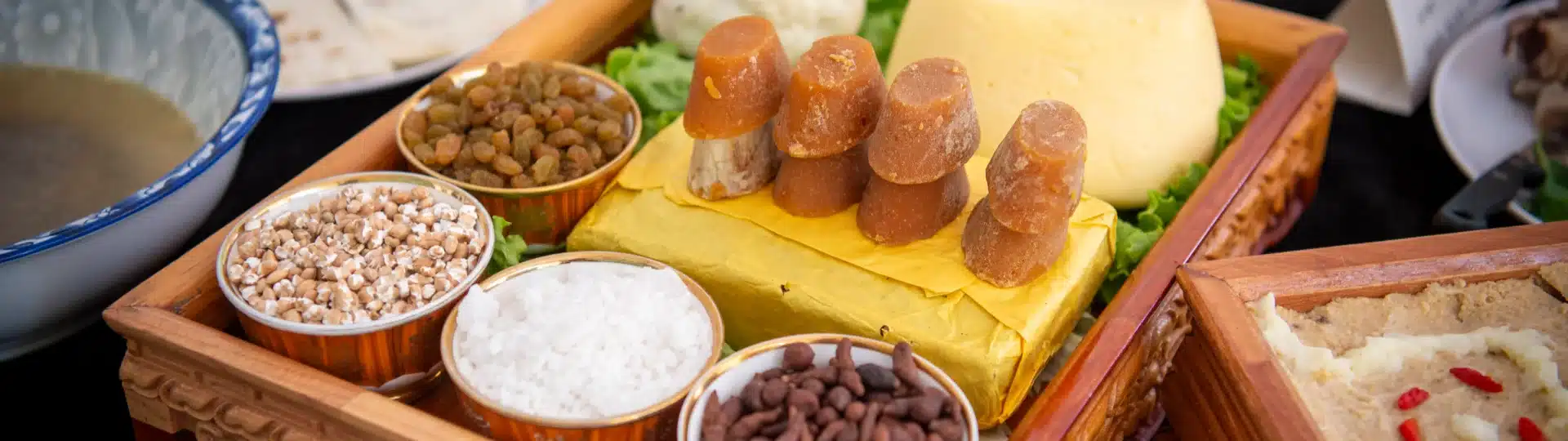
Tibet now is attracting an increasing number of people, not just for its amazing landscapes but for the gourmet food. Tibetan food is born from the high-altitude terrain and the spiritual culture of Tibet. It is a hidden gem of authentic Himalayan cuisine.
For most travelers, Tibetan cuisine offers a taste of a resilient and deeply spiritual way of life. The food of Tibet is often simple but warm. The steaming bowls of thukpa (noodle soup) and the savory momos (dumplings) are balms to your soul. The flavors of yak meat and dairy linger in your mouth.
Don’t you have a strong desire to enjoy those delicious food? Look this guide. It take you through the essential dishes, the flavors and where to try the most authentic Tibet food.
Content Preview
- What is Tibetan Food Like? An Overview of Tibetan Cuisine
- Must-Try Tibetan Foods and Dishes
- Tibetan Food Culture and Traditions
- Tibetan Vegetarian Food – Options for Non-Meat Eaters
- Tibetan Street Food – Where to Find Local Delicacies
- Where to Eat Tibetan Food
- FAQs about Tibetan Food
- Plan Your Memorable Tibet Tour with China Xian Tour
What is Tibetan Food Like? An Overview of Tibetan Cuisine
Tibetan food emerges from one of the world’s most extreme environments, which makes it particularly unique. The following can help you understand its core characteristics.
Unique Characteristics of Tibetan Cuisine
The core of Tibetan food can be summarized in one word: sustenance. For centuries, the Tibetan people suffer from a high-altitude and oxygen-thin environment. But they still thrive in this extreme environment. The cuisine demonstrates their spirits very well.
Staple Ingredients – Yak meat, barley flour, dairy
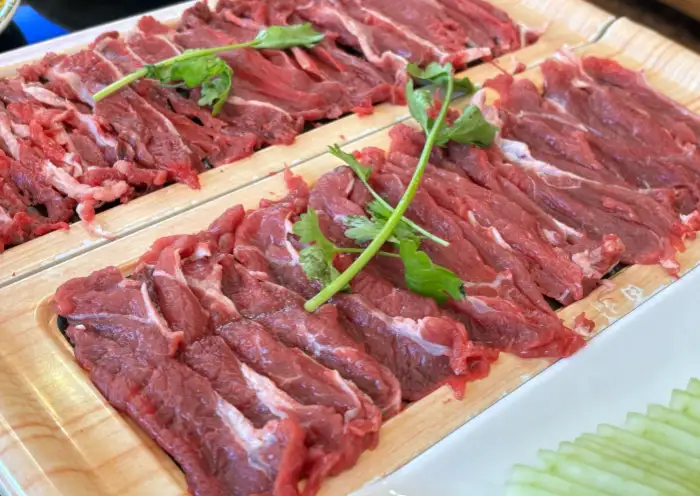
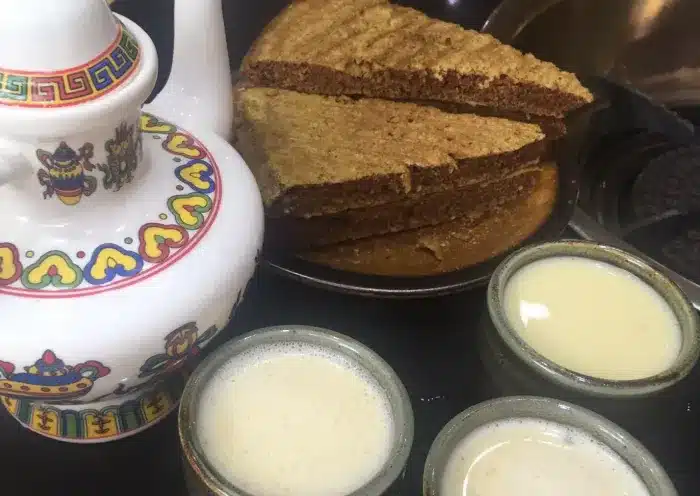
The recipes of Tibet food is often simple. Barley is the only grain that can ripen at high altitudes. It is the undisputed king of Tibetan foods. It is roasted and ground into tsampa, often mixing with butter tea. Tsampa is non-perishable, a convenient meal for nomads. Now tsampa is more than food. It is a cultural icon, central to ceremonies.
Yak is a lifeline for Tibetans, providing meat, milk, butter, and hides. Yak meat, compared with beef, is leaner and richer in flavor. It is usually dried, stewed and stuffed into dumplings. Yak butter is indispensable for fueling lamps and enriching teas. You can also see yak yogurt and cheese at their dinner table.
Tibetans get these dairy mainly from female yaks and sheep. The residents get essential fats and proteins from milk, buttermilk (chura), and a hard, dried cheese (chura loenpa).
Influence of Climate and Culture
Hot liquid-based meals are indispensable in harsh and cold climate of Tibet. Therefore, you can always encounter steaming stews, noodles and butter tea there. The nomadic culture is brilliant in Tibet, making portable, non-perishable foods like tsampa and dried meat commonplace.
Many travelers are lured by the magnificence of Tibetan Buddhism. Tibetans, under the influence of Buddhism, have a strong reverence for life. Most of them may not be vegetarian, but they usually avoid eating meat on holy days. Therefore, you are possible find vegetarian dishes here.
Related reading: Tibetan Customs and Taboos Worth Knowing before Visiting Tibet
Influence of Nepal, India, and Chinese Sichuan
You may feel familiar about some famous Tibetan food if you happen to tour around Nepal and India. Tibet sits along ancient trade routes, so it absorbs culinary ideas from the neighbors. For example, the steps of making momos was learned from Nepal and India.
Besides, chili oil and certain stir-frying techniques were learned from Sichuan cuisine and other regional dishes. Through adjustment and transformation, the unique Tibetan food came into being.
Is Tibetan Food Spicy?
You may wonder: is Tibetan Food Spicy? The answer is complicated.
Traditional Tibetan cuisine is not spicy. For example, butter tea is salty, buttery, and rich. The classic thukpa (noodle soup) is made from slow-cooked bone broth, yak meat, and root vegetables. Natural seasoning is often simple: salt, garlic, onion, and perhaps a touch of ginger. It offers a kind of warmth and comfort.
As we mentioned before, the food of Tibet is influenced by external conditions. Chili is common in some eastern regions and border areas. There is no need to worry if you are not fond of spicy food. Chili is offered as side condiment so that you can customize your own meal.
Must-Try Tibetan Foods and Dishes
Month is running water? Here are 10 essential Tibetan foods you should never miss.
1. Tsampa – The Staple of Tibet
- Ingredients: Roasted barley flour, butter tea (or water), and optional salt or sugar.
- Flavor: Milky, earthy, and chewy.
Tsampa is made of roasted barley flour. Tibetans often mix it with butter tea. It is a taste of home for them. It is portable and requires no cooking, perfect choice for nomads and long-distance travelers.
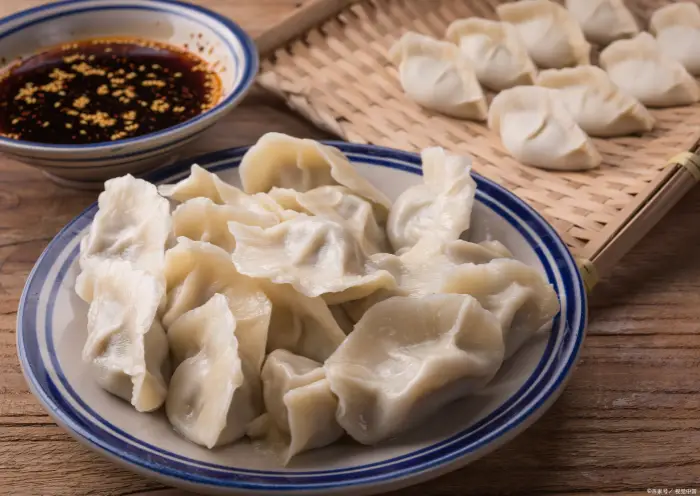
2. Momo – Tibetan Dumplings
- Ingredients: Flour dough wrapper, ground yak or beef, onion, garlic, and sometimes ginger and cabbage.
- Flavor: Savory, juicy, and umami.
Momo is filled with seasoned ground yak meat, which can be steamed, fried, and boiled. You can dip with chili and soy sauce. Each bite is a burst of savory juiciness!
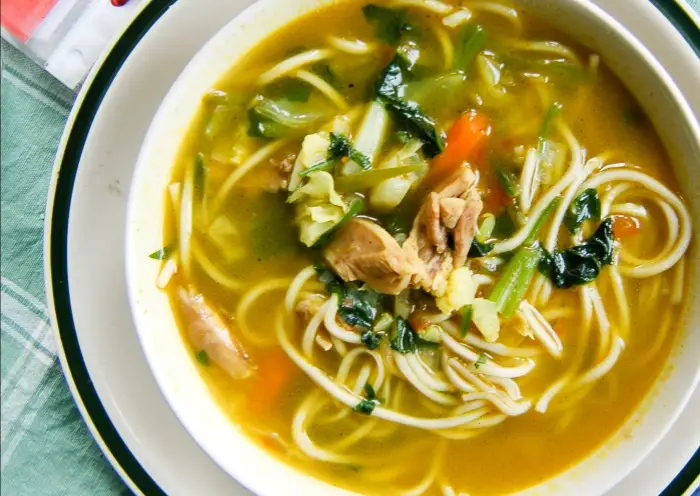
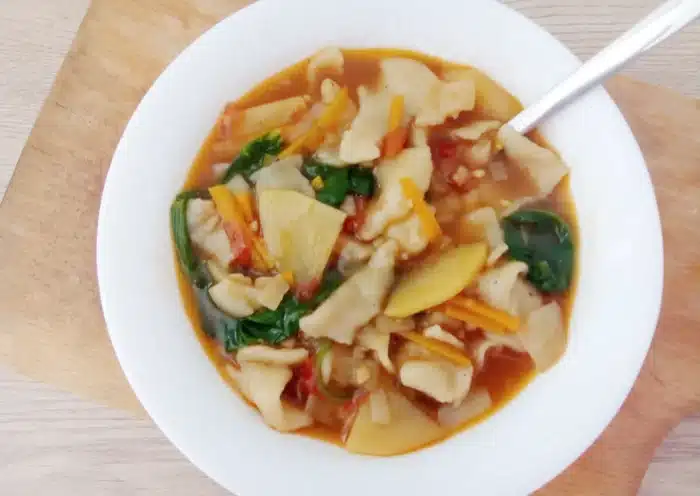
3. Thukpa – Tibetan Noodle Soup
- Ingredients: Hand-pulled or knife-cut noodles, chunks of yak meat, vegetables (like spinach, carrots, and radishes), and a rich bone broth.
- Flavor: Savory, rich, and comforting.
Thukpa offers you chewy noodles, fresh vegetables, and noodle soup simmered for hours with meat bones. It is often sided with momos. A cuisine that warms you from the inside out.
4. Butter Tea (Po Cha) – Tibetan Yak Butter Tea
- Ingredients: Strong brick tea, yak butter, salt, and water.
- Flavor: Salty, creamy, and rich.
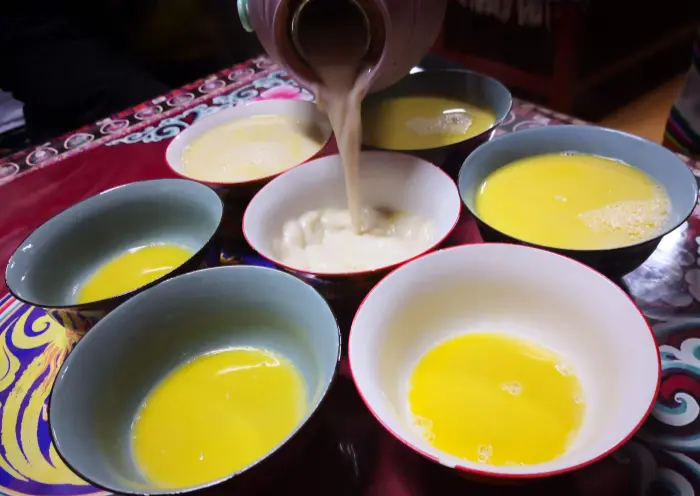
A visit to Tibet is incomplete without sipping Po Cha. It is made from tea leaves, salt, and a great amounts of yak butter. Travelers are often surprised by the first sip and then never forget it.
5. Sha Phaley – Fried Meat Pies
- Ingredients: Flour dough, ground yak meat, cabbage, and onion.
- Flavor: Crispy, juicy, and flavorful.
Sha Phaley combines a crispy, bread-like crust with juicy meat filling. The dough is folded into a crescent shape and fried into golden color.

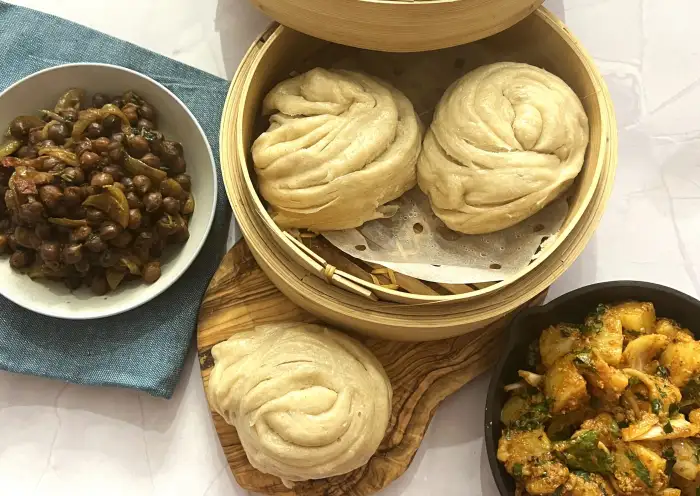
6. Tingmo – Steamed Tibetan Bread
- Ingredients: Flour, water, and yeast.
- Flavor: Soft, sweet, and fluffy.
Tingmo has no fillings. Its soft, pillowy texture makes it a perfect choice for curries, stews, and sauces. It is often the staple food of many Tibetan cuisines.
7. Chura – Tibetan Cheese
- Ingredients: Yak or cow milk.
- Flavor: Chewy and sour.
Chura comes in two forms: sour, soft, and fresh (chura loenpa) and hard (chura kampo), which can be dissolved in tea.
8. Yak Meat and Yak Yogurt
- Ingredients: Yak.
- Flavor: Lean and chewy (Meat)/ creamy and rich (Yogurt)
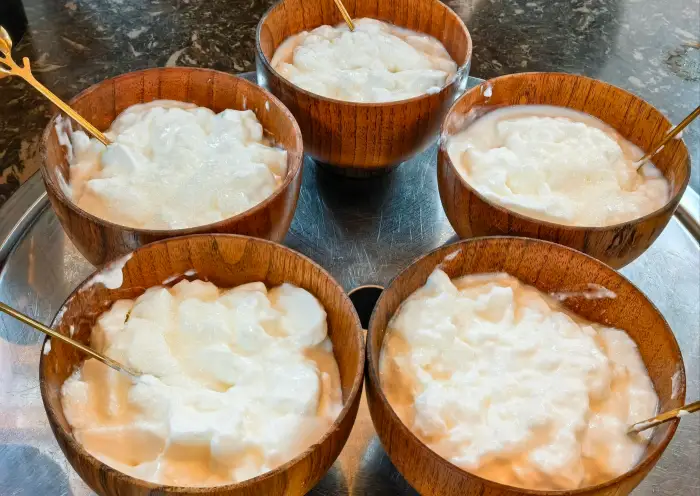
Yak is a common food on the Tibetan dining table. Yak meat is lean and high in protein, which is often dried, stewed, and used in momos. Yak yogurt is creamy and thick, which is served with a sprinkle of sugar as a dessert for breakfast.
9. Gyurma – Tibetan Blood Sausage
- Ingredients: Yak or sheep’s blood and barley flour or rice
- Flavor: Savory and umami.
Gyurma is made by mixing fresh blood with barley flour or rice and seasonings, then boiling or frying it. This kind of sausage is more dense, earthy, and highly nutritious. It’s definitely worth a try.
10. Droma – Sweet Wild Potato Dessert
- Ingredients: Droma (a small, sweet wild root), tsampa, yak butter, and sugar or brown sugar.
- Flavor: Sweet and soft.
The droma root is a small, purple tuber. It is usually cooked into sweet porridge with butter, sugar, and rice. Or Tibetans mix it with tsampa, making into a ball for festival dessert.
Tibetan Food Culture and Traditions
Food is closely associated with our daily life, spirits, and cultural identity and so is Tibetan food. To truly understand Tibetan cuisine, below we delve into its culture and traditions.
Tibetan Food and Buddhist Values
The core tent of Tibetan Buddhism is to hold compassion for all living beings. However, because of the harsh climate and limited arable land, it becomes hard for Tibetans to have a completely vegetarian diet. Therefore, those who consume meat usually will abstain on holy days or during specific religious practices.
Many also avoid eating certain animals and they support the value of saving the lives of animals destined for slaughter, which is known as “tsethar”.
What Do Monks Eat in Tibet?
The monastic diet emphasizes simplicity, moderation, and non-harm.
- Butter tea: The monks often have cups of butter tea at the beginning of the day.
- Tsampa: It is made of roasted barley flour and is rolled into small balls. The monks often eat tsampa for breakfast.
- Thukpa: It is a kind of noodle soup with vegetables and meat, usually yak meat or mutton.
- Momos: It is a kind of dumplings stuffed with chopped onions, ginger, garlic, and tofu. It is often eaten with a chili dip.
Tibetan monks do sometimes eat meat because of the harsh environment and long-standing traditions.
Special Foods for Tibetan New Year (Losar)
Tibetan New Year is also called Losar. It is a time of celebration and gathering. The food prepared carries wished for prosperity, good fortune, and health.
- Guthuk
When: On the last evening of the old year.
What it is: It is a kind of noodle soup made with nine ingredients, including meat (usually dried or fresh), greens, radish, peas, and other vegetables.
- Dresil
When: On the first day of the New Year
What it is: A sweet rice dish made with rice, Droma, nuts, and butter,
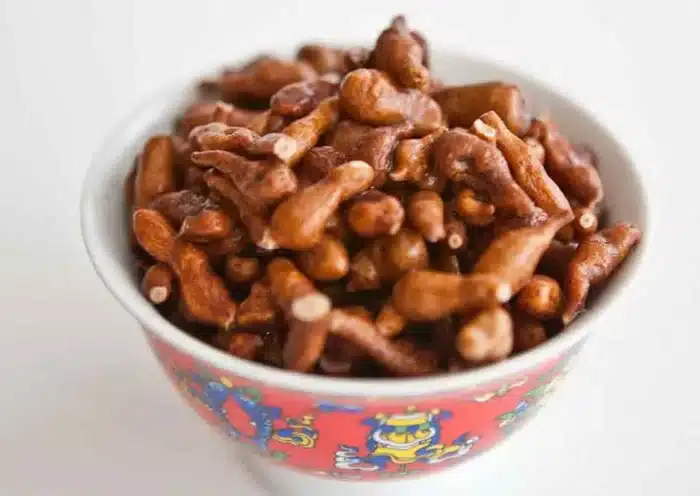
- Khapsay
When: On the first day of the New Year
What it is: A deep-fried, twisted pastry, which indicates wealth and good luck.
Tibetan Food Rituals and Prayers Before Meals
Tibet has its own food rituals. The most iconic ritual is Sangsol. A small portion of food and drink is tossed into air or placed in a small altar, usually a pinch of tsampa and a sip of butter tea or chang. It is an offering to the Triple Gem (the Buddha, Dharma, and Sangha).
There is often a short prayer before Tibetan food. It is a wish that food can nourish the body and mind and one can practice the Dharma.
Tibetan Vegetarian Food – Options for Non-Meat Eaters
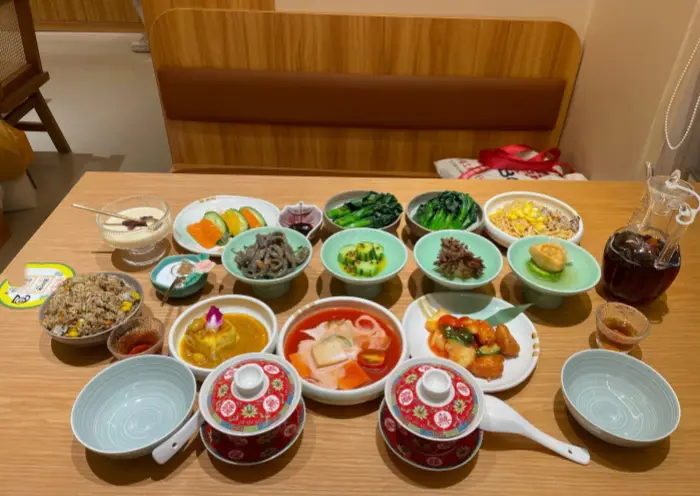
Tibet enjoys long-standing vegetarian tradition. Here are some food options.
- Tsampa: The toasted flour itself is vegetarian. You can mix it with butter tea or hot water, adding sugar or salt.
- Tingmo: The soft bun is vegetarian, suitable for dipping sauce and soup.
- Bakthuk: It is a kind of dumpling soup. It is usually made of broth, but many restaurants offer the vegetable soup with radish and potatoes.
- Vegetable Momos: The filling of it can be potatoes, cabbages, carrots and mushrooms, the best choice for vegetarians.
How to Find Vegetarian Food in Tibetan Regions
Monastery restaurants and guesthouses usually offer meat-free food. It is your beat bet.
Some restaurants for foreign tourists have a dedicated vegetarian section on their menu.
The key is the soup. A vegetable thukpa may be made with meat-based stock. So it is crucial to ask if the soup is without meat.
Tibetan Street Food – Where to Find Local Delicacies
Street food is often more local. Here is a guide to find them.
- Sha Phaley is a wheat flour dough stuffed with meat, onions and spices. It is fried into dolden brown, crispy and juicy.
- Butter Tea is common in Tibet. It is a strong brew of Pemagul black tea, churned with yak butter and salt.
- Thenthuk and Bhakthuk are typical Tibetan noodle soup. Thenthuk features hand-pulled noodles in a broth with vegetables and meat. Bhakthuk is a thicker, chewier, pinched noodle in a similar hearty soup.
Best Places To Try Tibetan Food
Below are the top places to find authentic Tibetan food:
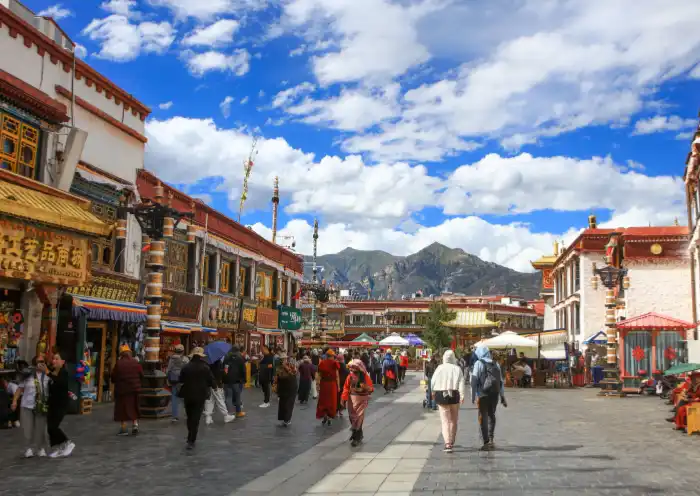
- Lhasa Markets are full of delicious food. You can enjoy fresh, hot Sha Phaley, momos, and yogurt there.
- Barkhor Street is the center of Lhasa’s old city. More authentic Tibetan food stalls hide in this alley. You can find all the food mentioned above.
- Local Tea Houses give you an experience of Tibetan daily life. You can see noisy and bustling rooms filled with chat and clinking cups. You can enjoy butter tea and milk tea there.
Where to Eat Tibetan Food
Finding the right place to enjoy typical Tibetan food is important. Below are some places for you to consider.
Lhasa
- It is the heart of Tibetan culture, offering the widest variety of Tibetan cuisine.
- Food type: Everything.
- Where to eat: Barkhor Street, Local Tea Houses, and local restaurants.
Shigatse
- It is the second-largest city in Tibet with vibrant local life.
- Food type: Hearty staples and local specialties.
- Where to eat: Local restaurants around the Tashilhunpo Monastery, Shigatse Market, and hotel and guesthouse restaurants.
Kailash
- The food here is often designed to fuel you because of the high altitude.
- Food type: Basic high carbohydrate food, like noodles and momos.
- Where to eat: Guesthouses along the Kora
EBC (Everest Base Camp, Tibet Side)
- The restaurant here is often a single room in a tent.
- Food type: Basic.
- Where to eat: The Tibetan tent.
Recommended Tibet Tours:
10 Days In-depth Tibet Adventure Tour
8 Days Lhasa to Everest Base Tour
FAQs about Tibetan Food
Is Tibetan food healthy?
Absolutely yes. Tibetan food is often high energy because of the environment.
What is the most popular type of meat consumed in Tibet?
Yak meat.
Does traditional butter tea taste sweet or savory?
Traditional butter tea is savory and salty.
Is Tibetan yogurt typically made from yak milk?
Yes, traditionally, Tibetan yogurt is made from yak milk.
Is it difficult to find vegetarian food in Tibet?
It can be challenging because of the broth in most Tibet cuisine. But with some tips you can find vegetarian food there.
How has the high-altitude climate influenced Tibetan cooking methods?
Most Tibetan food is boiled, stewed, fried, and steamed.
Related reading: Latest FAQs and Tips for Traveling to Tibet
Plan Your Memorable Tibet Tour with China Xian Tour
Can’t wait to enjoy Tibetan food? We are ready to design an unforgettable Tibet tour for you. We understand every traveler is unique and craft personalize adventures. With China Xian Tour, you can have a smooth application process, dedicated travel consultant, and local guides.