
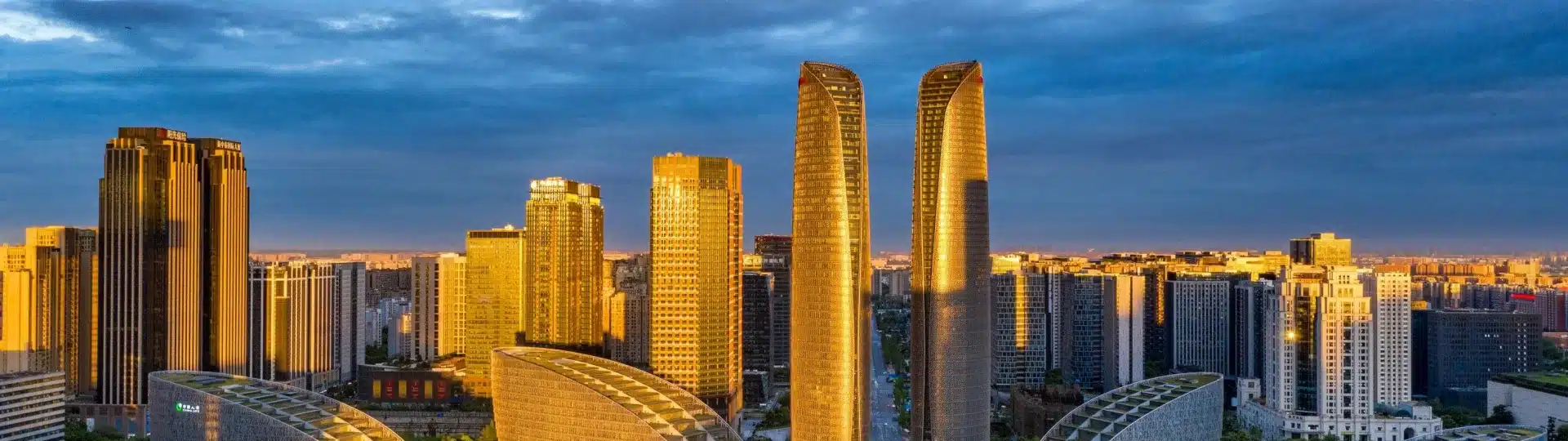
What’s the first image that pops out in your mind when mentioning Chengdu? Cute giant pandas, age-old teahouses, bold flavors or a pace of life that feels refreshingly unhurried? Well, Chengdu is a city that always wins people over quietly, then completely, and it has the power to leave a long-lasting memory in every visitor’s heart. As the capital of Sichuan Province and the heart of the ancient Shu civilization, compared to other thousand-year-old major cities, Chengdu’s historic heritage lies more subtly in people’s everyday comfort.
And besides, it is one of China’s most food-obsessed cities, which has officially been recognized as a UNESCO City of Gastronomy. In this city, meals are never rushed or boring, and variety feels endless. In terms of sight-seeing, iconic sites like the Giant Panda Base, or Mount Qingcheng can make every moment of the journey fulfilling and more interesting than you could’ve ever imagined. Yet, still many travelers find Chengdu’s greatest charm elsewhere—in its relaxed lifestyle. It’s the “leisure capital,” where even time would slow its pace here and locals all understand a philosophy of living well. This rare balance of culture, flavor, and ease is exactly why Chengdu is so worth visiting.
Content Preview
- Chengdu Is the Hometown of Pandas
- Chengdu’s Street Life Is Lively and Full of Flavor
- Chengdu Preserves a Rich and Layered Historical Heritage
- Chengdu Is Widely Known as China’s “Leisure Capital”
- Chengdu Is Where Sichuan Opera Still Thrives on the Local Stage
- Chengdu Boasts a Vibrant Nightlife
- Sichuan Food Is One of the Most Popular in China
- Chengdu Offers Easy Access to Leshan Giant Buddha, Mt. Emei, Jiuzhaigou, etc.
- Chengdu Is Home to Many Excellent Museums
- Chengdu’s Surroundings Are Dotted with Beautiful Ancient Towns
- Chengdu Is a Great Starting Point for Exploring Tibetan Lands
- The Mild Climate Makes Chengdu Good to Visit All Year Round
- Chengdu Brims with Culture and Everyday Charm
- Plan Your Chengdu Tour with China Xian Tour
Chengdu Is the Hometown of Pandas
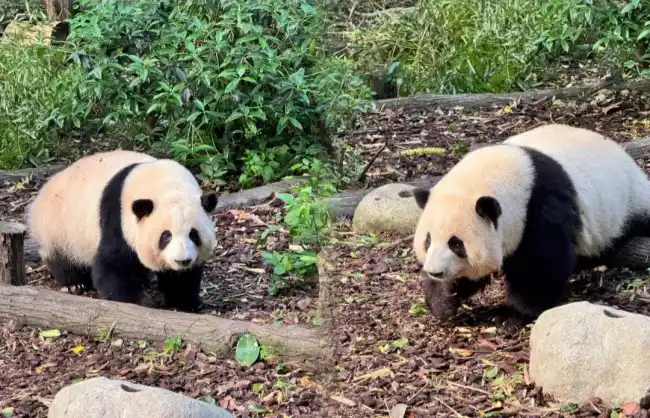
For many foreign people, panda is what first let them know there’s a city called Chengdu. These adorable creatures have been living on this abundant land for an incredibly long time. And the best place to see panda in Chengdu is the Chengdu Research Base of Giant Panda Breeding, one of the world’s top panda conservation centers. Here, you can not only see sleepy adult pandas lounging on bamboo branches but also new-borns in their baby rooms and some playful juveniles tumbling over each other. Except for the giant pandas, residents here also include red pandas and many other animals and birds, seeing them living pleasantly in nature.
Beyond observation, the base has also set up a museum for people who want to go deeper into Panda’s history and their life. For those who can’t be satisfied with simple self-visiting, join the guided tours at the front gate (English guides available). And if you want to interact with the pandas at a close distance, consider visiting nearby parks such as Dujiangyan and Wolong as they offer volunteer programs. In these programs travelers can assist with feeding and caring for pandas under expert supervision. Combining these experiences in a China panda tour creates a truly unforgettable wildlife adventure in the heart of Chengdu.
Chengdu’s Street Life Is Lively and Full of Flavor
The streets of Chengdu are always full of vitality. Vendors will always begin to set up their stalls for colorful and fresh goods in the early morning. Citizens hurried to work or school along the sidewalk, and still, they won’t forget to greet their neighbors along the way. Snack stalls can be seen everywhere, many of them are the first stops in a day for people who awaken the city.
With the passage of time, shopkeepers’ calling will be mixed with street musicians’ cheerful tunes. Strolling through the bustling streets, tourists can truly feel the daily life of Chengdu. Even the air is filled with vitality and warmth.
Chengdu Preserves a Rich and Layered Historical Heritage
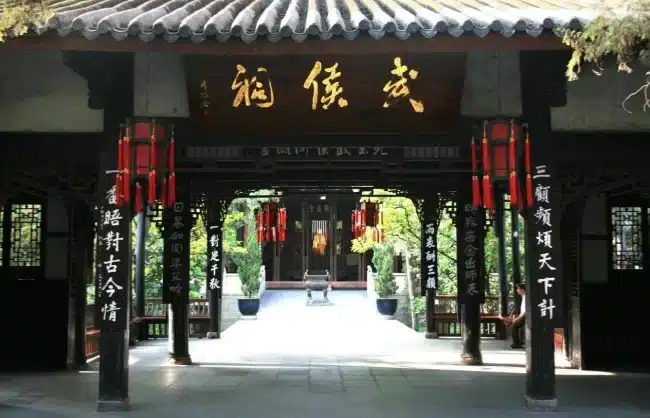
Chengdu’s history lasts over 2000 years. Its profound cultural heritage has been hidden in all corners of this town. For example, the Wenshu Temple, which is a grand legacy from Sui Dynasty. It’s the best place to study classic Buddhist culture in Chengdu.
Huanglongxi ancient town also greatly expresses Chengdu’s historic charm (40 kilometers away from Chengdu). Going to this town is literally like stepping into Ming and Qing Dynasties, but this time, instead of the imperial past, people will mostly see the traditional lifestyle of Sichuan.
And don’t forget Qingcheng Mountain. This Taoist holy mountain is one of the most popular summer retreats for Chengdu people. It has dense forests and ancient temples and is known as one of the birthplaces of Taoism. And it is also one of the main filming locations of Kung Fu Panda 3.
In addition, there is also the Wuhou Temple, which enshrines Zhuge Liang, Liu Bei and other historical figures. It displays cultural relics of the Three Kingdoms period, while the whole site is embraced by quiet gardens.
Chengdu Is Widely Known as China’s “Leisure Capital
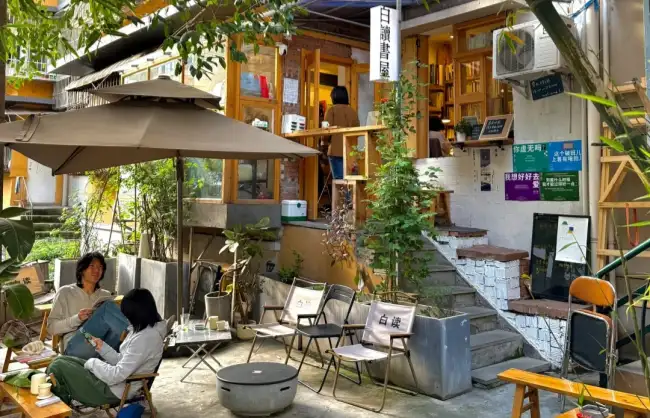
Chengdu has always been praised for its leisure vibe and it even gets the name of China’s “Leisure Capital.” One reason for people to have such an impression is that many of Chengdu’s modern streets and shopping areas (such as Chunxi Road) actually sit alongside historic alleys, or even temples. So it is common to see locals gather to enjoy simple pleasures in the busiest areas. Mornings start with tai chi, singing, or gentle strolls in People’s Park. And when it’s afternoon, tea-houses will then be filled with people sipping jasmine tea, playing mahjong, or simply chatting. In the evenings, neighborhood hotpot restaurants and bustling eateries come alive with laughters, conversations, and the scent of spicy Sichuan flavors. No matter how tired people are, they never forget to treat themselves to wonderful meals. Here, slow rituals and vibrant social energy blend seamlessly, and even a simple sunny day can make Chengdu locals feel pleasant and go on picnics with families and friends. Such everyday culture that enchants both locals and visitors alike.
Chengdu Is Where Sichuan Opera Still Thrives on the Local Stage
You may have once seen the face-changing, fire-spitting performance online, and these are all typical elements of Sichuan Opera, one of China’s oldest and most distinctive regional performing arts. And Chengdu preserves the best Sichuan Opera culture. Visitors can catch traditional performances in local tea houses, streets, or cultural centers. Two standout venues are Shu Feng Ya Yun and Jinjiang Theatre. One is a charming courtyard-style theater and the other one is a modern venue showcasing classic acts with professional staging. Beyond these theaters, performances in areas like Kuanzhai Alley and Jinli are also popular. They may be less professional but they bring the opera to an everyday context. Locals and travelers can experience the art all together while being surrounded by each other’s laughter.
Chengdu Boasts a Vibrant Nightlife
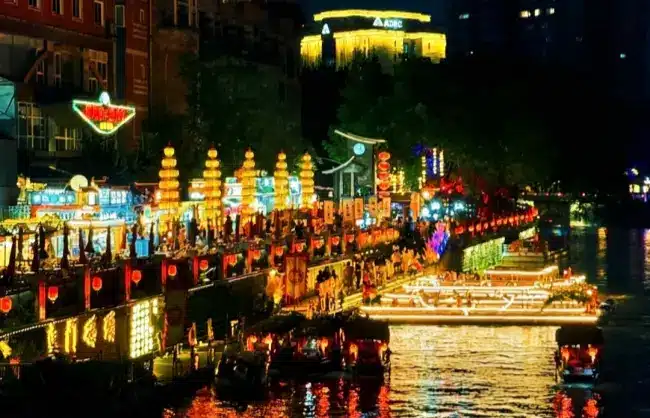
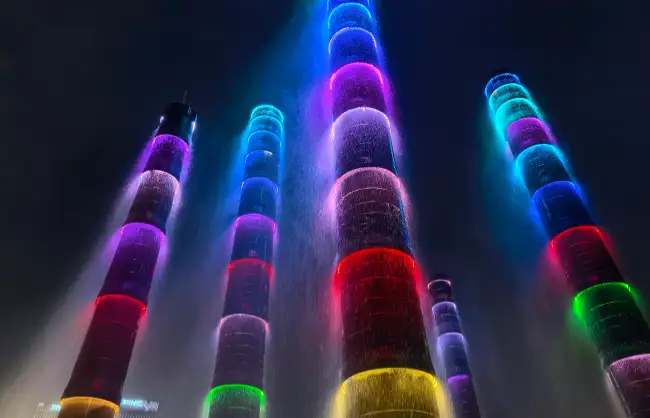
Chengdu’s nightlife is relaxed yet full of energy. While visitors can enjoy a diverse bar culture and food scene, Chengdu’s night also shines over the riverside scenery and the peaceful strolls. Along the Jinjiang and Funan rivers, which have embraced and fed the city for thousands of years, now carry the incredibly lively vibe of areas like Jiuyanqiao – Hejiang Pavilion – Lan Kwai Fong. When night falls, they come alive with bars, live music, and crowds enjoying craft beers or quiet riverside chats.
Streets that bustle with shoppers by day, such as Chunxi Road, will also stay awake in the dark and wait to be transformed into neon-lit hubs with bars, pop-up street performances, and night stalls. Kuanzhai Alley and nearby side streets will also be lit up, but in a more traditional way. They mix historic charm with vibrant night eats and occasional Sichuan Opera snippets or traditional percussion shows. Wangjiang Pavilion creates a slower-paced night. Its riverside paths offer lantern-lit walks, reflections of the trees, buildings and people will together dancing on the water.
Sichuan Food Is One of the Most Popular in China
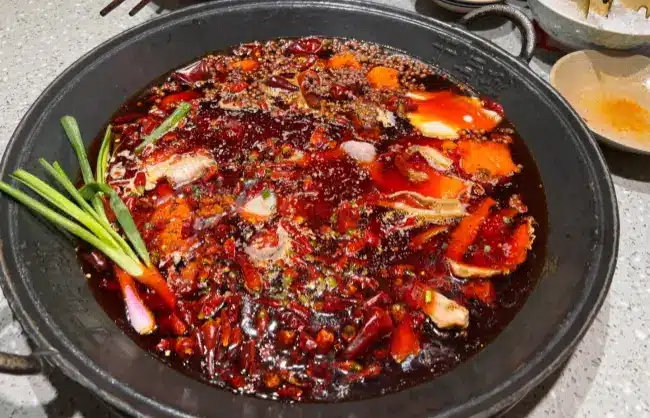
Sichuan’s legendary taste has been known by people all over the world. Chengdu is regarded as the best place to taste authentic Sichuan cuisine and visitors can taste a variety of flavors. There’s fiery, numbing mala hot pot and also some dishes balancing sweet, sour, and savory notes. Signature dishes include Sichuan hot pot, mapo tofu, kung pao chicken and street snacks such as dan dan noodles, spicy wontons, crispy fried skewers, and savory jianbing crepes.
And remember that eating in Chengdu is more than just a meal, it’s more of a social and cultural ritual. Especially when gathering around steaming hot pots, people no longer only focus on the spicy state, but more on chatting and laughing with their important ones. From humble eateries to modern restaurants, Chengdu’s food provides the easiest and maybe the most diverse way to explore the soul of the city. While every bite becomes a memory and every meal becomes a shared celebration, visitors will all get to touch the warm heart of Chengdu.
Chengdu Offers Easy Access to Leshan Giant Buddha, Mt. Emei, Jiuzhaigou, etc.
Chengdu is surrounded by some of China’s most impressive landmarks, such as Qingcheng mountain, Dujiangyan, Tiantai mountain and more.
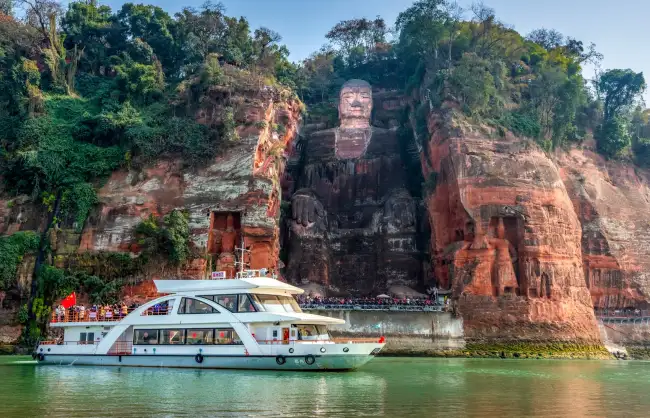
The Leshan Giant Buddha is one of the most popular day-trip destinations from Chengdu. It is only about 140 km from Chengdu, so you can reach there by high-speed train in roughly 1hour and about 2 hours by road. Boasting the world’s largest stone-carved Buddha, it has been overlooking the Min River’s rolling water for hundreds of years.
Nearby Leshan Giant Buddha, Mount Emei, one of China’s Four Sacred Buddhist Mountains, is another popular day trip option from Chengdu. About 200km from Chengdu, visitors can reach there by high-speed train or bus easily. Usually, most people choose to combine the Leshan Giant Buddha and Mount Emei in one trip. Standing over 3,000 m high, the mountain attracts visitors with its secnic hiking route, and many ancient temples.
For natural beauty lovers, making a trip to the breathtaking Jiuzhaigou from Chengdu is also easy, taking only about 2 hours by high-speed train. Here you will immerse yoursefl in turquoise lakes and colorful forests, which make Jiuzhaigou one of the most beautiful places in China.
Recommended tour

An 8-day Sichuan tour visiting Jiuzhaigou's colorful lakes, Huanglong's travertine pools, the Leshan Giant Buddha and sacred Mount Emei.
Chengdu Is Home to Many Excellent Museums
The profound history and rich cultural heritage also endowed Chengdu with many museums of different themes. They offer experiences that appeal to history lovers, art fans, and curious travelers alike.
Among all, the Chengdu Museum is the largest comprehensive museum, which has nearly 200,000 artifacts. It is where you can form a full understanding of Chengdu from prehistoric times to the modern era.
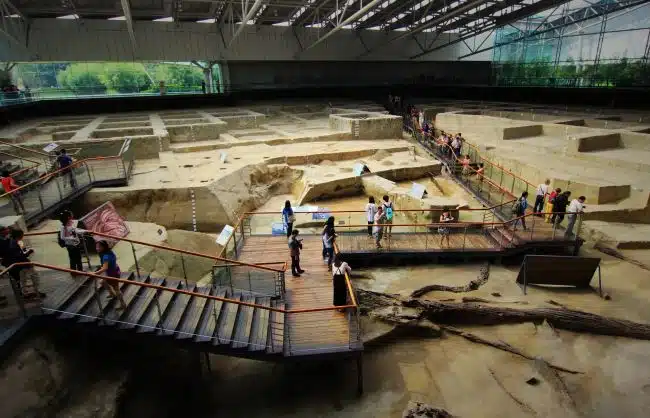
The Jinsha Site Museum is another must-visit, and it showcases relics from the ancient Shu Kingdom. The iconic golden Sun Bird is its highlight and also a symbol of Chengdu’s heritage.
The Sanxingdui Museum is just outside the city, it presents astonishing bronze, jade, and gold artifacts from a mysterious civilization that reshaped understanding of early Chinese history.
If you are interested in Sichuan cuisine, don’t miss the Sichuan Cuisine Museum (Chuançais Museum). You can even have a chance to join a cooking class to learn to make authentic Sichuan dishes by yourself.
Chengdu’s Surroundings Are Dotted with Beautiful Ancient Towns
Chengdu is also surrounded by many picturesque ancient towns. Each ancient town has a unique landscape and history, bringing different experiences to tourists.
Huanglongxi Ancient Town is one of the most representative. This thousand-year-old water town has rivers flowing through time and flowing in every corner of this place. There are many stories hidden under the wooden bridge and stone lanes; ancient temples and canals still express the ancient charm of Sichuan.
Luodai Ancient Town would be a quite special one. It is a living Hakka settlement east of Chengdu. It preserves traditional Hakka architecture and customs, with clusters of ancestral halls and local life that vividly showcase a unique cultural heritage.
Jiezi Ancient town sits on the bank of the Wei River. Strolling in it can feel like walking in an ink painting. Anren Ancient Town is known as the “Sichuan Mansion Kingdom” and is famous for its well-preserved mansions and boutique museums. Huaiyuan Ancient Town is the least tourism-oriented among all the mentioned towns.
Recommended Tour

Watch adorable giant pandas at Chengdu's breeding base, experience local life in People's Park, then explore the Hakka architecture of Luodai Ancient Town.
Chengdu Is a Great Starting Point for Exploring Tibetan Lands
Chengdu is located on the eastern edge of the Qinghai-Tibet Plateau, with convenient transportation. It is one of the most popular gateway cities to the Qinghai-Tibet Plateau and surrounding highlands. From Chengdu, tourists can take a direct flight to Lhasa or Linzhi, Tibet. The flight time is about 2-2.5 hours.
The Mild Climate Makes Chengdu Good to Visit All Year Round
Chengdu is located in the western part of the Sichuan Basin, and this location gives it a mild subtropical climate. Seasons are clearly divided here, early springs, hot summers, cool autumns, and warm winters, these are the general characteristics of Chengdu’s weather. So it’s comfortable to visit Chengdu year-round, sightseeings and outdoor activities can always run smoothly.
Chengdu Brims with Culture and Everyday Charm
Chengdu’s charm lies in the way culture and daily life flow together naturally. In the city, history doesn’t feel distant, it lives alongside ordinary routines, or some people even feel that it’s floating in people’s bodies. The old days and modern life can coexist in the same streets. And not just elders will spend a day in an open-air teahouse in People’s Park, so do the younger generations. Culture, history, and even daily routines are all passed through generations.
The laughter and chatter in local dialects and the scent of street snacks drifting through the alleys, these things never disappear in this city, and they are becoming more and more attractive. All these moments combine into a living picture of Chengdu’s everyday beauty, where art isn’t confined to galleries but happens in the streets, over cups of tea, and in casual conversations.
At the same time, Chengdu’s modern creative scene adds a fresh layer to its cultural vibe. Art districts like Dongjiao Memory, which is built from old industrial buildings, allow people to wander through memories or old Chengdu while embracing the coming future. And these are what truly shape Chengdu’s distinctive spirit. It is both grounded and forward-looking, where every corner pulses with culture and creativity.
Plan Your Chengdu Tour with China Xian Tour
Chengdu is a charming and vibrant city. Every year the town would countless people coming for pandas, foods, culture and historic heritage or simply seeking for an escape from the bustling life. It’s leisure vibe slows time down and makes every visitor’s stay relaxing and fulfilling. And to plan a best Chengdu tour, you can contact China Xian Tour for the most professional help. We offer all travel services you would expect, including customized itineraries, private guide and transfers. We’ll take you to fully explore Chengdu’s hidden highlights and try all the best flavors.