

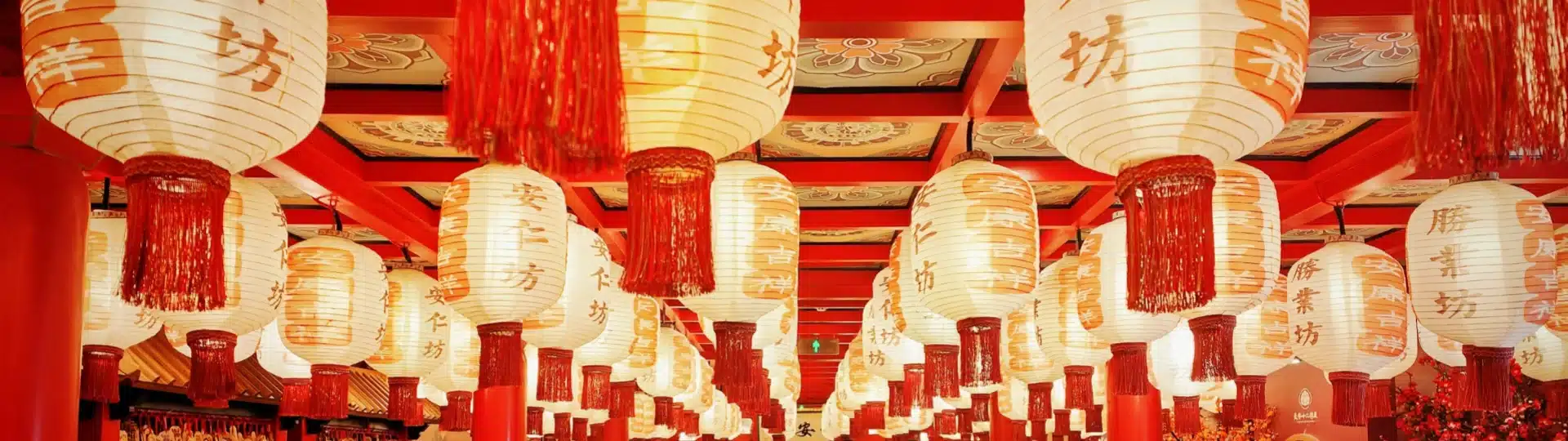
The Tang Dynasty was considered the zenith of China’s feudal society. The prosperous economy and blooming culture ushered in a “golden age” in ancient Chinese history, especially the Heyday of the Zhenguan Reign. Its profound culture was not only a dazzling star in Chinese history, but also scattered its light on other Asian countries like Korea, Japan, and Vietnam.
The major achievements featuring poetry, literature, and arts were like radiant gems of traditional Chinese culture. Additionally, the Silk Road connected the world with the legendary Metropolis— Chang’an and facilitated international trade.
This article will provide an overview of the Tang dynasty, including its rise and fall, the key emperors and events, the major achievements and legacies, and recommended travel destinations for experiencing Tang culture. It is a comprehensive guide for history enthusiasts and travelers to gain a deeper understanding of this golden era.
Content Preview
- Tang Dynasty Basic Facts
- The Rise, Rule, and Fall of the Tang Dynasty
- Key Tang Emperors and Their Major Milestones
- Tang Dynasty Achievements: Why It Was a “Golden Age”
- Tang Dynasty Clothing, Fashion & Beauty
- Experience the Tang Dynasty in Contemporary China: Where to Go
- Experience Tang Legacies in Modern Culture
- Tang Dynasty Fun Facts
- Tang Dynasty VS Song Dynasty
- Travel Back to the Tang Dynasty With China Xian Tour
Tang Dynasty Basic Facts
Chinese name: 唐朝
Capital: Chang’an (the current Xi’an)
Time Period: 618-907
Founder: Tang Gao Zu (Li Yuan)
Famous Emperors: Tang Tai Zong (Li Shi Min), Wu Zetian, Tang Xuan Zong (Li Long Ji)
- Tang dynasty experienced two important golden eras: the Zhenguan Reign (627-649)ruled by Tang Tai Zong and the Kaiyuan Heyday (713-741) led by Tang Xuan Zong.
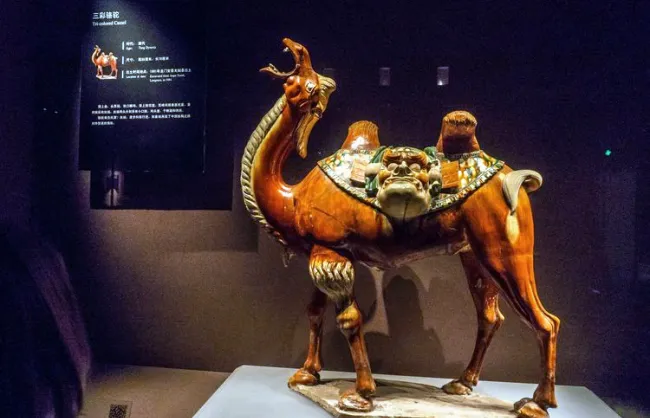
- The ceramic industry flourished in the Tang dynasty. The most popular ones were celadon of the Yue Kiln, white porcelain of the Xing Kiln,tri-colored glazed ceramics.
- Poems became useful carriers to express people’s sensation in the Tang dynasty. Works of renowned poets like Li Bai, Du Fu, and Bai Juyi became important cultural symbols for the research of the social reality.
The Rise, Rule, and Fall of the Tang Dynasty
Founding and Expansion: The “Collaboration” Between Father and Son
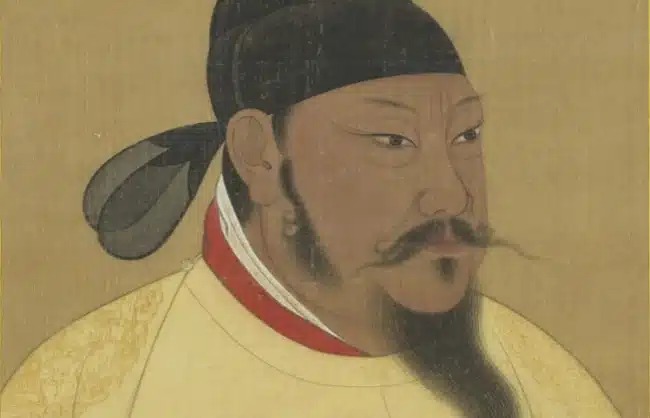
The dynasty before the Tang was the Sui. Due to the tyranny of Emperor Yang, pervasive peasant uprisings broke out, and civilians suffered the chaos. In 617, Li Yuan, the governor of Taiyuan, launched a rebellion in which the major Sui forces were eliminated and the capital city Daxing (later renamed as “Chang’an”) was captured.
On June 18th, 618, Li Yuan forced Emperor Yang to commit suicide and established the Tang dynasty at Chang’an. Li Yuan was then known as the Tang Gao Zu.
From 619 to 623, Li Yuan’s second son, Li Shi Min, repressed three large-scale revolts against the Tang and unified the Central Plains, which laid a solid foundation for the golden era.
Emperor Wu Zetian’s Impact on Tang China
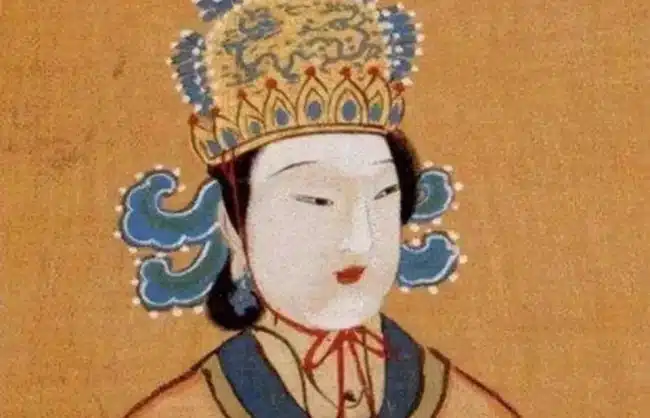
Wu Zetian, the first and only female emperor in Chinese history, made great contributions to the Tang Dynasty’s development.
Firstly, Wu Zetian led a reform in the Imperial Examination. The emperor supervised the exams in person, and talents could apply for a position by self-recommendation. It removed the barrier for the non-noble people to serve the imperial court and make full use of their capabilities.
Then, Wu Zetian encouraged agriculture and sericulture and reduced the burdens of taxation and forced labour on the populace. The total population doubled in 53 years. Meanwhile, the construction of canals and docks pushed forward the prosperity of commerce and manufacturing.
Wu Zetian’s military achievements were also prominent: her troops retrieved four towns of Anxi occupied by the Tubo people, established two prefectures, and reinforced the northwestern border. The conciliatory policies secured the submission of ethnic minority tribes.
Last but not least, Wu Zetian made an effort to promote women’s social status. Above all, she ended men’s monopoly on the throne. Female officials like Shangguan Wan’er were appointed for crucial administrative tasks, like drafting the edicts. It was a manifestation of mighty female power and inspired women to fight for equal rights as men’s.
The Turning Point and Tang’s Decline: The An Lushan Rebellion
During the Kaiyuan period, Li Linfu managed to consolidate his position as the chancellor by promoting non-Han generals. Consequently, An Lushan became military governor of Pinglu, Fanyang, and Hedong, and led an army of 150,000 soldiers.
From 755 to 763, An Lushan and Shi Siming launched a rebellion against the Tang dynasty. It was a civil war among the Tang elites over the control of the empire.
An and Shi’s Rebellion, along with the political corruption and warfare brought about by the expansion of eunuch power were inflicted on the masses. The turmoil undermined Tang’s national strength and order, and resulted in the collapse of the Tang.
Eventually, this grand empire was terminated in 907 when Zhu Wen deposed Emperor Ai of Tang. A turbulent era–The Five Dynasties and Ten Kingdoms began.
Key Tang Emperors and Their Major Milestones
There were 21 emperors during the Tang dynasty; the seven emperors below stood out for their extraordinary achievements:
Time |
Emperor |
Event |
618 |
Tang Gao Zu (Li Yuan) r.618-626 |
established the Tang dynasty; implemented reforms in land, taxation and currency |
626-649 |
Tang Tai Zong (Li Shi Min) |
ushered in the Zhenguan Reign; appointed talents like Fang Xuanling and Du Ruhui as imperial officials; encouraged officials to offer advice; internally strengthened the connections between Han and other ethnic minorities while externally befriended neighboring countries; expelled foreign invaders and reinforced the northwestern border; implemented the equal-field system to support agricultural production; simplified government institutions and reformed the system of “Three Provinces and Six Ministries” |
649-683 |
Tang Gao Zong (Li Zhi) |
retrieved the western regions and expanded the Tang territory |
683-684; 705-710 |
Tang Zhong Zong (Li Xian) |
reduced peasants’ taxes; implemented policies to promote commerce |
690-705 |
We Zetian |
reformed the Imperial Examination System; removed barriers of official selections; conquered the region occupied by Tubo and reinforced the northwestern border; promoted agriculture and cultural development |
712-756 |
Tang Xuan Zong (Li Long Ji) |
cultivated the Heyday of Kaiyuan; employed talents and improved the bureaucratic system; replace the imperial army system with a mercenary system to ensure adequate garrison forces along the northern border; retrieved the northern territory and the control over the Silk Road; befriended 70 tributary countries; promoted international trade via the Silk Road; created an inclusive environment for localized Buddhism |
756-762 |
Tang Su Zong (Li Heng) |
repressed the An and Shi’s Rebellion; enhanced centralization of imperial power; applied economic reforms; promoted agriculture; supported Confucianism, Taoism and Buddhism |
Tang Dynasty Achievements: Why It Was a “Golden Age”
Evolving Administrative System
Tang’s administrative system underwent four phases of evolution, conforming to the changes in its national power, but the main characteristic was the intensified centralization of imperial power.
Li Yuan, as the previous Sui official, passed down Sui’s “Three Provinces and Six Ministries” in the Tang imperial court. The Three Provinces respectively assumed the functions of decision-making, deliberation, and implementation, while the Six ministries attended to specific administrative tasks, such as household registration, justice, and labour.
Meanwhile, the institution of the Military Governor was applied in important cities and border areas to strengthen the emperor’s control over local military and administrative affairs simultaneously. Unfortunately, An Lushan took advantage of this institution and became a local warlord.
Unique Law: A Mixture of Rites and Punishment
The major judicial institutions of the Tang dynasty – the Ministry of Justice, the Ministry of Punishment, and the Censorate – were confined within a framework of a separation of powers.
The law followed the principle of rites, applying leniency to minor offenses while imposing severe punishments for felonies that violated moral norms, such as filial piety, loyalty, and chastity. Nevertheless, with the consideration of humanitarianism, it replaced the Qin dynasty’s cruel torture, such as facial tattooing and foot amputation, with five types of punishments centred on flogging and exile.
Noticeably, the Tang law demonstrated impressive flexibility in ethnic and foreign relations by permitting ethnic minorities to retain their customary laws. What’s more, the law tried to deal with gender biases and uphold women’s rights in marriage.
Take a one-hour high-speed train from Beijing to Hetou Old Street for Tang Dynasty culture, Hanfu costume experiences, traditional opera, and authentic Tangshan street food.
The Prosperity of Different Sectors in the Economy
Agriculture was the backbone of the Tang economy. The yields soared because of the development of tools like curved plows and irrigation facilities like water wheels and bucket wheels, along with the improvement in water conservancy projects like the Yuliang Canal and Jiangyan Lake.
After the Rebellion, the economic centre moved southwards. The Jianghuai area became the main grain-producing region through land reclamation and rice cultivation. Sugar production, tea plantation, and trade also experienced rapid development. And the tea tax contributed to the national revenue.
Land and property became the major criteria for taxation after the introduction of the Two-Tax System. The system expanded the tax base and reduced the burden on peasants.
Manufacturing also played an important role in the Tang economy. Textile, ceramics, papermaking, and shipbuilding flourished– for example, silk textiles absorbed Persian styles while ceramics like the Tang tri-color ware and secret-color porcelain presented excellent glazing techniques.
The issue of Kaoyuan Tongbao served as a revolution in the monetary system. It further stimulated commercial exchanges and boosted the economy.
Technology: Tang People Could Use Firearms and Print Fictions!
Among all the achievements in technology, the most outstanding ones were: paper, gunpowder, and printing.
The Artisans in the Tang dynasty selected materials, such as mulberry bark, hemp, and bamboo, and produced high-quality paper through twenty meticulous processes, including soaking, pounding, and filtering. The paper-making technology spread to Europe via the Arab world and replaced the European parchment’s role in knowledge dissemination.
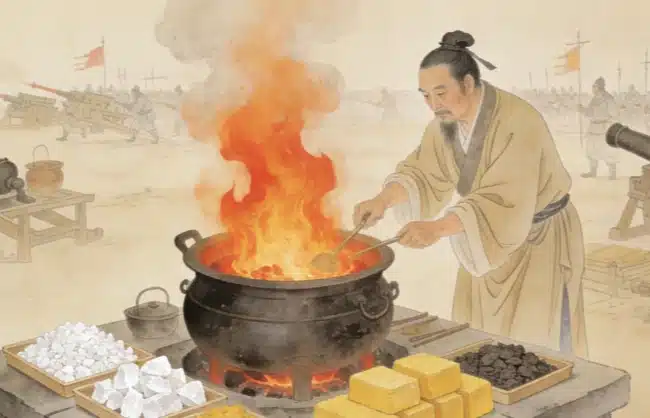
Concurrently, the Tang alchemists produced an early form of gunpowder by blending saltpeter, sulfur, and charcoal in a precise ratio. The gunpowder was initially used for fireworks, but later adopted in the production of “thunder cannons” and “fire arrows”, which changed the nature of warfare.
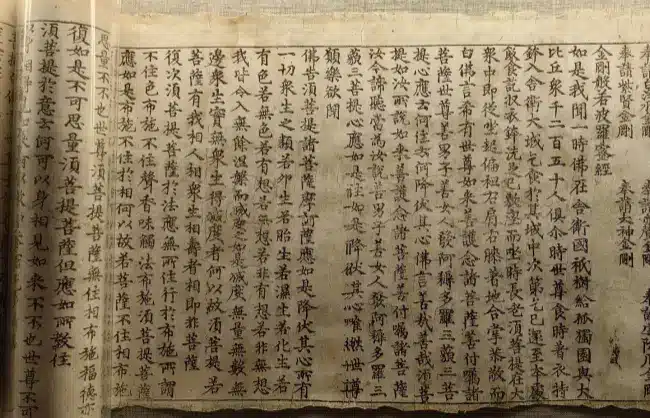
Movable type printing also emerged in the late Tang Dynasty. It replaced solid carved blocks with reusable clay characters and significantly boosted printing efficiency with lower costs. The earliest extant printed edition of the Diamond Sutra showed the mature printing techniques of that time.
Military & Expansion: Protecting the Tang Empire from Foreign Invasion
To safeguard national security, the Tang Dynasty resorted to proactive military defense and expansion measures against the foreign tribes along the borders. Tang introduced a flexible system of divided operations and reorganization of its military structure, which was embodied in the two campaigns against the Tibetans during Tai Zong’s reign.
Culture & Arts: The Rhythm of Poems and the Glaze of Ceramics
During the Tang dynasty, countless renowned poets from various Schools composed over 50, 000 poems. For example, Wang Wei specialized in pastoral and landscape depiction, Gao Shi kept track of his life in the army, and Li Bai enjoyed a carefree time on the journey, with his good companion–wine.
Influenced by folk songs and the Yuefu Poetry, Tang poetry featured exquisite musicality and profound imagery. Regulated verse and quatrain also underwent rapid development.
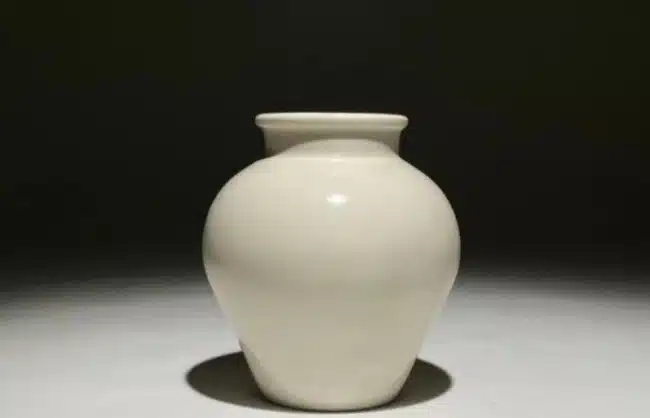
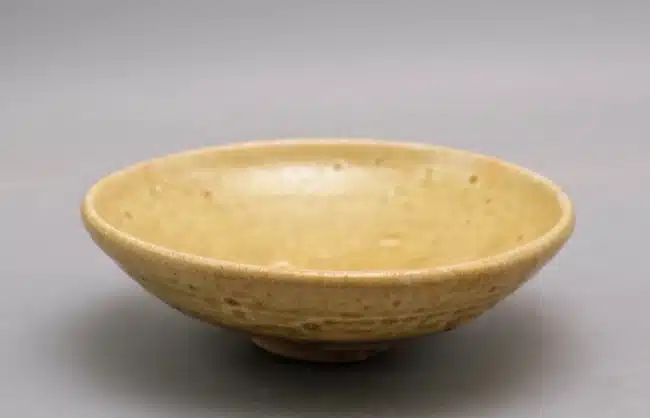
Tang’s remarkable accomplishments in ceramics were represented by the “blue-glazed wares of the south” and “white-glazed wares of the north”. The celadon glazes from the Southern Yue Kiln shimmer like emerald green peaks, and the porcelain bodies were praised as “jade-like” and “ice-like”. The white porcelain from the Northern Xing Kiln, however, was lustrous and pure like silver and snow.
The Changsha Kiln pioneered the underglaze painting technique, which integrated poetry, calligraphy, and painting into the decoration. Additionally, applying Persian cobalt pigments to tri-color glazed ceramics became a model of artistic fusion between Chinese and foreign cultures.
The Cultural Significance of Tang Dynasty Architecture
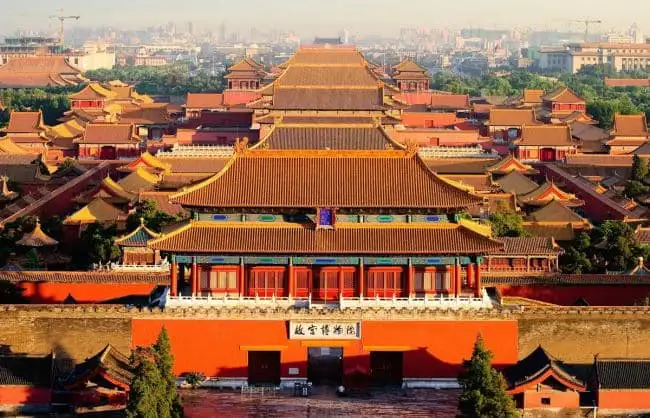
Tang architecture was known for its symmetrical layout, expansive timber-frame structure, and mature techniques. It was a monumental blueprint in the history of Chinese architecture. The splendid Daming Imperial Palace, for instance, stood on the south-north axis, which conformed to the Confucian order and rites.
Wooden structures like the East Hall of Foguang Temple in Shanxi displayed their magnificence with their beam-and-post framework, massive bracket sets, and deep eaves. Equally prominent were the brick and stone structures, like the Big Wild Goose Pagoda and Zhaozhou Bridge.
Tang architecture also embodied cultural diversity and integration. Temple architecture incorporated mandala layouts, while foreign religious structures absorbed Chinese-style decoration. Decorative paintings drew inspiration from Western culture, and glazed tiles were put into use.
As a result, Tang architecture significantly influenced Japan. Tōdai-ji Temple in Nara (completed in 756) is a typical example of Tang-style architecture. Its layout and the Buddhist sculptures within it both imitate the style of the Longmen Grottoes from the Tang Dynasty.
Colourful Religion & Philosophy
To begin with, extensive translations of Buddhist scriptures and the construction of monasteries facilitated the widespread adoption of Buddhism. Local Buddhist schools, such as Chan, gradually formed their profound influence. At the same time, Taoism developed a comprehensive interpretation of immortals and cultivation theories.
Moreover, foreign religions like Islam and Christianity entered China via the Silk Road and diversified the local religions in the Tang empire.
Under the influence of the blooming religious culture, the dominant Confucianism began to incorporate Buddhist and Taoist thoughts into its new perspectives. For example, Buddhist Confucian scholars promoted “seeing the nature of one’s mind and the cosmos,” while Taoist Confucian philosophy emphasized the harmony between heaven and humanity.
The radiance of Tang’s prosperous Buddhism also illuminated its neighbour, Japan. In 753, after six painstaking trials, the eminent monk Jianzhen finally reached Japan to expound Buddhist doctrines and disseminate Chinese culture. Jianzhen’s efforts made a great contribution to the development of Japanese Buddhism, medicine, architecture, and sculpture.
Silk Road Leading the Tang Empire to the Global Stage
The Tang dynasty marked the pinnacle of commercial and cultural exchanges on the Silk Road. The Silk Road cultivated a trade system based on exporting silk, porcelain, tea, and importing bulk luxuries. The foreign merchant districts, such as the Persian Quarter and the Abbasid Quarter, were where Byzantine glassware, Persian spices, and jade from Khotan traded Chinese silk, paper, and lacquerware.
Interestingly, Sassanian silver coins and Kaiyuan Tongbao coins were both used as currency in the western regions. Sogdian merchants even created the “flying money” credit notes.
The Silk Road also served as a bridge for the exchange of cultures and arts. Merchant caravans introduced Nestorianism and Manichaeism, while monks like Xuanzang and Yijing facilitated the exchange of Buddhism. Sogdians, as vital cultural intermediaries, brought Hu Whirl Dance and Music Khwarezm to Chang’an.
Tang Dynasty Clothing, Fashion & Beauty
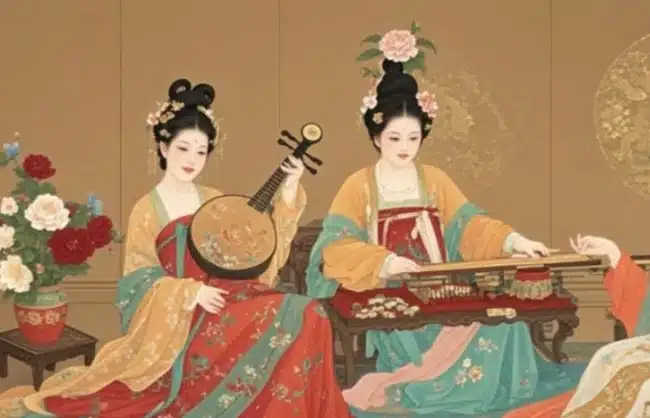
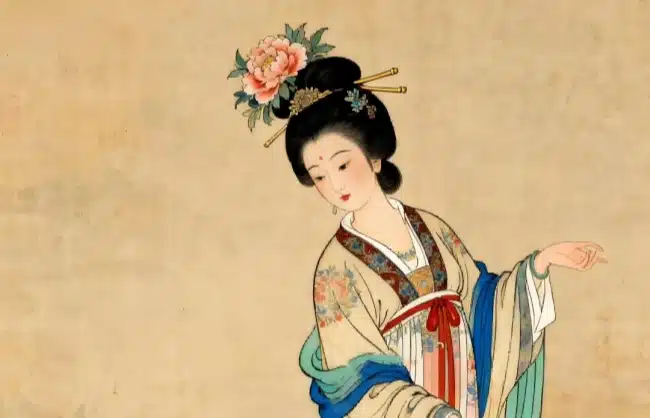
“OOTD” in the Tang Dynasty
Tang Dynasty clothing blended traditional Han Chinese styles with characteristics of Western Region nomadic culture. Men commonly wore round-necked, narrow-sleeved robes paired with a soft cloth headdress known as a “bituo”. The bituo gradually developed a rigid inner lining and evolved into various styles, such as the flat-top small cap and the “English king’s” cap.
Women’s clothing had more elaborate forms, for example, a short tunic (ru) paired with a long gown, and topped with a draped shawl. The garments featured vibrant colors and fabrics adorned with embroidered floral patterns. Fashionable designs like Low necklines and high waists indicated the openness of the social trends.
Collared robes derived from Hu clothing and loose-fitting trousers (hakama), which blended functions and fashion, were quite popular in daily life.
In addition, colours denote social status in the Tang dynasty. For instance, purple and red were reserved exclusively for high-ranking officials and nobility. Formal attire kept the tradition of solemn and elegant wide-sleeved robes, while casual garments prioritized practicality.
Auspicious motifs like floral arrangements, birds, and mythical beasts made in embroidery and jacquard weaving techniques were widely crafted on luxurious fabrics like brocade and silk satin.
Hairstyles & Makeup Changing with Time
The hairstyles and makeup of women in the Tang dynasty were exquisite and embedded with the characteristics of their time. In the early Tang dynasty, women wore simple cloud buns or half-up buns, with plain “white makeup”. By the peak of the Tang dynasty, women’s makeup became bright and intricate.
There was a seven-step process: first, applying lead powder for a fair skin; second, applying thick rouge to accentuate a good complexion; third, drawing eyebrows in their preferred shapes (willow-leaf, broad brow, etc.); next, drawing floral patterns and dimples on their foreheads and cheeks; then, applying crescent-shaped blush at the temples; finally, applying lipsticks to create “cherry” lips.
The popularity of floral hairpins and diagonal rouge, along with foreign-influenced hairstyles such as the Uyghur bun and Wuman bun, reflected the cultural influences brought by the Silk Road.
Experience the Tang Dynasty in Contemporary China: Where to Go
Xi’an- The Previous Tang Capital City
Xi’an used to be the capital city of 13 ancient Chinese dynasties, including the Tang dynasty. Although the prosperous Tang has long gone, Xi’an preserves many relics of its golden era, when it was the legendary Chang’an.
The Shaanxi History Museum displayed precious Tang antiques, such as gold and silver artifacts unearthed from the Hejia Village, and the “Envoy’s Journey” mural from the tomb of Prince Zhanghuai. From September 2025, the Museum launched a project called “Beyond the Mural: Echoes of the Tang Dynasty”, in which tourists can have an immersive VR tour of Tang daily life scenes and “interact with” famous Tang celebrities.
As the Tang capital city, the Daming Palace National Heritage Park vividly recreates the grandeur of the Tang imperial palace. Standing atop the massive platforms of the Hanyuan Hall and Linde Hall, tourists may feel the splendour of “Heaven’s gates swing wide to reveal the palace, while nations from afar pay homage in ceremonial robes”.

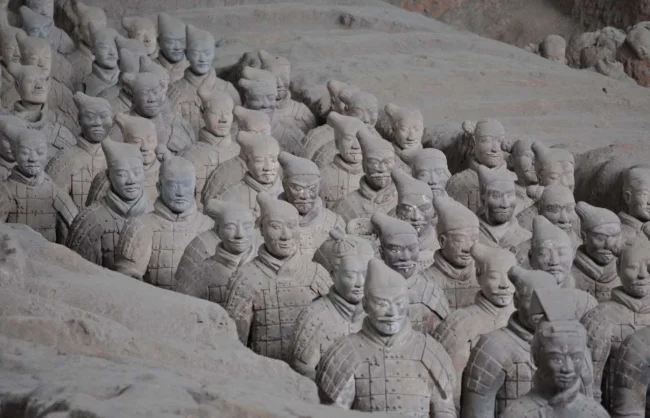
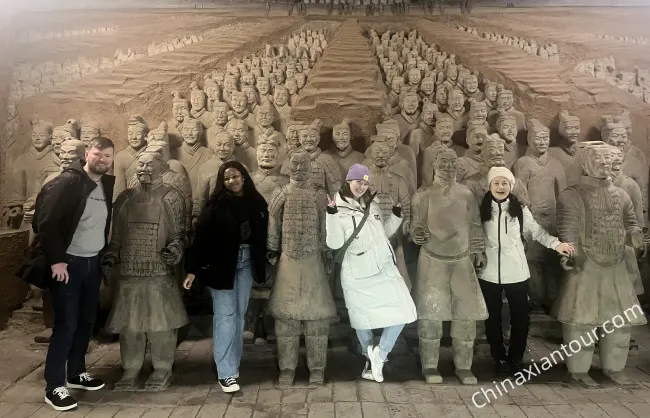
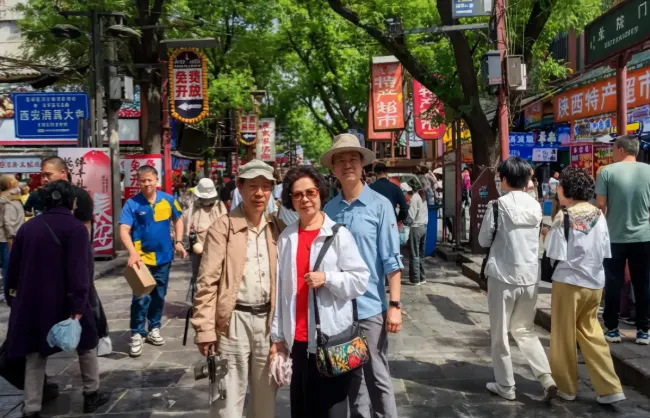
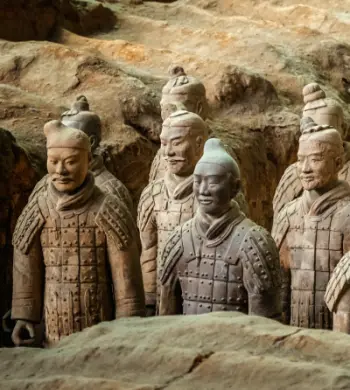
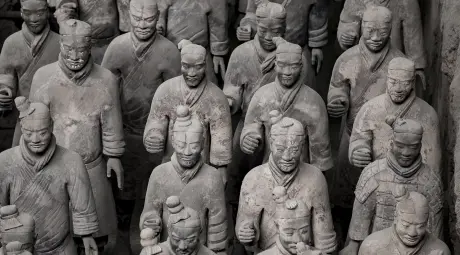
Discover Xi'an's imperial past at the Terracotta Warriors Museum, dress in Tang dynasty costumes for photography, and explore the city's ancient streets and landmarks.
Luoyang
After Emperor Gaozong Li Zhi designated Luoyang as the Eastern Capital in 657 AD, Luoyang served as the capital of the Tang Empire for about 26 years, holding similar significance with Chang’an.
The Sui-Tang Luoyang City was built in 605 and continued to be used for 530 years by three dynasties, including the Tang. It not only showed the mighty national strength of the unstoppable Tang empire, but also became a model for ancient capitals with its meticulous layout and advanced planning concept.
Besides the Sui-Tang Luoyang City, Luoyang was also left many other Tang legacies and heritages, including the Longmen Grottoes, White Horse Temple, etc.
A 2-day Luoyang layover tour from Xian to Beijing by bullet train, visiting Shaolin Temple, the birthplace of Kung Fu, and awe-inspiring Longmen Grottoes Buddhist art.
Gansu- Mogao Caves
The Dunhuang Mogao Caves were essential cultural symbols in terms of Chinese mural paintings. And 236 of the extant 735 caves were carved during the Tang dynasty. The mural paintings vividly depict grand scenes of the magnificence of the Tang.
Well-lit Buddhist Temples, intertwined Chang’an streets… Celestial nymphs with flowing robes are dancing to the melodies of pipa and bìlì flutes; Incense smoke curls gently from burners, while ornate canopies cluster like clouds… caravans passing endlessly, and the vigorous rhythms of the Hu Whirl dance echoing in tourists’ imagination of the Tang golden era.
A 35.5-meter Buddha sits within one of the caves. The intricate dragon patterns along the hem of its robe are exquisitely detailed, while its countenance radiates solemn benevolence. It was believed to be a sculpture of Wu Zetian, which took 12 years to complete.
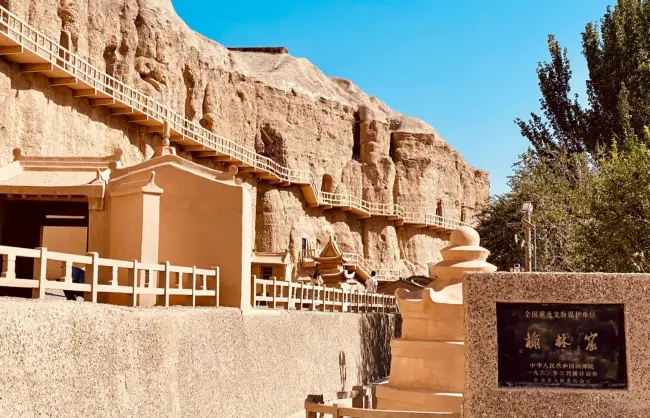
Venture beyond Mogao to discover Yulin Grottoes' Northern Wei murals, ancient Suoyang City ruins, and golden Echo Sand Mountain dunes.
Experience Tang Legacies in Modern Culture
If history books are too dry and tedious for you, here are three TV series you might find useful for learning the history of the Tang dynasty:
- Zhenguan Reign (贞观之治 zhēn guān zhī zhì)
This series introduces the governance of Tang Tai Zong, who ushered in one of the golden ages – the Zhenguan Reign in the Tang dynasty.
- Wu Zetian[1995 version] (武则天 1995版)
This series, as its name indicates, narrates the life story of the female emperor, Wu Zetian, from her entry into the palace to her rise to power. It portrays the political struggles and strategies during the reign of Gao Zong.
- MingEmperor of Tang (唐明皇 táng míng huáng)
This series depicts how Tang Xuan Zong established the Heyday of Kaiyuan and then experienced the Rebellion. It also includes stories of other emperors like Zhong Zong and Rui Zong.
The history of the Tang dynasty was also adapted into creative works by other Asian countries. For example, South Korea has produced films and TV series like The Great Jo-yeong and Pyongyang Fortress, which center on the wars between the Tang Empire and the states on the Korean Peninsula. While their historical accuracy remains questionable, they sufficiently demonstrate the heated attention paid to the Tang Dynasty.
Also, the famous Japanese manga, Dragon Ball, is based on the Chinese novel, Journey to the West, a legendary tale of a Tang dynasty monk, Xuanzang, who traveled to India for authentic Buddhist scriptures.
What’s more, in Vietnam, the story of Wu Zetian has become a hit comedy and gained great popularity in its localized form.
Tang Dynasty Fun Facts
- The aesthetic standards of appearance were slightly different from ours nowadays: a plump and sinewy body was considered the most attractive. This pursuit of “health beauty” was decided by the thriving economy and abundant food supply.
- Tang did not end immediately after An and Lu’s Rebellion was appeased. Instead, it lasted over another hundred years.
- Thefirst naval battle between China and Japan happened in the Tang dynasty, at Baekgang Port (the current Geum River estuary in South Korea). Although outnumbered, the Tang forces achieved a decisive victory over the Japanese invaders. In the 900 years after the battle, Japan continued to learn Chinese culture.
- “Divorce by Legal Grounds” was one of the divorce systems in the Tang Dynasty. If a legally specified behaviour occurred between spouses or their relatives—such as assault, murder, or adultery—the couple was required to divorce.
- The numberof public holidays in the Tang dynasty exceeded that of any other dynasty in Chinese history– 47 days in a year!
Tang Dynasty VS Song Dynasty
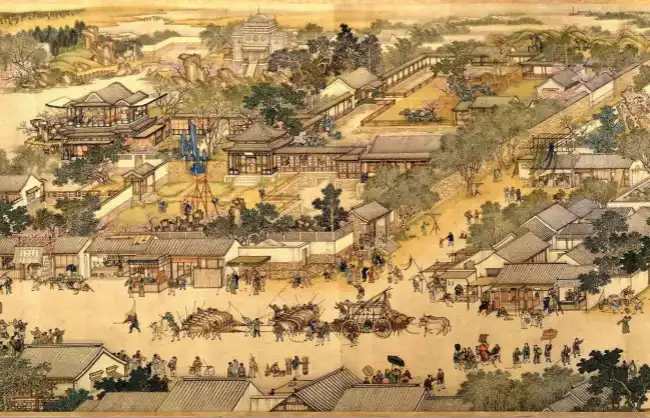
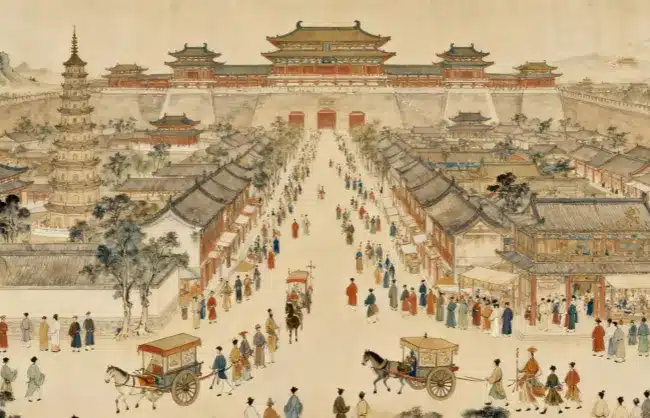
Tang and Song are both pivotal periods of political, economic, and cultural development in ancient Chinese history. They both had their heydays and collapsed tragically. Let us do a comparison in the following four aspects:
Tang Dynasty |
Song Dynasty |
|
Politics |
centralized authority and strict hierarchical imperial system |
separation of administrative power; local officials maintained their exclusive authorities |
Economy |
balanced development of agriculture, commerce and manufacturing |
rapid growth of commerce and manufacturing benefited from the issue of paper money jiaozi and the boost in market economy |
Culture |
poetry, literature, and scientific research flourished |
outstanding proses, calligraphy and painting techniques |
Diplomacy |
frequent international exchanges via the Silk Road; extensive military expansions along the borders |
under the threats of Liao and Jin regimes; focused on internal affairs |
Travel Back to the Tang Dynasty With China Xian Tour
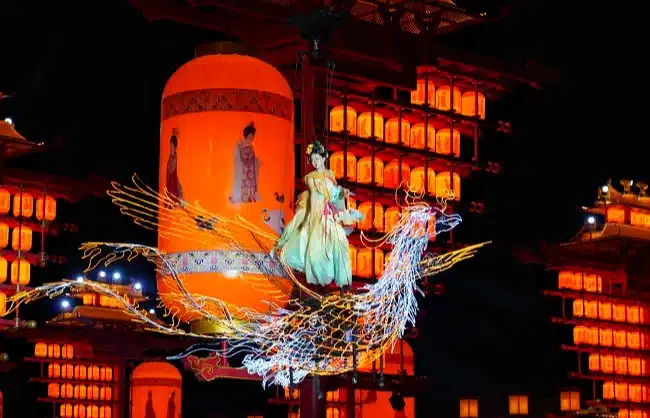
The Tang dynasty relics – poetry, murals, architecture, and so on – remain invaluable treasures. Its unprecedented splendour continues to inspire boundless imagination and nostalgia. Tang-themed attractions like the Grand Tang Mall (Datang Everbright City) keep drawing crowds of domestic and international tourists to witness the charm of the Tang Empire.
Join China Xian Tour for a tour of the magnificent Tang dynasty today! Our consultant and guide teams are ready to tailor your personalized travel route at any time! We also offer special China Tour Packages, which contain multiple travel plans and destinations, to make the most of your exploration of Chinese history.