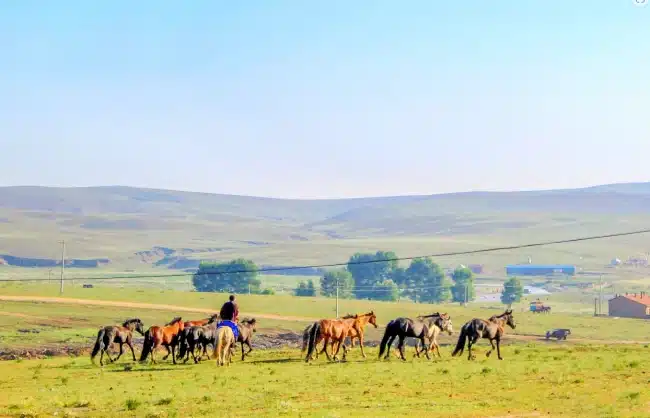
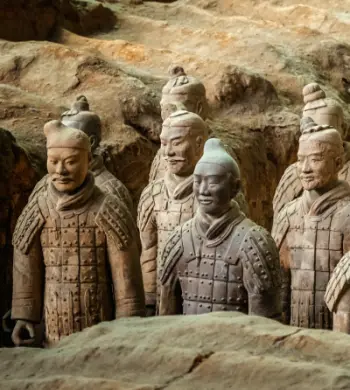
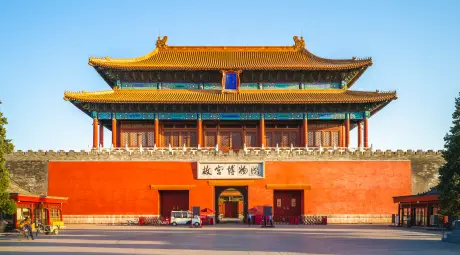

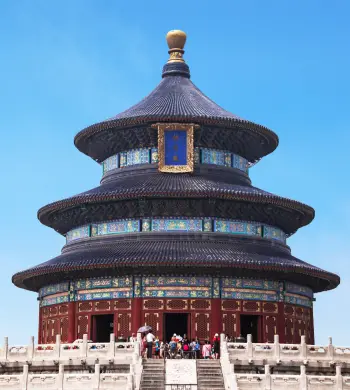

The Yuan Dynasty (1271-1368) is often considered a unique chapter in Chinese history. It was established by a legendary figure, Kublai Khan, the grandson of Genghis Khan. It was the first time that the entire Chinese heartland was not ruled by the Han people but by the Mongols.
The Yuan Dynasty was the khanate of the Great Mongol Empire. People often link it with ambitious governance, heroic stories, and monumental conquest. If you are curious about this great dynasty, the article helps you go through its history, achievements, and arts.
Content Preview
- What Was the Yuan Dynasty?
- Yuan Dynasty History and Timeline
- Yuan Dynasty Achievements and Accomplishments
- Interesting Yuan Dynasty Facts
- FAQs about the Yuan Dynasty
- Experience China’s Historical Masterpieces with China Xian Tour
What Was the Yuan Dynasty?
China sees numerous changes of dynasties in its long history, and the Yuan Chinese Dynasty lasted from 1271 to 1368, rule by the Mongols. Its first emperor Kublai Khan defeated the Song Dynasty and established the Yuan Dynasty.
After centuries fragmentation, this Mongolian leader finally unified China, establishing an interconnected trans-Eurasian empire. This empire witnessed unprecedented cultural and economic exchange.
Yuan Dynasty Time Period
The official time period of the Yuan Chinese Dynasty is 1271-1368, lasting 97 years. The year of 1271 was when Kublai Khan formally declared the name of the dynasty, Yuan and claimed the Mandate of Heaven.
In 1279, Kublai Khan defeated the Southern Song Dynasty. The naval battle of Yamen marked the end of the Song Dynasty and the complete conquest of all China of Mongols.
The later period of the Yuan Dynasty suffered political corruption and powerful officials interfered in politics. What’s worse, the conflicts between the ethnic and class intensified increasingly.
In 1368, Zhu Yuanzhang captured the Yuan capital and established the Ming Dynasty. That marked the end of the Yuan Dynasty.
Who Founded the Yuan Dynasty?
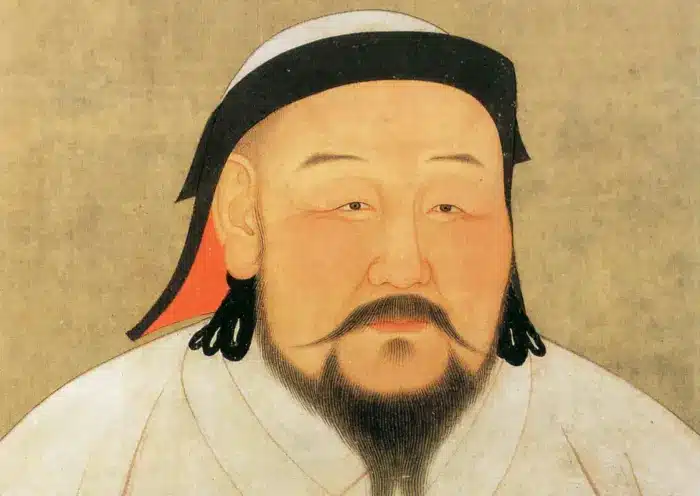
The Yuan Dynasty was founded by Kublai Khan. He was the grandson of Genghis Khan who was the founder of the Mongol Empire. He inherited the part of the empire and conquered the Song Dynasty.
After declaring the Yuan Dynasty, Kublai claimed that he was called by Mandate of Heaven, not the emperors of the Song. During his reign, he rewarded the employed the meritorious officials.
He successfully resisted the invasion of other regions. Although most of them ended in failure, he successively sent troops on the expeditions to Japan and Southeast Asian countries.
Unlike earlier Mongol leaders, Kublai Khan thought highly of Han culture and advocated Confucianism. He established a Chinese style capital city, Dadu (now in Beijing). During his reign, he established many systems including the famous provincial system.
He also strengthened the control over the border areas as well as payed attention to agriculture and schools, recovering the society and economy. Kublai Khan died in 1294 at the age of 80 and was posthumously known as Emperor Shizu of Yuan.
How Long did the Yuan Dynasty Last?
The Yuan Chinese Dynasty officially lasted for 97 years from 1271 to 1368. Compared with other dynasties in China like the Tang and Han, it was a relatively short duration. Why?
- Kublai Khan was a resourceful and gallant emperor. However, after his death, weak emperors ruled the Yuan Dynasty and people then suffered from fierce political infighting and corruption.
- The hyperinflation, caused by overprinting paper money, weakened the economy.
- The major floods of the Yellow River in the 1340s gave rise to the massive famine and social unrest.
- The Mongols imposed ethnic hierarchy. This caused widespread discontent among the Han people, which made up the majority of the population. Eventually, the Red Turban Rebellion burst out, leading to the downfall of the dynasty.
Yuan Dynasty Territory and Expansion
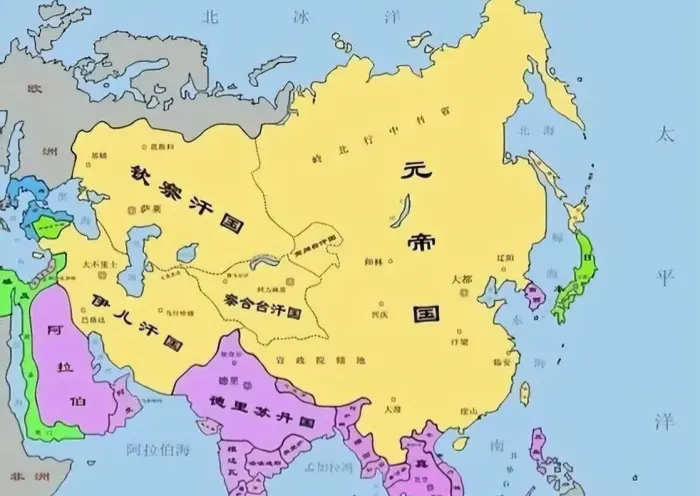
The Yuan Dynasty was located in East Asia, covering an area of over 15 million square kilometers. Its map stretches through the Sea of Japan in the east, the South China Sea in the south, the Tianshan Mountains in the west, and Lake Baikal in the north.
The Yuan ended the situation of division and separation since the end of the Tang Dynasty. It inherited the territory of the Han and Tang dynasties. The difference is that it strengthened the control over the border areas which the Han and Tang dynasties had no real administrative power.
Tibet and Taiwan were ruled under China for the first time. The Dali Kingdom was changed to the Yunnan Province and all the ethnic groups in the Northeast China were incorporated into the Liaoyang Province. In the southwest, the tusi management system was implemented. All held great influence on China’s current territory.
Crucially, the Yuan Dynasty was part of Mongol system from a larger map view. The Yuan Dynasty maintains peaceful relations with the other khanates (the Chagatai Khanate, the Golden Horde, and the Ilkhanate) during the Pax Mongolica. Therefore, the Yuan could have direct trade links not only in Central Asia but in the Middle East and Europe.
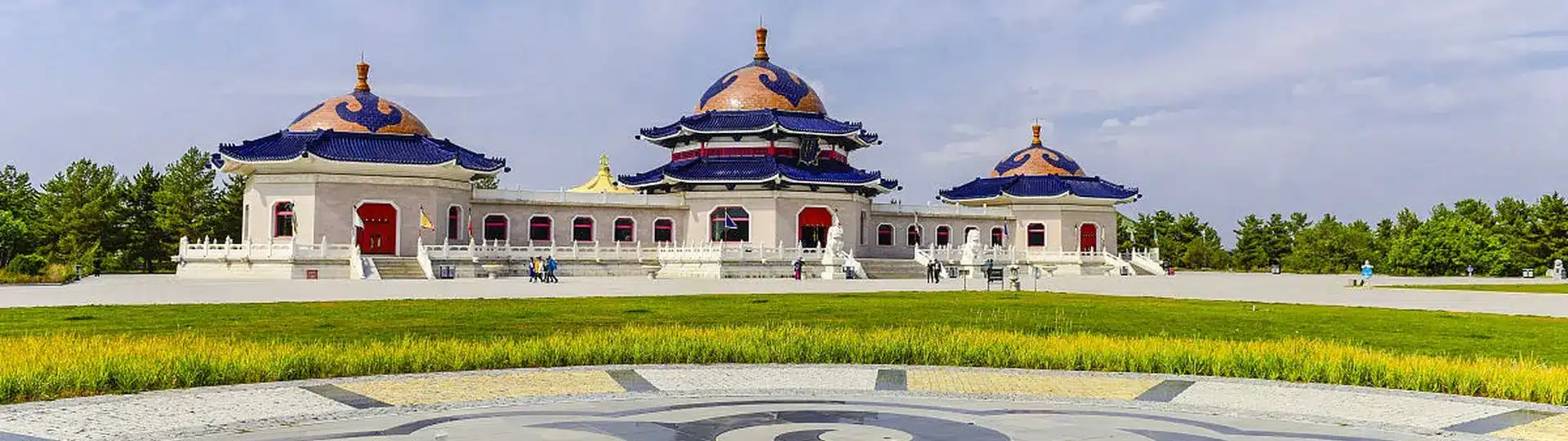
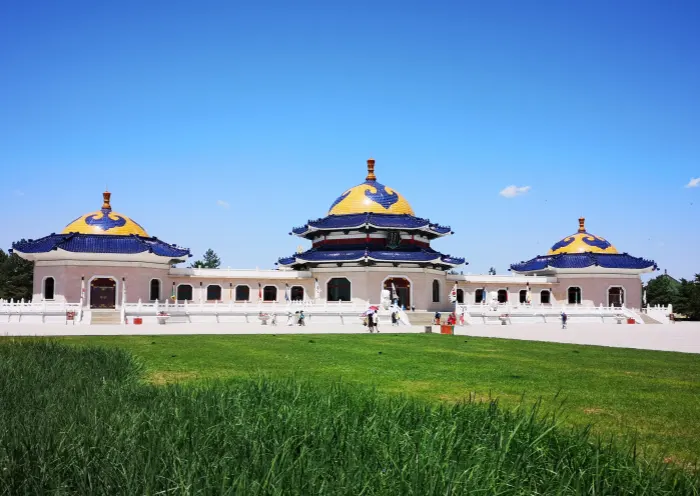
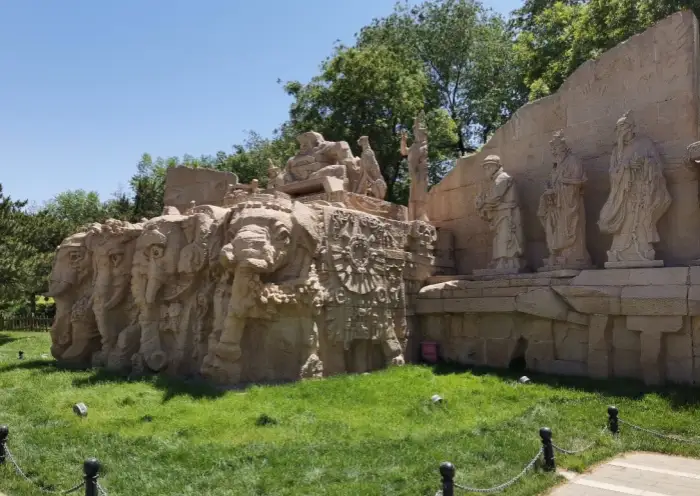
Recommended tour: 4 Days Inner Mongolia Grassland & Genghis Khan Legacy Tour
Yuan Dynasty History and Timeline
Below we give a detailed description of the Yuan Dynasty.
The Rise of the Yuan Dynasty
The story of the Yuan started with Genghis Khan. He and his forces wiped out the Western Xia Dynasty (1205-1227) and started the battle with the Jin Dynasty (1211-1234) in northern China. His son and the successors finished the conquest of Jin and the Korean Peninsula.
Kublai Khan, a grandson of Genghis, continued the battle with the Southern Song. It was the longest and the most hard campaign in Mongol history, lasting for over 40 years.
Kublai Khan realized that just cavalry was not able to defeat the Song. He adopted a strategy of sinicization, using Chinese customs and administrative techniques. He also established a strong navy. He portrayed himself as a potential ruler of China, not a foreign plunderer.
The decisive battle was the Battle of Yamen in 1279, where the Mongol navy destroyed the last Song fleet, marking the end of the Song.
Genghis Khan established a new capital Dadu in the northeast of the former Jin capital. It sits on the site of Beijing now. This capital was meticulously planned with a rectangular layout, city walls, and a grand north-south central axis. It also contained Mongol element with open spaces for tents.
The flag of the Yuan Chinese Dynasty adopted the traditional Mongolian nine-flag system. The nine flag colors are: red, blue, white, yellow, black, purple, crimson, dark green and light green.
Each flag had its own pattern and symbolic meaning. Among them, the white was the military flag, the red was the national flag, the yellow was the imperial flag, and the black was the hereditary princes.
Key Yuan Dynasty Emperors and Rulers
The Yuan government was a hybrid system. The central administration was divided into Zhongshu Sheng, Shumi Yuan, and Yushi Tai.
- Zhongshu Sheng: the highest executive body.
- Shumi Yuan: the bureau of military affairs, controlled by Mongols.
- Yushi Tai: supervising the bureaucracy, wiping out corruption.
The local administration was supported by the Provincial System. The country was divided into 10 provinces. Each province was administrated by officials appointed by the central government. Tibet was governed by the Xuanzheng Yuan.
Genghis Khan was the leader of the Mongol Empire. He laid a foundation for the later conquest of the Song Dynasty.
To understand the Yuan, we make a table of the Yuan Dynasty Emperors below.
Emperor’s Name |
Reign Period |
Remarks |
Kublai Khan |
1271–1294 |
Founder of the Yuan Dynasty. |
Temür Khan |
1294–1307 |
Grandson of Kublai. |
Külüg Khan |
1307–1311 |
Temür’s nephew. |
Ayurbarwada Buyantu Khan |
1311–1320 |
Külüg’s brother. |
Gegeen Khan |
1320–1323 |
Assassinated in a coup.
The beginning of intense political instability. |
Yesün Temür Khan |
1323–1328 |
Civil War of the Two Capitals. |
Ragibagh Khan |
1328 |
Reigned for only a month. |
Jayaatu Khan Tugh Temür |
1328-1332 |
Usurped the throne. |
Khutughtu Khan Kusala |
1329 |
Reigned for 8 months. |
Rinchinbal Khan |
1332 |
A child emperor.
Reigned for 2 months. |
Toghon Temür |
1333–1368 |
Last Emperor of the Yuan Dynasty. |
Timeline of the Yuan Dynasty
The following is a timeline of important events from 1271 to 1368.
Year |
Important Event |
1271 |
Kublai Khan announced the Yuan Dynasty. |
1275 |
Marco Polo arrived in China. |
1279 |
Battle of Yamen, marking the end of the Song Dynasty. |
1292 |
Marco Polo departed China. |
1294 |
Death of Kublai Khan. |
1313 |
Imperial Examinations were restored. |
1323 |
Assassination of Emperor Yingzong, the start of political instability. |
1328–1329 |
Civil War of the Two Capitals. |
1344–1350s |
Massive flooding of the Yellow River. |
1351 |
The Red Turban Rebellion begins. |
1368 |
Fall of Dadu (Beijing) and End of the Yuan Dynasty. |
Suggested tour: 5 Days Xilingol Tour with Mongolian Culture & Grassland Thrills
Decline and Fall of the Yuan Dynasty
A fall of a dynasty is not a sudden event but a gradual process. It is the same as the Yuan Dynasty.
Internal Corruption and Economic Struggles
After Kublai Khan’s death in 1294, the succession of emperors was rapid. Most of the rulers were weak children or puppets of powerful ministers. From 1307 to 1333, many emperors were assassinated. What’s worse, the policy could not reach agreement because of the intense and constant infighting.
The corruption was rampant. The officials often embezzled the state funds and imposed heavy taxes on the populace for personal gain.
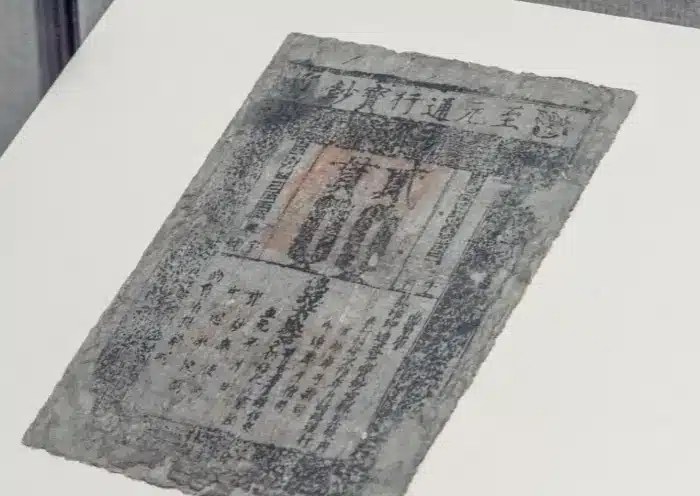
Hyperinflation was caused by the vast printing of paper money for extravagant spending and military affairs. Eventually, the money was worthless and the government’s credit collapsed.
Natural Disasters and Rebellions
In the 1340s, people suffered from catastrophic floods from the Yellow River, inundating vast areas of the North China Plain. Famine and displacement were everywhere because the farmland was destroyed.
Those all caused great resentment against the government. In 1351, the Red Turban Rebellion burst out, spreading across central and southern China.
A formidable leader appeared from the Red Turban movement, Zhu Yuanzhang. He was a brilliant military strategist. In 1367, he launched a Northern Expedition, showing his faith of driving the Mongols out and restoring Han Chinese rule. In 1368, Zhu’s forces occupied the capital, Dadu.
After the fall of the Yuan, Zhu Yuanzhang proclaimed the founding of the Ming Dynasty.
Yuan Dynasty Achievements and Accomplishments<
Political and Administrative Achievements
As mentioned before, a strong centralized administration was established by Kublai Khan. It strengthened the control of the empire and streamlined the governance.
The Yuan Dynasty adopted both Chinese and Mongol systems. The traditional Chinese provincial system was used. They also maintained a strict ethnic hierarchy.
Economic Developments
The Silk Road reached the top during the Yuan. The trade caravans traveled from Dadu (Beijing) to the Black Sea. The exchange of goods, ideas, and technologies between East and West was vibrant.
The use of paper currency (Jiaochao) was the primary medium of exchange during the Yuan. It was a step toward a unified monetary system. Copper coins were also minted.
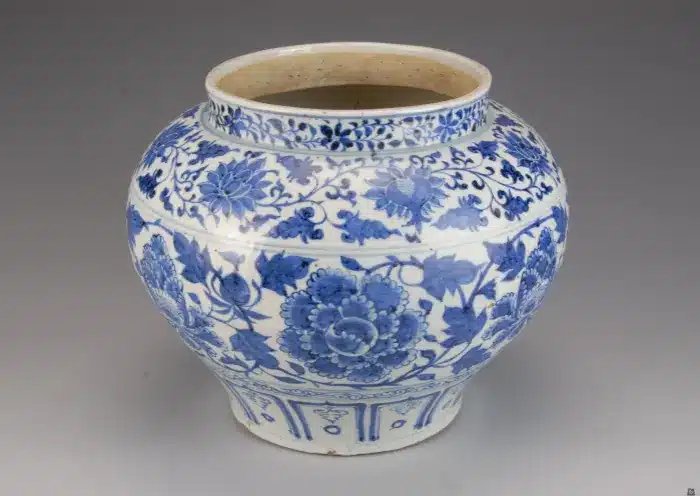
The Blue-and-White Porcelain matured in the Yuan. The porcelain produced at Jingdezhen became a major global export.
Cultural and Social Accomplishments
The art during the Yuan showed great personal style. There are famous painters like Huang Gongwang, Wu Zhen, Ni Zan, and Wang Meng.
The literature was based on vernacular literature. Two of the Four Great Classical Novels, The Water Margin (Outlaws of the Marsh) and The Romance of the Three Kingdoms, found their origin in the Yuan Dynasty.
Zaju, a form of opera performed with northern tunes, was popular among people in the Yuan. The main representative writers of Yuan Zaju include Guan Hanqing, Zheng Guangzu, Ma Zhiyuan, Bai Pu, and so on.
Clothing, Lifestyle, and Daily Life
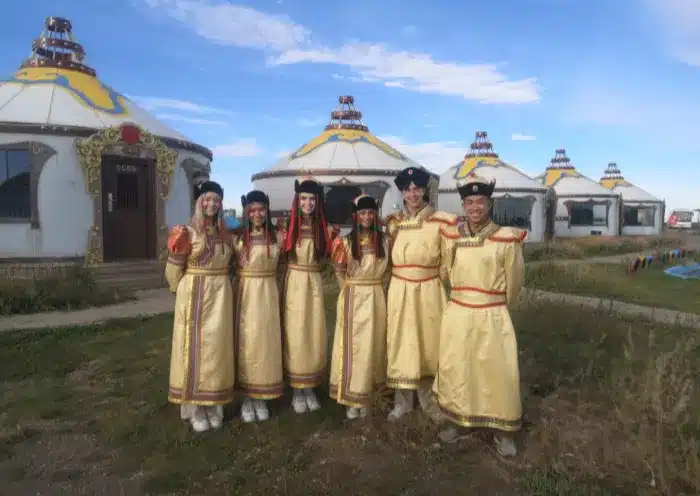
The elite wore a Mongol-style attire, a robe opening on the right side, and tall, plumed hats. The boots were worn for horseback riding. People also wore Han Chinese clothing during that period.
The Mongols loved mutton and dairy products. Alcohol, particularly fermented mare’s milk (airag/kumis) and rice wine was common. A vibrant public life could be felt during the Yuan Dynasty.
Religion in the Yuan Dynasty
- Buddhism was the most favored religion. Tibetan Buddhism held the main place during the Yuan. But Chan (Zen) Buddhism continued to thrive.
- Muslim merchants from Central Asia and Persia built mosques in cities, leading to the population of Islam.
- The Quanzhen School of Daoism got great support in its early years under Genghis Khan. The dynasty saw prevalent Daoist temples and practices.
- Nestorian Christianity revived under the Mongols. Roman Catholic missionaries established a church in Dadu.
Interesting Yuan Dynasty Facts
The Yuan Dynasty witnessed a series of dramatic changes and interesting facts.
Quick Facts for Students and History Learners
- The Yuan Dynasty was the first dynasty ruled by the Mongols, non-ethnic Han Chinese people. It was also the first to rule all of China.
- The dynasty was short but the impact was immense.
- The capital Dadu was modern Beijing, laying a foundation for Beijing as China’s political center.
- The dynasty perfected the technique for blue-and-white porcelain, which is one of China’s most famous and valuable exports.
- The society was divided into four tiers, Mongols, Semu Ren, Han Ren (Northern Chinese), Nan Ren (Southern Chinese).
Marco Polo’s Travels
The Travels of Marco Polo is a famous travelogue, influencing the exploration of the East. Marco Polo claimed that he traveled to China and spent 17 years with Kublai Khan (1275-1292). He wrote that he was sent to many empires for diplomatic missions. During his stay in China, he had a unique understanding of the wealth, scale, and culture of the Yuan.
Now the accuracy is still in debate. But his book is a European bestseller until now.
Recommended tour: 11 Days Marco Polo Tour from Beijing to Urumqi
The First Dynasty to Use Paper Currency Exclusively
The Yuan Dynasty was the first to use paper currency exclusively. The currency was call Jiaochao and issued by the government.
Complete Renovation and Extension of the Grand Canal
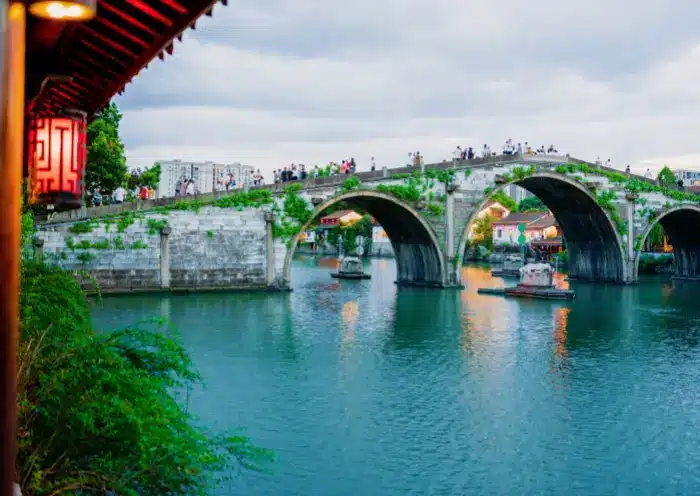
The Yuan Dynasty saw great engineers and logistics. Kublai Khan ordered to construct a new section because the original one did not reach the capital Dadu. It is known as the Tonghui River Canal.
The canal, running through the fertile Yangtze River Delta, transported daily essentials and people. It ensured the food supply for the capital. The canal is still in use today.
FAQs about the Yuan Dynasty
Why did the Yuan dynasty fall?
Political instability, hyperinflation, nature disasters and rebellion.
What was the Yuan Dynasty known for?
- The first foreign-ruled dynasty.
- Unifying China.
- Cultural exchange across Eurasia via the Silk Road.
- Perfecting the art of blue-and-white porcelain.
- Marco Polo’s travels.
What was the nature of the Four-Class System imposed by the Mongols, and what were the ranks?
It strengthened the Mongol political dominance and suppressed the Han Chinese majority.
The Four-Class System: Mongols, Semu Ren, Han Ren (Northern Chinese), Nan Ren (Southern Chinese).
What role did Marco Polo play during the Yuan Dynasty, and why is his account significant?
He claimed himself as an official and envoy.
Because the European could first get knowledge from his book about China.
How did the Yuan Dynasty’s astronomers and mathematicians contribute to science?
Kublai Khan established an astronomical observatory in Beijing.
The Chinese mathematician and engineer Guo Shoujing made the Season-Granting Calendar, one of the most accurate calendars in the world at the time.
Experience China’s Historical Masterpieces with China Xian Tour
It is hard to show the glamour of the Yuan Dynasty in just one article. If you are interested in this legendary dynasty, contact China Xian Tour. With our careful plan, you can feel the remnants of the Yuan capital, Dadu, walk through the Great Wall, and enjoy the exquisite blue-and-white porcelain.