

To the south of the colorful clouds, lies one of China’s most diverse and vibrant places, Yunnan. And you may be able to tell from the poetic description that this is an extremely beautiful region with all different cultures and ethnic groups. Nowadays, more and more people from all over the world are attracted by its vibrant atmosphere and planning to explore deeply into its local life. Indeed, this can be quite a rewarding experience as from the highlands of Shangri-La to the subtropical towns of Xishuangbanna, every step you take can give you a new and exciting world. And to give visitors a full understanding of Yunnan’s local lifestyle, this article is designed to give you all the details about this pleasant destination, and this information can contribute a lot to your unforgettable Yunnan journey.
Content Preview
- The Heartbeat of Yunnan: Its Diverse Ethnic Groups and Cultures
- Daily Life in Yunnan Villages and Cities
- Yunnan Food and Culinary Lifestyle
- Top Places to Visit for Authentic Yunnan Local Life Experiences
- FAQs about Life in Yunnan
- Plan Your Yunnan Tour with Us
The Heartbeat of Yunnan: Its Diverse Ethnic Groups and Cultures
Diversity of Yunnan Ethnic Groups
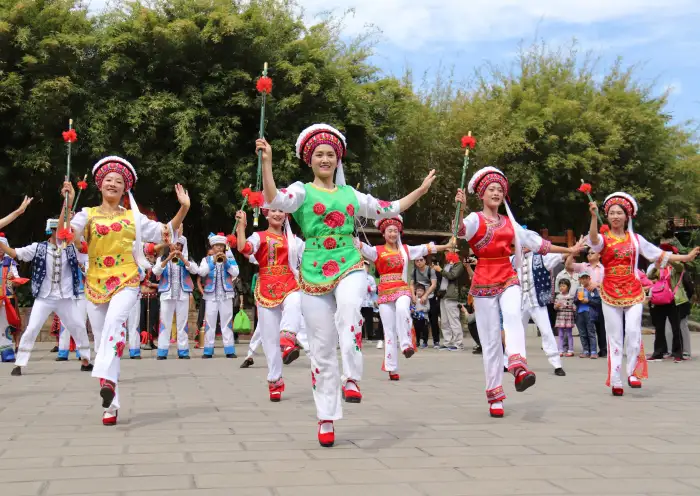
Yunnan is one of the most culturally diverse provinces in China. More than 25 ethnic groups have built their homes here, and over one-third of the region’s population are coming from these groups. Some distinct groups such as the Yi, Bai, Naxi, Dai, and Tibetan people have each made the region even more colorful with their unique culture. So that when you get to visit this place, try to pay more attention in exploring their distinct traditions and their languages and belief systems, which can be extremely interesting. And by achieving deeper understanding of these aspects, you’ll walk much closer to the province’s soul.
The Bai people, for instance, are predominantly living in the Dali area. One of the most iconic cultural highlights is their architecture, and you’ll easily catch the essence once you see it: whitewashed walls, carved gates, and houses arranged around courtyards facing Erhai Lake.
And except for the Bai group, the Naxi, centered around Lijiang, also have their special cultural heritage maintained: the rare pictographic Dongba script, matrilineal social structures, or even rich musical traditions. And these unique creations are exactly what constitute the cultural backbone of life in Yunnan.
Suggested tour
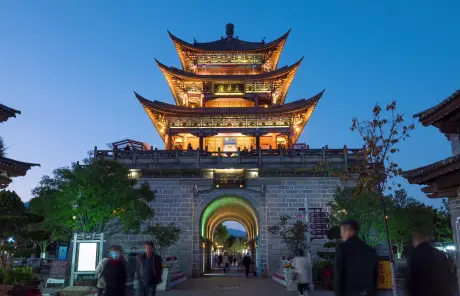
Cycle along Erhai's shores, hike Cangshan Mountain, and uncover the Tea Horse Road history at Shaxi Ancient Town before reaching Jade Dragon Snow Mountain.
Festivals and Traditional Celebrations
These minorities’ cultures are also expressed through their vibrant festivals. These vital moments are so deeply appreciated as entire communities will come together in song, dance and ritual to celebrate their own stories that have been experienced by generations to generations. One of the most famous may be the Torch Festival, which is widely celebrated by the Yi, Naxi, and Bai peoples. And one thing special about this festival is during the days, families would light large torches in front of their homes, and then villagers will all gather together in a yard to dance, sing, and participate in traditional competitions.
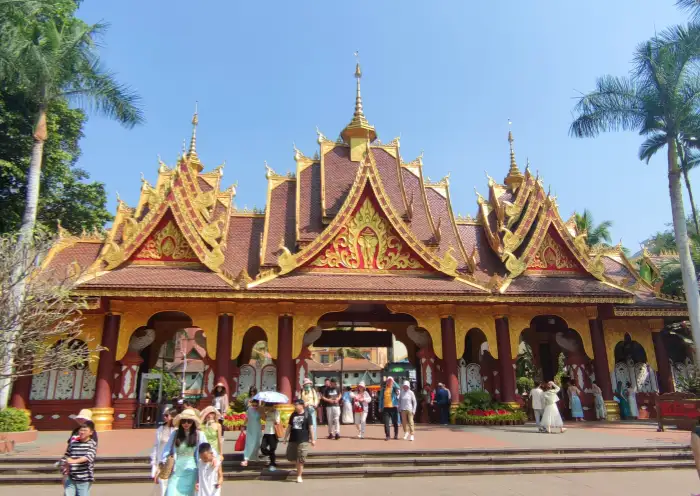
Another deeply symbolic celebration is the famous Water-Splashing Festival held in mid-April, and it is also Dai people’s New Year. Just as the name suggested, their unique tradition is that people will splash water on each other as a blessing, so bring water-proof gears when visiting. And there are also religious ceremonies at Buddhist temples, have a look if you’re interested. When night comes, people would also come together to enjoy a vibrant night with their own music and dance.
One thing worth noticing is that music and dance are inseparable from these festivals. These energetic and vibrant performances are one of the most direct ways for them to feel the same values, myths, and shared memory of these ethnic communities.
Recommended tour

Immerse in the Water Splashing Festival at Dai Minority Park and explore Xishuangbanna's tropical rainforest wonders.
Arts, Crafts, and Local Heritage
Ethnic artistry is flourishing in Yunnan. And these arts have combined and presented traditions passed down over generations. Bai artisans always have some of the best tie-dye textiles, lacquerware, and wood carvings. The crisp white architecture and embroidered fabrics which you’ll frequently see in their towns, are hallmarks of their identity. The Naxi people, on the other hand, produce incredible Dongba paintings and wood carvings. They maintain the only living pictographic writing system in the world.
Silverwork and embroidery are also common across many minority groups, particularly among the Yi, Dai, and Miao. Their craftsmanship is often presented through their garments, decoration, and ritual objects. Their daily life with cultural tradition is living together. Indeed, these artistic expressions have attracted a lot of visitors, but their meanings are far more than that, they are carrying a living heritage and Yunnan’s identity is not completed without them.
Daily Life in Yunnan Villages and Cities
Rural Villages and Farming Lifestyle
In rural Yunnan, many villagers have never changed their traditional farming lifestyle. They still grow rice, corn, and other staples by themselves. In addition, another unique thing is that foraging is also part of their daily life. For example, some remote mountain communities would rely on wild mushrooms, especially during the rainy season. And the mushrooms they find can be used for both home cooking and a source of income.
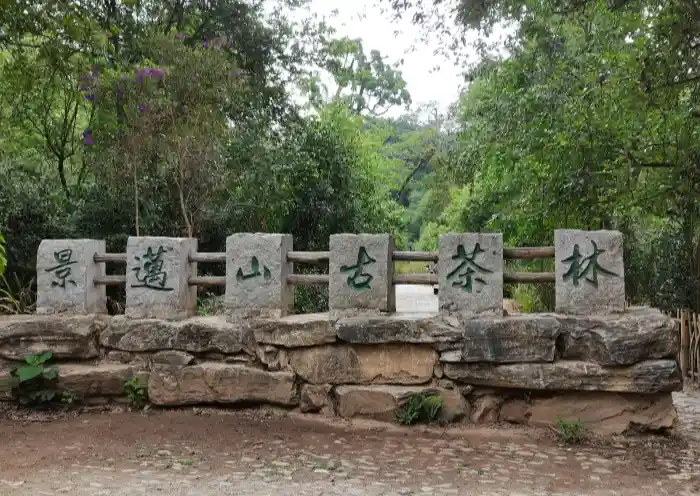
Tea farming is also deeply woven into rural life, especially in Pu’er and Xishuangbanna. In Blang-ethnic villages like Old Man’e (Menghai County). The ancient tea trees which grow among forested hills and the corresponding tea processing mean a lot to the local economy. These tea farmers practice age-old methods, preserving Pu’er tea culture and passing tea-making rituals through generations.
Mountain village living is often sustainable and eco-conscious. On Jingmai Mountain, for instance, the Cultural Landscape of Old Tea Forests features under-story tea cultivation, where wild trees are protected, and forest cover is maintained to preserve ecological balance. Villagers also hold spiritual beliefs: they designate certain “tea spirit trees” and make offerings in annual rituals to honor their ancestral connection to the land.
Related reading: Top Yunnan Teas: Types, History, Benefits

Modern Life in Yunnan Cities
In urban Yunnan (especially in Kunming, Dali, and Lijiang), modern conveniences and local traditions are converged closer than ever. In Kunming’s Chenggong District, the rural roots and traditional markets have never been removed from the modern urban landscape. And such contrast can be even more vivid in Dali, the contrast is especially vivid. Life goes on with a slower pace in old towns and around Erhai Lake. Seek for these moments in the corners of the city, the open-air rice noodle shops or tea houses, no matter how tourism and modern infrastructure expand, the old village life style has never disappeared.
Yunnan Food and Culinary Lifestyle
Yunnan Local Food and Specialties
Yunnan’s cuisine is deeply rooted in its local lifestyle, so that you not only see their cultural heritage in things like handicrafts and architecture, but also taste it in their foods. A cornerstone of the diet is Yunnan rice noodles (米线, mixian), and they are made from non-glutinous rice. Usually they’ll be served in broth (like the famous cross-bridge noodles) or stir-fried.
Wild mushrooms are another highlight. Yunnan’s forests are especially rich with fungi, as a result, you can find a lot of local dishes, such as hotpots and stews, that are based on various types of mushrooms.
In the tropical south, you may get shocked about how bold the Dai cuisine can be, and such boldness is coming from their unique lifestyle. Dishes here are spicy, herb-laden flavors, and they’re cooked by some quite uncommon techniques.
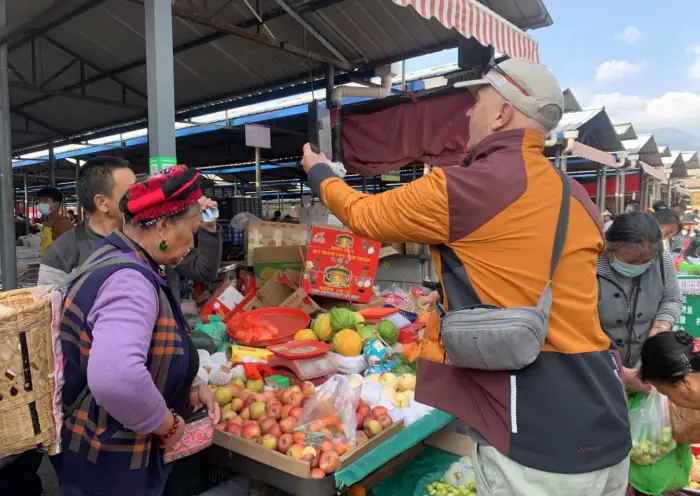
Local Markets and Street Food
Yunnan’s vibrant street food and markets can help you better understand its culinary lifestyle. Here are some recommended places to find the authentic flavors:
Kunming
- Yuanxi Road Snack Street: Near Yunnan University. This street offers fried potatoes, rice noodles, and other student-favored snacks.
- Nanping Pedestrian Street: A historic street full of restaurants and ethnic eateries, perfect for sampling local classics.
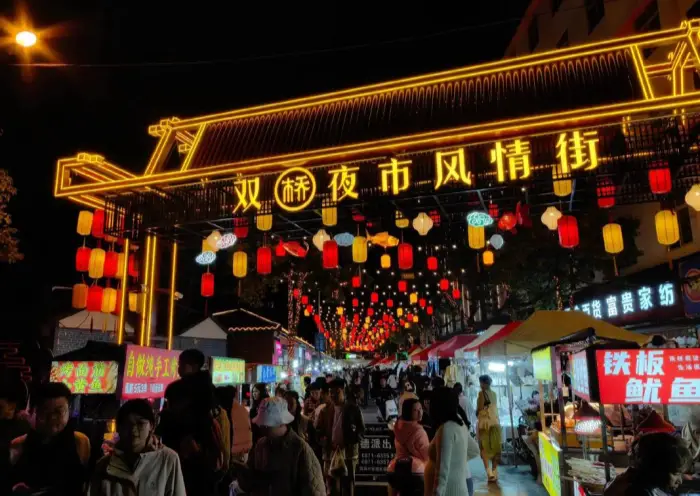
- Shuangqiao Night Market: Bustling at night, this market features local delicacies including grilled skewers, roasted foods, and more.
Lijiang
- Qiyi Street (七一街): Runs through the ancient town. Best for Naxi snacks in local small restaurants.
- Huama Street (花马街): Known for its salmon restaurants among local eateries.
- Zhongyi Market: A farmers’ market near Lijiang Old Town. Come and find fresh produce, ingredients, and authentic Lijiang snacks.
Top Places to Visit for Authentic Yunnan Local Life Experiences
Lijiang — Where Naxi Traditions Live Amid Ancient Stone Streets
Activity |
Description |
Explore Dayan Old Town |
Walk through UNESCO-listed alleys, see Naxi architecture and canals |
Dongba Culture Museum |
Learn about Naxi pictographic script and rituals |
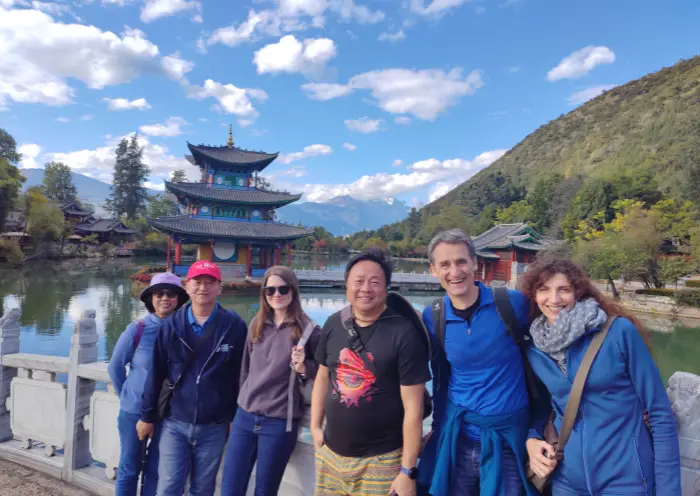
Black Dragon Pool |
Scenic spot with views of Jade Dragon Snow Mountain |
Jade Water Village |
Experience rural Naxi life in nearby village |
In Lijiang, you can deeply enjoy Naxi people’s lifestyle here by wandering through the winding alleys. The Old Town’s network of waterways and carved wooden architecture reflects centuries of Naxi craftsmanship.
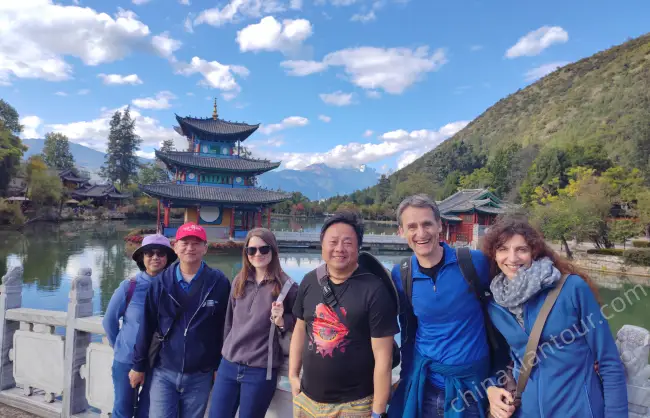
For sightseeing, don’t miss Black Dragon Pool — a serene pond with mountain views — and Jade Water Village, where traditional rituals and local life continue away from the tourist crowds.
Get some Lijiang travel ideas and inspirations from our Lijiang Tours.
Dali — Bai Culture by Erhai Lake and Mountain Breezes
Activity |
Description |
Xizhou Village |
Bai architecture, morning markets, three-course tea ceremony |
Erhai Lake Cycling |
Rent a bike to explore lakeside villages and farmland |
Three Pagodas of Chongsheng Temple |
Iconic cultural and historical site |
Tie-Dye Workshops |
Learn Bai textile arts firsthand |
In Dali, you can experience the Bai people lifestyle by visiting Xizhou Village. Try traditional three-course tea ceremonies and shopping at morning markets.
Cycling around Erhai Lake allows you to see local life in a more intimate way. Some cultural landmarks that we strongly recommend include the Three Pagodas, set against the scenic Cangshan Mountains.

Kunming — Spring City Charm Meets Ethnic Diversity
Activity |
Description |
Green Lake Park |
Social hub: tai chi, singing, teahouses |
Daguan Park |
Scenic lake park, leisure activities, calligraphy pavilions |
Yunnan Nationalities Museum |
Learn about 25+ ethnic groups’ culture and traditions |
Stone Forest (Shilin) |
Karst formations and Yi Sani culture performances |
Kunming is also known as “City of Eternal Spring.” It offers a relaxed Yunnan local lifestyle. Residents gather at Green Lake Park for activities like tai chi and tea-drinking.
Cultural highlights include the Yunnan Nationalities Museum and nearby Stone Forest. Here you’ll see Yi Sani minority performances and karst landscapes.
Recommended tour

Discover Kunming Jiuxiang Cave underground palace, UNESCO Stone Forest bizarre rock formations, Western Hills views over Dianchi Lake, and Yunnan ethnic diversity at the Nationalities Museum.
Shangri-La — Tibetan Plateau Life in Yunnan’s Hidden Highlands
Activity |
Description |
Songzanlin Monastery |
Largest Tibetan Buddhist monastery in Yunnan, “Little Potala” |
Old Town Stroll |
Explore Tibetan streets, shops, and homestays |
Lamuyangcuo Lake |
Pilgrimage route with prayer wheels |
Alpine Meadows Trek |
Hike in plateau scenery and Tibetan villages |
In Shangri-La, experience Tibetan culture in Yunnan by visiting Songzanlin Monastery and walking through Tibetan-style Old Town streets.
You can also trek around Lamuyangcuo Lake and nearby alpine meadows. And here, observing traditional Tibetan rituals and plateau village life, and you’ll enjoy a slower, authentic lifestyle experience.
Recommended Shangri-La Tour

Explore Shangri-La's Songzanlin Monastery, hike Mingyong Glacier, and witness the surreal golden sunrise over Meili Snow Mountain's snow-capped peaks.
FAQs about Life in Yunnan
Which month to avoid Yunnan?
- Basically, Yunnan’s weather is comfortable year round, However, the rainy season is unavoidable and it’ll more or less affect your travel experience. This period typically peaks during June–August, especially in the southern parts like Xishuangbanna.
- Also be wary of holiday peaks: early October (Golden Week) is notoriously crowded.
What are the traditional houses in Yunnan?
- Dai bamboo houses are a classic example. They are built on stilts with bamboo, thatched roofs, and open ventilation. These houses suit the humid climate, and their structure allows rainwater to drain easily.
- Tibetan houses in Yunnan’s highlands (e.g., Shangri-La) are mostly wooden, often built on hillsides, and divided into floors: ground for livestock, middle for living, top for drying food. Many include a small Buddhist shrine or prayer space.
- Naxi architecture (especially in Lijiang) features “one courtyard with five skylights” design, simple but elegant, blending influences from Han, Tibetan, and local styles.
How many days is enough in Yunnan?
- 8–12 days is basically fine. This allows you to travel to major destinations without rushing.
- If only focusing on a couple of locations (e.g., Lijiang + Dali), 5–7 days may suffice.
What should I buy in Yunnan?
- Pu’er tea: Pu’er is a top souvenir and cultural staple.
- Ethnic handicrafts: Naxi wood carvings, Bai tie-dye, Yi embroidery, and silver jewelry.
- Local snacks & spices: Mushrooms, dried chili, wild herbs.
- Textiles: Traditional fabrics from ethnic groups.
What is the public transportation network like within and between the major cities and tourist spots?
- High-speed rail: Key routes include Kunming ↔ Dali (~2–2.5 hours).Kunming ↔ Lijiang (~3–3.5 hours) via bullet trains.
- Long-distance buses: Buses connect major hubs: Kunming to Dali (~4 hours).Kunming to Shangri-La (~8–10 hours). Lijiang to Shangri-La by coach.
- Intra-city transport: In cities like Kunming, taxis, ride-hailing (like Didi), and public buses are common. Kunming also has a metro system.
Plan Your Yunnan Tour with China Xian Tour
Yunnan is one of China’s most rewarding travel destinations. However, since it has so many things to explore, it does need quite a lot of work to design a suitable itinerary, and that’s why you need China Xian Tour to make it easier. With over ten years of experience in crafting private tours across China, our travel experts know how to customize an itinerary that fits your pace and interests. With us taking care of all the details, you’ll get to make some of the most unforgettable memories during this stress-free journey.