



Stretched from China to Central Asia, West Asia, and Europe, the Silk Road was instrumental in the exchange of goods, ideas, and cultures. Among the wide range of treasures that traded along this historic route, tea on the Silk Road held an important role. For its long history and lasting cultural influence, Chinese tea found its way along the Silk Road. It was fused with diverse traditions along the route, and unique tea cultures were then formed globally.
Content Preview
- How was the Tea Traded along the Silk Road?
- What was the Tea Route along the Silk Road?
- The Ancient Tea Horse Road: Purpose and Challenge
- The Connection Between the Silk Road and Chinese Tea Culture
- Characteristics of Tea Culture along the Silk Road
- Impact of Tea Culture along the Silk Road
- FAQs about Silk Road Teas
- Embark on a China Silk Road Tour with China Xian Tour
How was the Tea Traded along the Silk Road?
The trade of tea along the Silk Road began earnestly during the Tang Dynasty (618–907 CE), a period when tea became a popular drink in China. At that time, tea’s value was dug out, and Chinese merchants included it in their trade caravans. Unlike today where tea is readily available in various forms, ancient traders transported tea in compressed bricks. These tea bricks were durable, easy to handle, and even used as a form of currency in some regions due to their high value.
Read more about goods traded on the Silk Road

What was the Tea Route along the Silk Road?
The tea routes along the Silk Road were complicated on account of various terrains and climates in China. Typically, these routes began in the key tea-producing provinces in China, such as Yunnan, Sichuan, and Fujian, and spanned several thousand miles.
One of the primary Silk Road tea routes led northward through the Hexi Corridor, a key bridge that connected China to Central Asia. Continued through the Taklamakan Desert to the Tarim Basin, this route was then westward into Central Asia, reaching important trade hubs like Samarkand and Bukhara for the trade of tea and other goods. Besides, another significant tea route extended southward, which traversed the Tibetan Plateau and stretched into India.
Recommended Hexi Corridor Silk Road Tours
- 5 Days Hexi Corridor Silk Road Tour of Lanzhou-Wuwei-Zhangye
- 10 Days Silk Road Hexi Corridor Tour from Xining to Dunhuang
- 12 Days Ancient Silk Road Hexi Corridor Tour with Yinchuan
The Ancient Tea Horse Road: Purpose and Challenge
The Ancient Tea Horse Road (茶马古道) was a major trade network. It used to link China’s tea-producing regions (especially Sichuan and Yunnan) with Tibet and beyond.
- Purpose: The route was originally built for “tea-horse trade”,just as its name suggests. Chinese merchants went on this road to exchange tea for Tibetan horses, salt, and medicinal herbs.
- Primary goods traded: Compressed tea bricks (from Sichuan, Yunnan).Horses from Tibetan and pastoral regions. Sometimes silk, salt, and animal hides.
- Challenges: The road crossed harsh terrain, made it quite difficult to travel along.
- Main lines: There were three major routes:
- Sichuan (Ya’an) → Tibet (via Kangding, Litang, etc.)
- Yunnan (Pu’er region) → Tibet (through Dali, Lijiang, Shangri-La)
- Qinghai / Gansu → Tibet
The Connection Between the Silk Road and Chinese Tea Culture
As an important trade route, the Silk Road became an essential channel for spreading tea culture, also known as “chadao” in Chinese. Typically, Chinese tea was transported along the Silk Road to Central Asia in the early 6th century, and gradually, it was spread westward to even European countries. What’s more, as the tea trade deepened along the Silk Road, Chinese tea culture integrated many Western cultural elements, resulting in a distinct Silk Road tea culture.
Characteristics of Tea Culture along the Silk Road
Diversity of Tea Varieties
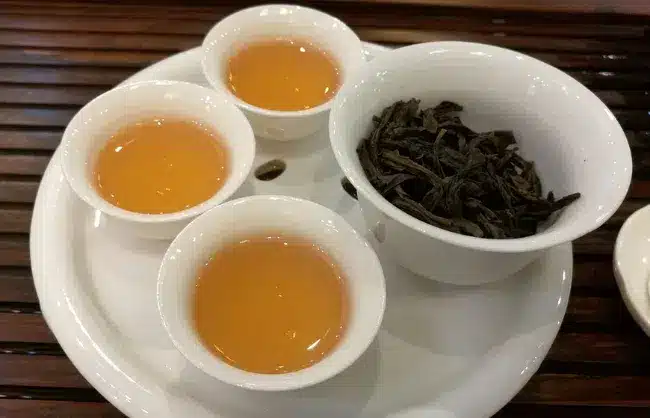
The Silk Road promoted the expansion of Chinese tea varieties to the West for the tea trade and cultural exchanges with Central Asian regions, through which the types of Chinese tea became increasingly diverse. Besides, there was no doubt that the different varieties of tea like oolong tea, pu-erh tea, and others enriched the flavors and forms of Silk Road tea culture, allowing merchants and travelers to pick their cup of tea on their Silk Road tours.
Varied Tea Etiquette
Different tea-drinking etiquette and ceremonial forms also played a very important role in the tea culture, and the cultural fusion along the Silk Road influenced the way tea was served and consumed. For instance, Chinese tea ceremonies emphasize respect towards guests; but in West Asia, contemplation and communal participation are more meaningful.
Integration of Art and Literature
The Chinese tea culture along the Silk Road also intertwined with the arts and literature of Central Asia and West Asia, forming a unique Silk Road tea culture. Also, the merge with poetry, painting, music, and other art forms made tea-drinking an artistic experience. Moreover, tea became an amusement for artists and poets, whose inspiring works praised its beauty and significance frequently.
Impact of Tea Culture along the Silk Road
As the spreading channel of tea, the Silk Road not only promoted the tea culture within China but also conveyed the essence of it to Western countries. Tea ceremonies and festivals around the world were often inspired by Chinese traditions, showing the lasting impact of it. Besides, the cultural exchange of tea along the Silk Road also improved the development of the global tea trade, allowing people around the world to sample the flavors of Chinese tea.
Today, tea and tea culture still shines with artistic charm worldwide. In every cup of tea, there is a story of the Silk Road. To explore the stories of tea and tea culture, embark on a China Silk Road tour and follow the steps of the former traders and missionaries along the Silk Road.
FAQs about Silk Road Teas
What type of tea was most commonly traded on the Tea Horse Road?
Mainly compressed tea bricks (or cakes) that made from strong, dark teas (like pu-erh-type teas). This kind of tea bricks were durable and easy to transport.
When did tea first start being traded along this route?
The trade dates back at least to the Tang and Song dynasties.
The “tea for horse” trade (茶马互市) became especially formalized in the Song period and continued into Ming and Qing.
Why was tea transported in compressed “bricks” or “cakes” rather than loose leaves?
Compressed tea is more durable for long, difficult journeys
The compact shape made it easier to carry and store during transport.
In some areas, tea bricks even functioned as a form of currency in barter trade.
Which Chinese provinces were the main origins for Tea Horse Road tea?
Sichuan, especially around Ya’an, was a key starting point.
Yunnan, particularly its large-leaf tea regions (Pu’er, etc.), was another major source.
Can I still visit ancient Tea Horse Road routes today?
Yes. Many parts of the old road are now tourist trails. And you can trek parts of the historical routes in Yunnan and Tibet.
Embark on a China Silk Road Tour with China Xian Tour
The Silk Road is a treasured destination with so many highlight for people to explore. Visitors looking for cultural, historical and natural immersions can all find attractions that fulfill their expectations. To make the most of your Silk Road trip, consider joining a customized tour with China Xian Tour. We’ve been providing people with the best Silk Road journey for over ten years, and this is one of the most confident products we ever provide. Our travel experts will take you to explore all the best highlights and make your whole journey relaxing and worry-free. So contact us now and prepare for the unforgettable moments along this legendary route.