

For people who want to learn Chinese culture, they may surprisingly find that “color” is actually a major course that they have to learn in their “freshman year”. In deed, colors are carrying meanings that go far beyond aesthetics for Chinese people.
From the red decors into the golden accents in temples, it has long been a way of symbolizing happiness, power, wealth, or even bad luck. Understanding the deeper meanings of colors is important for a smooth China tour especially if you plan to joint local celebration, as they can help you fit in culturally and even attract good fortune. In this guide, we’ll detailedly explore the cultural significance of colors, now, let’s dive into a colorful world together.
Content Preview
- The Cultural Significance of Colors in China
- The 3 Most Important Lucky Colors in China and Their Meanings
- Other Lucky and Significant Colors
- Unlucky Colors in China and Their Meanings
- Lucky Colors for Chinese New Year
- Specific Lucky and Unlucky Colors for Chinese Zodiac Animals
- Chinese Colors vs. Western Colors
- FAQs about Colors in China
- Explore Traditional Culture in China with Us
The Cultural Significance of Colors in China
In China, colors have been given multiple layers of meaning. Despite its place in the aspect of art, it has taken a significant role in adding a festive sense to Chinese festivals and celebrations. And Chinese people also prefer to express their expectation and emotions with a delicate use of colors. This kind of recognition is deeply rooted in Chinese culture, and it has influenced almost all aspects of people’s life, leaving traces in Chinese architecture, clothing, business branding, and holiday traditions through thousands of years.
What Color Is Lucky in China?
To answer this question briefly, red is the most widely recognized lucky color in Chinese culture. Gold and yellow are also highly auspicious, representing wealth, royalty, and authority. These colors often appear together in traditional festivals and ceremonies, as they’re believed to reinforce themes of prosperity and harmony.
Lucky and Unlucky Colors Seen in Daily Life
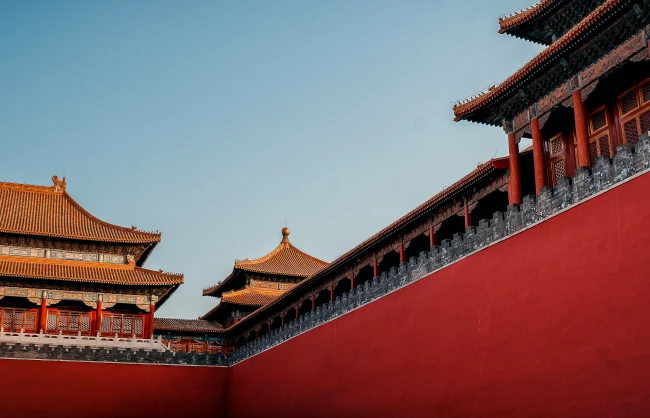
There are certain colors seen as representatives of good fortune, while others could bring unlucky or a rather heavy sense. And expect for the cultural or traditional contexts, they also leave effects on people’s daily life. Red, as introduced above, is considered the luckiest color, which carries people’s meanings of happiness, vitality, and success. It is used in Chinese style weddings, festivals, restaurant decors and even business branding to attract prosperity.
By contrast, black and white are often linked to mourning and misfortune in certain cases, and this is also why they should be avoided in some special celebrations. But don’t worry too much, they are definitely fine to wear and use in everyday life.
Colors in Modern Life
While the long exiting symbolism of colors still remains strong, just like all the old customs, they have found new ways of adapting in modern Chinese society:
- Festivals: Red still dominatesChinese New Year with lanterns, envelopes, and all kinds of decorations (even including people’s Chinese New Year clothing). While Mid-Autumn often features gold and orange tones (the color of moon, osmanthus and ripe rice) to reflect harvest and reunion.
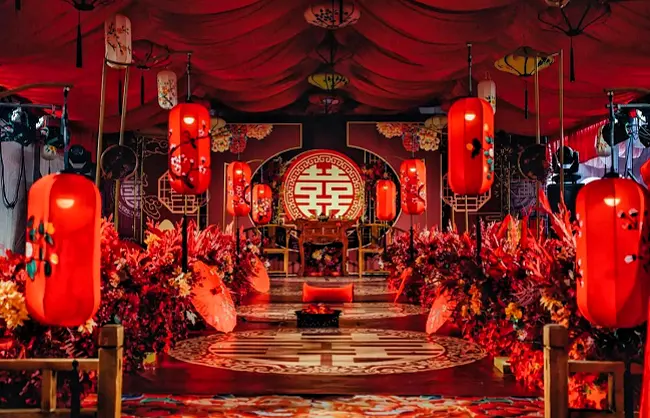
- Weddings: Brides would wear red dressesin classical Chinese style for joy, luck and a tone of tradition, while gold accents highlight prosperity and richer life.
- Business:Red and gold logos are popular with Chinese companies, as they are believed to have certain power of attracting success and also
- Fashion:Younger generations are more flexible, they now like to wear clothes that blend traditional symbolism with global fashion trends, but still mindful of avoiding unlucky colors on key occasions.
The 3 Most Important Lucky Colors in China and Their Meanings
Red: The Ultimate Symbol of Luck, Happiness, and Prosperity
Red is undoubtedly the most famous and widely used of all lucky colors in China. In traditional context, Chinese people have given red all good interpretations in life including happiness, vitality, good fortune, and a power that is strong enough to ward off evil spirits. And these meanings reflected in traditional festivals and ceremonies.
Some may be curious about why red can take such an important tole, the answer lies in centuries of tradition: red is the color of fire, the color of sun, it’s connected with life, success, and the strength to overcome difficulties.
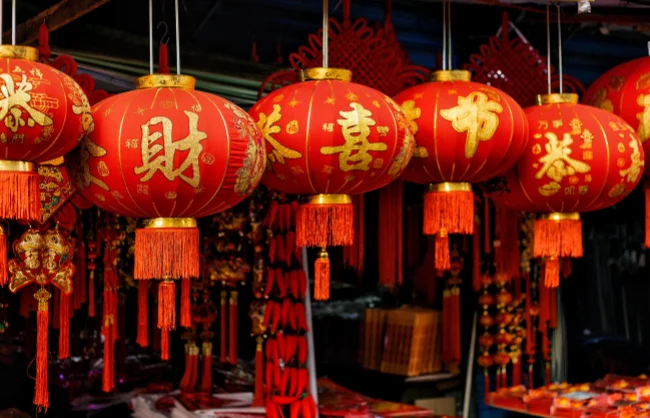
During major celebrations such as Chinese New Year, you’ll see all the streets in China be decorated with red lanterns, door couplets, and kids will be receiving red envelopes filled with money known as hongbao. This excessive practice of using red for New Year is seen as a way to bring prosperity and peace to families in the coming year.
Yellow: The Color of Emperors, Royalty, and Power
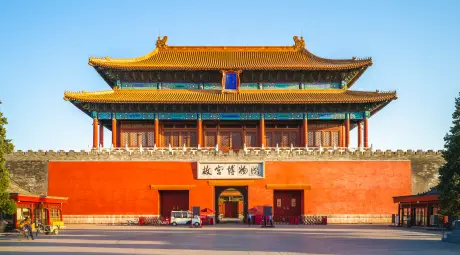
Yellow also carries a special meaning in Chinese culture as in ancient China, it was closely connected with royalty. Back to the times, only members of the imperial family could wear bright yellow clothing. For example, the decors and especially roofs of the Forbidden City were covered with yellow tiles to signify supreme power. Beyond authority, yellow is attached with meanings like harmony, wealth, and the balance of the universe. So besides red, yellow has also become one of the most respected colors for Chinese people in all ages.
Today, yellow is sill a widely liked lucky color in China. And it’s often paired with red in celebration to create a most vibrant and strongest festive vibe. Besides, yellow also takes a place in Buddhist traditions, where yellow robes can symbolize freedom from material desires and spiritual enlightenment.
Green: The Color of Health, Growth, and Harmony
Green is another important color in China, it usually symbolizes a good will for health, renewal, and life itself. In Chinese culture, green is often connected with features for concepts of spring, nature, and growth, while also reflecting the cycles of vitality and harmony. Because of these associations, although green does not express a strong and intensive vibes, it’s regarded as a color with positive and balanced power.
So, is green a lucky color in China? The answer should be yes, especially when it comes to contexts about health and family well-being. For it’s healing power, many household will have green decorations, clothing, and jewelry.
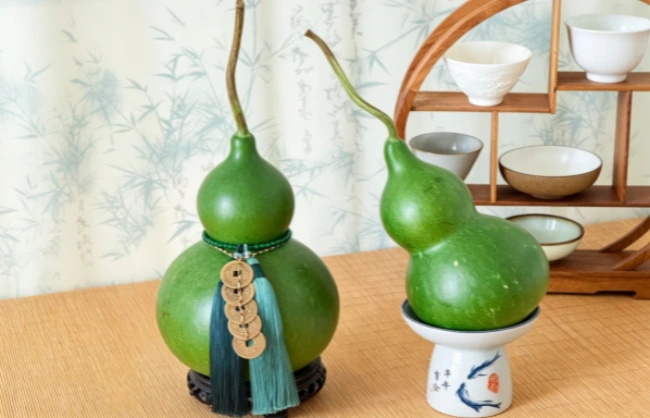
At the same time, green can also somehow be connected to wealth, as jade—one of China’s most prized materials—is known for its green hue, and this beautiful hue is considered a symbol of fortune and protection.
Other Lucky and Significant Colors
Golden
Meaning: Wealth, success, and prosperity
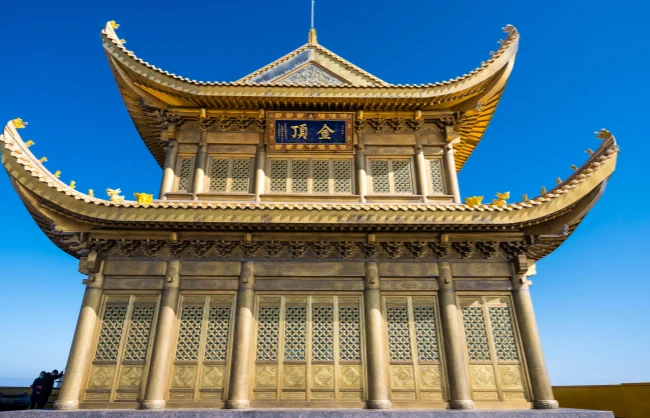
Color golden has always been associated with fortune and status in Chinese culture because the substance gold itself is highly valuable and precious. It would be the most suitable color to represent richness and glory in all ages. Similar to yellow, it’s also solely applied by the royalties in ancient China.
Why it’s a lucky color:
Golden, as just discussed, is considered a strong symbol of prosperity and power, just similar to yellow. Together with red, they create the most traditional and classical color combination for Chinese festivals, weddings, and business openings. Wearing clothes with this color match or having decors in golden and red is one of the best way to express wishes for wealth and success.
How it’s used with red:
You often see red and golden paired on decorations, clothing, and gift packaging. While red brings happiness, gold then works as an enhancement of wealth and luck, so that this “strongest” lucky combination becomes a classic choice for celebrations in China.
Blue
Meaning: Trust, tranquility, and healing
Blue is commonly attached with expressions like calmness, peace, and reliability. However, in modern China, it has been enabled to deliver new impressions, such as technology, innovation, and professionalism.
Is blue a lucky color in China?
Unlike red or gold, which are commonly used in all areas, blue is not considered one of the major lucky colors in Chinese culture. However, it carries a positive meaning of harmony and trust. Many companies use blue in branding to represent stability and credibility. While not “lucky” in the traditional sense, it has become a favorable and respected color in daily life.

Orange
Meaning: Happiness and prosperity
Orange is another typical color represents warmth, enthusiasm, and good fortune. In Chinese culture, orange fruit is also a popular traditional gift during the Chinese New Year. Not only because its color is attached with such an auspicious implications, but also the pronunciation of orange sounds exactly like the word for “success” (橙 chéng and 成 chéng meaning “success”).
Is orange a lucky color in China?
Yes, orange has long been seen as a color of joy and good luck, and it will also dominantly appear during festivals. While it is not as powerful as red or gold, orange is still one of the mostly used color in decorations, clothing, and gifts because of its cheerful and prosperous associations.
Unlucky Colors in China and Their Meanings
Black – Power or Bad Luck?
In Chinese culture, black often carries a dual meaning. On one hand, it is widely applied in occasions where solemnity, mystery, and authority set the tone. This is why emperors and officials in ancient times sometimes wore black robes. On the other hand, black is also linked with darkness, evil spirits, and misfortune, so that sometimes people would avoid such color in their clothing or decors particularly in the old ages.
Can you wear black on Chinese New Year?
Traditionally, black is avoided during the Chinese New Year because it is more used as a sign of mourning and bad luck. Some families believe starting the year with “dark” colors could invite misfortune that would haunt them for an entire year. However, in modern urban settings, black has long become a symbol of elegance and professionalism.
Younger generations, especially those live in cities, are paying much less attention to old taboos, though some elders would still follow the tradition to choose colors like red or gold in daily life.
Related reading: Chinese New Year Taboos and Superstitions
White – Mourning and Purity
White in China is a typical color used in funerals and mourning rituals. For centuries, grieving families would wear plain white clothes to honor and show respect to the deceased, and this custom has made the color somehow synonymous with sorrow and death. Because of this, people avoid wearing white during festivals, weddings, and New Year celebrations in ancient times.
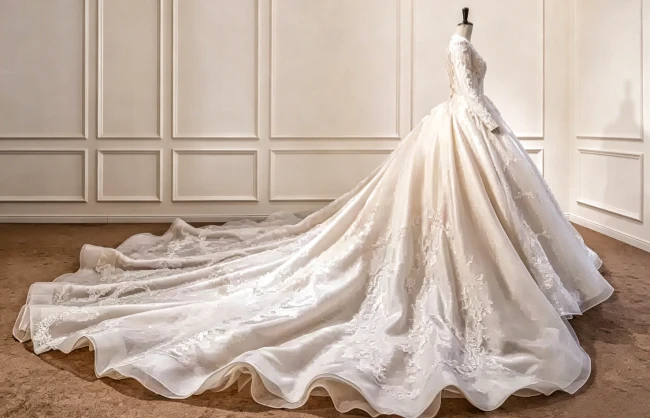
Yet, like black, white has also attained its new meaning—purity and simplicity. In modern fashion, white is more of creating a clean, elegant, and versatile image, and people would wear it daily. It is also common to see brides wearing white western-style wedding dress now. The key lies in context: white is surely acceptable in everyday life but be mindful that it could be inappropriate for some traditional celebrations where joy and prosperity are emphasized.
Other Bad Luck Colors
Besides black and white, several other colors can be unlucky in certain contexts. And these could vary by region, occasion, or even season.
Color |
Meaning / Negative Association |
Contexts Considered Bad Luck |
Grey |
Dullness, decline, loss of vitality |
Avoided in celebrations, seen as lifeless |
Dark Blue |
Associated with depth, sadness, or misfortune |
Sometimes avoided at weddings and New Year |
Yellow (pale or dull shade) |
Once linked to betrayal or disgrace in history |
Negative when faded, not festive enough |
Green Hat |
Symbol of infidelity (“wearing a green hat” means being cheated on) |
Considered a big taboo for men |
Purple (in excess) |
Can imply sadness or extravagance gone wrong |
Not common in festive events in some areas |
Lucky Colors for Chinese New Year
After briefly introduced several special colors above, you may have already noticed that Chinese people really care about choosing right colors in the right occasions. And during the most important Chinese festival, Spring festival (Chinese New Year), picking up the right colors in clothing, decorations, and gifts is definitely of the greatest importance, as it’s believed as a symbol to invite good fortune for the coming year.
Red – The Ultimate Symbol of Luck and Happiness
Red is undoubtedly the most iconic color for Chinese New Year. It represents prosperity, joy, vitality, and protection from evil spirits, this color dominates the celebrations in all the aspects. Wearing red clothing is also seen as a way to ensure a smooth and lucky year.
Gold & Yellow – Wealth and Authority
Gold and yellow typically bring the luck of wealth, royalty, and abundance. Gold, often paired with red, enhances the typical Chinese festive atmosphere and conveys people’s expectation for prosperity. Yellow, historically reserved just for emperors, now can used by anyone to attract the good fortune. Decorative items in these colors are common in households and temples and also during festivals.
Green – Health and Growth
Green typically embodies harmony, renewal, and vitality. As the Chinese New Year is also set to welcome spring, green is highly linked to new beginnings and personal growth. Wearing green accessories or adding green plants to home décor would be a clever move and it’s considered auspicious.

Other Auspicious Colors
Besides the three dominant ones, other colors may also be chosen for their positive meanings
Color |
Meaning |
Why It’s Lucky for Chinese New Year |
Purple |
Nobility, spirituality, dignity |
Symbolizes high status and elegance |
Pink |
Romance, happiness |
Represents harmony in relationships |
Orange |
Energy, positivity |
A warm color that brings optimism |
Specific Lucky and Unlucky Colors for Chinese Zodiac Animals
Another famous and interesting part in Chinese culture is the Chinese zodiac signs, and each one of the twelve zodiac animals is believed to have its own set of lucky and unlucky colors. These colors are thought to give people a power to enhance positive energy, attract good fortune, and balance one’s natural elements.
Here’s a table showing the commonly associated lucky and unlucky colors for each zodiac animal:
Zodiac Animal |
Lucky Colors |
Unlucky Colors |
Rat |
Blue, Gold, Green |
Yellow, Brown |
Ox |
White, Yellow, Green |
Blue |
Tiger |
Blue, Gray, Orange |
Gold, Silver |
Rabbit |
Pink, Purple, Red, Blue |
Dark Brown, Dark Yellow |
Dragon |
Gold, Silver, Gray |
Blue, Green |
Snake |
Red, Black, Yellow |
White, Brown |
Horse |
Yellow, Red, Green |
Blue, White |
Goat |
Brown, Red, Purple |
Blue, Black |
Monkey |
White, Blue, Gold |
Red, Pink |
Rooster |
Gold, Brown, Yellow |
White, Green |
Dog |
Red, Green, Purple |
Blue, White |
Pig |
Yellow, Gray, Brown, Gold |
Red, Blue |
Chinese Colors vs. Western Colors
However, it’s not just Chinese people have special explanations of colors in culture, in western society, colors also carry symbolic meanings, but their interpretations can be somehow different. For example, while white in the West often represents purity and weddings, in China it is linked to mourning. Below is a comparison of key colors:
Color |
Meaning in Chinese Culture |
Meaning in Western Culture |
White |
Mourning, funerals, death |
Purity, innocence, weddings |
Black |
Power, authority, also bad luck/evil |
Elegance, sophistication, also death/mourning |
Red |
Good luck, happiness, prosperity |
Love, passion, danger |
Purple |
Spirituality, nobility, mystery |
Royalty, luxury, creativity |
Yellow/Gold |
Royal power, wealth, honor |
Warmth, sunshine, caution |
Green |
Growth, harmony, health (sometimes infidelity in idioms) |
Nature, freshness, safety |
FAQs about Colors in China
How to Use Lucky Colors in Modern Life?
In China, the idea of lucky colors is still widely applied in daily life. Here are some common ways you can use them:
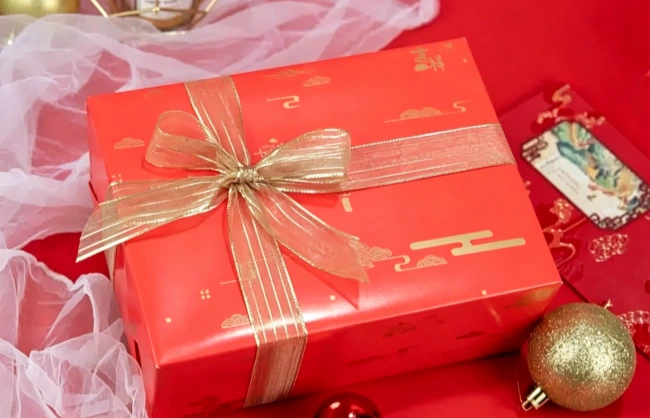
- Choosing gifts: When preparing presents, especially for weddings, birthdays, or Chinese New Year, people would often wrap them in red or gold paper. It’s considered a good and auspicious way to express you best wishes
- Clothing: Add a touched of your zodiac’s lucky colors to your clothing or accessories on important occasions such as job interviews, festivals, or the first day of the ChineseNew Year, this is believed to bring good fortune at the moment.
- Home décor: Many families would buy decors in color red and gold or things like green plants during Spring Festival. Adding more interior designs with zodiac-related colors, such as curtains or cushions, would give power to enhance a sense of harmony at home.
- Special days: People often wear lucky colors on milestone birthdays, business openings, or exams.
- Personal accessories: Small items like jewelry, handbags, or ties in favorable colors can also attract good luck without being too obvious.
Is White Always Unlucky in China?
In a Chinese traditional context, white is predominantly associated with mourning and funerals, and this is why the color is considered unlucky for some celebratory moments such as Chinese style weddings or festivals. However, nowadays, white is widely accepted in people’s daily life as a fashion element and it’s the easiest to match.
Besides, it also attains new meanings like purity, elegance, and simplicity in a lot of sense. It is perfectly fine to wear white wedding dress and white clothes in everyday life, just avoid it as the main color for big traditional celebrations.
Is Purple a Lucky Color in China?
Yes, purple is definitely a lucky and noble color in Chinese culture. Historically, it was closely associated with spirituality, wealth, and high status, just like yellow or gold. You can see it’s importance from the famous term “Purple Forbidden City” (Zǐjìnchéng, another name for the Forbidden City in Beijing) and the phrase: Purple Air comes from the east (the “purple air” here refers to an auspicious aura left by a saint coming from the east). Today, purple continues to symbolize romance, dignity, and good fortune in a lot of aspects.
Is it Bad to Wear a Green Hat in China?
Yes, wearing a green hat is discouraged in China due to some hidden negative meaning. There’s a rather funny Chinese you might heard of: “wearing a green hat” implies that his/her partner has been unfaithful and cheated on him/her. And because of this association, green hats are rarely given as gifts or worn in public. That said, green in general is considered a particularly positive color, symbolizing growth, vitality, and harmony—so clothing in green is fine, just not hats.
Explore Traditional Culture in China with Us
Color is only one interesting part of China’s fascinating cultural traditions, and there’s still more for you to discover. Be ready that every one of them would reflect centuries of history and values. Experiencing these traditions yourself is the best way to truly understand their meaning and Chinese culture.
At Chinaxiantour, we offer carefully designed tours that go beyond merely sightseeing. Our customized journey will allow you to explore ancient cities, join local celebrations, and learn the stories behind cultural symbols just like lucky colors. Whether it’s visiting Xi’an’s old streets, experiencing tea ceremonies, or celebrating the Mid-Autumn Festival with lanterns, our tours will help you connect with China’s living heritage.