


If you are traveling to China for the first time and have no idea of which cities to visit, look no further than a Beijing, Xian and Shanghai itinerary. Often referred to as “China’s Golden Triangle”, these three cities will introduce you to the essence of China’s history, culture and modernity all at once.
Beijing, China’s vibrant capital and once the capital of several late Chinese dynasties, will show you numerous imperial legacy of the country. Xi’an, as the capital for over 13 ancient dynasties, will offer you an unparalleled journey into China’s ancient past. Shanghai, the zenith of modern China, is where a stunning skyline of dense skyscrapers perfectly blends with colonial architecture and pockets of ancient charm.
In this article, we’ll introduce all essential tips and information to plan a Beijing Xian and Shanghai trip. From highlights of each city to the recommended durations, food and accommodation options, budgeting tips, and transportation information, you can make sure you enjoy a smooth and fulfilling journey on your next visit to China.
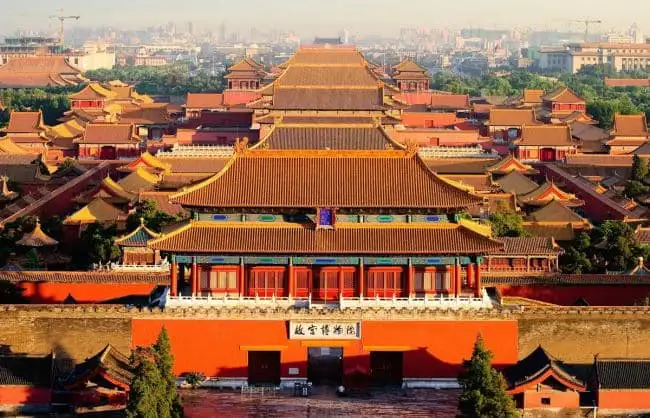
Highlights in Beijing, Xian, Shanghai
Beijing: China’s Imperial Heart
- Historical Significance:
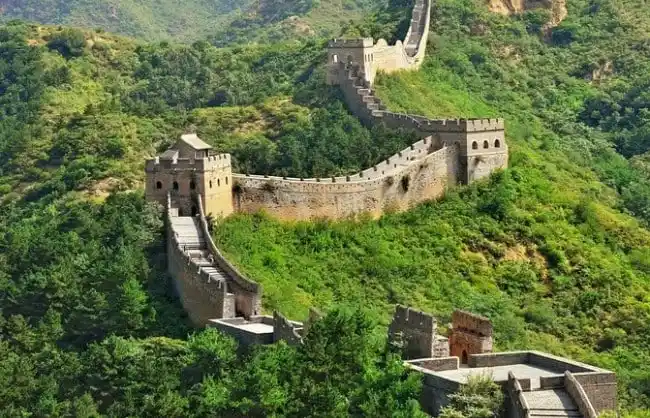
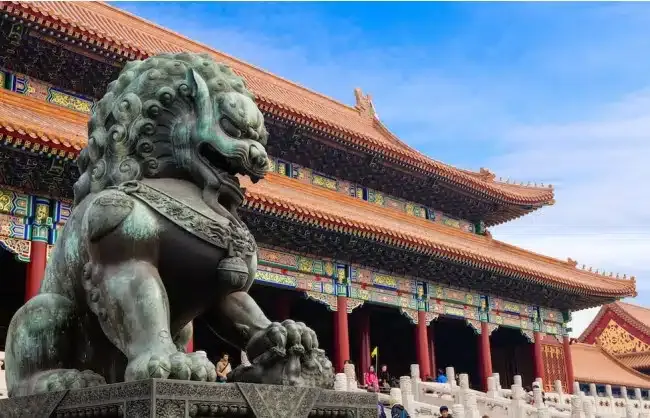
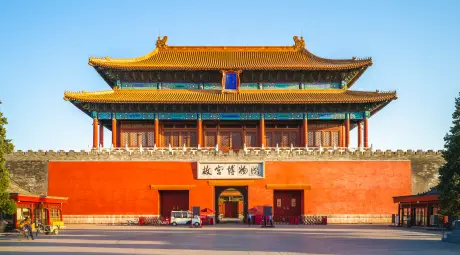
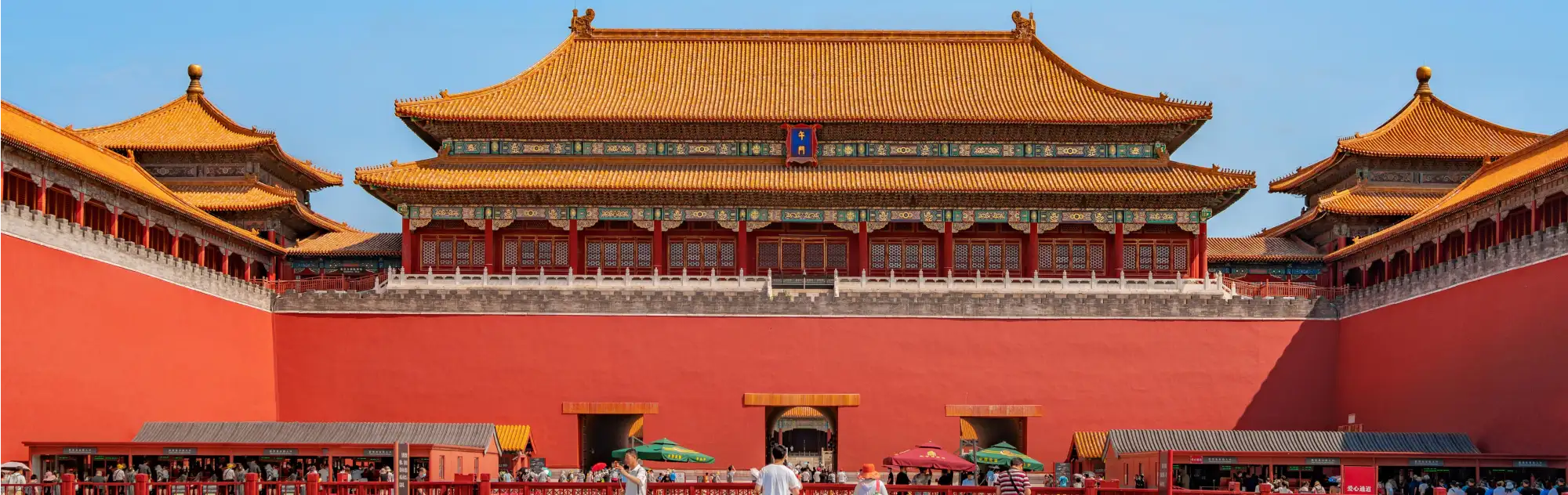
Beijing served as China’s capital for over 800 years. Must-sees include the Forbidden City (imperial palace for 24 emperors) and the Great Wall (Mutianyu or Jinshanling sections are less crowded but with absolutely breathtaking views).
- Cultural Highlights:
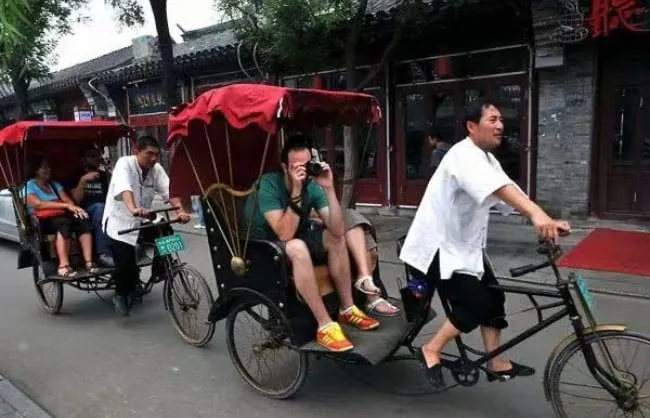
If you want to unveil the cultural treasure of China, stroll through the Summer Palace gardens, watch a Peking Opera show, or explore the traditional hutongs (alleys) by rickshaw. These are some of the most memorable traveling experience you’ll ever have.
Xi’an: Ancient Silk Road Gateway
- The Terracotta Army:
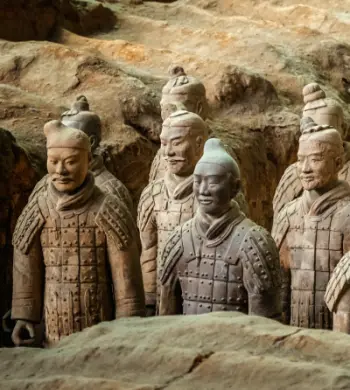
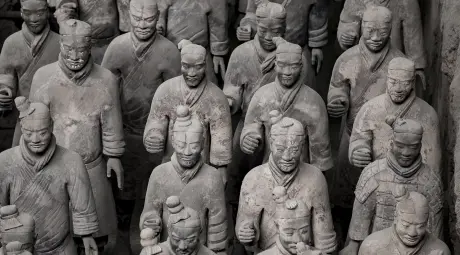
A UNESCO World Heritage site, where you can marvel at 8,000 life-sized clay soldiers guarding Emperor Qin’s tomb since 210 BCE. Arrive early to avoid crowds, especially if you’re traveling during Chinese public holidays.
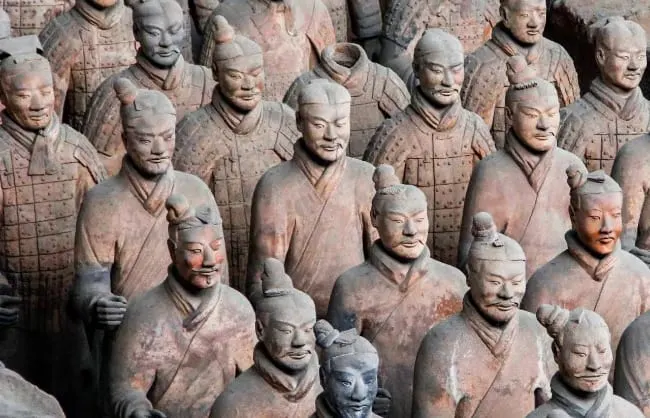
This 14-km Ming Dynasty wall is one of the best-preserved city walls in China, you can rent a bike to cycle along it, and you’ll see the amazing panoramic city views. Definitely worth a try.
Shanghai: East Meets West
- Modern Attractions:
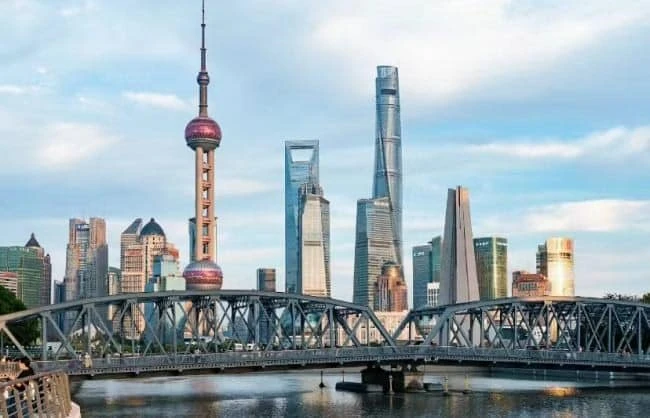
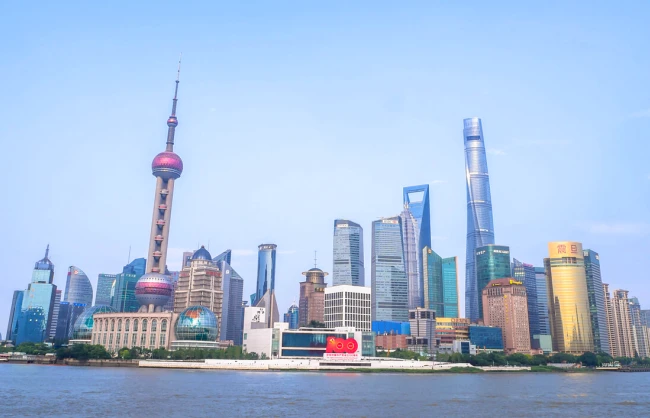
Visit the Shanghai Tower (China’s tallest building) and the futuristic Bund waterfront skyline, this might be your first step of knowing one of the most prosperous cities in the world.
- Historic Sites:
Explore the Yuyuan Garden (classical Ming Dynasty garden) and French Concession’s colonial architecture, experience traditional Chinese culture.
How Long to Stay in Each City
The time you spend in each city is depended on your travel pace and your own preference. Usually, we would recommend an 8- or 11-day trip to cover the iconic sites of each city. That is to say, you can spend about 2-4 days in each place.
Beijing (3-4 Days)
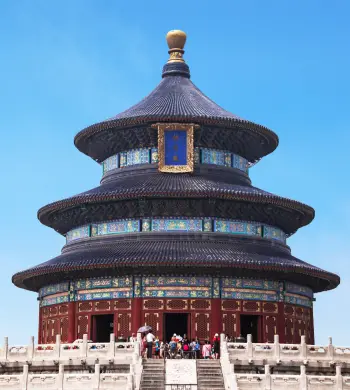
Stay for about 3-4 days in Beijing. You can spare a day for the Great Wall to marvel at the magnificent military architecture and stunning natural beauty of ancient China. 1-2 days to explore the imperial legacy in the city area, such as Forbidden City, Temple of Heaven, Summer Palace, and Lama Temple. The elegant imperial palaces, exquisite decorations on the doors and walls offer a striking contrast with the wild Great Wall. Then, spend one more day to see life in traditional hutongs and trendy streets.
Xian (2-3 Days)
In Xian, 1-2 days is a proper duration to explore its top historical landmarks, including the Terracotta Army, Giant Wild Goose Pagoda, ancient City Wall, Bell Tower, Muslim Quarter and Shaanxi History Museum or Xi’an Museum. Joining one of our Xi’an tours can also make it easier to visit these attractions efficiently. Leave one more day if you want to challenge thrilling hiking at Mount Huashan.
Shanghai (1-3 Days)
1-3 days in Shanghai is usually just right. One day is generally enough to hit the city’s top highlights, including the Bund’s skylines, the Shanghai Tower, Yuyuan Garden, Xintiandi or Nanjing Road. 2 days will give you a more relaxed pace or allow you to dive deeper into Shanghai’s food scene or try some unique cultural experiences. With 3 days, consider a day trip to the nearby Zhujiajiao Water Town or extend the trip to nearby cities, like Suzhou, Hangzhou, Huangshan, etc.
Suggested Beijing, Xi’an, Shanghai Itinerary:
Day |
City |
Activities |
1 |
Beijing |
Arrival, Forbidden City, Tiananmen Square |
2 |
Beijing |
Mutianyu Great Wall |
3 |
Beijing |
Temple of Heaven, Nanluoguxiang Hutong |
4 (added) |
Beijing |
Changling Tomb, Nanshan Lama Temple |
5 |
Xi’an |
Transfer to Xi’an, Terracotta Army |
6 |
Xi’an |
Ming Dynasty City Wall,Great Mosque |
7 (Added) |
Xi’an |
Mount Huashan, Huaqing Palace |
8 |
Shanghai |
Transfer to Shanghai, Huangpu Rive Cruise |
9 |
Shanghai |
Nanjing Road, Wukang Mansion, Yu Garden |
10 (Added) |
Shanghai or Suzhou, Hangzhou |
Zhujiajiao Water Town/Lingering Garden/Humble Administrator’s Garden/West Lake |
11 |
Shanghai |
Departure |
Transportation Information
Beijing vs. Shanghai: Which City Is Better for International Travelers to start?
Both Beijing and Shanghai are major gateways to China, with frequent international flights arriving from around the world. We thus recommend to start your Beijing Xian Shanghai itinerary from either Beijing or Shanghai. Below is a brief comparison to help you decide which city is better to start your trip:
- Beijing: Offers relatively more direct flights from/to Europe (e.g., London, Paris), America, the Middle East and Africa.
- Shanghai: More directs flights from Hong Kong, Japan, Korea, and Southeast Asia available.
Getting Between Cities
Route |
High-Speed Train |
Flight |
Beijing–Xi’an |
4.5–5.5 hours (¥515) |
2 hours |
Xi’an–Shanghai |
6–7 hours (¥670) |
2.5 hours |
Beijing–Shanghai |
4.5–6 hours (¥553) |
2 hours |
(Price may vary, check official website for up-dated information)
Related reading:
Beijing to Xi’an Flight: Time, Prices, Airports & Arrival Tips
Beijing to Xi’an High-speed Train
How to Plan a Beijing to Xi’an Trip
Accommodation Options
Where to Stay in Beijing
- Downtown core (Qianmen or Wangfujing): These areas are in walk distance to major sights, like the Forbidden City, Tiananmen Square, the National Museum. Qianmen Dashilar area offers a unique hutong vibe.
- Sanlitun are Guomao CBD are packed with high-end hotels and offer lively nightlife. They are great options if you want to experience the Beijing’s modernity.
- Shichahai and Nanluoguxiang: Top options for people who want to dive deep into local hutong culture and life.
Where to Stay in Xi’an
- City center (near Bell Tower / South Gate / Muslim Quarter): The top place for first-time visitors to stay in Xi’an. Iconic landmarks, like the City Wall, Bell Tower, and Muslim Quarter are all within walking distance in this area. Budget hotels and high-end hotels are all readily available.
- Near Giant Wild Goose Pagoda or Qujiang:Offers easy access to the Big Wild Goose Pagoda, Tang Paradise, and Shaanxi History Museum. Great for evening strolls.
- Near Terracotta Warriors / Huaqing Palace:The Terracotta Army is located in the outskirts of Xi’ Staying one night in this area allows you an early entrance to the Terracotta Army and a chance to watch the outdoor show The Song of Everlasting Sorrow at Huaqing Palace.
Where to Stay in Shanghai
The best areas to stay in Shanghai are:
- The Bund:Fairmont Peace Hotel – Historic Art Deco gem, 5-min walk to the Bund promenade.
- Pudong:Grand Hyatt Shanghai – Sky-high views of Lujiazui; 10-min walk to Oriental Pearl Tower.
What to Eat
Must-Try Beijing Food
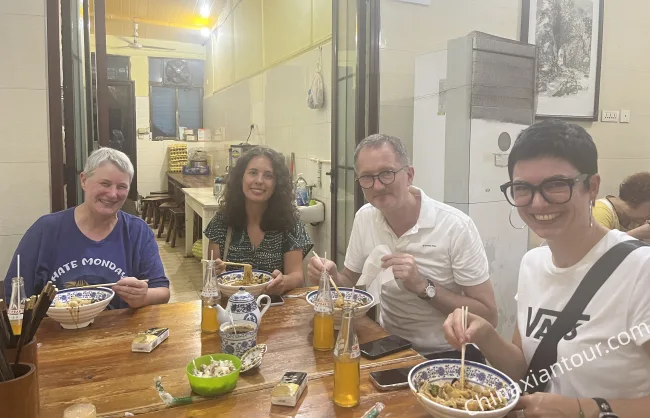
One the most famous and liked Beijing delicacies is Peking Duck (Quanjude/Dashilan), the highlight is the crispy duck skin served with thin pancakes, hoisin sauce, and scallions.
Zhajiangmian (Noodles with Soybean Paste) is another food you cannot miss. This hearty noodle is topped with fermented bean paste and minced pork. Being a traditional Beijing delicacy from Qing dynasty, it carries countless memories of Beijing generations.
Douzhir (Fermented Bean Drink) is a traditional savory drink that commonly pairs with fried snacks. However, not many people can accept to the taste (even locals) from the very beginning. Take is as a challenge, but maybe you’ll surprisingly find yourself loving it from the first sip.
Where to Eat in Beijing:
- Huguo Temple Snack Street
- Dashilan Night Market
Top Xi’an Food
Roujiamo (Chinese Burger) is type of braised pork sandwich with pickled vegetables, served in a crispy bun. It’s one the most iconic and delicious local food in Xi’an, and you can have it either as a full meal or a snack. Pair it with Liangpi, this is a local favorite combo.
Biangbiang Noodles is also a widely-liked food. This kind of noodle has an unusual shape, wide, hand-pulled, served with chili oil, minced meat, and different vegetable. It has a pleasantly firm texture and can really fill you up.
Yangrou Paomo (Lamb Stew with Bread) is a hearty lamb stew from Xi’an’s Muslim community, featuring tender shredded lamb slow-cooked in a fragrant broth with spices (cinnamon, star anise), served with crumbled flatbread.
Where to eat in Xian
- Muslim Quarter Night Market
- De Fa Chang Restaurant
Top Recommended Shanghai Food
Xiaolongbao (Soup Dumplings) is a type of Shanghai’s famous soup dumplings, and they are known as carefully made treasures. These steamed bundles have thin wrappers filled with minced pork and a special jelly that turns into hot, tasty broth when cooked.
Hairy Crab (阳澄湖大闸蟹) is a seasonal delicacy prized for sweet roe (females) and tender meat (males). It’s usually steamed whole, served with ginger-vinegar dip.
Making Shengjianbao (Pan-Fried Dumplings) needs to first use rather thick, semi-fermented dough to wrap around pork filling and savory broth jelly. Then they’ll be pan-fried until the bottom turn golden, and being topped with sesame seeds and scallions. So that it will have a crispy bottom and fluffy top. Best eaten fresh from street stalls.
Where to Eat in Shanghai
- Nanjing Road
- Tianzifang
- Xintiandi
Budgeting Your Trip
Expense |
Budget (per person) |
Mid-Range |
Luxury |
Accommodation |
$30–50/night |
$80–150 |
$200+ |
Food |
$10–15/day |
$20–30 |
$50+ |
Attractions |
$50–70 total |
$100–150 |
$200+ |
Transport |
$200–300 (trains) |
$400 (flights) |
$500+ |
The above prices are for your reference, and the real price may fluctuate by seasons, and demand.
Best Times to Visit Beijing, Xi’an & Shanghai
Recommended Seasons:
- April–May & September–October
Weather: Mild temperatures (15–25°C / 59–77°F) with low humidity and minimal rain.
Why Ideal:
- Spring (Apr–May): During these months, there will be cherry blossoms in Beijing’s parks (e.g., Yuyuantan Park) and vibrant greenery arise around the Great Wall. Perfect for sightseeing and don’t forget to take pictures in these amazing scenery.
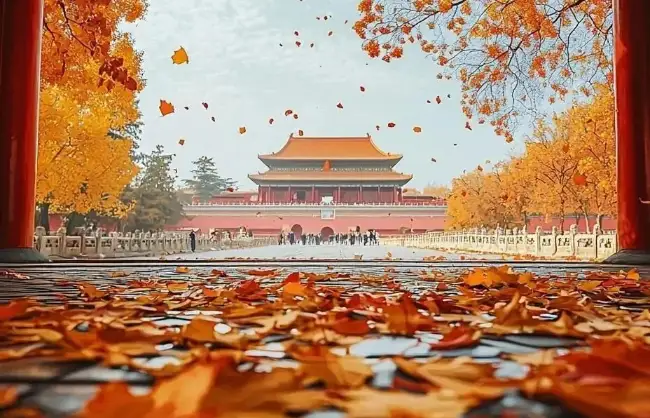
- Autumn (Sep–Oct): One of the most comfortable hiking weather in Xi’an, and also clear skies for Shanghai’s skyline views. All add up to the best travel experience.
- Fewer crowds at major attractions compared to peak seasons(like the summer vacation).
Periods to Avoid
- July–August:
Extreme Heat: Temperatures would soar to 35–40°C (95–104°F) with high humidity. As a result, you’ll probably fail to get the best travel experience, especially if you’re fond of outdoor activities, in this season.
Crowds: Domestic tourism peaks during summer holidays. Expect 2–3 hour queues at the Terracotta Army or Forbidden City.
Rain: Shanghai and southern regions face typhoon risks (late August).
- Major Chinese Holidays:
Chinese New Year (Jan/Feb):
Hotels and trains sell out months ahead; prices triple.
Many local businesses/attractions close for 3–7 days.
- National Day “Golden Week” (Oct 1–7):
Over 700 million domestic tourists travel—avoid sites like the Great Wall or Bund.
Flights/trains require bookings 90+ days in advance.
Shoulder Season Considerations
November–March (Winter):
- Pros: Snow transforms the Great Wall into a magical landscape; fewer tourists.
- Cons: Freezing temperatures (-10°C/14°F in Beijing/Xi’an); Shanghai is damp and chilly.
- Tip: Ideal for budget travelers—hotel discounts up to 40%.
Preparing for Your Trip
- Travel documents:Passport, visa (if required), travel insurance.
- Adapters:China uses Type A/I outlets (220V).
- Comfortable shoes: For hiking the Great Wall or exploring old towns.
- Cash: Carry RMB for small vendors; credit cards work in upscale areas.
- Apps: Download Ali pay/ Wechat pay/ Didi/ translator app like Google translator
- Health:Any essential medicine you may need
Read our ultimate packing list for a China trip to get more prepared.
Related reading: Beijing vs Shanghai: Which to Visit? (A Complete Comparison)