




Traveling to China needs you to carefully prepare due to things like distinct geography across regions, diverse weather conditions, and unique cultural norms of different ethnic groups. As a result, a well-thought-out packing list can help you be equipped for everything you may encounter, ranging from navigating megacities like Beijing and Shanghai to exploring remote areas like Tibet or Yunnan.
A summer trip to Chongqing and Sichuan needs you to bring lightweight, breathable clothing to tackle humidity and scorching heat, while visiting Harbin in winter would need thick and insulated gear to protect you from blistering cold temperature as low as -25°C (-13°F). Beyond weather considerations, understanding cultural nuances, such as dressing modestly at Buddhist temples, can prevent a lot of unnecessary misunderstandings.
This guide will tell you what you really need to pack for a trip to China to accommodate to different itineraries, seasons, and travel types. We’ll try our best to ensure you’re all prepared for both practical challenges and cultural experiences.

Content Preview
- China’s Regional Diversity
- 1. Essential Travel Documents
- 2. Clothing: Adapt to China’s Climates: Seasonal Packing Guide
- 3. Cultural Considerations
- 4. Accessories
- 5. Electronics
- 6. Travel Comfort Items
- 7. Apps to Master
- 8. Health & Safety: Beyond the Basics
- 9. Cultural & Practical Tools
- 10. Dietary Needs and Special Foods to Bring
- 11. Travel with Children or the Elderly
- Things Not to Bring to China
- Pack-by-Duration Suggestionsa
- Pre-Departure Tech Setup for China
- FAQs about What to Pack for China Tour
- Travel with China Xian Tour for a Worry-free China Trip
China’s Regional Diversity
China has a rich landform spanning deserts, mountains, coastal plains and more, each would require distinct packing strategies. In the far northwest, such as Xinjiang, temperatures swing dramatically between day and night. So please bring both light and breathable day-wears and layered clothing which can keep you warm at night.
Along the Yangtze River Delta (e.g., Hangzhou, Suzhou), humidity is a rather significant problem, so that you would need moisture-wicking fabrics. Meanwhile, rural areas like Guizhou demand durable footwear for cobblestone paths and uneven terrain.
Urban hubs prioritize convenience, but don’t underestimate the need for anti-pollution masks in cities like Beijing during high-smog days. By aligning your packing list with China’s regional diversity, you’ll enhance both comfort and safety.
1. Essential Travel Documents
· Passport & Visa
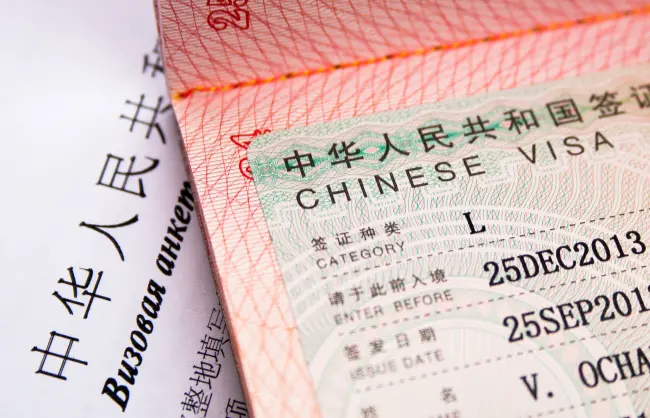
Before booking your China tour, confirm your passport’s validity, it must be valid for at least six months beyond your travel dates. Apply for a Chinese visa early, as processing times could vary for a lot of reasons. Currently, citizens from 54 countries can enter China visa-free under the 240-hour visa-free transit policy, and citizens from 43 countries are eligible for the 30-day visa-free policy.
Save digital copies of flight itineraries, hotel bookings, and traveling to China confirmations, you may need to submit them at the customs, especially if you want to get a 240-hour-visa-free transit.
· Travel Insurance & Itinerary
If needed, purchase comprehensive travel insurance covering medical emergencies, trip cancellations, and more. China’s healthcare system often requires upfront payment, so ensure your policy includes repatriation costs.
· Money & Communication
Nowadays, cashless payment is dominant across the nation. However, it is quite necessary to prepare some cash in case you’ll visit street vendors, temples, and rural markets. Carry a mix of small bills (¥10–¥100) and cards (Visa/Mastercard accepted at upscale hotels and malls).
Note that Alipay/WeChat Pay is used everywhere in urban areas, and also a lot of rural regions, but still, do not ignore the importance of cash (RMB or HKD).
Download translation apps like Google Translate (with offline Chinese packs) to navigate menus, signs, or basic conversations.
Read more about China Trip Cost 2025: How Much Does It Cost to Travel China?
2. Clothing: Adapt to China’s Climates: Seasonal Packing Guide
-
Spring (March–May)
Spring temperatures range from 10–25°C (50–77°F) but vary sharply between regions. In Beijing, even it’s already spring, you should still going out with a fleece jacket and lightweight trousers in case of sudden cold waves would come. In Yunnan’s subtropical climate, it’s better for you to pack breathable linen shirts and waterproof sneakers for misty mornings.
Avoid heavy boots; instead, opt for ankle-supporting shoes for hiking/biking in terraced fields like Yuanyang. And also, you may face long-distance walking when exploring different attractions.
Check out the packing list for the most popular spring destinations in China:
Regions |
What to Wear / Pack |
Beijing, Xi’an |
Fleece jacket, long-sleeved base layers, light trousers |
Yunnan |
Breathable linen shirts, waterproof sneakers, light raincoat |
Guizhou |
Layered outfits, hiking shoes, hat for drizzle or sun |
-
Summer (June–August)
Summer heat and humidity (25–40°C / 77–104°F) are relentless in central and southern parts of China, which include a great number of popular cities. As a result, prioritize moisture-wicking fabrics: quick-dry t-shirts, cycling shorts, and UV-blocking sun dresses. Cities like Wuhan and Nanjing experience “heat islands,” so carry a compact umbrella and sweat-wicking socks to prevent blisters. In coastal areas like Sanya, swimwear and rash guards are essential for beach outings.
Below we offer what clothing you should pack if visiting China’s best summer destinations and hottest cities.
Regions |
What to Wear / Pack |
Chongqing, Wuhan |
Quick-dry shirts, shorts, moisture-wicking underwear, portable fan |
Shanghai, Sanya |
Rash guards, swimwear, flip flops, sun hats, sunscreen |
Guilin |
Lightweight long sleeves (for sun/mosquitos), anti-chafe socks |
Tibet |
Quick-drying short-sleeved T-shirts, thin jackets/sweaters, lightweight down jackets or parkas (needed in the morning and evening), and jeans (shorts are basically not used) |
Jiuzhaigou |
Waterproof windbreaker or raincoat, light down jacket (can be used in the early & late morning when it’s cold), quick-drying long-sleeved T-shirt, quick-drying long pants or jeans |
Inner Mongolia |
Light windproof coat, light knitted cardigan, T-shirt, pants – don’t wear shorts in the grassland |
-
Autumn (September–November)
Autumn offers crisp air, cool weather (15–25°C / 59–77°F), and wonderful views, making it the most ideal season for outdoor exploration. A packable down jacket pairs well with jeans in most cities like Xi’an’s, Chengdu, Guilin. For hiking or cycling activities in places like Huangshan, thermal layers can prevent negative effects of temperature drops at higher altitudes.
See the clothing pack guide for your China autumn travel plan:
Regions |
What to Wear / Pack |
Xi’an, Chengdu |
Packable down jacket, jeans, comfortable sneakers |
Huangshan |
Thermal base layers, windbreaker, trekking poles |
Hangzhou, Suzhou |
Knit sweaters, walking shoes, rain protection gear |
Zhangjiajie |
Quick-drying long-sleeved T-shirt, thin fleece jacket, wool sweater or hoodie, lightweight down jacket (might be useful at the summit), pants |
For your reference, below is the packing list for a China winter tour from the north to south.
-
Winter (December–February)
Northern China would be extreme cold during winters, so it requires heavy-duty gear: down jackets rated to -10°C (14°F), thermal leggings, and glove liners. In Harbin, waterproof over-boots will shield you against ice and snow. But don’t worry too much, nearly all indoor areas are heated. Southern cities like Guangzhou remain mild (10–20°C / 50–68°F) but damp; pack a windproof trench coat and hand warmers for train rides.
Regions |
What to Wear / Pack |
Harbin, Inner Mongolia |
-25°C down jacket, thermal leggings, snow boots, insulated gloves |
Beijing, Luoyang |
Wool coat, fleece layers, scarf, thermal socks |
Guangzhou, Guilin |
Light winter coat, warm layers, umbrella for damp weather |
3. Cultural Considerations
When visiting temples, mosques, or cultural landmarks in China, modest clothing is expected. It is regarded as a way to show respect for local traditions. For example, at the Potala Palace in Tibet or the Great Mosque of Xi’an, visitors’ clothes should be able to cover their shoulders and knees.
Don’t forget to pack a lightweight shawl or scarf to quickly adjust your outfit if needed, based on where you are exactly going. Avoid transparent or overly tight clothing in the places mentioned, smart-casual attire is acceptable for most other attractions.

4. Accessories
Accessories play an important role when traveling to some places in China: they could protect you against several environmental challenges and bridge cultural gaps. The right accessories can ensure both comfort and cultural respect.
· Sandstorm-Resistant Scarves:
Northern regions like Beijing and Inner Mongolia experience sandstorms in spring (April–May) sometimes. Pack a compact, breathable scarf (silk or synthetic) to cover your nose and mouth.
· UV Protection Sunglasses:
China’s high-altitude areas (e.g., Tibet) and coastal cities like Shanghai commonly enjoy intense sunlight. It is important for you to bring a pair of wraparound sunglasses with 100% UV protection to shield your eyes during outdoor activities, such as during hiking or exploring the Bund.
· Reusable Shopping Bags:
Many Chinese cities (e.g., Shanghai, Shenzhen) have restriction of single-use plastics. A foldable, durable tote bag is ideal while you’re shopping groceries or souvenirs. Maybe you’ll need to add a small internal pocket for transit cards or cash.
· Modesty Shawl:
A lightweight shawl doubles as a sandstorm accessory and a modesty cover for religious sites like the Great Mosque of Xi’an. Silk or chiffon options are easy to pack.
5. Electronics
Electronics are indispensable for traveling and navigating China’s fast-paced environment, enhancing convenience. China’s reliance on mobile payments and digital navigation makes electronic devices like smartphones and power adapters significantly essential.
· USB ports & A Universal Adapter
China’s power grid runs on 220V, so remember to bring a universal adapter with USB ports (e.g., Targus or Belkin). A high-capacity power bank (20,000mAh+) is critical for long train rides, such as the 8-hour journey from Chengdu to Chongqing. However, if you’re traveling by high-seed trains, there’s no much necessity to worry about this. Noise-canceling headphones are invaluable for overnight buses in mountainous regions.
Read more about Essential Guide to China’s Plug Types, Sockets, Adaptors & Voltage
· Camera
Definitely bring a camera if you’re interested in taking photos or you want to better save the key moments in your journey. There will be plenty of breathtaking views worth a picture.
Power Bank
In all the commercial areas of Chinese cities, many restaurants and tourist attractions offer shared power banks. However, it is best to bring your own one with you because you may need to go to remote areas or during peak hours, it might be difficult to find a place to return the rented shared power bank.
According to Chinese civil aviation regulations:
- Power banks can only be carried in carry-on baggage or on your person; they are strictly prohibited in checked baggage.
- Power banks with a rated energy of no more than 100Wh do not require airline approval; those with a rated energy exceeding 100Wh but not exceeding 160Wh require airline approval, but each passenger may not carry more than two power banks.
- Power banks with a rated energy exceeding 160Wh are strictly prohibited.
- Latest news indicates that every airport in China will check if your power bank has 3C certification and must be clearly labeled (rated capacity, rated voltage, manufacturer information).
Already have a power bank on your packing list? Remember not to use a power bank to charge electronic devices during the flight!
6. Travel Comfort Items
Long flights, train rides, and sightseeing demand items that can ensure your comfort and practicality. Travel pillows, reusable bottles, and entertainment options would enhance relaxation along your way. Don’t forget to bring your favorite healthy snacks, which can sustain energy during delays or outdoor excursions.
· Travel Neck Pillow and Eye Mask:
Memory foam neck pillows with adjustable straps can effectively prevent neck strain during overnight buses or flights. You may also need a silk eye mask to block light for naps on noisy trains/flights.
· Snacks for Long Journeys:
Pack non-perishable snacks like dried nuts, rice cakes, or protein bars, which are easy to pack, easy to eat no matter where you are and can quickly replenish your energy. For regional flavors, try vacuum-sealed Sichuan beef jerky or dried longan fruits.
· Books, E-readers, or Podcasts:
If you’re interested, also prepare some audiobooks on Mandarin culture (e.g., The Silk Roads) or podcasts like TeaTime in China, they can kill some time on your flights and also deepen your travel experience.

7. Apps to Master
- Ali Pay/WeChat (微信): These are two of the most important apps you need to figure out how to use. Essential for mobile payments, booking trains, and joining group chats with tour guides.
- Didi Chuxing: China’s ride-hailing app, just like uber, download it before arrival.
- Gaode/Baidu Maps: They provide offline maps for remote areas, where Google Maps often fails.
8. Health & Safety: Beyond the Basics
Toiletries
Tap water is chlorinated and safe, but you cannot drink it directly. Bottled mineral water (quite cheap, 1-3 RMB each) can be find basically everywhere, but you can also bring your own large capacity water bottle, so that you don’t need to buy water time to time. Mosquito repellent with DEET is mandatory for rural Guangxi or Xishuangbanna.
First Aid Kit
Take motion sickness tablets for bus rides along the Sichuan-Tibet Highway. Blister pads are vital for long distance walk especially on cobblestone streets.
Personal Care Essentials
Aside from basic health items, don’t overlook daily personal care—especially if you’re traveling to different regions and going to face China’s varied environments. Here’s a focused list to help you pack what matters:
Essential Item |
What to Pack |
Why It Matters |
Extra Tips |
Toiletries |
Travel-sized toothbrush, toothpaste, shampoo |
Many eco-friendly hotels no longer provide full toiletries |
Widely available at local supermarkets—no need to pack your whole bathroom |
Shaving Items (Men) |
Electric or manual razor |
Few hotels offer razors |
Electric razors allowed in carry-on; remove blades and batteries for manual ones |
Feminine Products |
Sanitary napkins, tampons |
Tampons are rare in smaller cities or stores |
Bring enough; tampons only found in larger chains like Watsons and Hema |
Sunscreen & Lotion |
SPF 30+ and light moisturizer |
High UV in Tibet/coastal areas, and dryness in northern climates |
Look for non-greasy or sensitive-skin-friendly options |
Hand Sanitizer |
Alcohol-based (≤100ml) |
Important in rural restrooms or crowded stations |
Carry one in your daypack; backup packs can be bought locally |
9. Cultural & Practical Tools
· Navigation & Etiquette
Traveling in China’s cities and rural areas would need a mixed usage of digital tools and your cultural awareness. While apps like Baidu Maps can simplify ways of transportation for you, understanding basic Mandarin phrases and local etiquette will allow you a smoother interactions with locals.
Learn phrases like “Where’s the restroom?” (洗手间在哪里?) and “Thank you” (谢谢).
· Local Guides
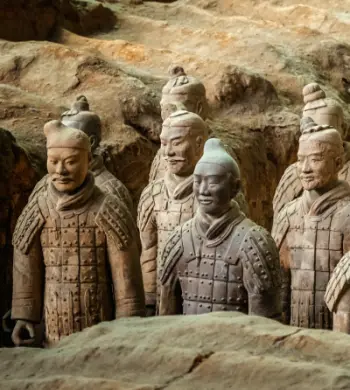
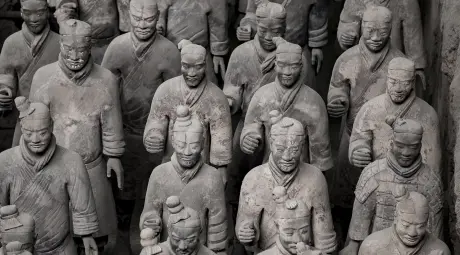
If you are not used to rely too much on internet, carry a folded map of places like Beijing’s hutongs or Xi’an’s Terracotta Warriors for offline navigation.
10. Dietary Needs and Special Foods to Bring
- Medical Needs: Pack prescription medications in original packaging, must with a doctor’s note (in both English and Chinese). Especially if you’re a allergy sufferers, be sure you don’t forget to carry the medicine you need.
- Special Snacks: For gluten-free or vegan diets, bring portable options like rice-based crackers or dehydrated fruit.
Related reading: Top 8 Tips for a Gluten-Free Trip to China
11. Travel with Children or the Elderly
- Kids: Noise-canceling headphones for long flights, pair with a reusable cup with favorite snacks, and a coloring book or children’s book.
- Babies & Toddlers:Formula (full cans or individual containers), bottles, nipples (including spares), bottle brush/cleaning solution, insulated mug/folding kettle, baby food bowls and spoons, bibs, ready-made baby food/snacks, diapers, and don’t forget a lightweight, foldable stroller (carry-on type preferred).
- School Students & Teenagers: Interesting picture books/storybooks, sketchbooks with drawing supplies, headphones, a tablet (preferably with some downloaded animations/movies/documentaries related to your destinations.
- Seniors: Compression socks for long flights, a lightweight walker/cane with rubber grips (for uneven cobblestone paths), and motion sickness wristbands for bus rides in mountainous regions.
- Wheelchair Users: For the elderly with limited walking or disabled individuals, bring your own wheelchair (accessibility services can be booked in advance with the airport/train station).
Things Not to Bring to China
Avoid overpacking or bringing things that may be restricted, unnecessary, or may have difficulty to use in China:
- Excess toiletries
Basic hygiene products are widely available at local stores like Watsons, Lawson, and supermarkets. So the best way to save luggage space is to buy these daily supplies on arrival.
- Drones and aerial devices
These are restricted or require complex permits in most tourist areas. Carrying one might delay you at customs.
- Too many supplements
Bring only what you need in original labeled packaging. Excessive quantities may be questioned at customs.
- Revealing or overly flashy clothing
Particularly discouraged at religious or rural sites. Stick to modest, neutral outfits in such locations.
- Unnecessary cash
China is primarily cashless. You only need small amounts for rural markets or emergencies. Use WeChat Pay/Alipay or bank cards at most locations.
Related reading: Air Travel in China: Flights, Airlines, Booking & Tips
Pack-by-Duration Suggestions
3–5 days
- 2–3 tops
- 1 pair of trousers/jeans + 1 pair of shorts
- Underwear & socks for each day (1 extra)
- A layer
- Toiletries
- Essential electronics
- Basic first-aid/medicine
7–10 days
- 3-4 tops + 1 long-sleeve shirt
- 2 bottoms
- Layering piece
- Outer layer
- Shoes: comfortable walking pair and sandals
- Additional pair of socks
- One “smart-casual”outfit for pictures
2-week+ trip
- Enough tops (which can also be washed in mid-trip)
- 3 bottoms
- Heavy outerwear(high altitude or cold regions)
- Thermal base layer
- A modest wrap/shawl
- Extra toiletries & sunscreen
- Electronicdevices
- Health & comfort kit
- Travel folder with documents (digital copies)
- Backup payment option (cash & cards) and emergency kit
Pre-Departure Tech Setup for China
- VPN (Optional): You may find it restricted to use some foreign websites and apps in mainland of China.So a reliable VPN is needed before departure.
- Offline Map Packages: Download Gaode (Amap) or Baidu Maps offline packs. Google Maps is unreliable in mainland of China.
- Mobile Payment Setup: Set up WeChat Pay or Alipay with your passport and foreign bank card. Try to complete real-name verification before your trip.
- Power Backup: Bring a 10,000-20,000mAh power bank and a universal adapter that supports China’s 220V system.
Apps to Master (with VPN & Translation Tools)
- VPN Apps: Only if you plan to access foreign services like Gmail or Instagram. Install before entering Chinaas you cannot download most VPNs once you’re inside the country.
- Translation Tools: Download Google Translate or DeepL with offline Chinese language packs.
- WeChat & Alipay: Essential for payments, communication, and scanning QR codes for tickets or reservations.
- Gaode/Baidu Maps: The most accurate navigation tools for mainland of China.
FAQs about What to Pack for China Tour
Q: Can I buy toiletries and personal care items easily in China?
Yes. You can buy them everywhere, in all kinds of shops. But it may be a little hard to by in some really remote or high-altitude regions. So if you’re traveling to those places, prepare in advance.
Q: What are the must-have items for visiting high-altitude regions like Tibet?
Warm clothing, sunscreen protection, and altitude-sickness medication (ask recommends from your doctor).
Q: Are drones, cameras, or other electronics restricted?
You’ll often need to get special permits to use Drone and this could delay customs clearance depending on the region. Cameras are usually fine. Check official website for more accurate information.
Q: What documents should I keep with me during travel?
Passport, visa, travel insurance details, itinerary print/outlines, accommodation confirmations, emergency contact list, and a list of important apps/logins.
Q: How can I pack light for a multi-city trip in China?
Choose mix-and-match clothes, and consider buying small essentials locally when you arrive. Do laundry during longer stays to reduce what you carry. Use packing cubes to save space.
Travel with China Xian Tour for a Worry-free China Trip
China is a vast and treasured land with countless impressive highlights. When traveling through different cities, you’ll also get to discover the infinite cultural, historical, and natural charm of this country. To make the most of your time here, consider having a China trip with China Xian Tour. And our professional guides will take care of everything for you along the way. Contact us and start planning you worry-free trip!