China Winter Tours: Harbin Ice Festivals & Warm Escape
Keen to explore China in winter, but afraid of the cold? For those in the know, winter in China is more than just frigid – you can expect the snow fun, as well as the warm weather destinations. The snowfalls in northern China draw a lot of visitors (especially those from Singapore, Malaysia, and other Southeast Asian countries), who can take in the sheer beauty of snow-capped landscapes over the mountains, cities, and ancient architecture. Join the magical Ice and Snow Festival of Harbin, enjoy thrilling skiing in Beijing, or soak in the soothing hot springs in Xian. Alternatively, escape the cold to Sanyaās sunny beaches and the spring city of Kunming.
Get more inspiration to plan a winter tour in China with us! Those looking for winter travel over Christmas and New Year are strongly recommended to head to Harbin (the āIce Cityā) for an in-depth experience of the real winter wonderland of ice and snow. Hong Kong or Guangzhou is the best place to savor the traditional festival customs. In addition, the breathtaking snow scenery of Mt. Huangshan and the comfortable hot springs will give you an unforgettable winter vacation.
Why Travel to China in Winter?
Amazing ice and snow spectacle: showcased in Harbin Ice and Snow World, Jilin Frost Island, Changbai Mountain Heavenly Pool; Plus various ice and snow activities, including Yabuli Ski Resort, Chinese Snow Village hiking, etc.
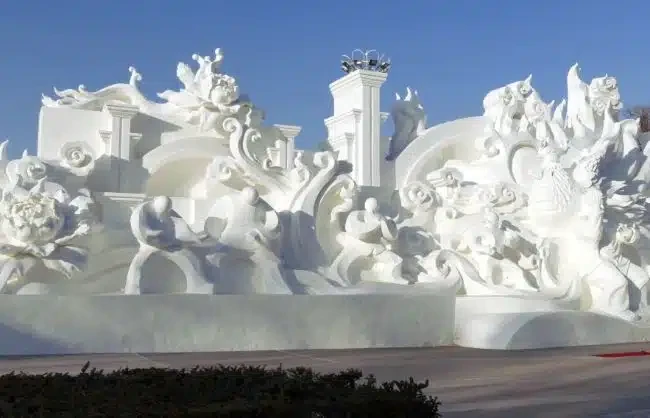
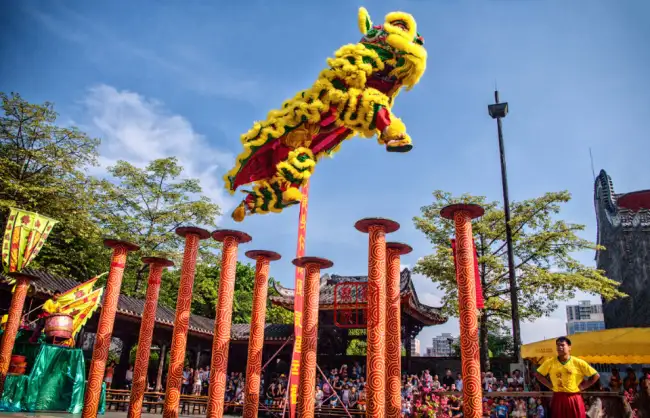
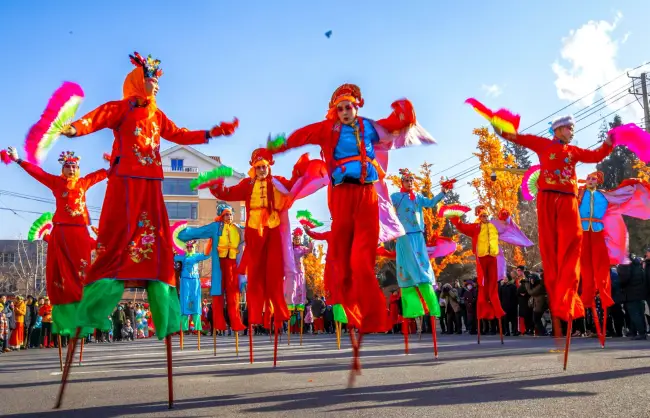
Joyful winter festivals and events: Harbin Ice and Snow Festival, Chinese Lunar New Year, Lantern Festival etc., invite you to enjoy creative snow sculptures and ice lanterns, and experience old Beijing temple fairs and dragon and lion dances
Highly cost-effective: Winter is the off-season for most cities in China (except Harbin and Sanya), you can expect air tickets to be 20% – 50% cheaper than in the peak season, and hotels to be discounted by 50%.
Chinese winter delicacies: dumplings, Sichuan hot pot, Northeast iron pot stew, Beijing braised mutton and roast duck, Xi’an lamb soup dumplings, etc.
Quieter travel experience: Compared to China’s peak tourist season, many cities have fewer tourists in winter.

8 Best China Winter Tours: Private/Custom Trips in Winter
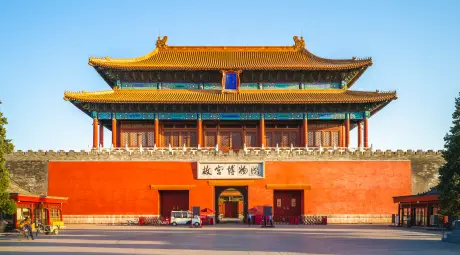
Why should you visit China in winter? Winter in China creates a wonderland that offers the annual Harbin Ice and Snow Festival, highlight world-famous attractions like the Great Wall and Forbidden City blanketed in snow, and prepares a range of winter activities for every traveler. Moreover, take in the sheer beauty of Jiuzhaigou, Huangshan Mountain, and other scenic destinations while experiencing a savory winter. Travel with Chinaxiantour to explore the best places of China in winter with private trips to unveil its unique charm.
Enjoy curated winter fun with the Great Wall of Chinaās snowy landscapes, private city tour packages to Harbin and Shanghai from Beijing, Snow and Ice Festival, and rich cultural heritages.
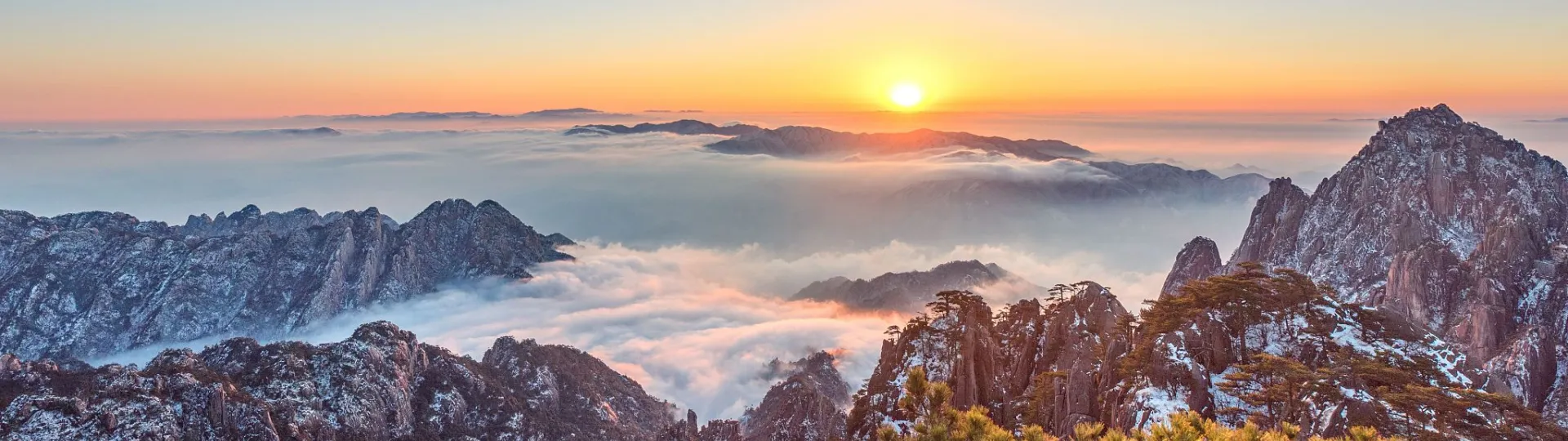
Dive into the adventure to the Yellow Mountain of a lifetime, viewing sea-of-clouds, misty pine, and soft rime, and UNESCO-listed Hongcun Village, exploring the highlights of Huizhou culture & architecture.
Discover Chinaās wonders in the winter season, from vibrant Harbin Ice Festival to exciting Yabuli ski resort skiing, from big-name attractions in Beijing to the city highlights of Shanghai – tailored by a CXT expert.
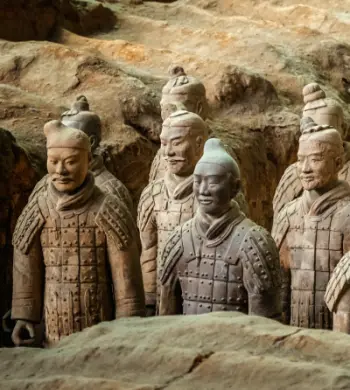
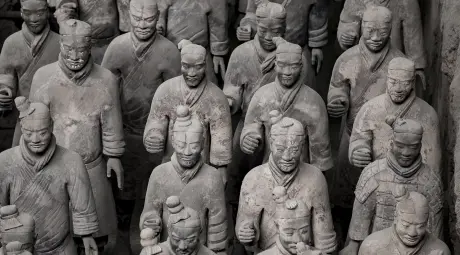
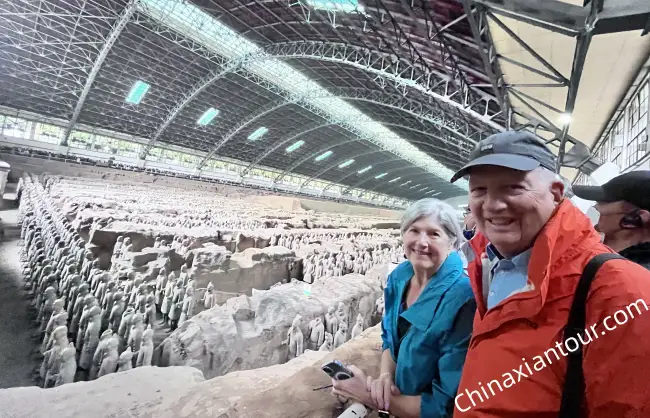
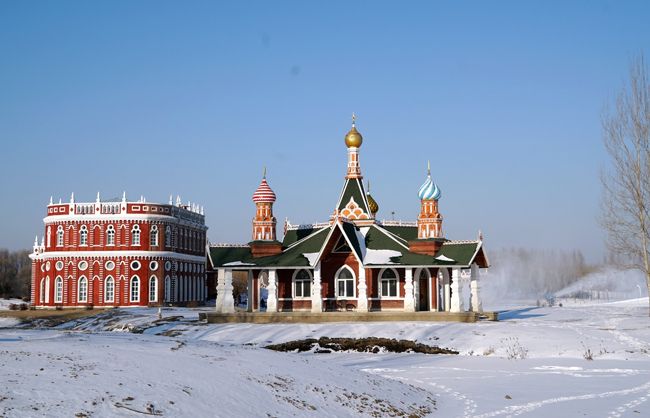
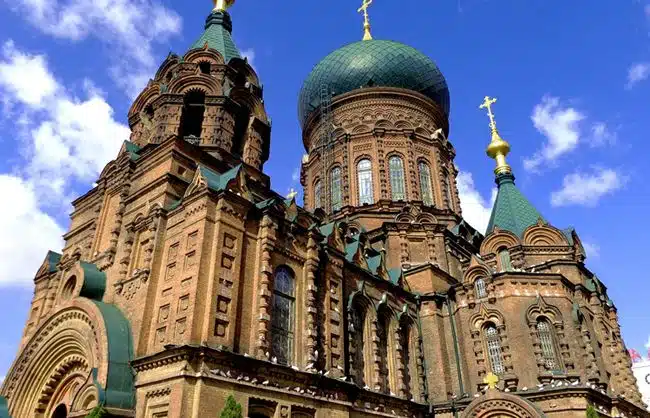
Dive into Xianās and Harbinās best in this winter, from the iconic Terracotta Warriors and Giant Wild Goose Pagoda to Harbinās Ice and Snow World, St. Sophia Cathedral, Yabuli ski resort, and China Snow Town.
Take a bespoke winter vacation from Shanghai to Harbin. Savor Shanghaiās top highlights – from the Bund to Shanghai Disneyland. Then embrace the snow fun in Harbin Volga Manor, Yabuli, and Snow Town.
This itinerary is especially crafted for those looking for a skiing tour to Harbin in winter with the snow festival after the Xian Terracotta tour. Experience world-class skiing and snowboarding at Jihua Ski Resort.
The trip combining winter landscapes, comfortable weather, and distinctive ethnic minority cultures of Yunnan offers the same allure to nature lovers, culture buffs, and photographers.
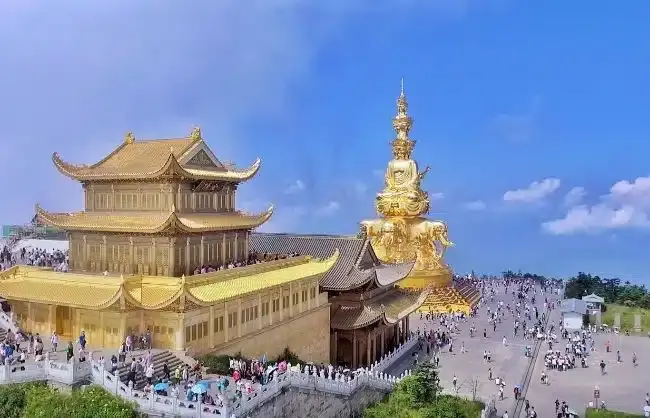
Travel from Chengdu to Jiuzhai Valley to unveil a tranquil fairy tale world of ice and snow. Then admire the Leshan Giant Buddha. At Mt. Emei, take in the stunning snow-covered landscape dotted with ancient temples.
Popular Harbin Winter Tours 2025/2026
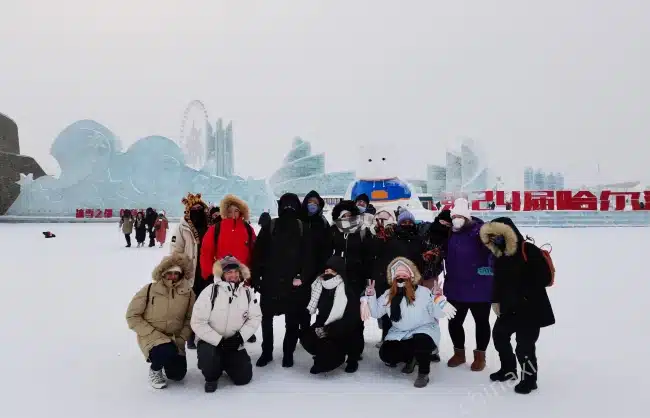
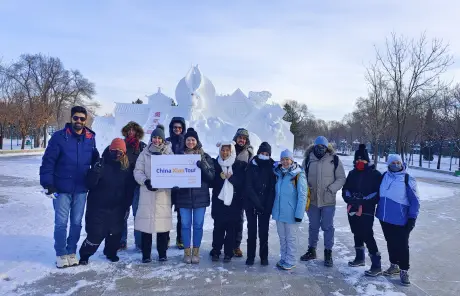
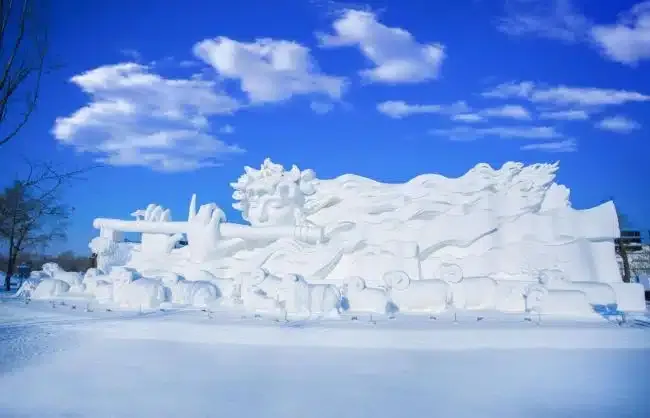
Harbin is, without doubt, the best place to visit when planning a China winter tour. There is nothing like admiring the creative snow and ice sculptures while attending the cheerful Harbin Snow and Ice Festival. Beyond the festival, winter in Harbin also brings exciting outdoor adventuresĀ – from skiing in Yabuli and sledding and enjoying the enchanting winter landscapes of China Snow Town. These seasonal highlights together make Harbin an unforgettable choice for a winter getaway.
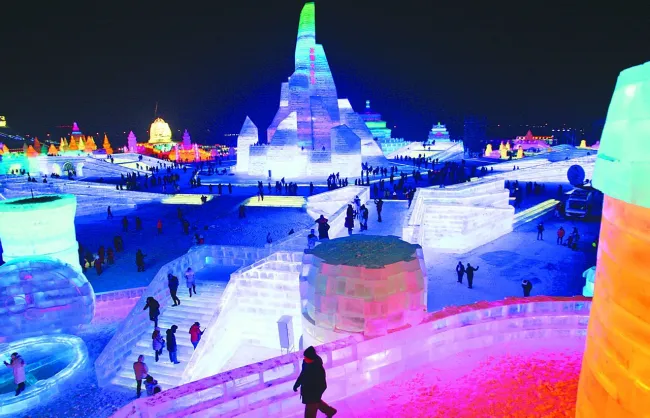
From the Ice and Snow World to Sun Island, experience the best of the Harbin Ice Festival on this classic tour. Heilongjiang Provincial Museum, Central Street, and Siberian Tiger Park are also included on the trip.
Immerse yourself in the Harbin Snow Festival by marveling at beautiful snow sculptures at Sun Island Park. A cable car ride above the Songhua River and various winter activities will bring you more fun.
Welcome to our private China winter tour in Harbin to enjoy a wonderful family time. Visit Harbin city highlights, including Saint Sophia Cathedral, Sun Island, Harbin Polarland, Ice and Snow World, and Volga Manor.
This 4-day tour of Harbin in winter, ideal for families with children, couples, and snow enthusiasts, combines Ice and Snow Art with a Yabuli skiing holiday to showcase the finest of Harbin’s winter appeal.
China Winters Tours to Warm Places
Escape the cold with a winter getaway to Chinaās sun-soaked southern destinations. Hainan Island, Fujian, Guangdong, and Yunnan enjoy mild, tropical-like weather even in winter, making them perfect for beach holidays, outdoor adventures, and cultural exploration. From Hainanās sandy shores to Yunnanās spring-like towns, enjoy a warm retreat while much of China shivers.
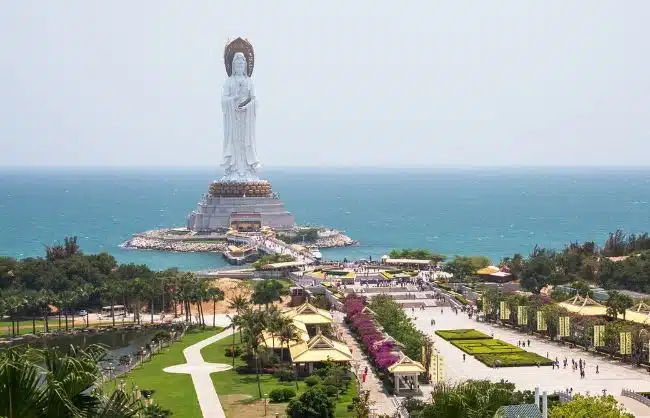
From blessing beaches and verdant tropical rainforest to warm sunshine and gentle breeze, a winter holiday to Sanya, the āOriental Hawaii,ā allows you to forget all winter blues.
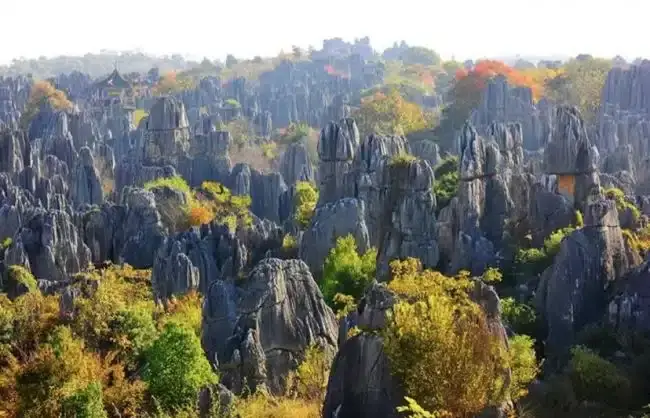
In Kunming and Dali, where spring reigns year-round, admire the surreal karst formations of the Stone Forest, unwind at Ancient Town, and join the locals to taste warm, yummy food at Xizhouās morning market.
The main attractions of Xiamen, such as South Putuo Temple and Gulangyu Island, as well as the traditional Chinese architecture gem – Yongding Tulou, will be shown to you during your two-day tour in winter.
Witness the cultural heritage in Guangzhou. Then explore the intricate traditional art and crafts in Foshan: watch live lion dance shows, experience Chinese martial arts, and make Chinese paper-cutting.
Winter Scenery Tours in China
In winter, the mountains of China present the purest and most dreamlike natural scenery of the year (also because there are few tourists). You can combine the snow scenery of the mountains with the spectacular ice-frost phenomenon, hot springs, and traditional festivals in one itinerary.
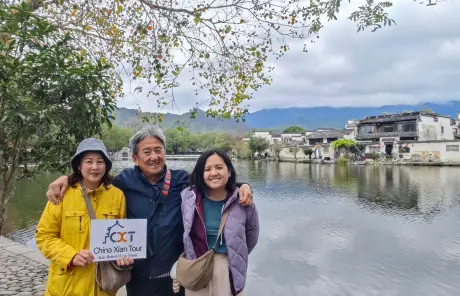
Discover the present and past of Shanghai with private guides, learn about traditional Huizhou culture at Hongcun Village, and savor a full winter landscape experience at the top of Huangshan Mountain.
Travel in Chengdu China in winter? Join us on this private tour, with a Chengdu panda base tour, city highlights, real local life experiences, the Huashuiwan Hot Spring, and a Xiling Snow Mountain skiing holiday.
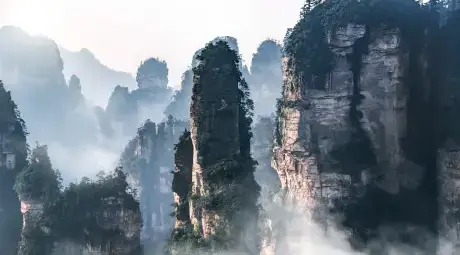
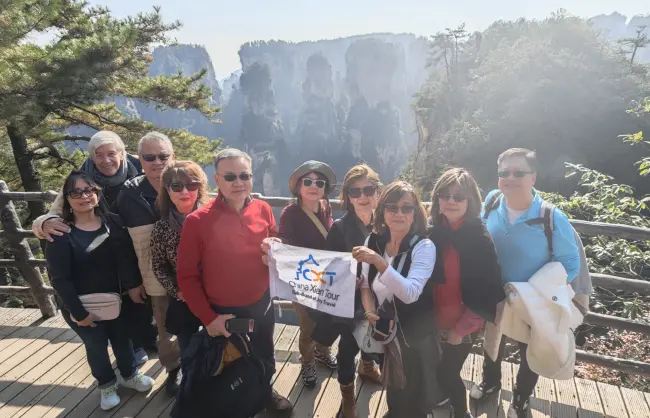
Explore Zhangjiajie’s winter wonderland, where the floating Avatar Mountains, Tianzi Mountain, Golden Whip Stream, Baofeng Lake, and Tianmen Mountain are enveloped in ethereal mist.
Northern China Winter Tours
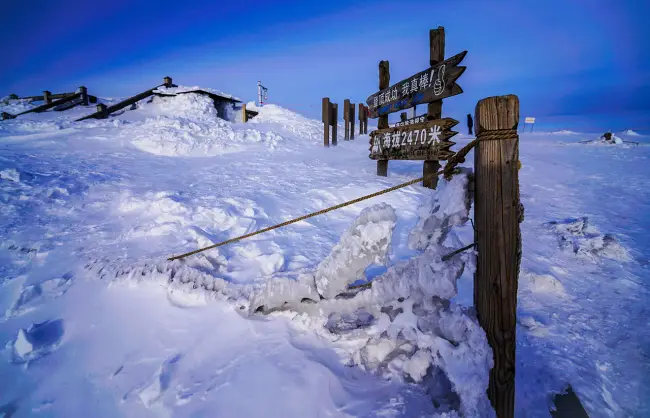
The winter in northeastern China lasts from the end of November to February of the following year, with extremely cold weather and abundant snowfall. From the Ice and Snow World in Harbin to the Rime Island in Jilin and the snow forest in Changbai Mountain, you can go skiing, hike through snowy landscapes, and have a great time at the ice and snow world (festival)! What’s more, don’t miss out on the local delicacies and hot springs.
This tour package, blending history, culture, and natural beauty, will take you to explore the highlights of Harbin, Jilin, Shenyang, Changchun, and Dalian. Savor both snow fun and seaside charm.
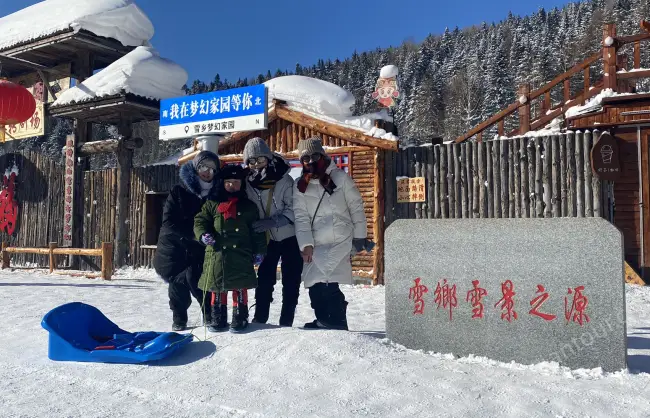
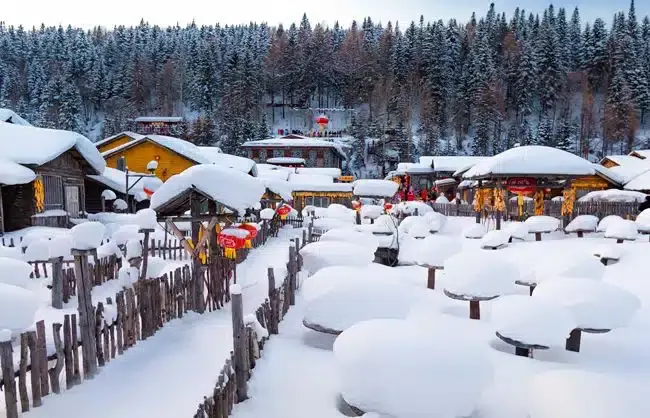
A winter trip to the Harbin Ice Festival promises endless fun on ice slides and ice bumper cars, while China Snow Town is aĀ paradise for photographers. And Changbai MountainĀ is a wonderland of frozen waterfalls and Heavenly Lake.
Enjoy all of the winter activities and the splendor of the Harbin Snow Festival. After that, take a high-speed train to Jilin to witness the amazing “rime ice” phenomena on Rime Island.
FAQs on China Winter Tours
- Harbin: Ice and Snow World, St. Sophia Cathedral, Yabuli Ski Resort, China Snow Village
- Changbai Mountain: Heavenly Lake, Rime Ice Scenery
- Beijing: Forbidden City and Great Wall in Snow, Winter Cuisine
- Hainan: Sunny Beaches, Tropical Gardens, a diversity of seafood
- Yunnan: Stone Forest, Ancient Towns, Snow Mountains, Ethnic Cultural Experiences
- Xi’an: Terracotta Army (with less tourists), Big Wild Goose Pagoda, Ancient City Wall Snowy Scene
Winter in China typically lasts from the end of November to February of the following year. If you’d like to take a Harbin Ice Festival tour, go skiing, or enjoy the snow scenery of northern China, December to February is the best time to visit.
In Northeastern China, such as Harbin, Changbai Mountain, and Jilin, temperatures range from -10°C to -30°C. In North China, such as Beijing and Zhangjiakou, temperatures range from -5°C to -15°C. In southern China, such as Yunnan (Kunming and Dali), Guangdong, and Hainan, temperatures range from 8°C to 25°C.
If you are going to the northern part of China, such as Harbin or Jilin, you will need to wear a thick down jacket, a fleece inner layer, snow-proof boots, thick wool socks, gloves, scarves, and earmuffs. If you go to the south of China, a thin down jacket and a sweater will suffice. For tropical islands like Hainan, you can wear short sleeves, shorts, or long-sleeved T-shirts.
Skiing is one of the highlights of winter travel in China. Since the 2022 Winter Olympics, many high-quality ski resorts in China have seen significant improvements in their slopes, accommodations, and infrastructure.
For skiers of different levels, including families, top ski resorts in China include Zhangjiakou Chongli Wanlong Ski Resort), Harbin Yabuli Ski Resort), Jilin Beidahu Ski Resort), Xinjiang Altay Ski Resort, Beijing Nanshan Ski Resort, Chengdu Xiling Snow Mountain Ski Resort, etc.
Yes. A winter vacation in China not only allows you to enjoy unique snowscapes and participate in a variety of winter activities, but also lets you experience traditional culture from all over the country through festivals. In addition to he Harbin Ice and Snow Festival (January to February), Chinese New Year (January to February, dates vary according to the lunar calendar), and the Lantern Festival are also unmissable festivals.
Of course! Children can play with dogs or horse-drawn sleds, ski, build snowmen, snow tubing, snowmobiles, and more. However, Snow Town is extremely cold (lowest temperature -30ā), so be sure to wear warm clothing. Ice can form at night, so be careful to avoid slipping.
Flights and high-speed trains in China operate normally in winter. However, in extremely cold areas in North China, heavy snow may affect transportation and highways. So you are suggested to pay attention to weather changes and consult your China Xian Tour travel advisor for the best transportation arrangements.
An important tip: From New Year’s Day to the Spring Festival, it is the peak season for ice and snow tourism in Harbin and Northeast China. Please contact us to book your flights, train tickets and hotels in advance.
The exact dates of winter break for Chinaās public school students are influenced by the timing of the Chinese New Year. Typically, it lasts from the tenth day of the twelfth lunar month to the Lantern Festival (the 15th day of the first lunar month), which usually occurs during mid/late January to mid/late February. As it coincides with the Chinese New Year, there are usually two massive movements of people across the country – the period as the holiday begins (people returning home for family gatherings), and after the Spring Festival (set out on journeys again).