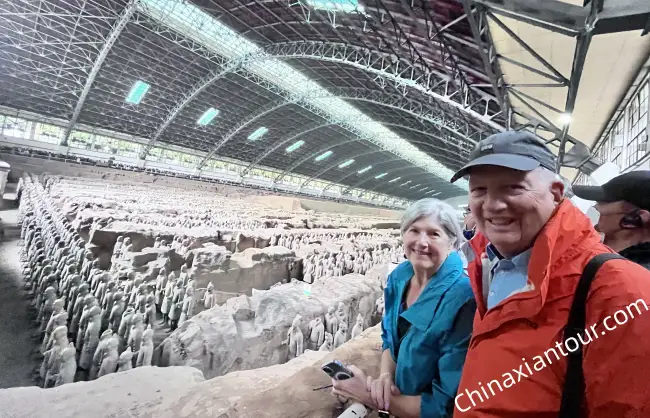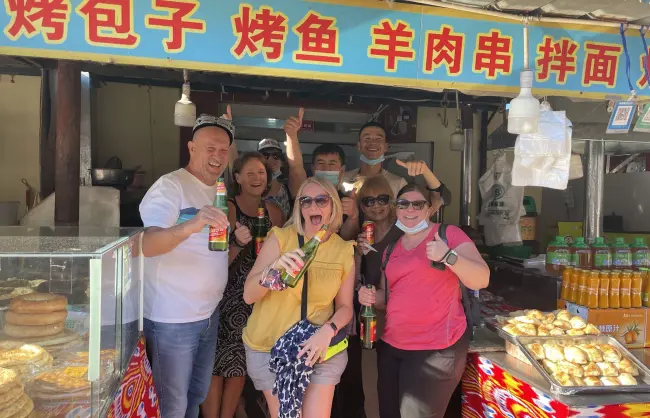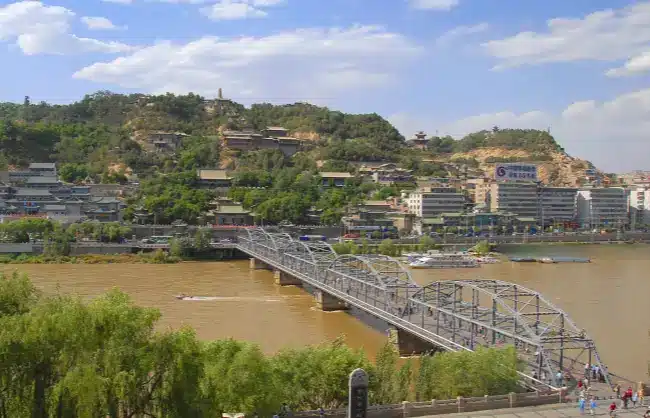

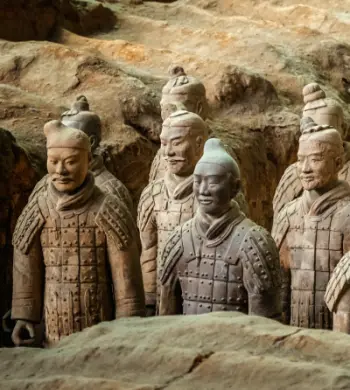
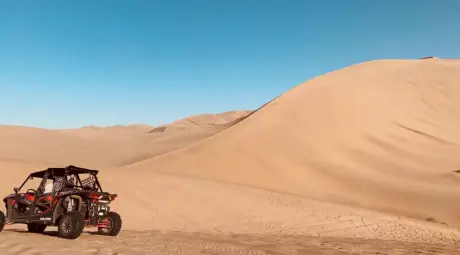
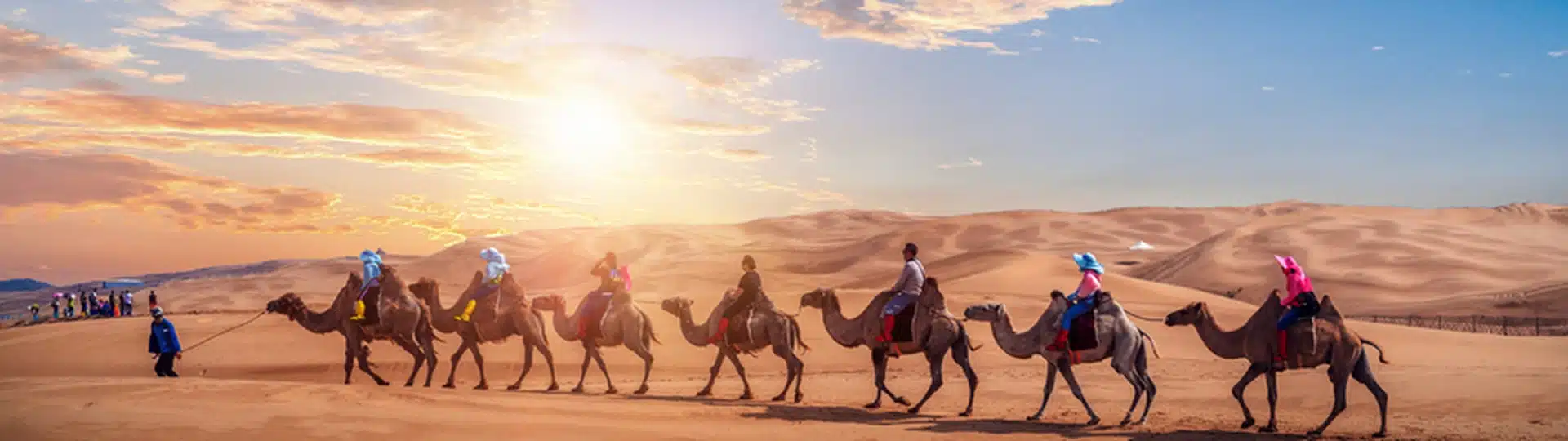
The Silk Road, a legendary path with a history of over two thousand years ago, began in the ancient Chinese metropolis of Chang’an (today’s Xi’an). It wound through cities, deserts, grasslands, and snow-capped mountains and finally extended to Central Asia, South Asia, Middle East, Europe, etc. Through this route, ancient Chinese caravans sold silk, porcelain, and tea to the world while introducing spices, gemstones, and exotic music and religions to the East. To a certain degree, the Silk Road not only facilitated the exchange of goods, but also connected the ancient civilizations in China, Persia, Rome and Arabia. It provided a stage for the old wisdom to converge and blend.
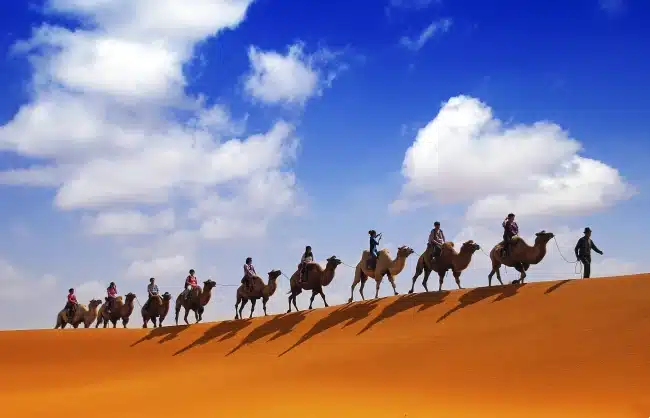
Today, the camel bells no longer echo along this path, yet the historical traces left behind remain appealing. Every ruin and antique tells the story of the romantic encounter of the East and the West. Wanting to discover more about Silk Road routes? Or embark on an adventurous tour along the Silk Road? This travel guide will uncover all the details to make things clear.
Content Preview
- What is the Silk Road?
- Key Routes of the Ancient Silk Road Worldwide
- Key Routes of the Ancient Silk Road in China
- How to Plan a Silk Road Tour?
- Start A Silk Road Journey Through Time with China Xian Tour
What is the Silk Road?
The Silk Road is actually not a clear-cut path, but rather a corridor or a dynamic network traversing Eurasia. It was firstly established by Zhang Qian in the Western Han Dynasty for the purpose of opening up the Western Regions, with the then capital Chang’an being the starting point.
After the establishment of the Silk Road route, commercial exchanges between China, Central Asia, and Europe have rapidly increased. Through this great road, Chinese silk, satin, porcelain and tea were continuously transported to Central Asia and Europe. Among them, Chinese silk was the most representative export, hence the name Silk Road.
At the end of the 19th century, the German scholar Ferdinand von Richthofen firstly coined the words “Silk Road”. Later, historians collectively referred to the trade routes that connected the East and the West as the “Silk Road”. Since then, numerous writings have emerged and the connotation of the Silk Road has been expanded to include variations such as the Maritime Silk Road, the Steppe Silk Road, and the Desert Oasis Silk Road.
Key Routes of the Ancient Silk Road Worldwide
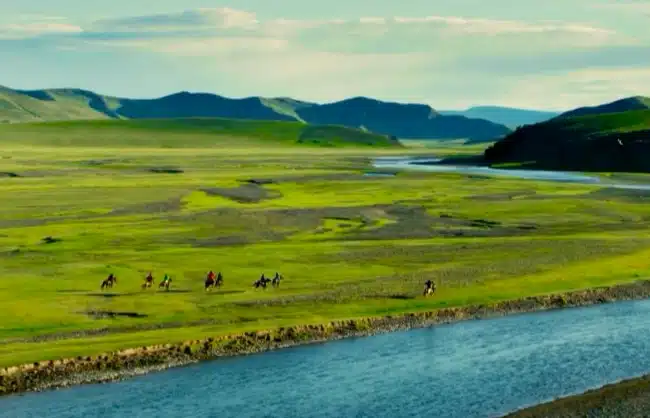
Northern Route: The Steppe Silk Road
- Starting Point: Chang’an (Xi’an) / Luoyang
- Route: Mongolian Plateau → Southern Siberia → Northern Foothills of the Altai Mountains → Kipchak Steppe (Dasht-i-Kipchak) → North Coast of the Black Sea → Eastern Europe
- Key Locations: Karakorum (Mongolia), Samarkand (Uzbekistan), Caffa
- Key Trade Goods: Leather, fur, livestock, animal horns, gold and silver ware, Persian rug, slaves
The Northern Silk Road Route was one of the oldest transcontinental routes predating Zhang Qian’s odysseys to the Western Regions. Its core region stretched westward from northern China and the Mongolian Plateau, through southern Siberia and the northern foothills of the Altai Mountains, then traversed the Kipchak Steppe, and ultimately reached the north coast of the Black Sea. The prosperity of this route was closely tied to the rise of nomadic empires (Xiongnu, Turks, Mongols), as the flat terrain and abundant grasslands made it ideal for swift passage by cavalry and large caravans.
In terms of goods exchange, the Steppe Silk Road primarily dealt in bulk goods and strategic materials. China exported silk, tea, and metalware in exchange for European silverware, glass, Baltic amber, as well as horses, furs, and jade from the nomadic regions. Notably, slave trade was a significant component. Slaves of Slavic and Turkic origins were trafficked to various parts of Eurasia.
This route also served as a fast track for the spread of religion and technology: Nestorian Christianity (the Eastern Orthodox Church) was introduced to the Mongolian Plateau from West Asia via this path, while Mongol campaigns disseminated Chinese gunpowder and printing techniques northward to the Russian principalities.
Southern Route: The Desert Oasis Silk Road (Main Road)
- Starting Point: Chang’an (Xi’an) / Luoyang
- Route: Chang’an/ Luoyang → Hexi Corridor (Dunhuang) → Kashgar → Pamir Mountains → Samarkand → Persia → Baghdad / Damascus → Eastern Mediterranean Coast (Antioch / Istanbul) → Europe
- Key Locations: Dunhuang, Loulan, Kashgar, Samarkand, Bukhara
- Key Trade Goods: Silk, ironware, paper, fruits, gemstones, jade, spices, Buddhist scriptures, horses
The Southern Route is a universally recognized artery of the Silk Road network. It originated from China’s Chang’an to the eastern shores of the Mediterranean, spanning the arid heartland of the entire Eurasian Continent. Unlike the grassland route abounding in water supply, this route was highly dependent on the fragile oases scattered across the vast deserts for water and food supply. Through this route, China’s great inventions such as silk and papermaking spread westward, while Buddhism and Islam, along with exotic treasures and scientific technologies, continuously flowed to the East.
In fact, this route split up into two branches encircling the Tarim Basin after it reached Dunhuang from Chang’an. The northern route extended along the southern foothills of the Tianshan Mountains, passing through Turpan and Kuqa to enter Kashgar. The southern route followed the northern foothills of the Kunlun Mountains, traversing Loulan, Hetian and Sache. Eventually, the two branches converged in Kashgar and successively entered Persia, the Eastern Mediterranean Coast and Europe.
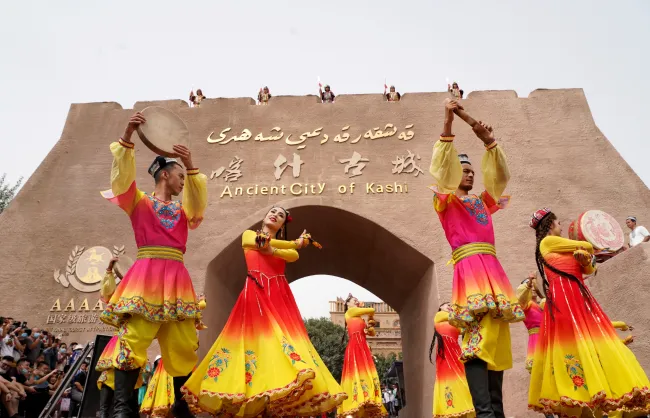
Follow the ancient Silk Road from Kashgar to Xi'an through five historic destinations featuring UNESCO sites, nomadic culture, and desert wonders across eleven days.
The Maritime Silk Road
- Starting Point: Guangzhou / Quanzhou
- Route: Guangzhou / Quanzhou→ Strait of Malacca → India → Persian Gulf → Red Sea → East Africa
- Key Locations: Quanzhou (China), Malacca (Malaysia), Kochi (India), Hormuz (Iran), Mombasa (Kenya)
- Key Trade Goods: Porcelain, silk, tea, spices, cotton cloth, gemstones, frankincense, ivory, gold
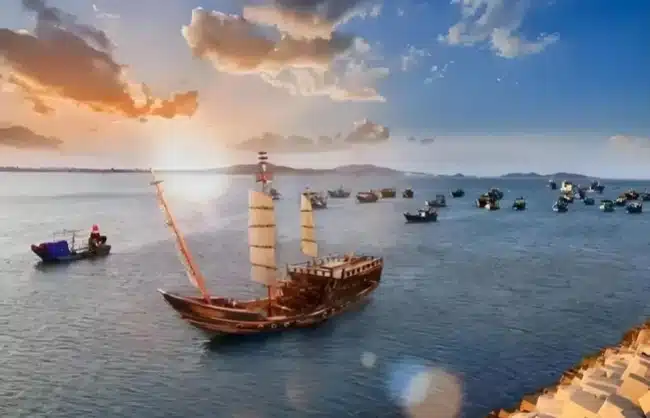
This Silk Road Route served as the vital artery for the ancient seaborne trade between the East and West. Technically speaking, the maritime Silk Road mainly refers to the South China Sea route that started from Guangzhou or Quanzhou and reached as far as the East Africa. With China’s rapid development in the art of seamanship and beneficial export policies, this route gradually surpassed the overland trade routes in the late Tang Dynasty. In Song and Yuan dynasties, especially when Zheng He’s fleet voyaged to the West in the 15th century, it witnessed the zenith of international maritime trade. The key goods include china, tea, ivory and spices, which were proved by a sunken ship from the Song Dynasty that was excavated in the South China Sea.
It should be noted that there was also the East China Sea Route connecting the eastern coast of China with the Korean Peninsula and Japan. Despite the short length, it played an important role in the formation of East Asian Cultural Circle. During Sui and Tang dynasties, it hit the peak and became the official channel for Japanese and Korean envoys, monks, and students to enter China.
Key Routes of the Ancient Silk Road in China
The Northwestern Desert Oasis Route – The Most Classic Overland Route
- Starting Point: Chang’an (Xi’an) / Luoyang
- Route: Chang’an/ Luoyang → Tianshui → Lanzhou → Hexi Corridor (Wuwei → Zhangye → Jiuquan → Dunhuang) → Xinjiang → Kashgar
- Key Locations: Xi’an, Luoyang, Tianshui, Zhangye, Dunhuang, Urumqi, Turpan, Kashgar
- Highlights/features: An art gallery of Buddhist grottoes and murals; diversified goods and cultures from various ethnic groups; civilizations bred by doughty desert and melting snow from the Tianshan Mountains.
If you want to take in the bold yet charming beauty in China’s northwestern region, it’s highly advised to join a classic Silk Road tour following the footprints of ancient merchants. They started from the bustling capital Chang’an, traversed the oasis cities along the Hexi Corridor, and finally reached Kashgar. Every beacon tower and pass you encounter on the way is a witness of this glorious history. Trade caravans cleared customs, paid taxes, and rest here. In return, their silk and documents were stamped with an official seal.
In front of the Mogao Caves in Dunhuang, you will be marveled at this Buddhist miracle. Riding a horse through the Echoing-Sand Mountain, you can’t help thinking how did the caravans manage to find water sources in the vast desert. The maze-like streets and alleys in the Old Town of Kashgar is like a living museum to show the customs of Central Asia. Different people and cultures meet here, resulting in a perfect alchemy.
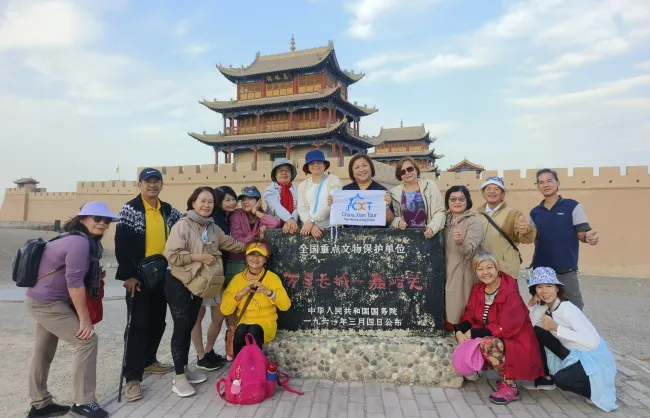
Travel the full Silk Road from Xi'an to Urumqi over 12 days, visiting Terracotta Warriors, Rainbow Mountains, Mogao Caves, and Turpan's desert oases along the Hexi Corridor.
The Southwestern Mountainous Route – Partially Overlapping the Ancient Tea Horse Road
- Starting Point: Chengdu
- Route: Chengdu → Ya’an → Xichang → Panzhihua → Dali → Baoshan →Tengchong / Ruili
- Key Locations: Chengdu, Xichang, Dali, Baoshan, Tengchong
- Highlights/features: Hike along the Ancient Tea Horse Road through the Nujiang Valley; experience the vibrant ethnic folk activities; taste the authentic Pu’er Tea.
This is a rugged road with few official records. The sudden rise from the flat Chengdu Plain to the Hengduan Mountains made it a difficult road that was dominated by small business groups. In some particular sections, the width only allowed one horse to pass through. Due to the extreme high transportation costs, only lightweight and precious goods were delivered through this route. At the early stage, the common goods were Shu brocade, bamboo sticks and seashells. Later, tea became a star commodity because it could be compressed into compact bricks.
Dali used to be a bustling trade hub on this way. The Three-Course Tea ceremony not only showcases the wisdom and philosophy of local Bai People, but also proves Dali’s status as an important city on the Silk Route for tea transportation. In Heshun Ancient Town of Tengchong, you will find that its library scale far exceeds that of ordinary rural areas. This is because overseas Chinese merchants need to look up the books for knowledge to handle international accounts and legal regulations. Ruili is a prosperous jade market on the China-Myanmar border. It’s a place where you may feel the lively atmosphere on the ancient Southwest Silk Road.
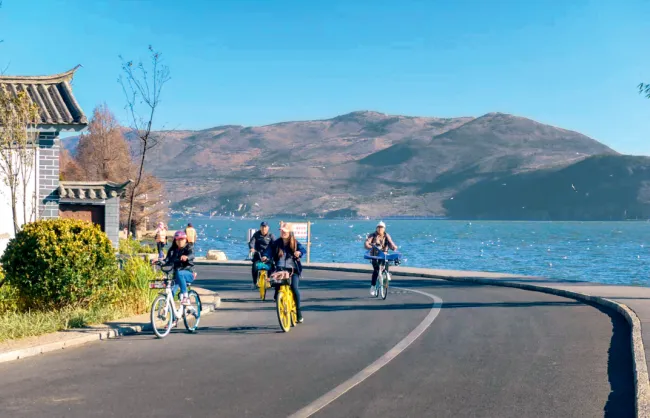
Trace the Ancient Tea Horse Road from Shaxi to Lijiang, exploring Cangshan Mountain, Erhai Lake, and Dali Old Town.
The Northern Grassland Silk Road
- Starting Point: Beijing / Datong
- Route: Beijing / Datong → Hohhot→ Yinshan Mountains → Ejin Banner → Hami → Altay → Ili
- Key Locations: Hohhot, Ejin Banner, Altay, Ili
- Highlights/features: Admire the ruins of ancient city walls and post stations; attend the Naadam Festival; ride a horse on the vast grassland like a nomad.
Stretching northward from Beijing or Hohhot, this route passed through the grasslands of Inner Mongolia and finally reached Altay, following the migration trajectory of ancient nomadic peoples. Unlike the reliance on city walls and passes of the southern route, the order of the Grassland Silk Road was established on tribal alliances, marriage relationships, and post station systems.
Nomads were shrewd traders. They exchanged fur and livestock for silk with the Han Chinese, and then resold them to the West to get the margin in between. Living in a Mongolian yurt on the Hulunbuir Grassland and taking part in horse racing and archery, you will feel the pride of being a member of the nation on horseback.
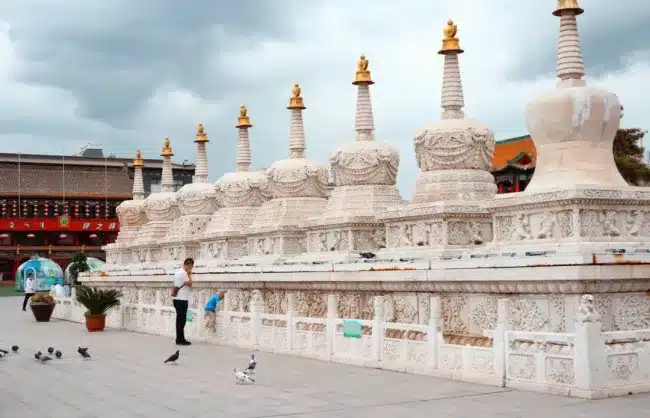
Experience the vast Xilamuren Grassland with horseback riding, yurt stays, and bonfire parties while exploring Hohhot's Mongolian heritage.
The Southeastern Maritime Silk Road
- Starting Point: Guangzhou / Quanzhou
- Route: Guangzhou / Quanzhou→ Hepu in Guangxi →Southeast Asia
- Key Locations: Guangzhou, Quanzhou
- Highlights/features: A witness of the rise of maritime civilization in China; admire the ruins of the famous Longquan Kilns.
The innovation of the Maritime Silk Road made it even more convenient to transport bulk goods, especially the fragile porcelain. Guangzhou and Quangzhou were two busy world-class ports where customized porcelain wares were continuously shipped to foreign countries. The merchants’ schedules were determined by the monsoon. They had to spent half of the year waiting. When the northeast monsoon in winter arrived, they set off for Southeast Asia. In summer, the southwest monsoon would take them home.
In Guangzhou, the South Sea Temple was where emperors of all dynasties offered sacrifices to the Sea God and pray for blessings. The taste of the slowly cooked soup benefits from the introduction of many spices (such as pepper and cardamom) through the Maritime Silk Road. They had made a great difference in Chinese cuisine.
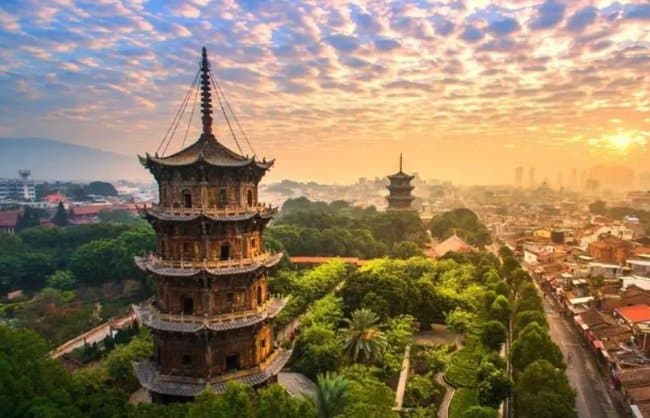
Discover Quanzhou maritime heritage at Kaiyuan Temple and Overseas Transportation Museum, experience Anxi Tieguanyin tea-making, and visit Xunpu Fishing Village flower-haired women.
How to Plan a Silk Road Tour?
I’m sure now you understand there is more than one China Silk Route after reading this article. Therefore, the essential thing for planning a Silk Road tour is to decide which route to explore depending on your personal interest, time schedule and budget. Then, make a detailed plan or just contact China Xian Tour for a tailor-made Silk Road tour package.
Where to Start the Silk Road Tour?
Most first-time visitors may choose Xi’an as the starting point, and go westward following the established classic route. If you travel in a rush, it’s recommended to start your trip in Dunhuang, where hides the essence of the Silk Road Tour. To delve into Chinese ethnic culture in the Western Region, Kashgar is ideal as your base city. For those who want to explore the Maritime Silk Road, start your trip from Quanzhou.
How to Choose Your Route?
As the Silk Road spans an extensive distance, we just need to select some classic sections. The main road goes like this: Xi’an → Tianshui → Lanzhou → Wuwei → Zhangye → Jiuquan → Dunhuang → Turpan → Kuka → Kashgar. If time permits, you can tour all these cites in a strict order. Of course, it’s also fine to omit some. For other branches, consider travelling from Beijing to Hohhot, Chengdu to Yunnan, or Quanzhou to Guangzhou.
How Many Days Needed?
Depending on the route you choose, the days required for a Silk Route tour range from 3 to nearly 20 days. A fast trip is usually centered around one of the main cities dotted on the Silk Road, such as Xi’an, Dunhuang, Tianshui, Urumqi and Kashgar, so 3 to 5 days are well enough. But what if you want to discover more? Spare 7 to 15 days to follow the traditional route and increase or reduce cities to visit as you wish. Other less-known branches may require 4 to 6 days to complete the tour.
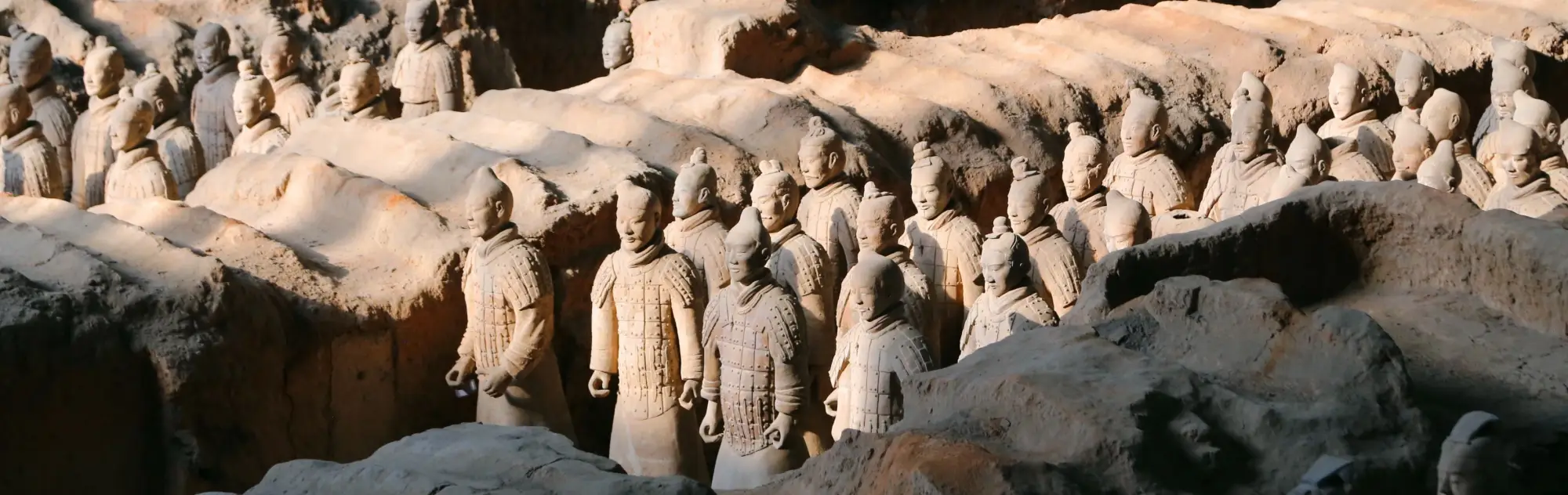
Travel the entire ancient Silk Road from Xi'an's Terracotta Warriors through the Hexi Corridor to Kashgar's vibrant old city and Central Asian bazaars in ten days.
When Is the Best Time to Go for A Silk Road Tour?
Generally speaking, spring and autumn are best times for the classic overland Silk Road Tour. During these two seasons, the northwest region of China (where the main Silk Route is located) features comfortable temperatures and little rainfall. The skies are always brilliant blue and you can enjoy flower seas and lush greenness.
In comparison, the best time to visit the Grassland Silk Road should be from June to August, when the grassland is luxuriant with vibrant cattle and sheep. The gap between November and April is perfect for taking a Maritime Silk Road tour. Guangzhou and Quanzhou, with a temperature between 15 and 25℃ at this time, are pleasantly warm.
Start A Silk Road Journey Through Time with China Xian Tour
Are you always yearning for traveling back to see the bustling markets along the Silk Road? How did the ancient Chinese created this astonishing trade road? How did the cultural exchange influence the East and West? … You must have a lot of questions. Set foot on this Old Silk Route together with China Xian Tour to seek the answers. This is not just a tour, but a time machine to represent the shining history before your eyes. The whispers of ancient camel bells echo in the wind, calling for your arrival. Are you ready to begin?