

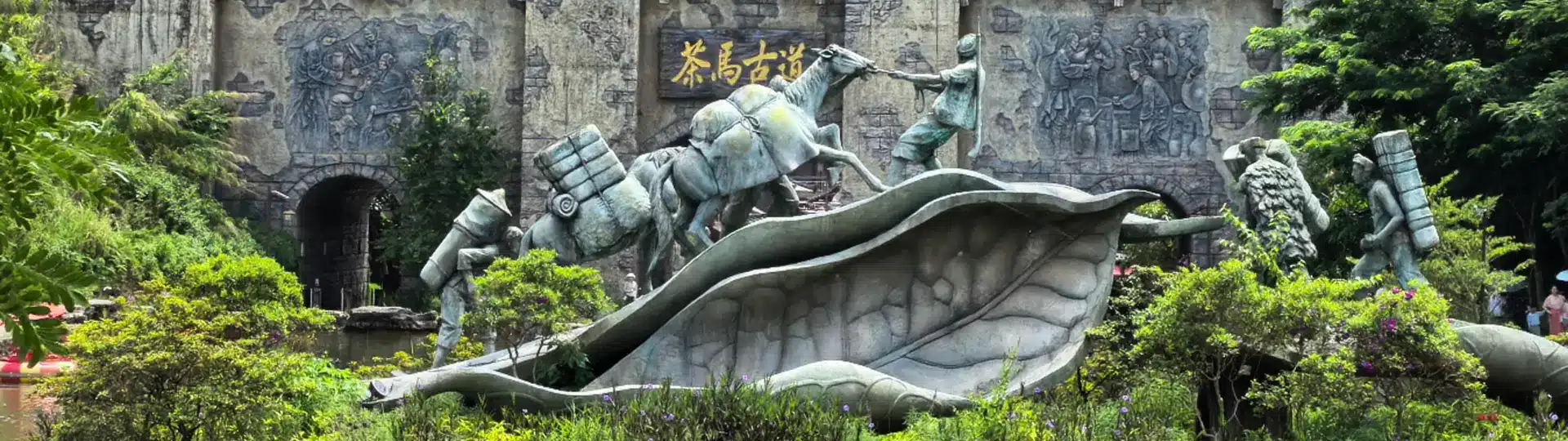
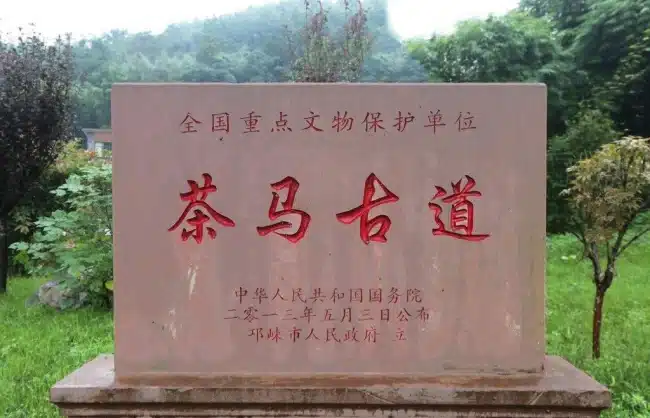
The Ancient Tea Horse Road of China, like the Silk Road, is another important trade route in history. In fact, it is sometimes referred to as the Southern Silk Road. Historically, it connected mainly Sichuan, Yunnan, and Tibet over land. The most common products of trade were tea and horses, hence its name. With the products, culture, religion, and other aspects of life were also exchanged. Along the route, many towns and stops thrived thanks to the travelers.
The Tea Horse Road was one of the highest and most precipitous ancient roads in the world. Because of its mountainous terrain, it became less frequently used over time in the mid-20th century.
Today, many travelers retrace the route to visit the UNESCO-recognized sites along the way, experience the magnificent sceneries and beautiful regional culture. This article is your guide on the Ancient Tea Horse Road, its then and now, major stops, and visiting tips for people traveling to China.
Content Preview
- What Is the Ancient Tea Horse Road?
- Two Major Routes of Tea Horse Road
- Top Cultural Sites and Attractions along Tea Horse Road
- How to Visit the Tea Horse Today?
- Tea Horse Road vs. The Silk Road
- Explore the Tea Horse Road with China Xian Tour
What Is the Ancient Tea Horse Road?
Origins of the Road
The Tea Horse Road started to take its form in Tang Dynasty. There was a mutual lack of resources in Tibetan and Han regions that gave rise to the trading on this ancient route. The Tibetan people were heavily dependent on tea in their diet which contains lots of meat and milk. Tea can help with digestion, so it became a highly desired product. As a result of the highland terrain, the Tibetan region could only rely on tea transported from Sichuan and Yunnan.
In exchange for tea, Han people were in need of horses that inhabited the Tibetan Plateau for transportation, trades, and armies. Over time, the Han government monopolized the trade of tea on this route. By Song Dynasty, there were officials and institutes designated to be in charge of this activity. There were even local offices in Sichuan and Yunnan.
Where Did the Tea and Horse Road Run?
The Tea Horse Road has two major routes that start from Sichuan and Yunnan, both end in Lhasa. The starting point in Sichuan is Ya’an in Southwest Sichuan Province. This route extends westward into the Tibetan region. The latter route originates in Xishuangbanna, Pu’er region of southern Yunnan. It travels northward first to Deqing and then reaches Lhasa through Nyingchi.
There are in fact many other routes to the Tea Horse Road. One starts from Sichuan and travels northwards into Gansu Province. One connects Shaanxi Province with Tibet and Gansu. Merchants from Yunnan may also travel south to some Southeast Asian countries like Laos and Vietnam. Sometimes the route extends beyond Lhasa into East Asian countries including India, Nepal, and Bhutan.
Trading Tea for Horses
The horses that the imperial court obtained from trading with the Tibetan regions became important military resources during wars. Since the Song Dynasty, the imperial court monopolized trading on Tea Horse Road through the Tea and Horse Bureau. This official institution became not only responsible for the commercial activities, tax gathering, but also a way of exerting border control.
As the relationship between Han and Tibetan people strengthened through trading, the scale and range of products expanded. Merchants traded not only tea and horses, but also silk, leather, medicine, and all kinds of other regional specialties.
Impact of the Route
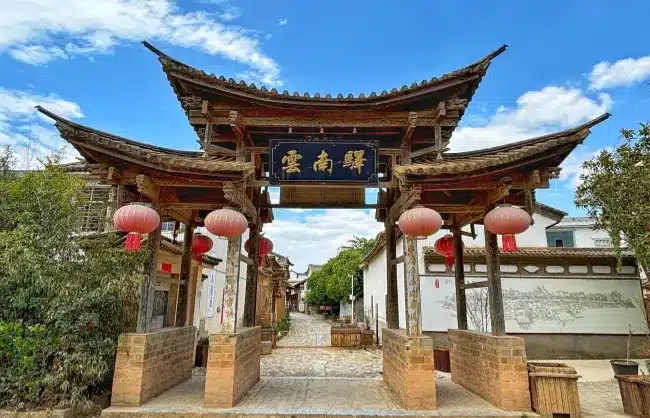
Besides the immediate impact of the tea and horse trade, the Tea Horse Road also played a role in the cultural exchange and development. The prosperity of the ancient road spawned the rise of a number of major trading towns along the routes. Many famous ancient towns in China today like Dali, Lijiang in Yunnan, Ya’an and Kangding in Sichuan, as well as Chamdo and Shigatse in Tibet, were historically key nodes on the Tea Horse Road.
Take Lijiang for example. During the Ming and Qing Dynasties, it was a must pass for tea in Yunnan, saw a large number of merchant caravans and horsemen. Merchants set up shops and teahouses which gradually turned into bustling markets.
According to historical records, at that time, there were close to 100 tea houses in the ancient city of Lijiang. Hundreds of horsemen went by daily, and the volume of tea involved in trading often reached tens of thousands of pounds. Lijiang became known as the trading hub between Han China and Tibet.
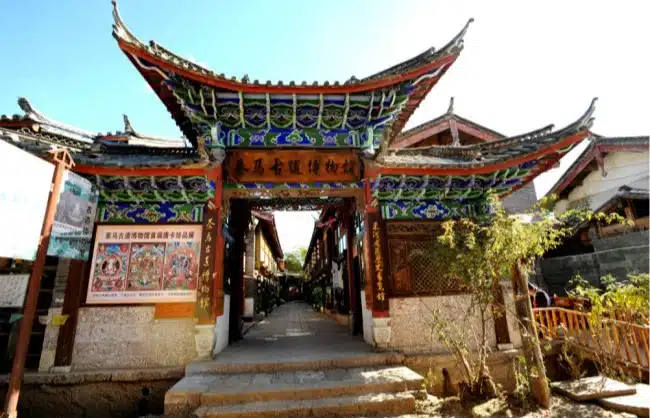
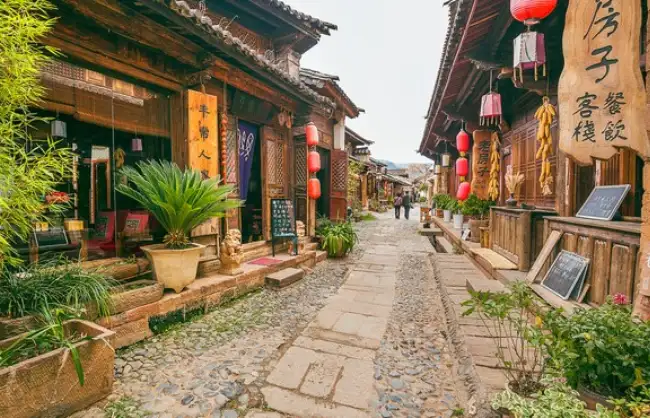
These towns were not only centers for the distribution of goods but also melting pots of cultures, technological exchange, and arts. The technique of papermaking and printing in Central China spread to the ethnic minority areas in Southwest China through these ancient routes. Textile and metalwork techniques of the ethnic groups were in turn brought to Central China. Buddhism, Islam, and indigenous beliefs became intertwined.
What Caused Its Decline: Major Challenges
The decline of the Tea Horse Road in mid-20th century can mainly be attributed to the danger of traversing the road. The routes travel through many mountains and gorges. The Himalayas and Hengduan Mountains form the highest and most mountainous region in China. The Tibetan Plateau is even known as the roof of the world. Porters were hired to traverse these mountains roads on foot while carrying heavy loads alongside mules, horses, or yaks.
Many parts of the routes have danger of falling. The high altitude also makes these regions extremely cold in the winters. Natural disasters like snowstorms and mudslide may occur. Aside from the unbearable physical burden, porters have limited resources along the journey. They may fall ill or suffer physical injury. All these challenges led to less frequent use of the road until highways were built to connect the Tibetan regions.
Two Major Routes of Tea Horse Road
The Yunnan-Tibet Route (The Southern Line)
The southern Yunnan-Tibet route is longer. Its major stops include:
- Origins – Xishuangbanna, Pu’er: Southern Yunnan has a tropical climate and a mountainous terrain perfect for the cultivation of tea. Pu’er, named after the city itself, is one of the most famous Yunnan teas.
- Northward to Dali: The first major hub along the route is Dali. The tea for trading is brought and prepared here.
- Over the Hengduan Mountains – Lijiang: Lijiang became a busy commercial town as a result of the trade. Merchants of different ethnic backgroundsgathered here. The town is nestled amongst snow mountains and deep gorges.
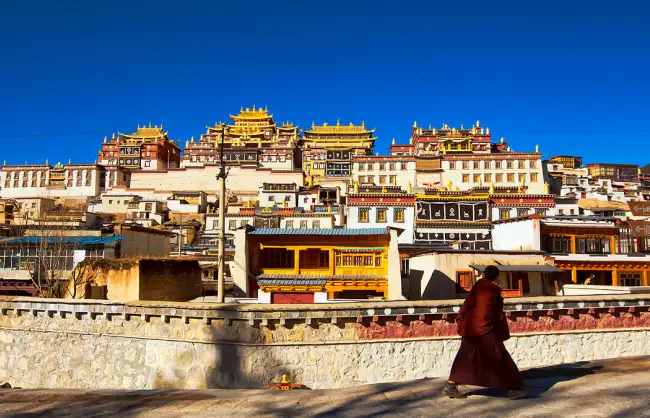
- Onto the Tibetan Plateau – Shangri-La, Deqin: Tibetan culture became prominent here as the caravanscross over mountains after mountains. They pray for safety along the journey at ancient temples and sacred religious sites.
- Convergence & Destination – Markam, Bomi, Nyingchi, Lhasa: The northern and southern lines merge in Markam and head towards Lhasa. Some caravans continue their journeys beyond the border.

The Sichuan-Tibet Route (The Northern Line)
The Sichuan-Tibet route is known to be the more treacherous one. Its major stops were
- Origin – Ya’an: Mount Mengdingin Ya’an, Sichuan, is the source of the tea being transported into Tibet. It is not only a cradle of Chinese tea culture, but historically the earliest site of tea cultivation in human history.
- Through the Sichuan Basin – Luding, Kangding: Kangding marked the transition from Han culture to Tibetan culture. It was famously a place of trade. There were busy markets where commercial and cultural exchange took place.
- Across the Kham Plateau – Xinduqiao, Litang, Batang: This is a high and mountainous region in eastern Tibet. The difficult terrain and long distance make this part of the journey a big challenge.
- Convergence & Destination – Markam, Bomi, Nyingchi, Lhasa: The northern and southern lines converge.
Top Cultural Sites and Attractions along Tea Horse Road
The Yunnan-Tibet Route
Pu’er Tea Horse Ancient Road Scenic Area – It’s an attraction dedicated to showcase the history of Tea Horse Road at its southern origin. It’s the best-preserved section of the ancient route. You can visit Nakeli, an ethnic town that used to be an important commercial post. Pu’er is best known for its tea and coffee plantation. You can tour a plantation for a tasting while you’re there.
Xishuangbanna – Xishuangbanna has large areas of tropical forests. Rainforest hiking is a popular travel activity. It is the home of Dai people who have a unique ethnic culture. You can experience Dai foods, festivals, and traditions.
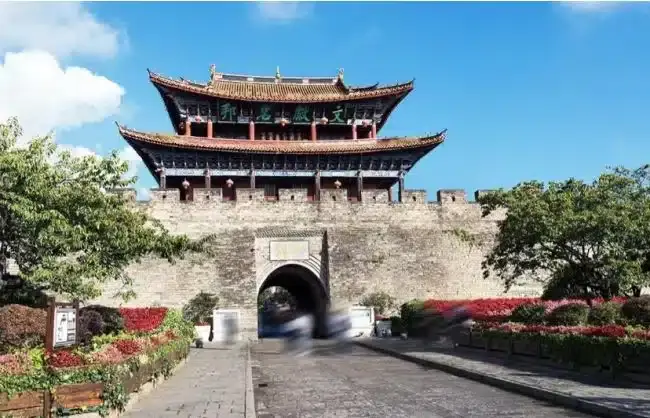
Dali Ancient Town – Bai people built this ancient town by the beautiful Erhai Lake and Cangshan Mountain. Its traditional architecture still preserves the town’s rich history and ethnic characteristics.
Shaxi Ancient Town – This is another Bai ancient town in Dali. It still preserves the most intact market hub from the days of the Tea Horse Road. There’s a Friday Market where locals from different ethnic villages exchange their products, from fresh fruits and vegetables to household items and clothing.
Shizhong Mountain Grottoes or Jianchuan Grottoes – It is one of the most famous grotto sites in South China and an important heritage of the Tea Horse Road. Built on the mountain side, there are lots of Buddhist carvings and sculptures.
Lijiang Old Town – You can still visit this historical town that once prospered as a major stop along the Tea Horse Road. Experience brilliant Naxi culture. They have their own language, writing system, arts, and costumes.
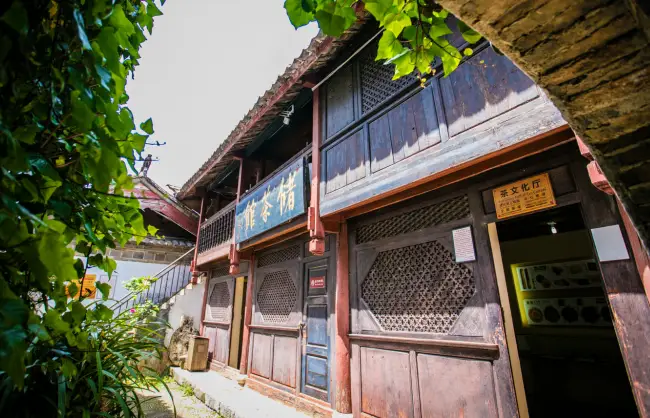
Lijiang Ancient Tea Horse Road Museum – It is the first museum in China dedicated to showcasing and preserving the history of Tea Horse Road as well as Pu’er tea culture.
Tiger Leaping Gorge – It is one of the deepest canyons in China and a world-famous hiking trail. Back in the days, it posed a great challenge for the caravans on Tea Horse Road. Located between Lijiang and Shangri-La, it is a top destination for visitors going on Yunnan hiking tours.
Dukezong Ancient Town – It was a prosperous Tibetan town along Tea Horse Road. Its rich Tibetan culture and stunning landscapes make it worth a stop for modern travelers.
- Recommended tour
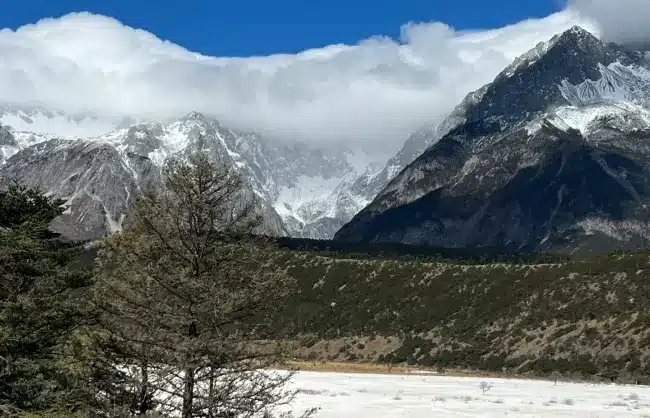
Journey through Yunnan's most captivating destinations, immersing in the rich minority cultures of Kunming, Dali, Lijiang, and Shangri-La over eight unforgettable days.
The Sichuan-Tibet Route
Shangli Ancient Town – This small historical town in Ya’an used to be a post station on the Tea Horse Road. You can also pay a visit to the nearby Mengding Mountain to see the ancient tea plantations.
Kangding – Kangding was once the biggest trading transfer station on the Sichuan-Tibet route. It marks the transition from Han culture to Tibetan culture. It’s a popular western Sichuan tour destination because of its breathtaking landscapes from endless grasslands, snow mountains, to glaciers, and virgin forests.
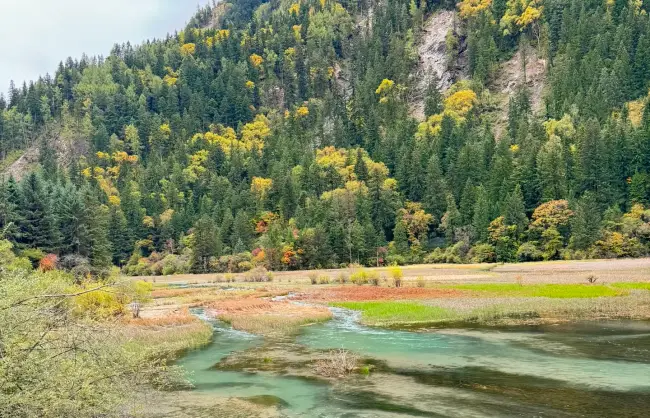
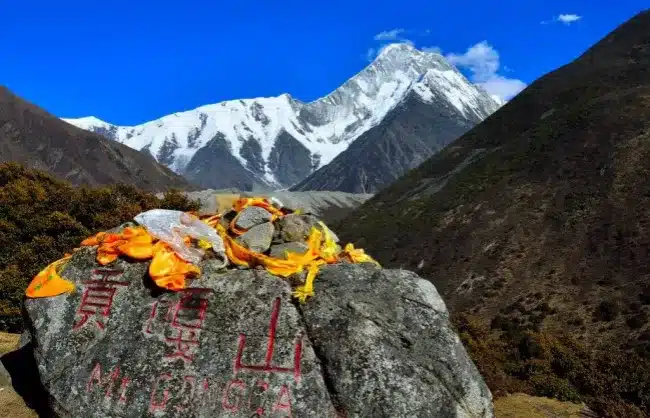
Xinduqiao – Xinduqiao is a small Tibetan town that travelers will pass through going from Sichuan into Tibet. Its sceneries are incomparable: riverbanks lined with pines that reflected in the still water, rolling grasslands, and Gongga Mountain in the distance.
Tibetan Region
Nyingchi – Nyingchi is a city located in southeastern Tibet. It is surrounded by typical Tibetan Plateau landscapes like mountains, grasslands, highland lakes, and forests. There are many monasteries and sacred religious sites as well. Many people like to take a Nyingchi tour from Lhasa to witness the gorgeous views and authentic local life.
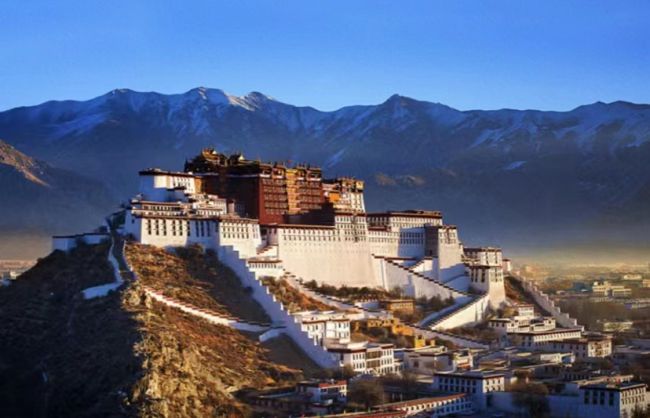
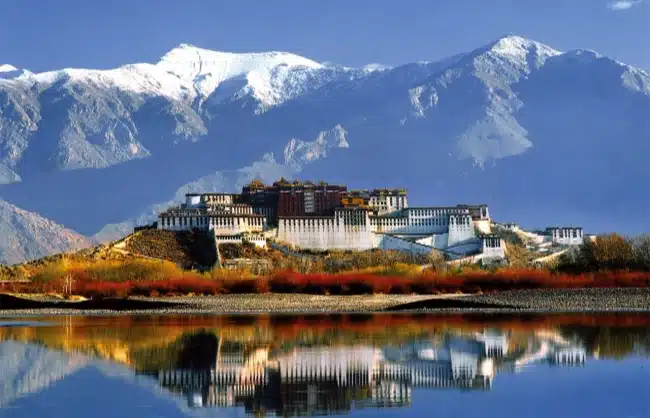
Lhasa – Lhasa is the end point of the Tea Horse Road within China and a popular destination for people traveling to Tibet these days. The landmark of the city is Potala Palace, the highest palace in the world. There are plenty of religious sites as well as natural wonders around the city.
How to Visit the Tea Horse Today?
Recommended Visiting Routes
Yunnan-Tibet In-Depth Exploration Route: Kunming – (Xishuangbanna) – Dali – Lijiang – Shangri-La – Lhasa
The Yunnan -Tibet route is usually the more suitable option for first-time visitors of the area. You can first travel to Yunnan, explore the local minority cultures and landscapes as you make your way up. Of course you don’t have to start your journey in Xishuangbanna, but it’s a good destination for rainforest hiking. Kunming is usually the gateway city of Yunnan with convenient transportation connections to other major cities.
From Kunming, you can travel to Dali to visit the historical and traditional Bai ancient towns. Continue on to Lijiang and Shangri-La, the gateway to Tibetan Plateau. There are many hiking options if you’re into outdoor activities. You can travel within Yunnan by using the high-speed rail system.
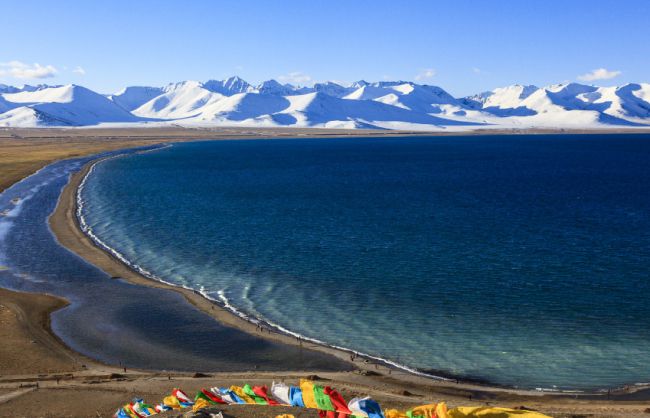
After your Yunnan tour, take a flight to Lhasa. Within limited time, you can just tour the city’s major attractions like the Potala Palace, Jokhang Temple, Sera Monastery, and Barkhor Street. With more room in your Tibet itinerary, you can venture outside of Lhasa to see Namtso Lake and other nearby landscapes.
Recommended Yunnan-Tibet Tours:
Sichuan-Tibet G318 Road Trip Journey: Chengdu – Ya’an – Kangding – Xinduqiao – Litang – Markam – Basu – Bomê – Nyingchi – Lhasa
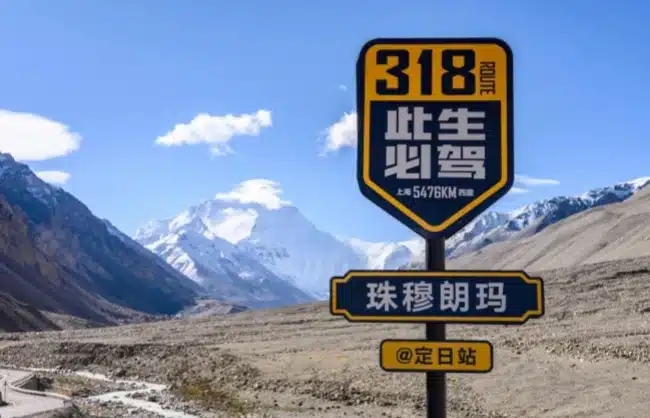
In modern times, highways have been built in place of the ancient Tea Horse Road. If you want to trace the Sichuan-Tibet route, the best way to do so is to go on a G318 Highway road trip, the major highway connecting Chengdu and Lhasa. You can first travel to Chengdu, the capital of Sichuan Province. The region is known to be the home of giant pandas. From there, you will drive westward, through Ya’an, Kangding into the Tibetan region.
Before you reach Lhasa, you will pass through many Tibetan towns. You get to slow down and experience their lifestyle, try authentic foods, and observe their religious traditions at sacred sites. The highway route is also known for its stunning sceneries. You will journey by mountains, lakes, forests, and glaciers on the scarcely touched plateau. Of course, you can stop by or even go on a hike. Taking a road trip provides a more intimate kind of Tibet tour experience.
Recommended Sichuan-Tibet Tours:
- 2 Days Chengdu Private Tour with Mt. Mengding Tea Culture Experience
- 8 Days Private Tour of Chengdu – Lhasa – Shigatse
- 10 Days Chengdu and Tibet Everest Base Camp Tour
Best Time for a Tea Horse Road Tour
The best time to go on a Tea Horse Road tour is typically between the months of April and October. Spring and autumn have the best weather conditions as well as the most beautiful natural sceneries. There are many clear days when you can go out and explore. Flowers are in bloom on the grasslands. The sky, trees, waters form a colorful image.
The summer months may not be as ideal. It can get very hot in southern Yunnan. It’s also one of the busiest times of year in terms of tourism traffic. Many domestic travelers go on summer vacations so travel expenses tend to be higher. Attractions may be more crowded. But the weather in Tibet will still be comfortable thanks to the altitude.
Winter is not recommended if you’re planning a Tea Horse Road trip. There are many great places to visit in China in the winter, but Tibet can get extremely cold. The low temperature and snow can make outdoor exploration difficult.
Read More about:
How to Get around: Transportation Methods
- The high-speed rail system: To travel within Sichuan or Yunnan, the high-speed trains are very convenient. They are fast, comfortable, and pretty economic. They will save you a lot of time compared to long distance buses or flights.
- By flight: To get from Yunnan or Chengdu to Lhasa, flying will be necessary.
- By car: Road trips are an option through G318 but take into account that you will spend plenty of time on the road. You can either rent a car to drive for yourself or book a tour with private transfer services.
Other Essential Travel Tips
- Tibet Travel Permit: This is the most important thing to know if you’re planning a trip to Tibet. As of now, foreigners must obtain a Tibet Travel Permit on top of their Chinese visa in order to be able to visit Tibet. Traveling independently is also not allowed. You must book a tour with a local travel agency who will then obtain the permit for you.
- Altitude: As you journey onto the Tibetan Plateau, it’s important to be aware of its altitude beforehand. The average altitude in Tibet is 4,000 meters (13,123 feet). Your body may react negatively when you first get there. Symptoms may include headaches, nausea, fatigue, shortness of breath, and dizziness. However, altitude sickness can be overcome through resting, light exercise, and certain medication.
- Driving in China: You can apply for a temporary driving permit in China and rent vehicles locally. However, since foreigners are not allowed to travel independently in Tibet, if you wish to take a road trip from Sichuan, you must do so with a travel agency. You can contact usif you are considering a G318 road trip.
Tea Horse Road vs. The Silk Road
Both ancient trade routes in Chinese history, Tea Horse Road and the Silk Road served different purposes, each left behind rich heritage, and are still affecting the modern society in different ways. If you’re going on a China tour, both make great travel destinations. Here are some key aspects to consider.
Tea Horse Road |
The Silk Road |
|
Historical Period |
Tang to Qing Dynasties (7th–20th centuries) |
Han to Yuan Dynasties (2nd century BCE–14th century CE) |
Geographical Location |
Southwest China (Yunnan/Sichuan to Tibet) & Southeast Asia |
Trans-Eurasian (from Xi’an to Xinjiang) |
Primary Landscapes |
Mountains and plateau landscapes, deep gorges and valleys |
From the central plain to western deserts, through mountains and highlands |
Cultural Heritage |
Ancient towns, ethnic minority cultures, Tibetan Buddhism |
Ancient civilizations, old cities and ruins, Buddhist grottoes |
Popular Activities |
hiking, experiencing Tibetan life |
visiting historical sites, witnessing different regional cultures |
Explore the Tea Horse Road with China Xian Tour
If you’re interested in the history of the Tea Horse Road and wish to witness its legacy yourself, go on an exciting journey with China Xian Tour. We can help you customize the perfect itinerary depending on your needs. You will enjoy private transfer services as well as the company of knowledgable tour guides who will make your trip more meaningful.