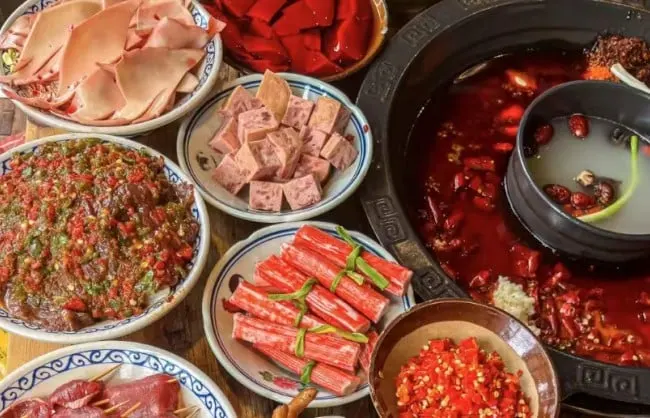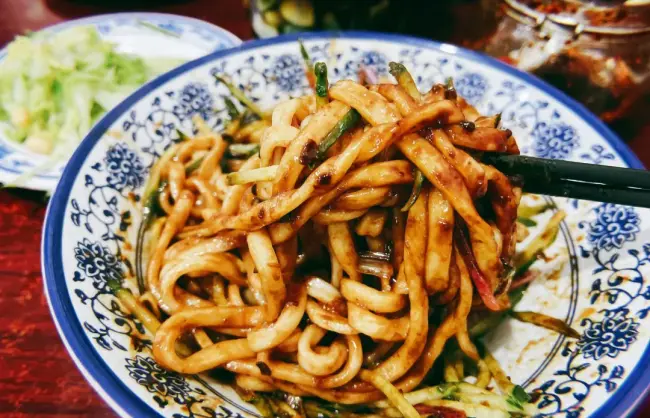


The ever-blowing mid-latitude wind, carrying the aroma of wheat and meat, creates the boldest and heartiest North China food map. From Beijing Roast Duck, Northeast Iron Pot Stew, Xi’an Rougamo, to Lanzhou Beef Noodles, Roast Lamb in Xinjiang and Inner Mongolia… Various northern Chinese delicacies, using the most authentic ingredients and simple cooking methods, become a link between travelers and local cultures, kneading into rich flavors accumulated over time.
Today, let’s embark on a journey of exploring the uniqueness of north China cuisine, must-try dishes, and the life wisdom they carry. Welcome all food lovers to travel to China’s vast northern regions and measure the enthusiasm of this land with your taste buds.
Content Preview
- Key Features of Northern Chinese Cuisine
- What Makes North China Food Unique?
- Regional Cuisines of Northern China
- 10 Must-Try North China Dishes
- Street Food Culture in Northern China
- FAQs About North China Food
- Discover the Best Chinese Food with Us
Key Features of Northern Chinese Cuisine
In northern China (mainly including the Beijing region, Shandong, Shanxi, Shaanxi, Inner Mongolia, Gansu, Xinjiang, three provinces in the Northeast, etc.), there is a high consumption of salt and meat to keep warm. The characteristics of north China food are large portions, salty, and rich in color. Hearty, wheat-based with bold flavors, it integrates the culinary wisdom of nomadic culture and agricultural civilization.
Main Flavors
Chinese food in north regions are generally salty, rich and savory, with a prominent sauce aroma, blending various spicy flavors. Making good use of seasonings such as soy sauce and cumin to enhance the taste of dishes, forming a bold yet delicate flavor.
Cooking Methods
The north China prefers “hot food to drive away the cold”, with relatively simple cooking methods such as stewing, roasting, braising, baking, steaming. Pursuing the richness and satiety of food, perfectly adapting to the family scene of “eating around the stove”.

Common Ingredients
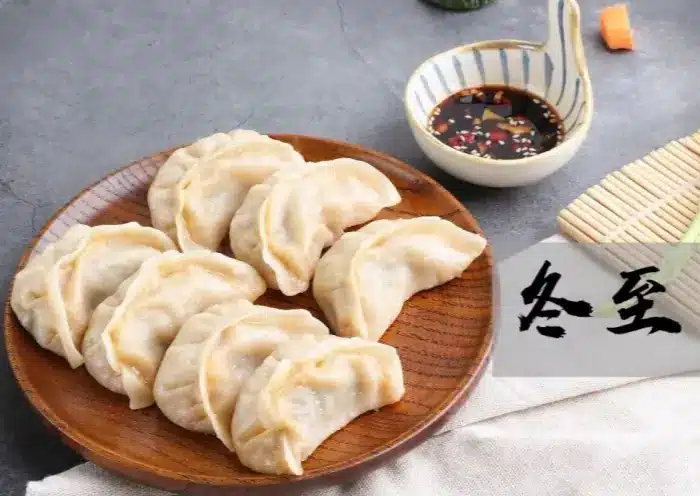
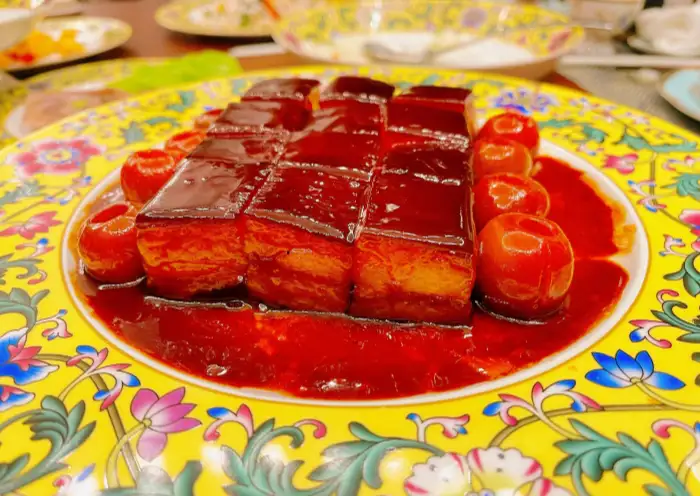
Wheat is the staple food in north China, giving birth to different forms of noodles, dumplings, steamed buns (mantou), pancakes, etc. Besides, livestock (beef, lamb, and dairy products) occupy a core position. The ingredient selection for north China food emphasizes local materials. Northerners are good at preparing pickled cabbage, salted radish, soy sauced pork, and have a tradition of stockpiling food for winter.
Served in Big Portions
The large amount is due to the cold weather in the North, and the human body needs to be cold resistant, so it is necessary to consume more calories from food. In addition, northerners have a bold and unrestrained personality, preferring to eat meat in large portions and drink alcohol in large bowls carefreely.
Festivals and Etiquette
In Chinese food culture, northerners usually eat dumplings during festivals. Drink mutton soup in winter to warm the stomach. Roll yuanxiao for reunion and happiness on the Lantern Festival. Every kind of food carries the seasonal memory and warmth of home. The seating arrangement, eating order, and toasting rules all reflect Chinese social dining etiquette.
What Makes North China Food Unique?
Climate & Geography Influence
The north has cold winters, and produces wheat. Wheat-based food can provide more calories to help people keep warm. So northerners like to eat noodles, dumplings, Mantou and other warming dishes. In addition, with vast grasslands and thriving livestock industry, people enjoy eating beef, lamb, and dairy products.
History Influence
During the Han and Tang dynasties in Chinese history, the prosperous Silk Road trade introduced cumin, fennel, garlic, sesame, etc., enriching the seasoning system of Northwest Chinese cuisine. The imperial cuisine of the Yuan, Ming, and Qing dynasties promoted the refinement and inheritance of cooking techniques, as well as the pursuit of ceremonial sense, such as Beijing and Shandong cuisines.
Difference Between North China Food and South China Food
China has a vast territory, and different geographical environments, climates, products, and historical cultures, have caused significant differences in the food culture between the north and south:
- North China foodtakes wheat as the staple, emphasizes salty, fragrant flavors and seasonings, is more substantial and coarse, and stresses practicality and shared meals.
- South China foodtakes rice as the staple, prefers fresh sweetness and lightness, is smaller and refined, and focuses on delicacy and separate dining.
Regional Cuisines of Northern China
Beijing Cuisine – Imperial Flavors and Street Eats
Beijing cuisine combines the hutongs’ bustling with the imperial delicacy. Not only is it a unique taste experience, but it also embodies the philosophy of life rooted in the imperial city – inclusive, meticulous, and down-to-earth. Beijing food has formed four major cooking characteristics of roasting, stewing, frying, and boiling, as well as rich sauce aroma, particular soup base, and diverse snacks.
- BestFoods: Peking Duck, Zhajiangmian, Boiled Mutton in Copper Pot, Manchu and Han Feasts
- Street Foods: Luzhu Huoshao, Chao Gan, Douzhir with Jiaoquan, Baodu, Lvdagur
- Night Markets: Guijie (Spicy Crayfish), Niujie (Grilled Meat), Huguo Temple Snacks, Wangfujing Snack Street
Popular Beijing Food Tours
Xi’an Cuisine – Ancient Silk Road Flavors
Xi’an cuisine can be regarded as a taste epic of the ancient capital for thirteen Chinese dynasties. As the starting point of the ancient Silk Road, Xi’an integrates Eastern and Western flavors, known as the “land of carbohydrates”. Wheat-based, meat-centered, with sour and spicy as the finishing touch. The best Xi’an foods are often hidden in the old streets, heavily seasoned but not greasy, honest but not rough. Every bite is its profound history.
- Famous Foods: Roujiamo, Biang Biang Noodles, Yangrou Paomo, Liangpi, Gourd Chicken, Meatball Spicy Stew, ZengGao
- Food Street: Muslim Quarter, Sajinqiao,Yongxingfang, Small South Gate (Xiaonanmen), Dongxin Street
Best Xi’an Food Tours
Xinjiang Cuisine – A Fusion of Halal and Central Asian Flavors
Xinjiang cuisine perfectly blends the traditional halal cuisine with Central Asian flavors, with a rich mix of grassland boldness and the Silk Road food diversity. Making good use of spices such as cumin, chili, and onion. Forming the four core characteristics of “meat, noodles, naan, and roasting”. The main ingredients are locally produced beef, mutton, fruits and vegetables. The texture and taste are suitable for the high cold climate and the high energy requirements of the human body.
- Flavor Characteristics: Rich in oil, strong in flavor, spicy and pungent
- Famous Foods: Grilled Lamb Skewers, Big Plate Chicken, Roast Whole Lamb, Xinjiang Pilaf, Roast Naans, Roast Buns, Spicy Rice Noodles, Thick Yogurt
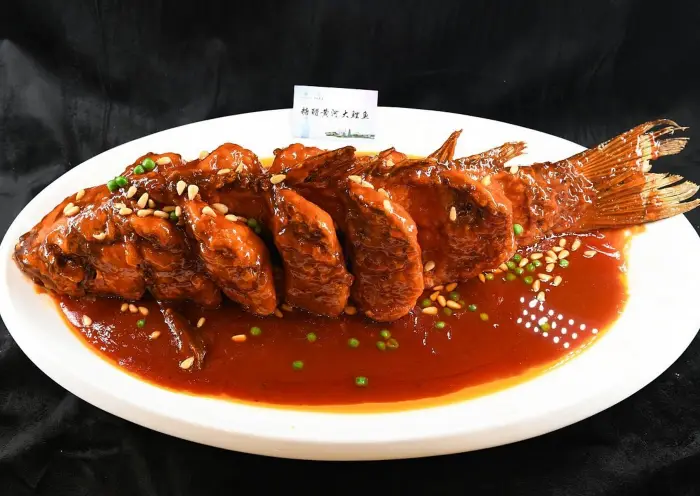
Shandong Cuisine (Lu Cuisine) – The Oldest Imperial Cuisine
As the first of the eight major Chinese cuisines, Shandong cuisine is also one of the “Four Ancient Traditional Cuisines” together with Sichuan cuisine, Cantonese cuisine, and Huaiyang Cuisine. Its history can be traced back to the Xia Dynasty (around 21st – 16th century BC), highlighting the Confucian wisdom of “never tired of fine food and delicate dishes”. In the Ming and Qing dynasties, the imperial cuisine was mainly based on Lu cuisine. Today there are three flavors: Qilu, Jiaodong, and Kongfu, which emphasize the original flavor of the ingredients, skillfully use scallion, ginger and garlic to enhance fragrance, and have solemn banquet etiquette.
- Flavor Characteristics: Mainly salty and savory, exquisite heatcontrol, skilled in making soup and cooking seafood
- FamousDishes: Nine-Turned Pork Intestine, Braised Sea Cucumber with Scallions, Sweet and Sour Carp, Dezhou Braised Chicken, Spanish Mackerel Dumplings
Recommended Shandong Food Tour: 7 Days Shandong Tour of Qingdao Qufu Jinan
Inner Mongolia Cuisine – Meat, Dairy, and Grassland Traditions
Inner Mongolian cuisine is quite rough and unrestrained. It generally uses mutton, milk, wild vegetables and wheat as the main ingredients, and makes good use of natural spices. The cooking methods are relatively simple, and the portions are abundant. Combining the culinary wisdom of nomadic peoples with the gift of grassland ecology, Inner Mongolia food has the characteristics of simplicity and plainness with unique techniques.
- Flavor Characteristics: Original and authentic, rich milk aroma, charcoal grilled
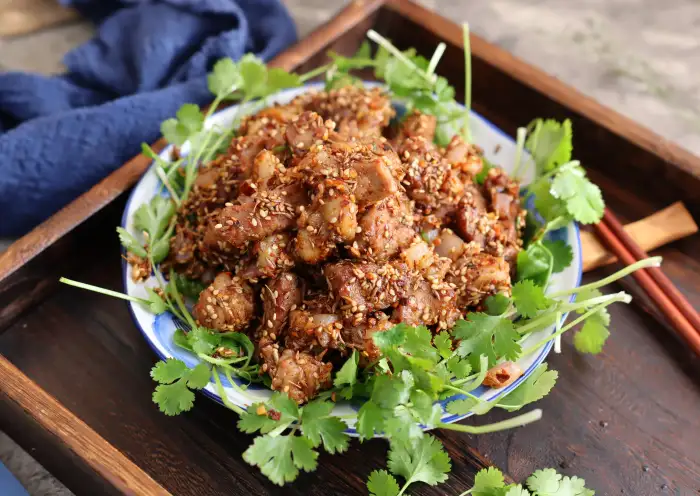
- Famous Dishes: Roast Whole Lamb, Hand-Torn Mutton, Shumai, Youmian, Beef Jerky, Zhuozishan Smoked Chicken, Sand Onion Buns, dairy products, milk tea
Northeast China Cuisine – Bold, Hearty, and Rustic
Northeastern cuisine makes good use of high-quality seasonal ingredients, emphasizing a bold, hearty and satisfying eating experience. It stresses sufficient heat, bright color, strong flavor, and large portions. Combining the abundant resources of the Black Soil with the traditional culinary cultures of the Han, Manchu, Mongolian, and Korean ethnic groups, Northeast China cuisine doesn’t emphasize complicated procedures. During your China tours, don’t forget to experience the thrill and warmth of Northeast food!
- Flavor Characteristics:Clear in sweetness and saltiness, rich and fragrant, excelling in stewing
- Famous Foods:Dongbei Stew, Suan Cai (Pickled Cabbage), Dumplings, Di San Xian (Stir-fried Potato, Green Pepper, and Eggplant), Guobaorou, Northeastern Barbecue
Recommended China Dongbei Tours
- 5 Days Classic China Dongbei Tour: Shenyang and Harbin by High-speed Train
- 8 Days Northeast China Tour from Harbin
10 Must-Try North China Dishes
Peking Duck
Peking Duck (Beijing Roast Duck) is one of the most famous Chinese dishes, having been passed down for over 600 years. Using high-quality stuffed duck through fruit charcoal fire roasting to form the characteristic of crispy skin and tender meat. The sliced duck meat is paired with shredded scallions and cucumbers, rolled up in a thin pancake, and then coated with sweet bean sauce. Each bite is full of rich layers.

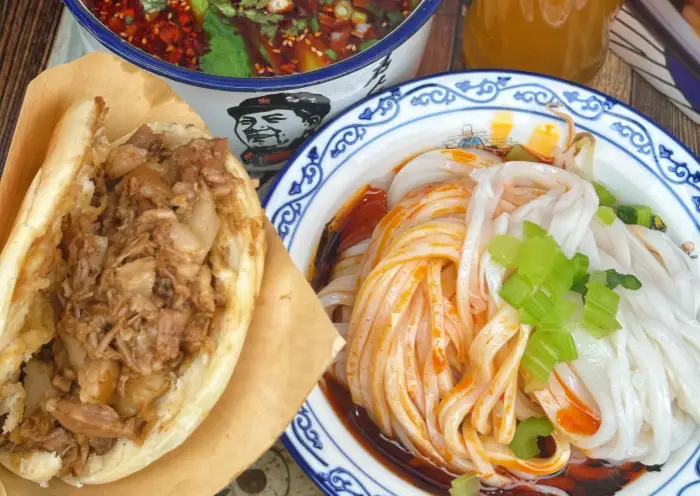
Shaanxi Rougamo
Rougamo (Chinese Hamburger), as one of the most popular North China food, is a representative of Shaanxi cuisine. It has various types, mainly including Xi’an Lazhi Rougamo using Baiji bread, Tongguan Rougamo using crispy pastry, etc. The best partner of Rougamo is Liangpi and Icepeak soda, which can be matched into a delicious “Shaanxi Set Meal”. Don’t miss it on your Xi’an food tour.
Lanzhou Beef Noodles
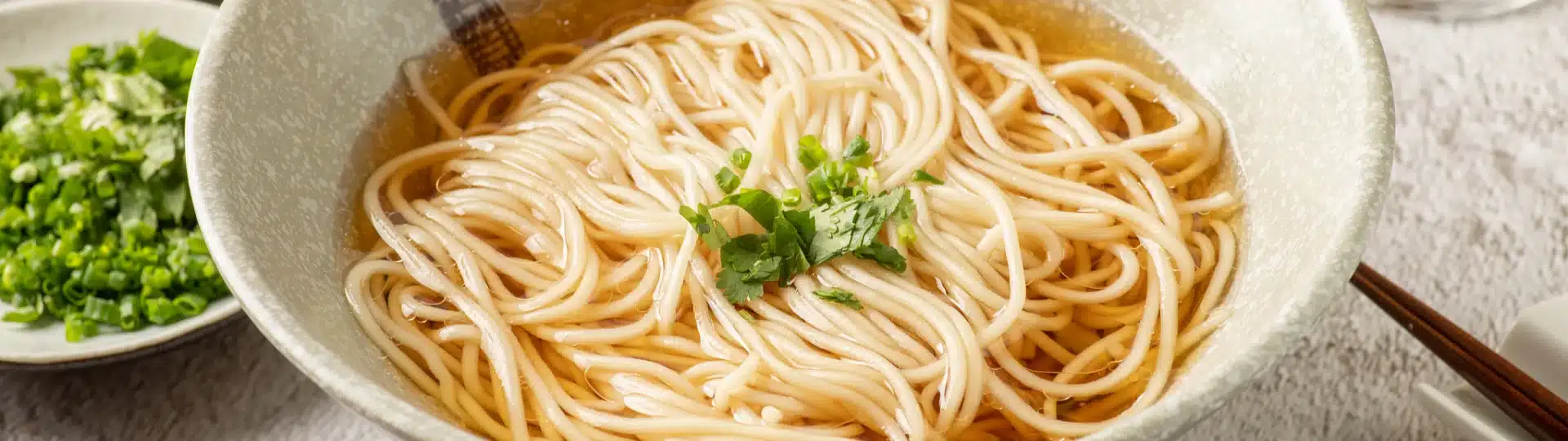
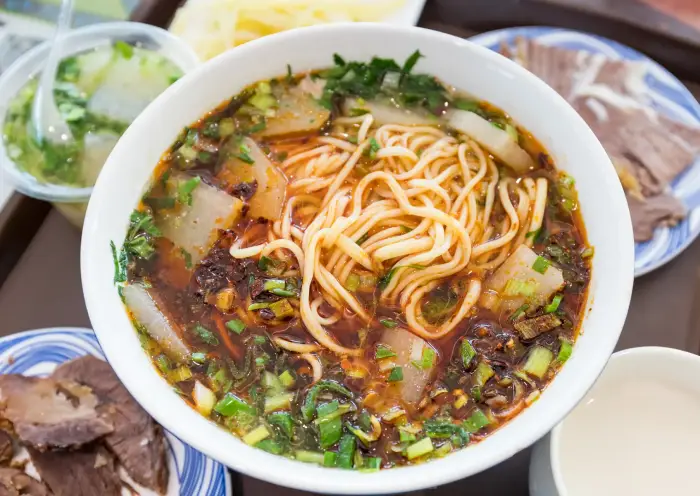
Lanzhou Beef Noodles is the most distinctive, popular, and economic noodle dish in Lanzhou City, Gansu Province, which is hailed as the “Number One Noodle Dish in China”. Known for “clear (soup), white (radish), red (chili), green (coriander), and yellow (noodles)”. The soup is rich in flavor, the beef is tender but not tough, and the noodles are thin and chewy, allowing you to taste the Northwest boldness from a just a bowl of noodles.
Northeast Iron Pot Stew
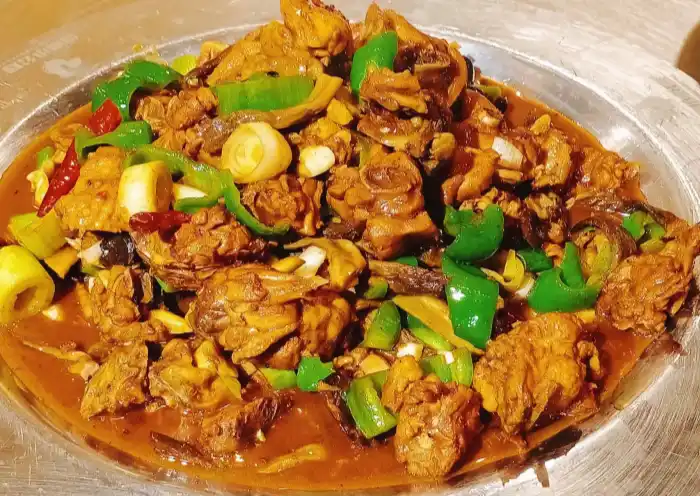
In Northeast China, whether it’s stewed chicken, goose, fish, or pork ribs, they all have a wonderful relationship with a magical iron pot. Adding ingredients such as tofu, potatoes, cabbage, vermicelli, etc., stewing until the meat is tender and the soup is thick, and then pairing it with sweet and soft corn tortillas. This special north China food create a flavor that is difficult to replicate, making diners feel satisfied.
Tianjin Jianbing Guozi
This Chinese breakfast uses mung bean or mixed grain batter to make thin pancakes, matched with eggs, deep-fried dough sticks or crispy food, and then brushed with sweet sauce, sprinkled with scallions, lettuce, etc. Finally, roll up the pancake and cut it into small sections that are easy to hold. Jianbing Guozi has been listed on CNN’s ranking of world’s best street food.
Shanxi Knife-shaved Noodles
It is said that Knife-Shaved Noodles originated in the war years of Chai Shao, a son-in-law of the Tang Dynasty. This north China food features well-proportioned noodles, with a thick center and thin edges like willow leaves. When eaten, they are smooth and chewy, soft yet not sticky, and become even more fragrant and delicious as you savor slowly. The flavors can vary greatly, paired with various types of braised or soup bases.
Henan Stewed Noodles
Henan Stewed Noodles is a delicacy that combines meat, vegetables, soup, dishes, and wheat. The broth is made by simmering sheep bones for several hours,served with wide and elastic noodles pulled by hand. Then accompanied by various fresh ingredients such as shredded kelp, tofu skin, and vermicelli. Its soup is thick and noodles are chewy, with a delicious taste, rich in nutrients and very economical. Really a heartwarming food in the Central China.
Xinjiang Mutton Shashlik
Lamb Skewers is a traditional ethnic Xinjiang food with a history of more than 1800 years. Cut fresh lamb tenderloin or hind leg meat into pieces (mixing fat and lean), thread them onto iron skewers or red willow branches, and then grill over charcoal with chili powder, cumin and other seasonings. The finished product has a golden-brown color and shiny appearance, with fresh, tender, crispy meat and mellow, fragrant, hot taste.
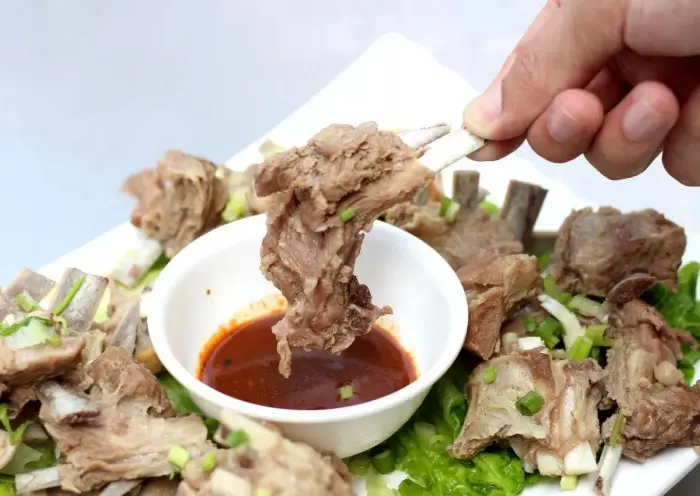
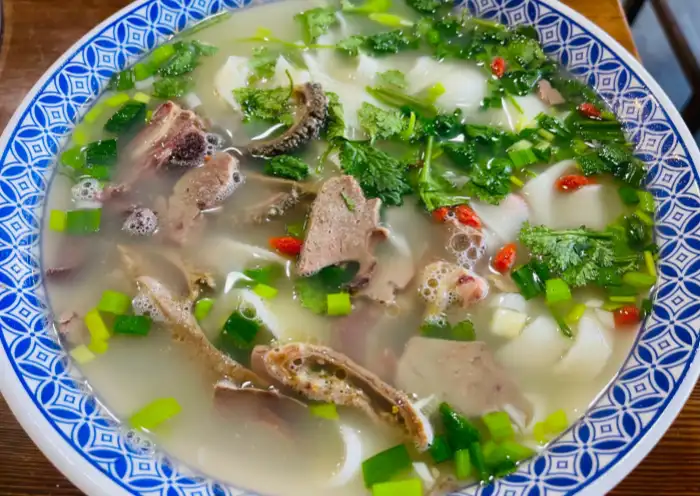
Inner Mongolia Hand-Torn Mutton
As a classic north China food, Hand-Torn Mutton continues the traditional eating method of nomadic people – boiling large pieces of meat and tearing them apart with seasonings. Selecting lamb raised on the grassland, and stewing it with water to maintain the original flavor. The meat is delicious, the fiber is delicate, the taste is mellow, and there is no gamey or greasy feeling.
Dumplings
Dumplings is one of the most representative traditional foods in northern China, and can be said to be the staple food of northerners. The dough is made by rolling flour, and the filling is diverse, such as pork and scallions, chives and eggs, etc. Eating dumplings during the Chinese New Year symbolizes bringing wealth, prosperity and family reunion, as well as safely getting through the cold winter.
Best North China Food Tours
- 10 Days China Silk Road Tour from Lanzhou to Urumqi
- 7 Days Inner Mongolia Tour with Daqing Mountain Hike
- 6 Days Henan Tour: Zhengzhou, Kaifeng, Dengfeng, Luoyang
Street Food Culture in Northern China
Street food in northern China are rooted in the old alleys, temple fairs, and lively markets, with the features of hot, authentic, and down-to-earth. They are large in quantity, heavy in flavors, seasonal, and diverse, making diners feel warm entirely.
Famous Night Markets in Major Cities
- Beijing: Guijie is famous for its 24-hour Spicy Crayfish and Luzhu Huoshao, and is a landmark food street in Beijing’s nightlife. Wangfujing Snack Street focuses on traditional Beijing cuisine.
- Xi’an: Muslim Quarter gathers Shaanxi-style snacks such as Yangrou Paomo, Liangpi, etc. The historic blocks under night lights are full of ancient
- Harbin(Northeast China): Central Street perfectly combines Russian romance and Northeastern boldness, with red sausage, big rye bread, grilled cold noodles, Guobaorou as must-try local delicacies.
FAQs About North China Food
Is North China Food Spicy?
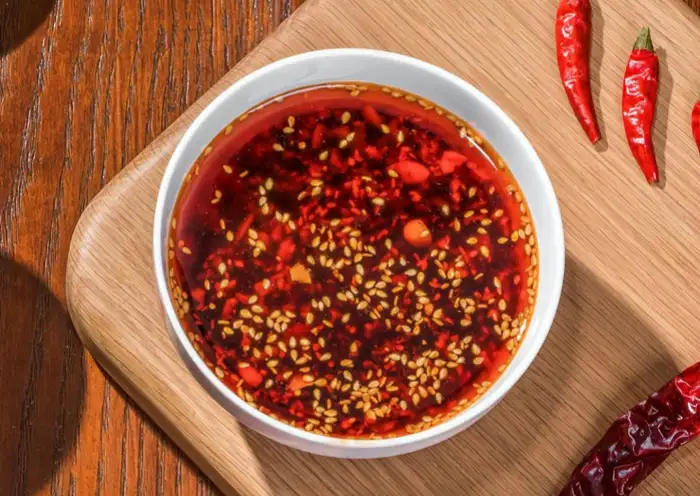
The spiciness of north China food varies by region, with the Northwest making good use of oil splashed chili sauce, the Northeast preferring a sweet and spicy style, and Shandong, Beijing, Hebei food tending to be salty and fresh. Overall, it is not as spicy as the South China.
Best Cities for North China Food
Beijing, Xi’an, Harbin, Jinan, Kaifeng, and Lanzhou are top food cities in China’s north regions, where you can taste authentic flavors.
Related reading: Harbin Food: 10 Must-Try Dishes & Best Restaurants
What Seasonings Are Often Used?
North China cuisine makes good use of sauces to enhance flavor, with the core being scallions, ginger, garlic + soy sauce, vinegar, and salt. Shaanxi oil-splashed chili, Shanxi old-fashioned vinegar, Northeast large sauce, Northwest pepper and cumin combination are all classic seasonings.
Is North China Food Suitable for Vegetarians?
There are also many vegetarian dishes to choose from in north China. Meat-free noodles, vegetarian pancakes, buns, hulatang, Shaanxi Liangpi, Northeast Three Fresh Vegetables, and temple vegetarian meals are all suitable for vegetarians.
Which North China Foods Are Halal?
Among north China foods, halal cuisine mainly features beef and mutton, such as Xi’an Muslim Quarter delicacies, Lanzhou Beef Noodles, Inner Mongolia Roast Whole Lamb, etc. There are more halal restaurants in Xinjiang and Ningxia.
What Drinks Are Common in North China?
Common northern Chinese drinks include Beijing Beibingyang soda and Erguotou liquor, Northeast Kvass, Inner Mongolia salty milk tea, Shanxi sea-buckthorn juice, Qingdao beer, Shaanxi Icepeak soda, Xinjiang yogurt, draft beer in night market, plum syrup in summer, almond tea in winter, assorted Congees, mutton soups, and so on.
Discover the Best Chinese Food with Us
Join our Chinese food tours to taste the bold, hearty, and wheat-based north China food, and understand its passion and stories!