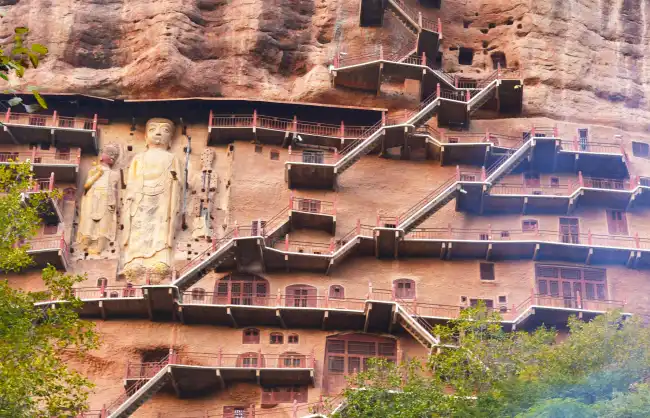

In the history of thousands of years, the Chinese nation has created a rich and precious cultural heritage, forming unique and bright cultural landscapes. In addition, there are many China intangible cultural heritages such as Peking Opera, calligraphy, and Tai Chi that are actively passed down. China cultural heritage protection is of great importance to safeguard and continue the spiritual lifeline of the Chinese nation.
As of July 11, 2025, the total number of China World Heritage sites reaches 60, including 41 cultural heritage sites, 15 natural heritage sites, and 4 mixed cultural and natural heritage sites. These cultural legacies spanning millennia are a common treasure of global civilization, leaving breathtaking scenery to the world. Below are the top 15 UNESCO heritage sites in China:
Content Preview
- 1. The Great Wall (The Most Well-Known Symbol of China)
- 2. Forbidden City & Shenyang Imperial Palace (Ming and Qing Dynasties)
- 3. Mausoleum of the First Qin Emperor (Terracotta Army)
- 4. Mogao Caves (Most Precious Heritage Along the Silk Road)
- 5. Potala Palace (Highest Sacred Palace in the World)
- 6. Classical Gardens of Suzhou (Epitome of Chinese Gardens)
- 7. Old Town of Lijiang (Best Naxi Architecture Museum)
- 8. Ancient City of Ping Yao (A Model of Traditional Han Chinese City)
- 9. Temple of Heaven (An Imperial Sacrificial Altar in Beijing)
- 10. Summer Palace (An Imperial Garden in Beijing)
- 11. Dazu Rock Carvings (Unparalleled Grottoes in Chongqing)
- 12. Ancient Villages in Southern Anhui – Xidi and Hongcun
- 13. Longmen Grottoes (Pinnacle of Stone Carving Art)
- 14. Yungang Grottoes (First Peak of Chinese Buddhist Art)
- 15. Fujian Tulou (Peculiar Earthen Fortresses)
- Full List of China World Heritage Sites
1. The Great Wall (The Most Well-Known Symbol of China)
- Heritage location & inclusion time: mainly in Beijing; 1987
- Best time to visit: Beautiful in four seasons, with spring and autumn having pleasant climate
- Time needed: Varies based on different sections, usually half to one day
Why It’s a UNESCO World Heritage Site
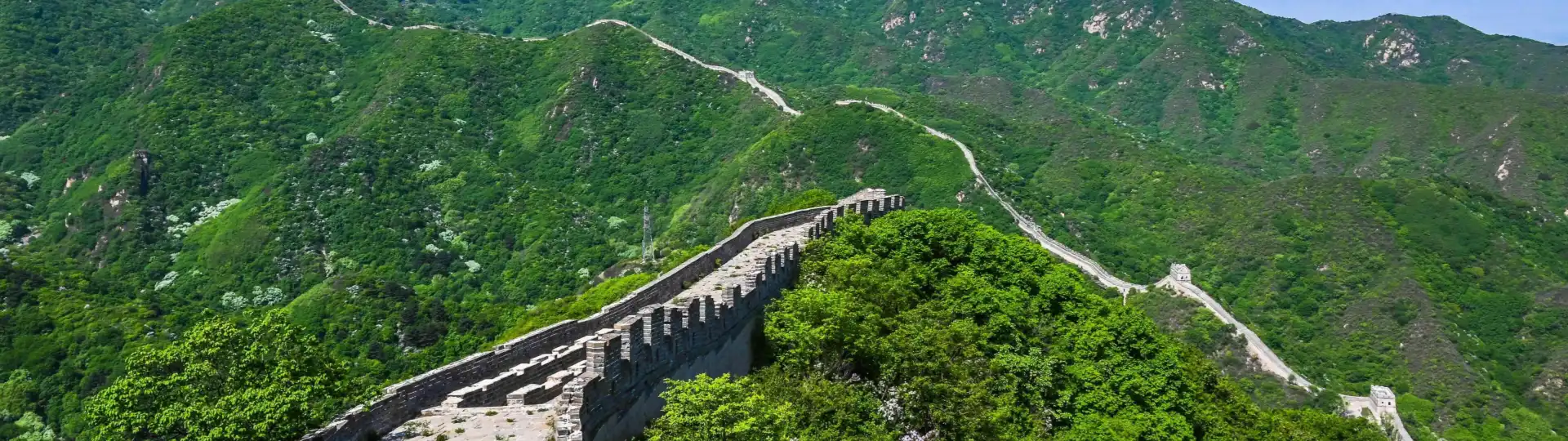
As the most well-known China UNESCO site, the Great Wall is like a winding giant dragon spanning northern China. It was first built in the Western Zhou Dynasty, and around 220 BC, Emperor Qin Shi Huang ordered the connection of earlier fortification sections into a unified defense system to resist nomadic invasions. Construction continued until the Ming Dynasty (1368-1644), finally becoming the world’s largest ancient military structure. Its architectural value is as great as its historical and strategic importance.
Best Sections to Visit
The best Great Wall sections are mostly scattered around Beijing:
- Badaling Great Wall: magnificent classic, perfect facilities, cultural landmark; night tours are available in summer; suitable for first-timers and families.
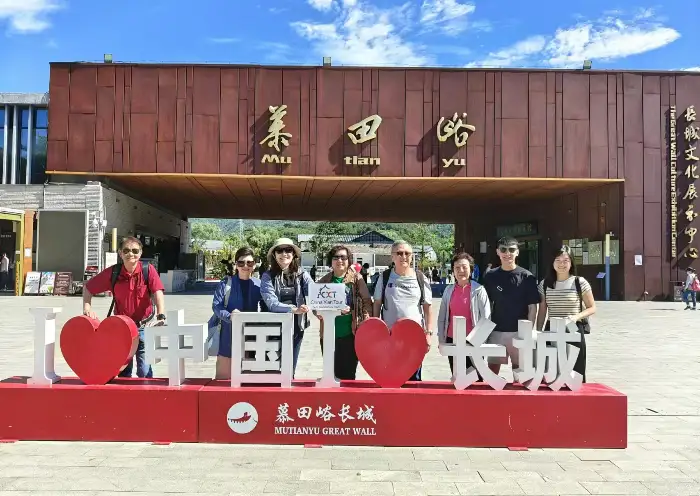
- Mutianyu Great Wall: steep and beautiful, dense vegetation, international style; autumn red leaves not to be missed; suitable for outdoor enthusiasts.
- Jinshanling Great Wall: the essence of the Ming Dynasty Great Wall, most beautiful at sunrise.
- Jiankou Great Wall: wild, extreme challenge, and sea of clouds is spectacular; requiring professional guide.
- Simatai Great Wall: famous for its night tours and water town wonders.
Recommended the Great Wall of China Tours
2. Forbidden City & Shenyang Imperial Palace (Ming and Qing Dynasties)
- Heritage location & inclusion time: Beijing City & Shenyang City; 1987, 2004
- Best time to visit: Attractive in each moment, especially in autumn and winter
- Time needed: 2 hours to one day
Imperial Palaces of the Ming and Qing Dynasties in Beijing and Shenyang represent the pinnacle of ancient Chinese architecture!
History and Cultural Importance
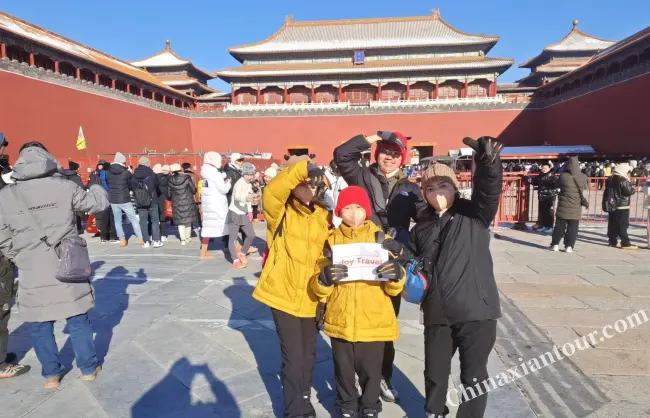
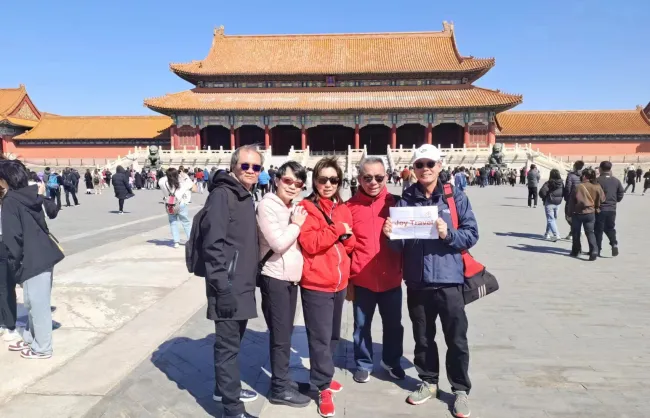
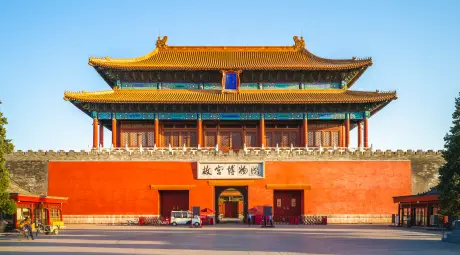
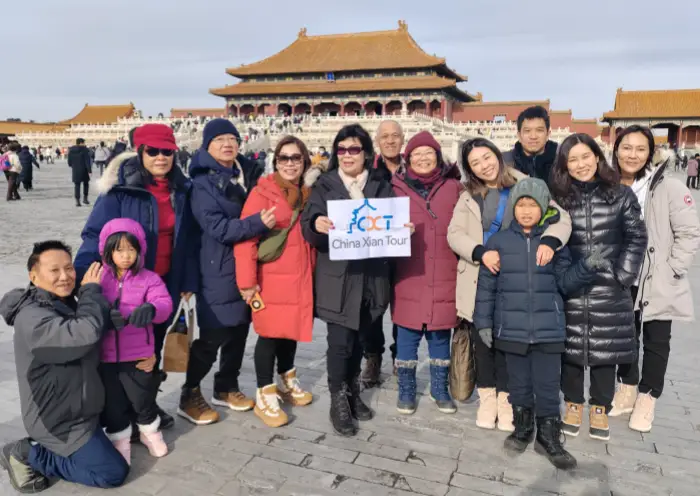
The Forbidden City in Beijing (Palace Museum) is the largest and most well-preserved ancient palace complex in the world, one of the greatest UNESCO world cultural heritage sites in China. Founded in 1420, it was China’s supreme power seat for five centuries, with more than 70 palaces of various sizes, over 9,000 rooms, and many landscaped gardens. Nowadays it is also a renowned museum with numerous ancient Chinese art treasures. Built in 1625, Shenyang Imperial Palace offers important testimony to the history of early Qing Dynasty. It integrates Han, Manchu, and Mongolian architectural styles.
Tips on Visiting the Palaces in Beijing and Shenyang
The Forbidden City in Beijing has tens of thousands of tourists per day, and need a reservation 7 days in advance. The tickets are divided in the morning and afternoon periods.
The Forbidden City in Beijing showcases the grandeur of a unified dynasty; Shenyang Imperial Palace retains its unique ethnic characteristics. Both closed every Monday (excluding China public holidays).
Popular Beijing Tours
3. Mausoleum of the First Qin Emperor (Terracotta Army)
- Heritage location & inclusion time: Xi’an, Shaanxi Province; 1987
- Best time to visit: Spring and autumn with suitable climate, avoiding holidays and summer vacation
- Time needed: about 3-4 hours
Historical Context of Qin Shi Huang
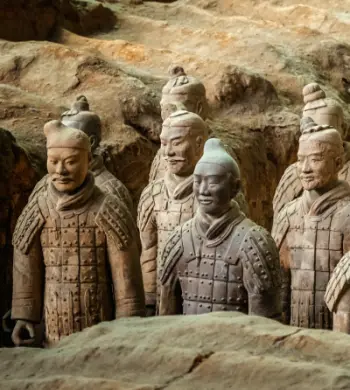
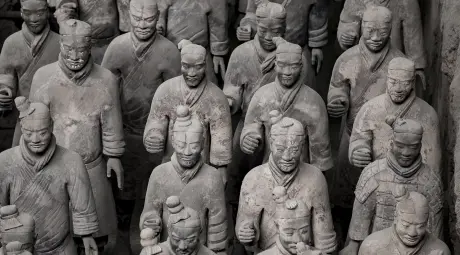
If not discovered in 1974, this world-shaking archaeological site – the Mausoleum of the First Qin Emperor – would still be dormant underground. The first unifier of China, Qin Shi Huang, died in 210 BC and was buried in the center of this mausoleum. As the mausoleum’s burial pits, the Terracotta Army is the largest and best-preserved group of ancient terracotta figures in the world. There are a large number of lifelike terracotta warriors and horses in the pits, which reappear the majesty of the Qin Dynasty army.
What to See at the Site
You can admire the magnificent military formation of the World’s Eighth Wonder, the details of terracotta figurines, and the exquisite structure of the Bronze Chariots and Horses, feeling the peak achievements of military, technology, and art in the Qin Dynasty. As the first batch of UNESCO heritage sites in China, the Terracotta Army has become one of must-visit historical sites in China tours.
Recommended Xi’an Tours

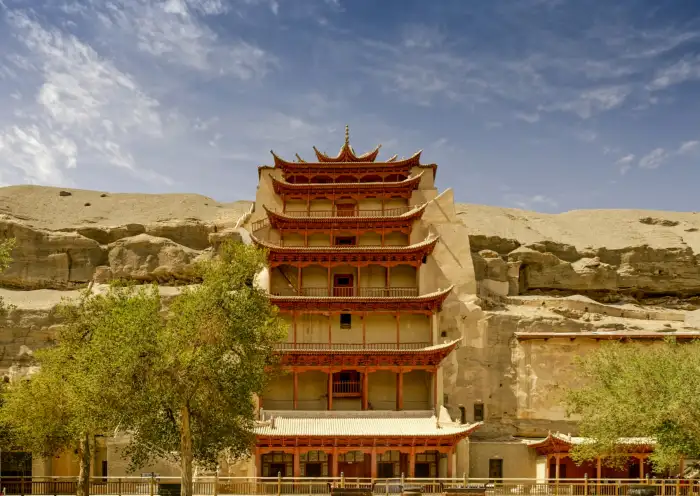
4. Mogao Caves (Most Precious Heritage Along the Silk Road)
- Heritage location & inclusion time: Dunhuang City, Gansu Province; 1987
- Best time to visit: The morning or afternoon periods in spring and autumn
- Time needed: Around 4 hours
Superb Buddhist Art and Murals
The Mogao Caves of Dunhuang, dating back to 366, is the largest and richest Buddhist art holy land in the world. About 735 grottoes, 45,000 square meters of murals, and 2,415 clay colored sculptures condense the aesthetic changes of 10 Chinese dynasties and showcase the Buddhist art that has lasted for thousands of years.
Significance on the Silk Road
Situated at a strategic point on the Silk Road, this priceless cultural heritage in china is at the crossroads of East-West trade as well as religious, cultural and intellectual influences.
Conservation Efforts
The Mogao Caves have been empowered by technology and implemented a preventive protection system, as well as collaborated with international organizations to develop cultural relic restoration technologies, enabling the millennium-old murals and sculptures to survive.
Best Dunhuang Tours
5. Potala Palace (Highest Sacred Palace in the World)
- Heritage location & inclusion time: Lhasa, Tibet; 1994
- Best time to visit: Sunny days from May to October
- Time needed: 2-3 hours for core area
Sacred Tibetan Landmark
Historic Ensemble of the Potala Palace, Lhasa consists of the Potala Palace, Jokhang Temple and Norbulingka. Among them, the Potala Palace is one of the most famous China UNESCO sites. It is a magnificent building with the highest altitude in the world, integrating ancient palace, castle, and temple into one.
Architecture and Religious Value
Since the 7th century, it has been the winter palace of the Dalai Lama, symbolizing Tibetan Buddhism and its central role in traditional administration in Tibet. The complex comprises the White and Red Palaces with their ancillary buildings. The entire palace has a distinct Tibetan style.
Access and Altitude Tips
The Potala Palace is built on Red Mountain in the centre of Lhasa Valley, at an altitude of 3,700m. It is recommended to arrive in Lhasa one day in advance to adapt and avoid strenuous exercise. Peak season (May – October): RMB200, 1 day in advance booking is required; Off season (November – April): RMB100, tickets can be purchased on-site.
Popular Tibet Tours


6. Classical Gardens of Suzhou (Epitome of Chinese Gardens)
- Heritage location & inclusion time: Suzhou City, Jiangsu Province; 1997
- Best time to visit: Spring and autumn with pleasant climate and lush vegetation
- Time needed: 2-3 hours for one garden, 5 hours to 2 days for multiple gardens
Harmony Between Nature and Architecture
Suzhou gardens are the most typical symbol of Jiangnan. Classical Chinese garden design, which seeks to recreate natural landscapes in miniature, is nowhere better illustrated than in the beautiful gardens of Suzhou. These private gardens built between the 11th and 19th centuries, with their meticulous designs, reflect the profound metaphysical importance of natural beauty in Chinese culture.
Top Gardens to Explore
There are over 80 well-preserved classical gardens in Suzhou, of which 9 are UNESCO heritage sites in China. Here are top gardens to visit:
- Humble Administrator’s Garden (the first of the four famous gardens in China, the largest in scale, centered around water)
- Lingering Garden (renowned for Guanyun Peak – the Taihu Stone, with exquisite layout and scenery changes step by step)
- Lion Grove Garden (“Kingdom of rockeries”, created with Zen philosophy landscapes in the Yuan Dynasty)
- Master of the Nets Garden (A compact garden available for night tours with Kunqu Opera performance)
- Canglang Pavilion (the oldest garden in Suzhou, reflecting the reclusive ideal of Song Dynasty literati)
Best Suzhou Garden Tours
7. Old Town of Lijiang (Best Naxi Architecture Museum)
- Heritage location & inclusion time: Lijiang City, Yunnan Province; 1997
- Best time to visit: Spring and autumn, avoiding rainy season in summer
- Time needed: Half to one day
Naxi Culture and Dongba Religion
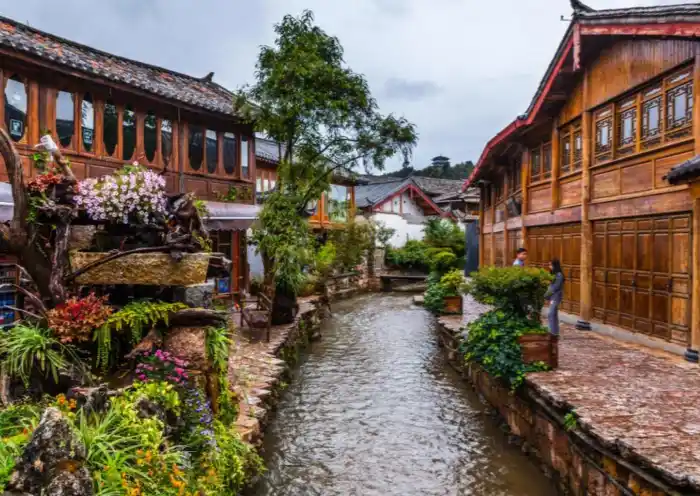
The Old Town of Lijiang, which is perfectly adapted to the uneven topography of this key commercial and strategic site, has retained a historic townscape of high quality and authenticity. First built in the late 13th century AD, it integrates the customs of multiple ethnic groups and has a unique Naxi architectural style and traditional culture.
Waterways and Ancient Streets
Lijiang Old Town also has an ancient water supply system of great complexity and ingenuity that still functions effectively today. The “three houses and one screen wall” courtyards with civil engineering structures from the Ming and Qing dynasties are highlights, too.
Popular Yunnan Lijiang Tours
8. Ancient City of Ping Yao (A Model of Traditional Han Chinese City)
- Heritage location & inclusion time: Pingyao County, Shanxi Province; 1997
- Best time to visit: Spring and autumn
- Time needed: 1-2 days
China’s Best-Preserved Ancient Walled City
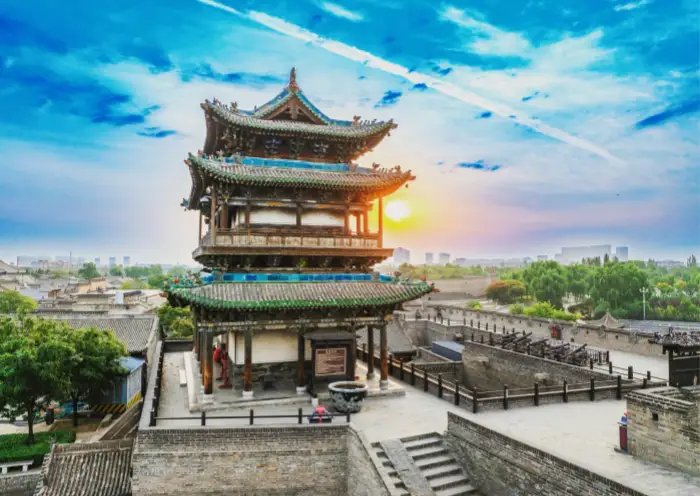
Founded in the 14th century, Pingyao Ancient City – a China’s cultural heritage – is an exceptionally well-preserved example of traditional Han Chinese city. Climbing up the city wall, one can overlook the entire city. Among them, the city tower at the South Gate (Yingxun Gate) is the most exquisite.
Ming-Qing Urban Planning, City Wall, and Banking History
Famous attractions include Pingyao City Wall and Rishengchang Former Bank. Its urban fabric shows the evolution of China’s architectural style and urban planning over five centuries. It is worth mentioning that the buildings related to banking here are particularly magnificent, as Pingyao was the center of Chinese financial industry in the 19th to the early 20th centuries.
Related Tour: 2 Days Classic Pingyao Ancient City Tour
9. Temple of Heaven (An Imperial Sacrificial Altar in Beijing)
- Heritage location & inclusion time: Dongcheng District, Beijing City; 1998
- Best time to visit: Spring and autumn, especially captivating with spring blossoms
- Time needed: 2-4 hours
Imperial Rituals and Symbolism
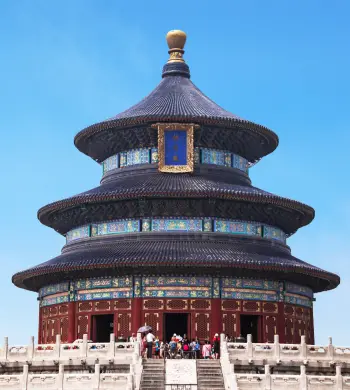
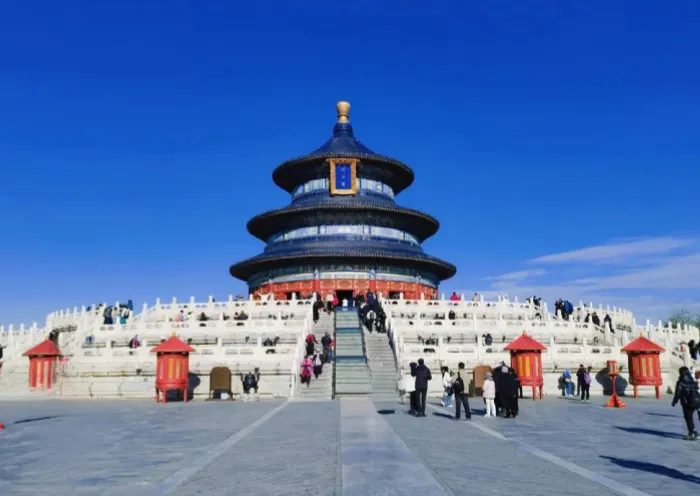
The Temple of Heaven, a masterpiece of ancient Chinese royal sacrificial architecture, was founded in 1420 as a place for emperors of the Ming and Qing dynasties to “worship the heaven” and “pray for harvest”. It is a dignified temple complex set in gardens and surrounded by historic pine trees. In overall layout or individual buildings, it symbolizes the relationship between earth and heaven – humans and gods, as well as the special role played by the emperors in this relationship.
Exploring the Temple Complex
The layout of the Temple of Heaven is in the shape of a “回”. The main building, the Hall of Prayer for Good Harvest, symbolizes the vault of heaven with triple eaves, blue glazed tiles and pavilion roof. Echo Wall cleverly utilizes the principle of architectural acoustics to create a mysterious atmosphere. The three layers of the Circular Mound Altar are arranged with stone slabs in multiples of nine. Its overall architectural complex integrates Chinese wooden structure techniques, ecological layout, and cosmology, becoming an architectural treasure among UNESCO heritage sites in China.
Related Beijing Tours:
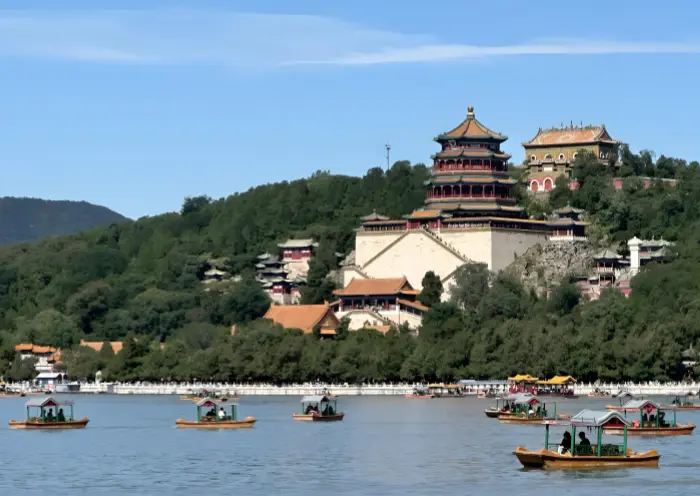
10. Summer Palace (An Imperial Garden in Beijing)
- Heritage location & inclusion time: Haidian District, Beijing City; 1998
- Best time to visit: Spring and autumn with the best climate, stunning lotus flowers in summer, “golden light” on winter solstice
- Time needed: 4-6 hours
Royal Gardens and Lakeside Views
Located in the western suburbs of Beijing, the Summer Palace was first built in 1750 and was severely damaged during the war of 1860. In 1886, it was restored on its original foundations. Its artificial landscapes such as pavilions, corridors, halls, temples, and bridges blend harmoniously with natural hills and open lakes. This China UNESCE heritage site has outstanding aesthetic value.
What Makes It a Masterpiece of Chinese Landscape Design
The Summer Palace was a royal garden during the Qing Dynasty and also the most well-preserved imperial palace garden, known as the “Royal Garden Museum”. It is a large-scale landscape garden built on the basis of Kunming Lake and Longevity Hill, drawing on the design techniques of Jiangnan gardens. Reflecting the principle of Chinese gardens that “although created by humans, it seems to have been formed naturally by heaven”.
Related Beijing Tours
11. Dazu Rock Carvings (Unparalleled Grottoes in Chongqing)
- Heritage location & inclusion time: Dazu District, Chongqing City; 1999
- Best time to visit: Spring and autumn
- Time needed: 3-4 hours for core area
Unique Blend of Buddhist, Taoist, and Confucian Imagery
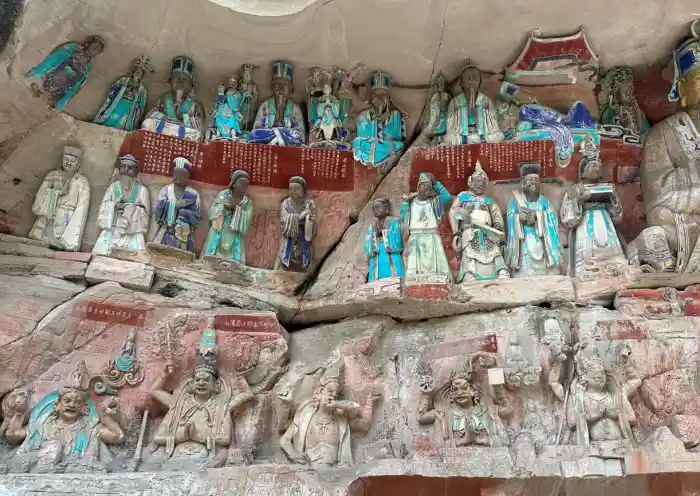
The steep cliffs in Dazu area preserve a unique series of rock carvings, spanning from the 9th century to the 13th century. For Dazu Rock Carvings, the main theme is Buddhism, and the statues of Confucianism and Taoism are presented together, vividly reflecting the daily social life of China during this period.
Top Sites to Visit in Dazu
It is represented by the “Five Mountains” grottoes such as Baoding Mountain, Beishan Mountain, Nanshan Mountain, Shimen Mountain, and Shizhuan Mountain. Various cliff sculptures are lifelike and remarkable for their aesthetic quality and rich diversity of subjects, making them a treasure of Chinese late-period grotto art.
Related Tour: 2 Days Chongqing Tour with Dazu Rock Carvings
12. Ancient Villages in Southern Anhui – Xidi and Hongcun
- Heritage location & inclusion time: Yi County, Anhui Province; 2000
- Best time to visit: Spring and autumn
- Time needed: Half to one day
Authentic Ming/Qing Architecture
For the first time, ancient villages have been listed as a World Heritage Site. Xidi Village and Hongcun Village are renowned worldwide for their idyllic scenery and exquisite Hui-style residences. These traditional ancient villages with strong local cultural characteristics have well preserved the true style of Anhui rural areas from the 14th to the 20th century.
Ideal Photography and Cultural Spots
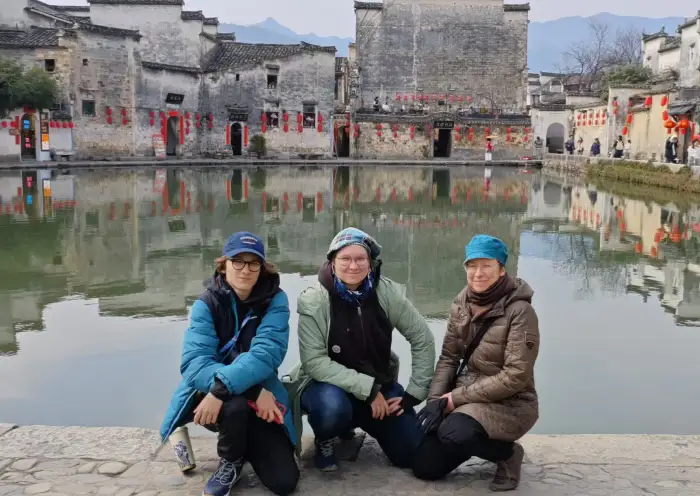
As the unique world cultural heritage sites in china, the Moon Pond, South Lake Painting Bridge, and Chengzhi Hall wood carvings in Hongcun, as well as Hu Wenguang Archway, Dafudi Xiu Tower, etc. in Xidi are all ideal spots for photography. The Nanhu Academy and the Jing’ai Hall offer unique cultural experiences, and Xidi folk performances are also very wonderful.
Related Tour: One Day Hongcun and Xidi Villages Tour in Huangshan
13. Longmen Grottoes (Pinnacle of Stone Carving Art)
- Heritage location & inclusion time: Luoyang City, Henan Province; 2000
- Best time to visit: Spring and autumn, avoiding holidays
- Time needed: 3-4 hours
Stone Carvings from Northern Wei to Tang Dynasties
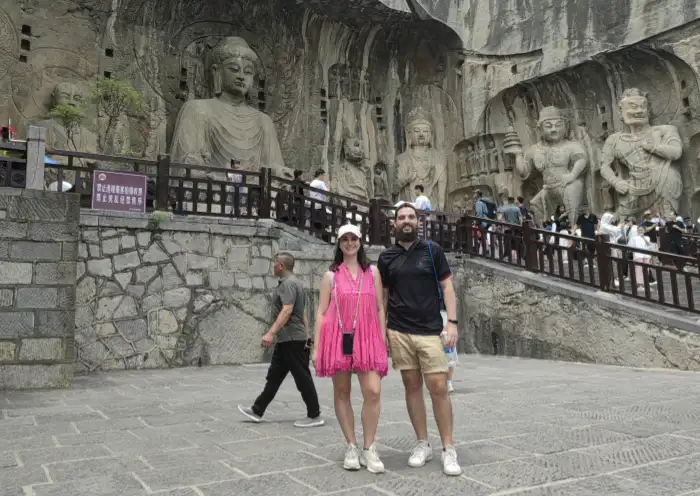
Undergoing over 400 years of large-scale construction, Longmen Grottoes – one of top UNESCO heritage sites in China – stretches for 1 kilometer from north to south. It is the largest and most impressive collection of Chinese art from the late Northern Wei Dynasty to the Tang Dynasty (316-907).
Art, Religion, and Historical Insight
Longmen Grottoes ranks first among the major stone caves. It now contains 2,345 grottoes and niches, over 100,000 statues, and more than 2,800 inscriptions. These artworks, entirely devoted to the Buddhist religion, have been recognized as the “highest peak of Chinese stone carving art” by the UNESCO.
Related Tour: Luoyang Highlight Day Tour: Longmen Grottoes and Shaolin Temple
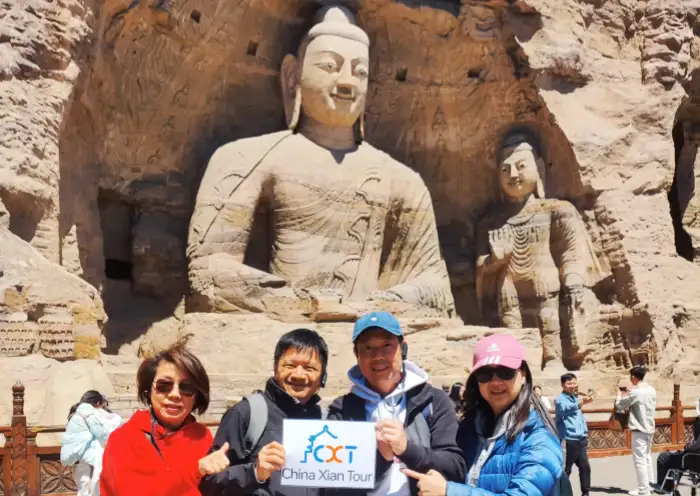
14. Yungang Grottoes (First Peak of Chinese Buddhist Art)
- Heritage location & inclusion time: Datong City, Shanxi Province; 2001
- Best time to visit: May to October when the climate is mild and the grottoes have vivid colors
- Time needed: 4-6 hours
One of China’s Earliest Buddhist Grottoes
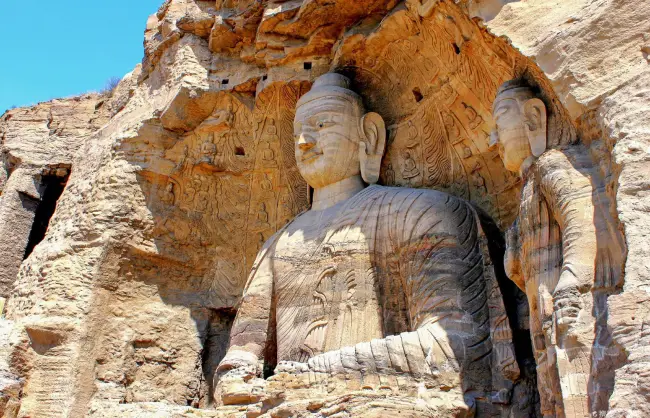
As the first royal-authorized grotto cluster after Buddhist art spread to China, Yungang Grottoes has a history of over 1500 years. It has more than 250 caves and over 50,000 statues. This UNESCO heritage site in China represents the outstanding achievement of Buddhist cave art in China during the 5th and 6th centuries.
Visiting Highlights and Tour Tips
Focus on visiting caves 1-20 in the eastern area, especially the magnificent statues in the Five Caves created by Monk Tan Yao (Caves 16-20), the stunning 17-meter-high Trinity Buddha in Cave 5, etc. It’s better to arrive before 9am and take photos of the open-air Buddha statue in the afternoon.
Related Tour: 3 Days Datong Culture Discovery Tour
15. Fujian Tulou (Peculiar Earthen Fortresses)
- Heritage location & inclusion time: Nanjing and Yongding, Fujian Province; 2008
- Best time to visit: Spring and autumn
- Time needed: 1-2 days
Unique Hakka Architecture and Communal Living
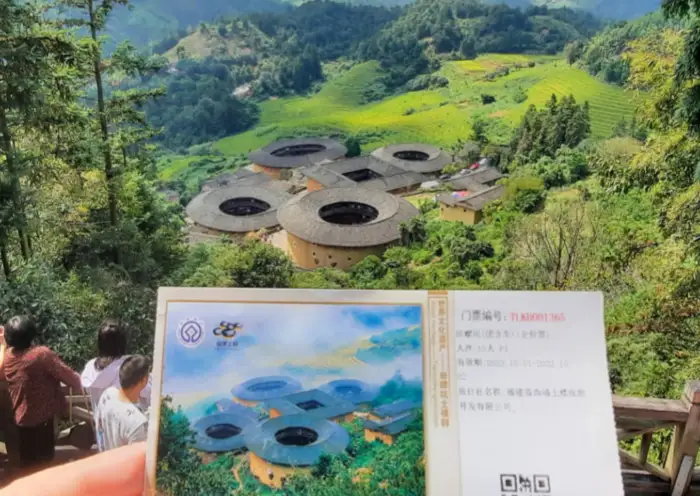
Constructed between the 15th and 20th centuries, Fujian Tulou is also known as the “Hakka Tulou”. Relying solely on rammed earth technology, it has stood for 600 years. Tulou, with its architectural tradition and function as an exceptional example, embodies a specific type of communal living and defense organization, and reflects the harmonious coexistence between human habitation and natural environment.
Best Tulou Clusters to Explore
As one of the distinctive world cultural heritage sites in china, Fujian Tulou highlights include Yongding Tulou Clusters featuring the Zhencheng Lou in Hongkeng, the Chengqi Lou in Gaobei, and the original Chuxi Tulou; and Najing Tulou Clusters, featuring panoramic shooting in Tianluokeng, the ancient Yunshuiyao Town, and the picturesque Taxia Village.
Related Tour: 2 Days Fujian Tulou Exploration Tour
Full List of China World Heritage Sites
Listed Below is the full list of all the 60 World Heritage Sites in China:
Heritage Site |
Type |
Inscribed Year |
Location |
The Great Wall |
Cultural |
1987 |
Beijing, Hebei, Shanxi, etc. (15 provinces) |
Imperial Palaces of the Ming and Qing Dynasties |
Cultural |
1987, 2004 |
Beijing, Shenyang (Liaoning) |
Mausoleum of the First Qin Emperor and the Terracotta Warriors |
Cultural |
1987 |
Xi’an (Shaanxi) |
Mogao Caves |
Cultural |
1987 |
Dunhuang (Gansu) |
Peking Man Site at Zhoukoudian |
Cultural |
1987 |
Fangshan, Beijing |
Historic Ensemble of the Potala Palace |
Cultural |
1994 |
Lhasa (Tibet) |
Mountain Resort and its Outlying Temples, Chengde |
Cultural |
1994 |
Chengde (Hebei) |
Temple and Cemetery of Confucius and the Kong Family Mansion in Qufu |
Cultural |
1994 |
Qufu (Shandong) |
Ancient Building Complex in the Wudang Mountains |
Cultural |
1994 |
Shiyan (Hubei) |
Lushan National Park |
Cultural |
1996 |
Jiujiang (Jiangxi) |
Old Town of Lijiang |
Cultural |
1997 |
Lijiang (Yunnan) |
Ancient City of Pingyao |
Cultural |
1997 |
Pingyao (Shanxi) |
Classical Gardens of Suzhou |
Cultural |
1997 |
Suzhou (Jiangsu) |
Summer Palace |
Cultural |
1998 |
Haidian, Beijing |
Temple of Heaven |
Cultural |
1998 |
Dongcheng, Beijing |
Dazu Rock Carvings |
Cultural |
1999 |
Dazu, Chongqing |
Mount Qingcheng and the Dujiangyan Irrigation System |
Cultural |
2000 |
Dujiangyan, Sichuan |
Ancient Villages in Southern Anhui (Xidi and Hongcun) |
Cultural |
2000 |
Huangshan (Anhui) |
Longmen Grottoes |
Cultural |
2000 |
Luoyang (Henan) |
Imperial Tombs of the Ming and Qing Dynasties |
Cultural |
2000 |
Hubei, Hebei, Jiangsu, Liaoning, etc. |
Yungang Grottoes |
Cultural |
2001 |
Datong (Shanxi) |
Capital Cities and Tombs of the Ancient Koguryo Kingdom |
Cultural |
2004 |
Ji’an (Jilin), Huanren (Liaoning) |
Historic Centre of Macao |
Cultural |
2005 |
Macao |
Yin Xu |
Cultural |
2006 |
Anyang (Henan) |
Kaiping Diaolou and Villages |
Cultural |
2007 |
Kaiping (Guangdong) |
Fujian Tulou |
Cultural |
2008 |
Longyan, Zhangzhou (Fujian) |
Mount Wutai |
Cultural |
2009 |
Xinzhou (Shanxi) |
Historic Monuments of Dengfeng |
Cultural |
2010 |
Dengfeng (Henan) |
West Lake Cultural Landscape of Hangzhou |
Cultural |
2011 |
Hangzhou (Zhejiang) |
Cultural |
2012 |
Xilin Gol (Inner Mongolia) |
|
Cultural Landscape of Honghe Hani Rice Terraces |
Cultural |
2013 |
Honghe (Yunnan) |
The Grand Canal |
Cultural |
2014 |
Beijing, Tianjin, Hebei, Shandong, etc. (8 provinces) |
Silk Roads: Chang’an-Tianshan Corridor |
Cultural |
2014 |
Henan, Shaanxi, Gansu, Xinjiang |
Tusi Sites |
Cultural |
2015 |
Yongshun (Hunan), Xianfeng (Hubei), Zunyi (Guizhou) |
Zuojiang Huashan Rock Art Cultural Landscape |
Cultural |
2016 |
Chongzuo (Guangxi) |
Kulangsu: a Historic International Settlement |
Cultural |
2017 |
Xiamen (Fujian) |
Archaeological Ruins of Liangzhu City |
Cultural |
2019 |
Hangzhou (Zhejiang) |
Quanzhou: Emporium of the World in Song-Yuan China |
Cultural |
2021 |
Quanzhou (Fujian) |
Cultural Landscape of Old Tea Forests of Jingmai Mountain in Pu’er |
Cultural |
2023 |
Pu’er (Yunnan) |
The Central Axis of Beijing |
Cultural |
2024 |
Beijing |
Western Xia Imperial Tombs |
Cultural |
2025 |
Yinchuan (Ningxia) |
Jiuzhaigou Valley Scenic and Historic Interest Area |
Natural |
1992 |
Aba, Sichuan |
Huanglong Scenic and Historic Interest Area |
Natural |
1992 |
Aba, Sichuan |
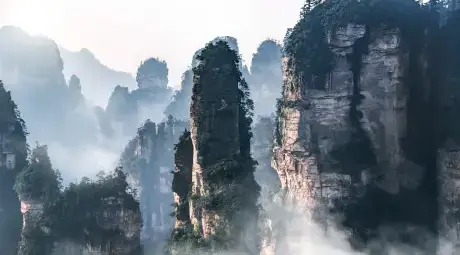
Wulingyuan Scenic and Historic Interest Area |
Natural |
1992 |
Zhangjiajie, Hunan |
Three Parallel Rivers of Yunnan Protected Areas |
Natural |
2003 |
Lijiang, Diqing, Yunnan |
Sichuan Giant Panda Sanctuaries |
Natural |
2006 |
Wolong, Mount Siguniang, Sichuan |
South China Karst |
Natural |
2007, 2014 |
Yunnan, Guizhou, Chongqing, Guangxi |
Mount Sanqingshan National Park |
Natural |
2008 |
Shangrao, Jiangxi |
China Danxia |
Natural |
2010 |
Guangdong, Hunan, Fujian, Jiangxi, Zhejiang, Guizhou |
Chengjiang Fossil Site |
Natural |
2012 |
Yuxi, Yunnan |
Xinjiang Tianshan |
Natural |
2013 |
Xinjiang |
Hubei Shennongjia |
Natural |
2016 |
Shennongjia Forestry District, Hubei |
Qinghai Hoh Xil |
Natural |
2017 |
Yushu, Qinghai |
Fanjingshan |
Natural |
2018 |
Tongren, Guizhou |
Migratory Bird Sanctuaries along the Coast of Yellow Sea-Bohai Gulf of China |
Natural |
2019, 2024 |
Jiangsu, Shanghai, Shandong, Hebei, Liaoning |
Badain Jaran Desert-Telescopic Sand Dunes and Lakes |
Natural |
2024 |
Alxa, Inner Mongolia |
Mount Taishan |
Cultural & Natural |
1987 |
Tai’an, Shandong |
Mount Huangshan |
Cultural & Natural |
1990 |
Huangshan, Anhui |
Mount Emei and the Leshan Giant Buddha |
Cultural & Natural |
1996 |
Leshan, Sichuan |
Mount Wuyi |
Cultural & Natural |
1999 |
Nanping, Fujian and Shangrao, Jiangxi |
China Cultural Heritage Tour with Us
Welcome to join our cultural tours to experience the highlights of these UNESCO heritage sites in China. Travel under the scholarly guides and unlock the thousand-year-old wisdom!